Maximizing Curb Appeal While Maintaining Historic Integrity
26 July 2026
Ever walked past a house that just oozes charm—the kind that makes you stop mid-stride and sigh, "Now that's a home"? Historic homes have that magic, that character you just can’t replicate with a cookie-cutter design. But when it comes to boosting curb appeal, there’s a fine line between enhancing charm and committing a full-blown historical faux pas.
How do you strike the right balance? How do you make your home turn heads for all the right reasons without stripping it of its rich history? Buckle up, because we’re about to dive into the art of maximizing curb appeal while keeping that historic integrity intact. 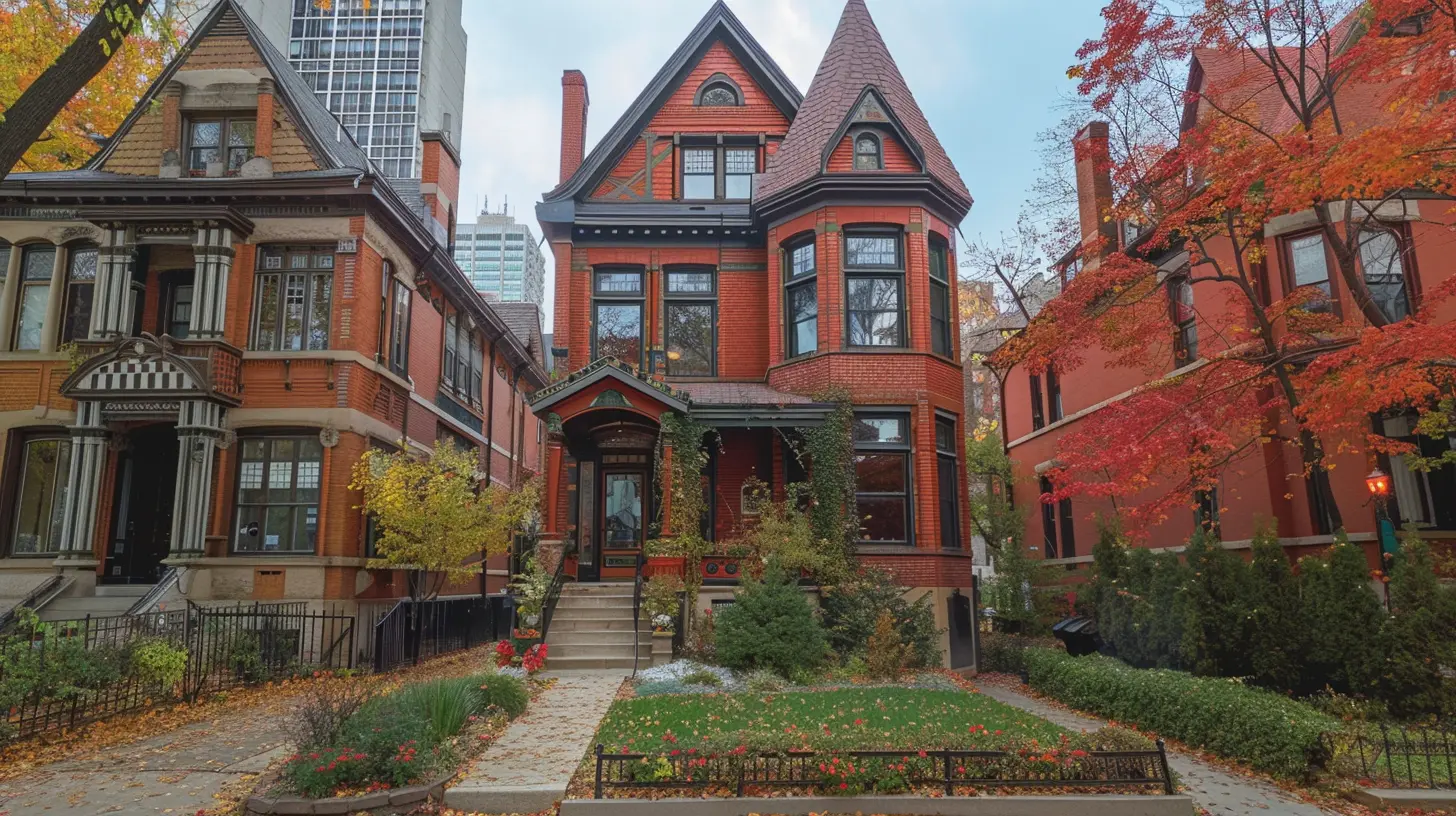
First Things First: Respect the Era
Before you grab a paintbrush or start replacing fixtures, take a step back. What’s the architectural style of your home? Is it a stately Victorian, a cozy Craftsman, or a Colonial beauty? Each era has its own defining features, and tampering with them could make your home look like it’s suffering from an identity crisis.Do a little detective work—dig through old photos, research similar homes from the same time period, or even chat with your local historical society. The goal is to enhance your home’s charm, not erase its past. 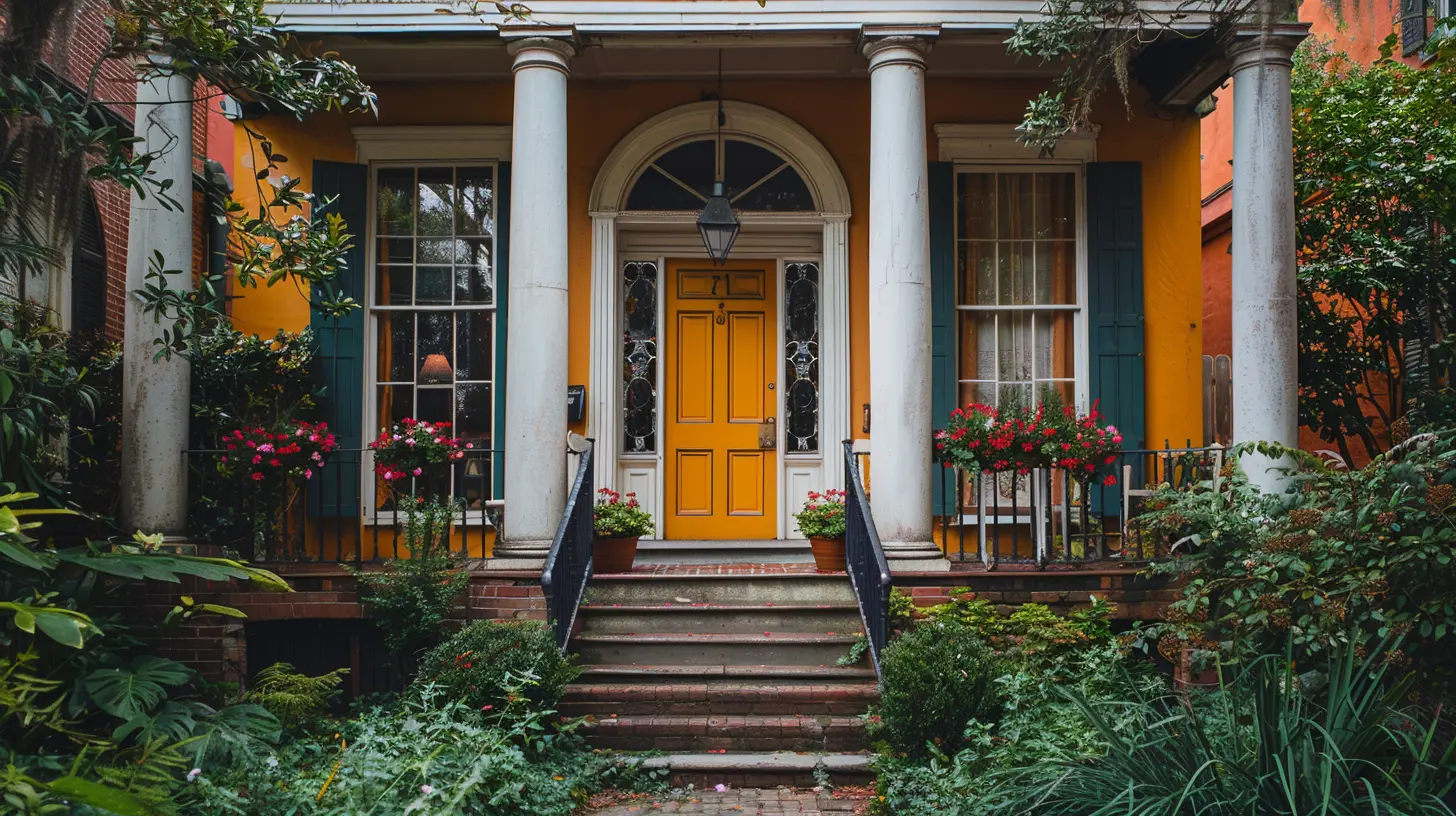
Paint: The Power of the Right Palette
Ah, paint—the quickest way to either boost your curb appeal or completely botch it. Historic homes often have specific color palettes that complement their era. A neon blue Victorian? Probably not the best move.How to Choose the Right Colors:
- Look Into Historical Color Schemes: Many paint companies have collections dedicated to specific time periods.- Check Any Restrictions: If your home is in a historic district, there might be guidelines on what colors you can use.
- Go for Three or More Complementing Shades: Older homes usually have intricate details that pop with a well-thought-out palette.
A fresh coat of historically appropriate paint can make your home shine while staying true to its roots. 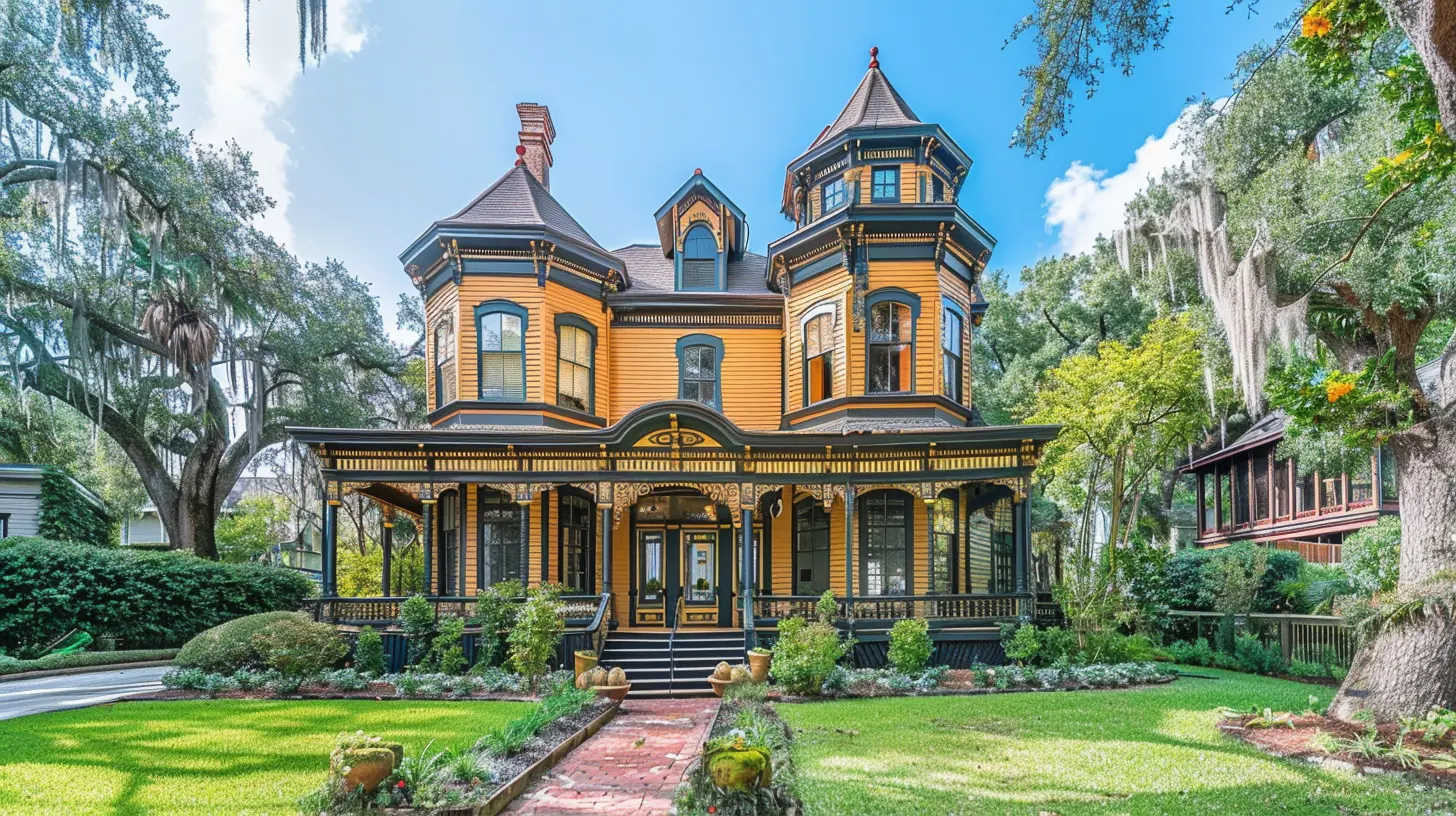
Windows & Doors: The Eyes and Soul of Your Home
They say the eyes are the windows to the soul, and in the case of historic homes, the windows and doors are the soul of the architecture. Swapping out original wood-framed windows for modern vinyl ones? That’s the historic home equivalent of wearing Crocs to a black-tie event.Preserving the Charm of Windows and Doors:
- Restore Instead of Replace: If your windows are drafty, consider weatherproofing them rather than swapping them out entirely.- Stick to the Original Design: If replacement is unavoidable, match the materials, grilles, and overall style as closely as possible.
- Give Your Front Door a Facelift: A historic home deserves a front door that makes a statement—consider a bold (but era-appropriate) color, polished brass hardware, or even a classic knocker.
Nothing says “welcome home” like a front door that respects the past while embracing the present. 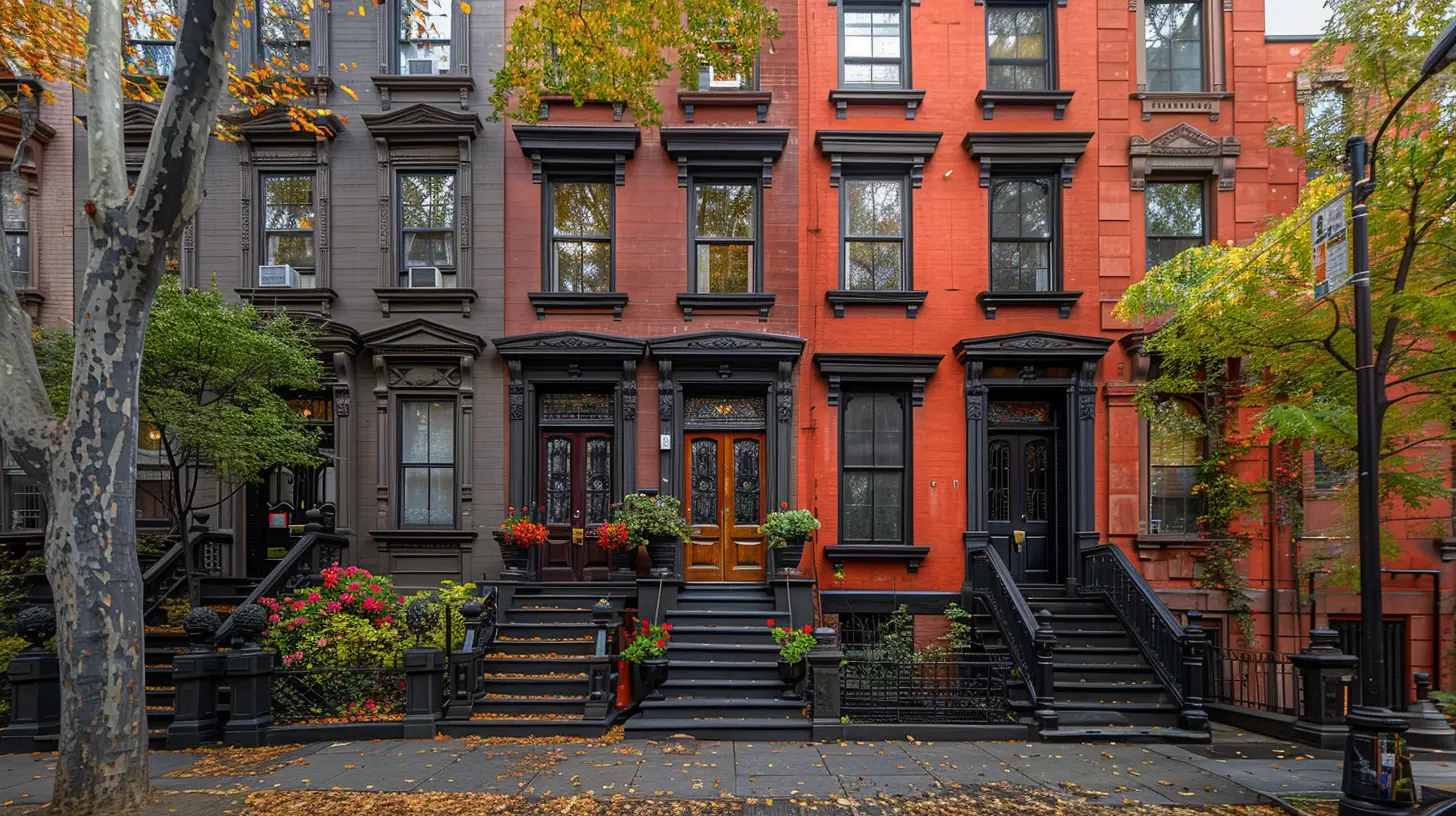
Landscaping: The Supporting Cast
Sure, your home is the main attraction, but a historic home without thoughtful landscaping is like a masterpiece without a frame—it just doesn’t feel complete.Landscaping Tips for a Historic Home:
- Stick to Plants That Complement the Era: Formal gardens for Colonial homes, wild cottage gardens for Victorians, and structured hedging for Georgian homes.- Use Materials That Fit the Time Period: Brick pathways, wrought-iron fences, and wooden trellises can enhance the home’s authenticity.
- Avoid Overly Modern Features: Palm trees in front of a Tudor-style home? It’s a no from us.
Thoughtful landscaping can enhance your home’s curb appeal without making it look like it’s trying too hard.
Lighting: Setting the Mood
Ever noticed how historic homes look especially magical at dusk? That’s because the right lighting can make all the difference.How to Light Up Your Historic Home Right:
- Stick to Period-Appropriate Fixtures: Edison bulbs, lantern-style sconces, or wrought-iron chandeliers can enhance the vintage feel.- Use Warm Lighting: Harsh LED spotlights can kill the vibe—opt for warm-toned bulbs that give off that soft, inviting glow.
- Highlight the Best Features: Uplighting on stonework, pathway lights, or a beautifully lit porch can work wonders.
Good lighting is like the final flourish on a painting—it pulls everything together beautifully.
Hardscaping: The Foundation of Great Curb Appeal
Walkways, driveways, and fences might not be the first thing you think of when dressing up your home’s exterior, but trust us, they play a huge role.Touches That Keep It Classic:
- Stick to Classic Materials: Cobblestone, brick, and flagstone pathways can add timeless charm.- Keep the Driveway Simple and Subtle: Avoid super modern stamped concrete or glaringly new asphalt—aged materials blend better.
- Classic Fencing Is Key: Wrought iron, picket fences, or hedgerows can add charm without feeling out of place.
Hardscaping done right is like a great frame for a historic painting—it enhances without overpowering.
Porches & Entryways: The Warm Welcome
A historic home with a poorly maintained porch is like the Mona Lisa with a coffee stain—it just doesn’t feel right.How to Preserve and Enhance Your Porch:
- Restore Railings & Columns: If they’re looking worse for wear, a little TLC can bring them back to life.- Furniture Matters: Rocking chairs, porch swings, or wicker furniture can create an inviting atmosphere.
- Keep Seasonal Decor Understated: A few tasteful decorations? Yes. An inflatable Santa in July? Maybe not.
A well-maintained porch invites neighbors to stop and chat rather than cringe and walk by.
Roofing: The Crowning Glory
Your roof is one of the biggest visual components of your home, and the wrong choice can throw your historic charm out the window.Roofing Choices That Respect Historic Integrity:
- Stick to Original Materials When Possible: Slate, clay tiles, or wood shingles can maintain authenticity.- If Replacing, Find a Lookalike: Many modern materials mimic the look of historic roofing while offering better durability.
- Don’t Neglect the Details: Decorative ridge caps, dormer details, and period-appropriate gutters can make all the difference.
A beautiful historic home deserves a roof that doesn’t look like it belongs on a suburban strip mall.
Final Thoughts: Charm Without Compromise
Maximizing curb appeal while maintaining historic integrity isn’t just about making your house look good—it’s about honoring the craftsmanship and stories woven into its walls. When done right, your home will not only stand out but do so with grace, charm, and an undeniable sense of history.So, go ahead—polish that brass, trim those hedges, and give your home the love it deserves. Just remember: historic charm is like fine wine; it gets better when handled with care.
all images in this post were generated using AI tools
Category:
Historic HomesAuthor:

Kingston Estes
Discussion
rate this article
1 comments
Nix Gilbert
This article offers valuable insights on blending modern enhancements with historic charm. It's essential for preserving character while attracting buyers. Great read!
August 3, 2026 at 12:50 PM
Kingston Estes
Thank you for your kind words! I'm glad you found the article helpful in balancing modern upgrades with historic charm.