Exploring the Stories Behind Famous Historic Homes
8 March 2026
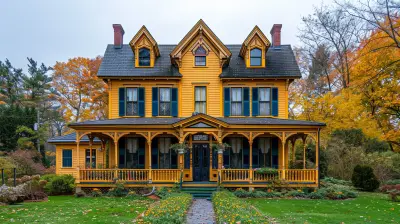
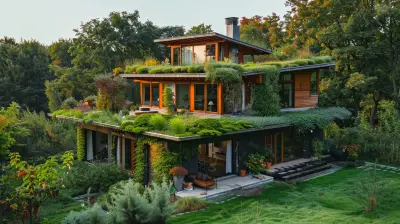
Have you ever walked past an old, grand house and wondered what secrets it holds? Every historic home has a story, a past filled with intriguing tales of the people who lived there, the events that shaped them, and the legacy they left behind. Some of these houses have witnessed love, tragedy, and even political revolutions. Today, we’ll take a closer look at some of the most famous historic homes and uncover the fascinating stories they have to tell.
The Mystery and Charm of Historic Homes
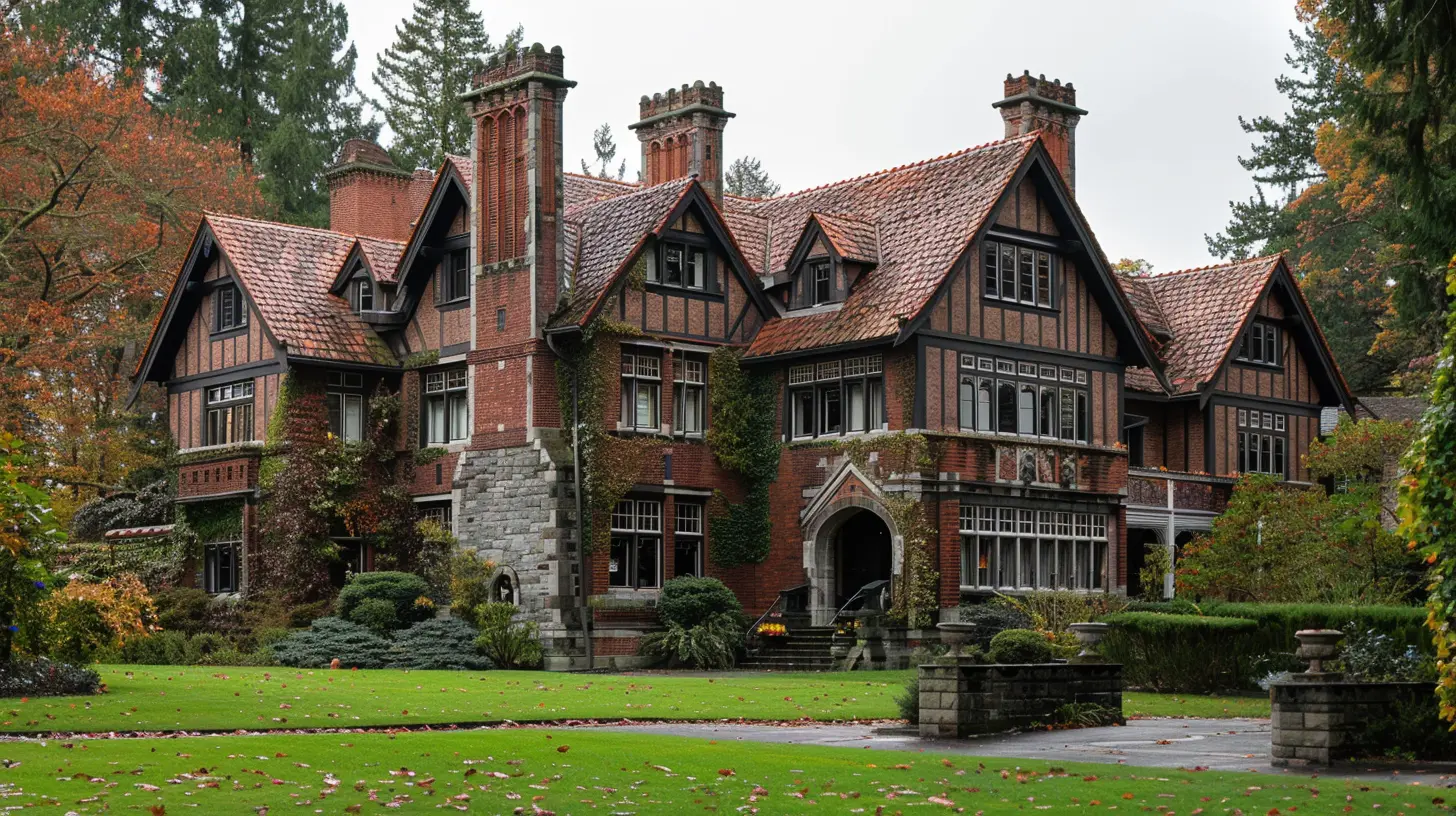
Historic homes have a character that modern houses can't quite replicate. From their intricate architectural details to the creaky wooden floors, these homes symbolize a different era. But beyond their beauty, these places serve as time capsules, preserving the lives and events that defined their time.So, what makes these homes so captivating? It's not just the ornate woodwork or antique furniture—it's the stories. Every scratch on the walls, every hidden passage, and even the smallest piece of history within these homes carry whispers of the past.
Now, let’s step inside some of the world’s most iconic historic homes and uncover their legendary tales.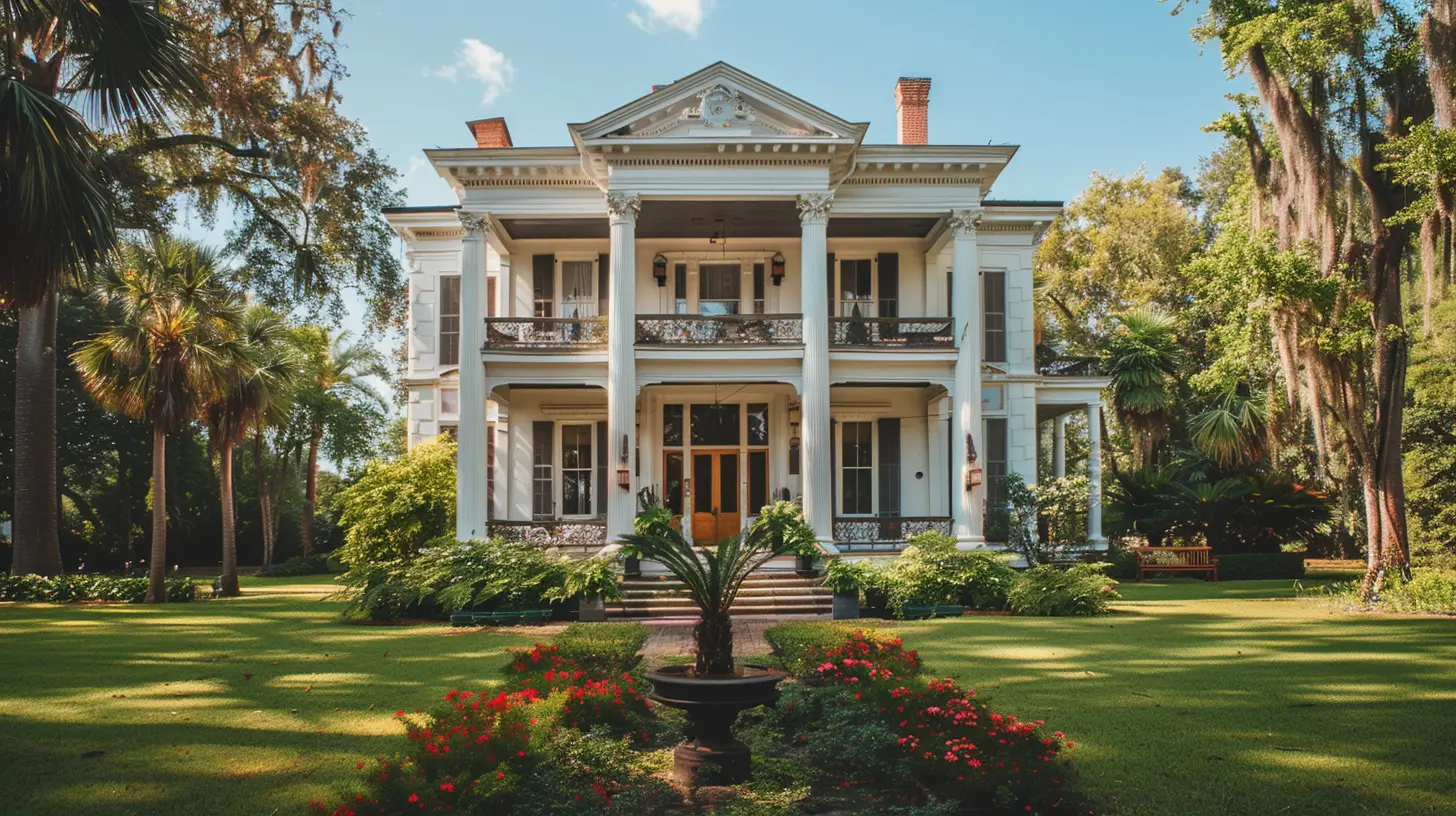
1. The Winchester Mystery House – A Mansion of Superstition
Location: San Jose, CaliforniaYear Built: 1884
The Winchester Mystery House is one of the strangest homes in American history. Sarah Winchester, the widow of firearm magnate William Wirt Winchester, believed she was cursed by the spirits of those killed by Winchester rifles. To keep the spirits at bay, she continuously built and expanded her mansion—sometimes without rhyme or reason.
This resulted in an architectural oddity: staircases leading to nowhere, doors opening into walls, and hidden passageways. The construction continued for 38 years, fueled by Sarah’s belief that if she ever stopped building, misfortune would strike.
Even today, visitors claim to hear unexplained footsteps and ghostly whispers. Whether you believe in ghosts or not, the Winchester Mystery House remains a fascinating, eerie glimpse into one woman’s obsession with the supernatural.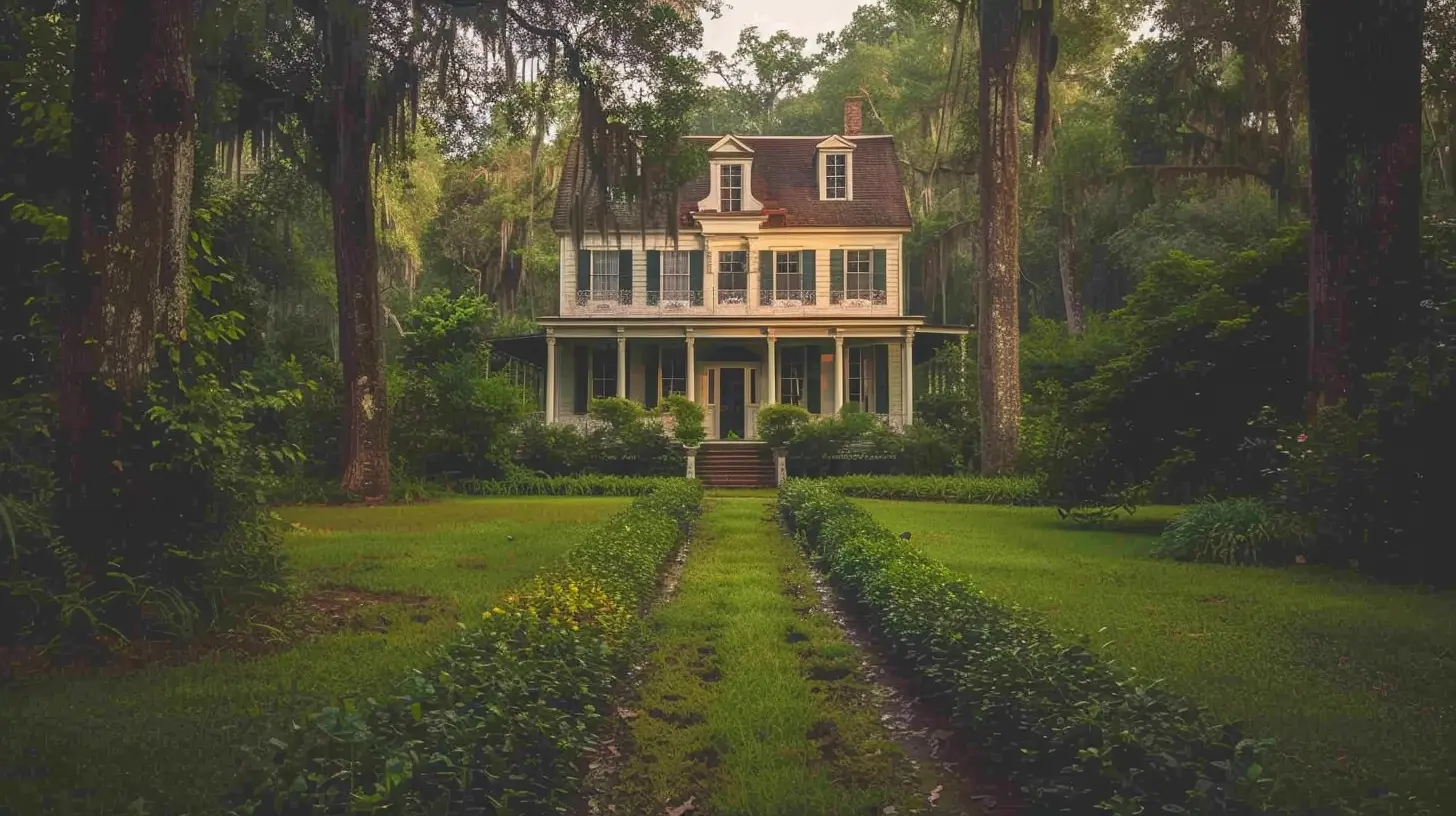
2. The White House – A Home of Leadership and Ghostly Legends
Location: Washington, D.C.Year Built: 1792
The White House is arguably the most famous residence in America. Home to every U.S. president since John Adams, this neoclassical mansion has witnessed some of the most significant events in the country’s history.
But did you know it’s also rumored to be haunted? Several accounts from staff, visitors, and even past presidents describe eerie encounters. Abraham Lincoln’s ghost is said to be the most active, with numerous reports of sightings in the Lincoln Bedroom. Winston Churchill, while staying at the White House, reportedly saw Lincoln’s apparition and refused to sleep in that room again.
Beyond the ghost stories, the White House has endured fires, wars, and countless political decisions. It truly is a home where history continues to unfold.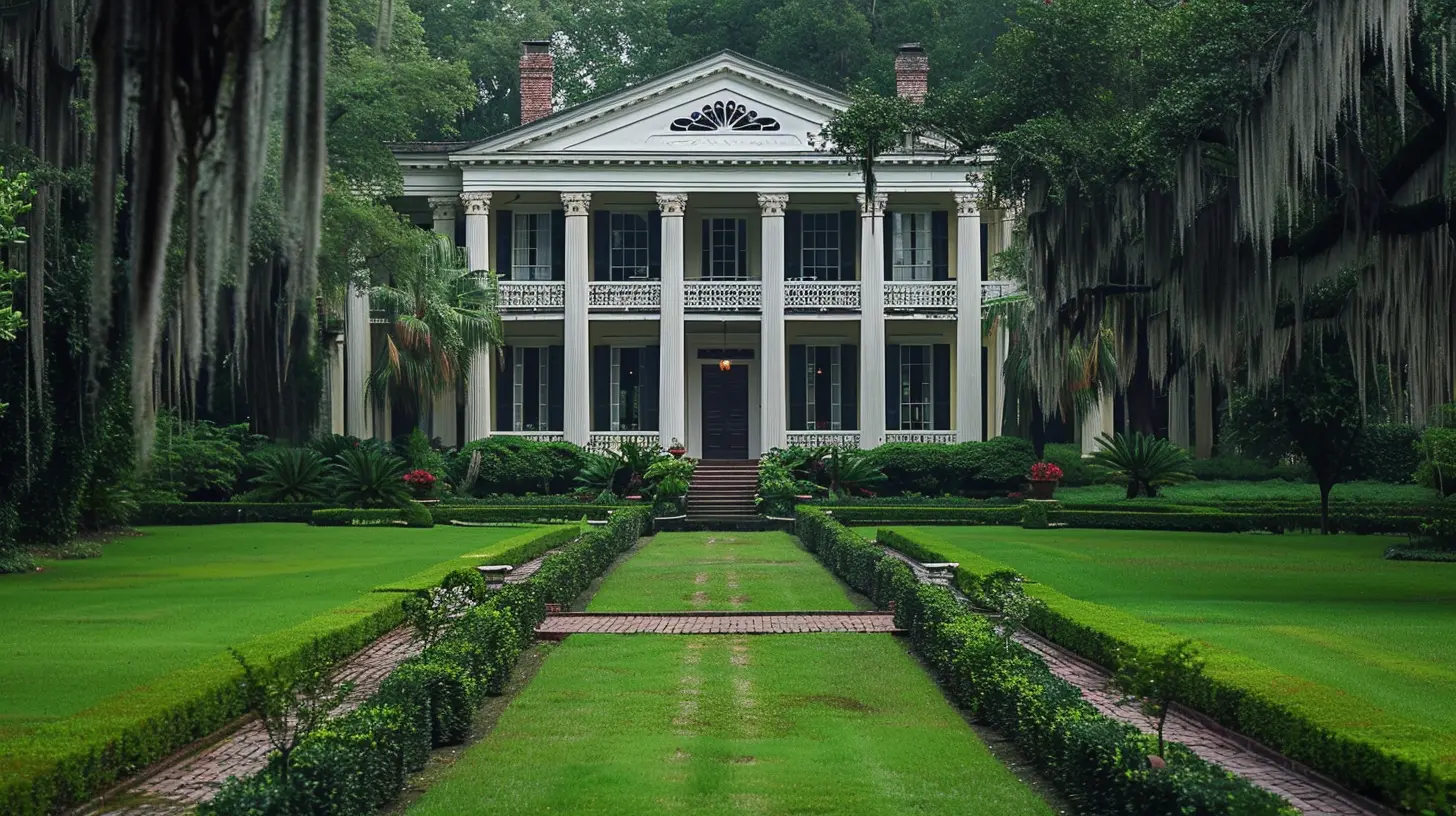
3. The Biltmore Estate – America’s Largest Home
Location: Asheville, North CarolinaYear Built: 1895
If you ever dreamed of stepping into a real-life fairytale, the Biltmore Estate is as close as it gets. Built by George Washington Vanderbilt II, this 250-room mansion is the largest privately owned home in the U.S.
The Vanderbilt family’s wealth allowed them to create a luxurious world within their estate. Designed with grand ballrooms, a stunning library, and breathtaking gardens, the Biltmore was built to impress. But beyond its opulence, the estate also played a role in supporting the community—acting as a research center for agriculture and forestry.
Today, the Biltmore remains a popular attraction, offering visitors a glimpse into the life of America’s Gilded Age elite.
4. Fallingwater – Frank Lloyd Wright’s Masterpiece
Location: Mill Run, PennsylvaniaYear Built: 1935
Imagine waking up to the sound of a waterfall beneath your house. That’s the reality at Fallingwater, the architectural gem designed by Frank Lloyd Wright.
Built for the Kaufmann family, Fallingwater is one of the world’s most famous examples of organic architecture. Wright designed the home to blend seamlessly with its surroundings, incorporating natural stone, open spaces, and even a running stream that flows through the house.
Despite its beauty, Fallingwater wasn’t always easy to maintain. Structural issues and the toll of nature required extensive restoration. Today, the house stands as a testament to Wright’s genius and continues to inspire architects worldwide.
5. The Breakers – A Gilded Age Palace
Location: Newport, Rhode IslandYear Built: 1895
If you think today’s luxury mansions are extravagant, wait until you hear about The Breakers. Built by Cornelius Vanderbilt II, this enormous 70-room summer home is the definition of excess.
Designed in the Italian Renaissance style, The Breakers was meant to showcase the Vanderbilt family's immense wealth. The mansion features gold-adorned ceilings, intricate marble work, and sweeping ocean views. It truly epitomized the lavish lifestyles of America’s elite during the late 19th century.
While the Vanderbilt fortune has long faded, The Breakers continues to stand as a reminder of a bygone era of luxury and opulence.
6. The Anne Frank House – A Secret Hiding Place
Location: Amsterdam, NetherlandsYear Built: 1635
Not all historic homes are grand mansions. Some, like the Anne Frank House, carry a more somber, yet significant, history.
During World War II, Anne Frank and her family hid from the Nazis in a secret annex within this house. While confined to this hidden space, Anne wrote her now-famous diary, detailing her thoughts, hopes, and fears.
Tragically, the Frank family was eventually discovered and sent to concentration camps, but Anne’s diary survived. Today, the Anne Frank House is a museum, reminding visitors of the horrors of war and the resilience of the human spirit.
7. Monticello – Thomas Jefferson’s Architectural Marvel
Location: Charlottesville, VirginiaYear Built: 1772
Thomas Jefferson wasn’t just the third president of the United States—he was also an architect. His home, Monticello, is a reflection of his intellect and creativity.
Inspired by European architecture, Monticello features intricate details, hidden innovations, and a vast plantation. However, its history is complex. While Jefferson championed liberty, Monticello was also home to hundreds of enslaved individuals, including Sally Hemings, with whom Jefferson is believed to have had children.
Today, Monticello serves as both a historical landmark and a place of education, shedding light on America’s complicated past.
Why Historic Homes Matter
Historic homes are more than just old buildings—they are storytellers. They connect us to the past, showing us how people lived, what they valued, and how history unfolded within their walls.Whether it’s the mystery of the Winchester House, the political legacy of the White House, or the heartbreaking history of the Anne Frank House, these homes give us tangible links to history. They remind us that every place has a story waiting to be told.
Next time you see an old house, take a moment to wonder: What stories could it tell if its walls could speak?
all images in this post were generated using AI tools
Category:
Historic HomesAuthor:

Kingston Estes
Discussion
rate this article
2 comments
Kendra Adkins
Captivating insights into architectural history!
March 24, 2026 at 4:40 AM
Kingston Estes
Thank you! I'm glad you found the insights captivating.
Harmony Lawson
This article beautifully highlights the rich narratives woven into historic homes, reminding us that each residence is a testament to its era and the people who lived there. It's fascinating to see how architecture tells stories, connecting us to our shared cultural heritage.
March 8, 2026 at 3:39 AM
Kingston Estes
Thank you so much! I'm glad the stories of these homes—and the lives within them—resonated with you.