Tiny Homes: The Future of Affordable Housing
29 June 2026
Let’s face it: housing prices aren’t getting any cheaper. Whether you’re a first-time buyer, a downsizing empty-nester, or just someone tired of renting, you’ve probably noticed how difficult it is to find something that won’t completely drain your bank account. Enter the tiny home movement—the surprisingly cozy, creative, and cost-effective answer to this growing problem.
Tiny homes have exploded in popularity over the last decade, and for good reason. They’re not just a trend or a quirky lifestyle choice anymore. For many, they represent a genuine solution to the housing crisis. So, what’s the big deal about these little houses? Let’s dive in and see why tiny homes are stepping into the spotlight as the future of affordable housing.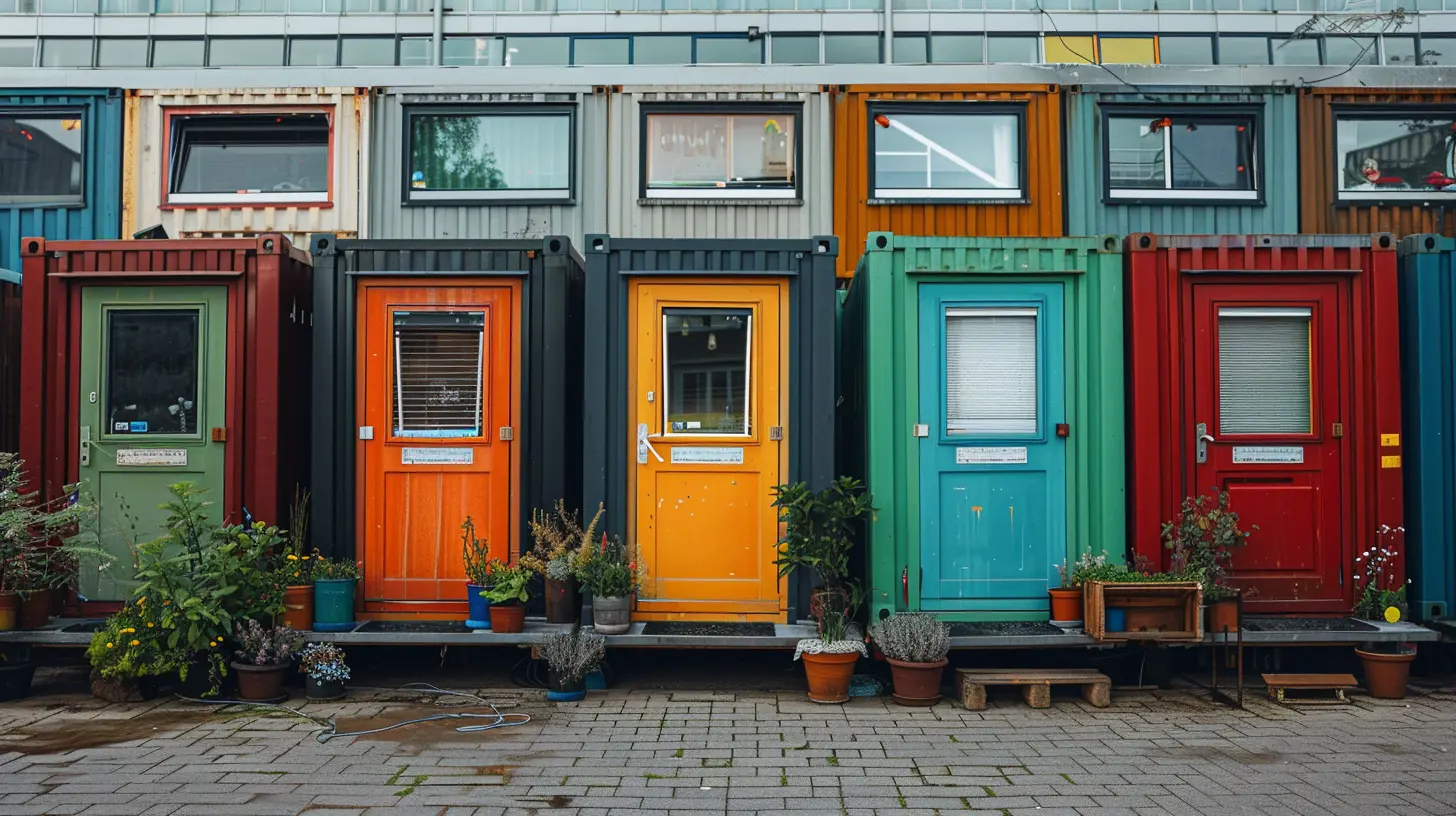
What Exactly Is a Tiny Home?
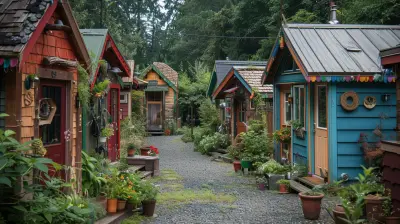
You’ve probably seen them on TV, Pinterest, or maybe even parked on someone’s backyard. But in simple terms, a tiny home is a compact house generally ranging from 100 to 400 square feet. That’s smaller than most studio apartments!Despite their modest size, tiny homes are cleverly designed to maximize every inch of space. Think multipurpose furniture, loft bedrooms, hidden storage, and open-concept layouts. It’s like living in a life-sized version of a Swiss Army knife.
There are several types of tiny homes:
- Tiny Houses on Wheels (THOWs) – mobile options that can be towed and relocated with ease
- Tiny Houses on Foundations – stationary structures like any other home, just more compact
- Container Homes, Cabins, or Converted Sheds – using recycled or unconventional materials to create a personalized living space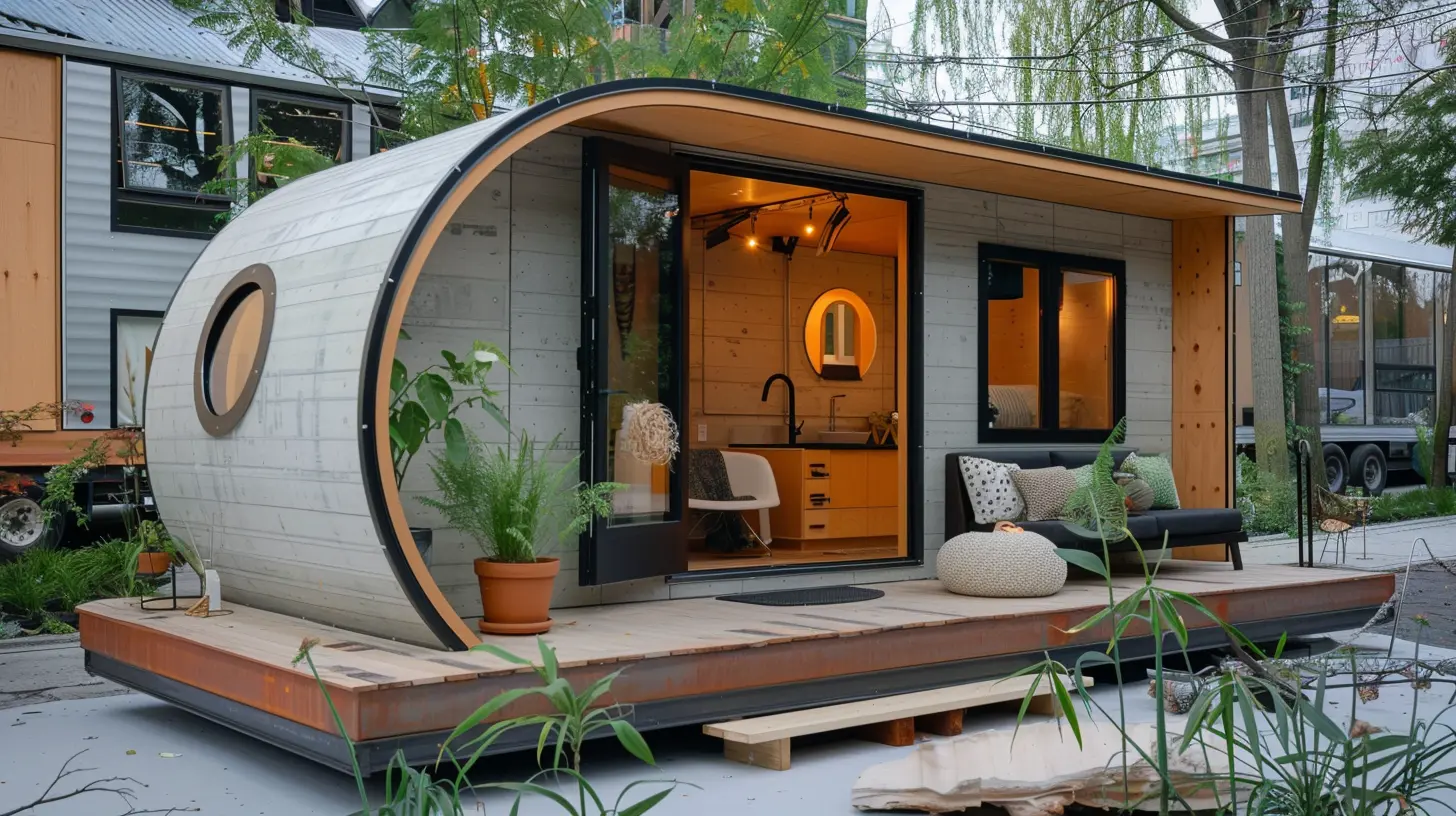
Why Are Tiny Homes Gaining Popularity?
There’s no denying it—tiny homes are having a serious moment. But it’s not just hype. There are real, practical reasons people are making the switch.1. Dodge the Debt Trap
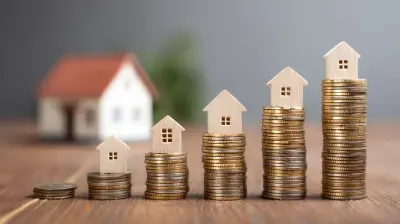
Let’s start with the obvious—tiny homes are way cheaper than traditional houses. According to cost averages, a standard home in the U.S. runs upwards of $350,000 (and often much more depending on the location), while a tiny home typically costs between $30,000 to $80,000. For many people, that price difference is life-changing.Think about it: a tiny home often eliminates or drastically reduces the need for a mortgage. Less debt? Yes, please.
2. Lower Ongoing Expenses
Not only is the initial cost of a tiny home lower, but so are the monthly bills. Heating, cooling, and maintaining a smaller space uses way fewer resources. You’ll find yourself cutting your utility bills, upkeep, and maintenance costs in half—or more.Plus, many tiny homeowners use solar panels and composting toilets, further cutting down costs and increasing sustainability.
3. Say Goodbye to Stuff Overload
Ever feel like you’re drowning in your own belongings? Living small nudges you (or, let’s be honest, forces you) to downsize and simplify.But that’s not a bad thing. Living with less clutter can mean living with less stress. You’ll start focusing on what you truly value—experiences over material things.
4. Freedom and Flexibility
One of the coolest aspects of tiny homes—especially the mobile ones—is the freedom they offer. Want to move to a new city? Or maybe live near the beach for a year? Tiny home? No problem.This lifestyle offers a unique level of flexibility that traditional homeowners just don’t have.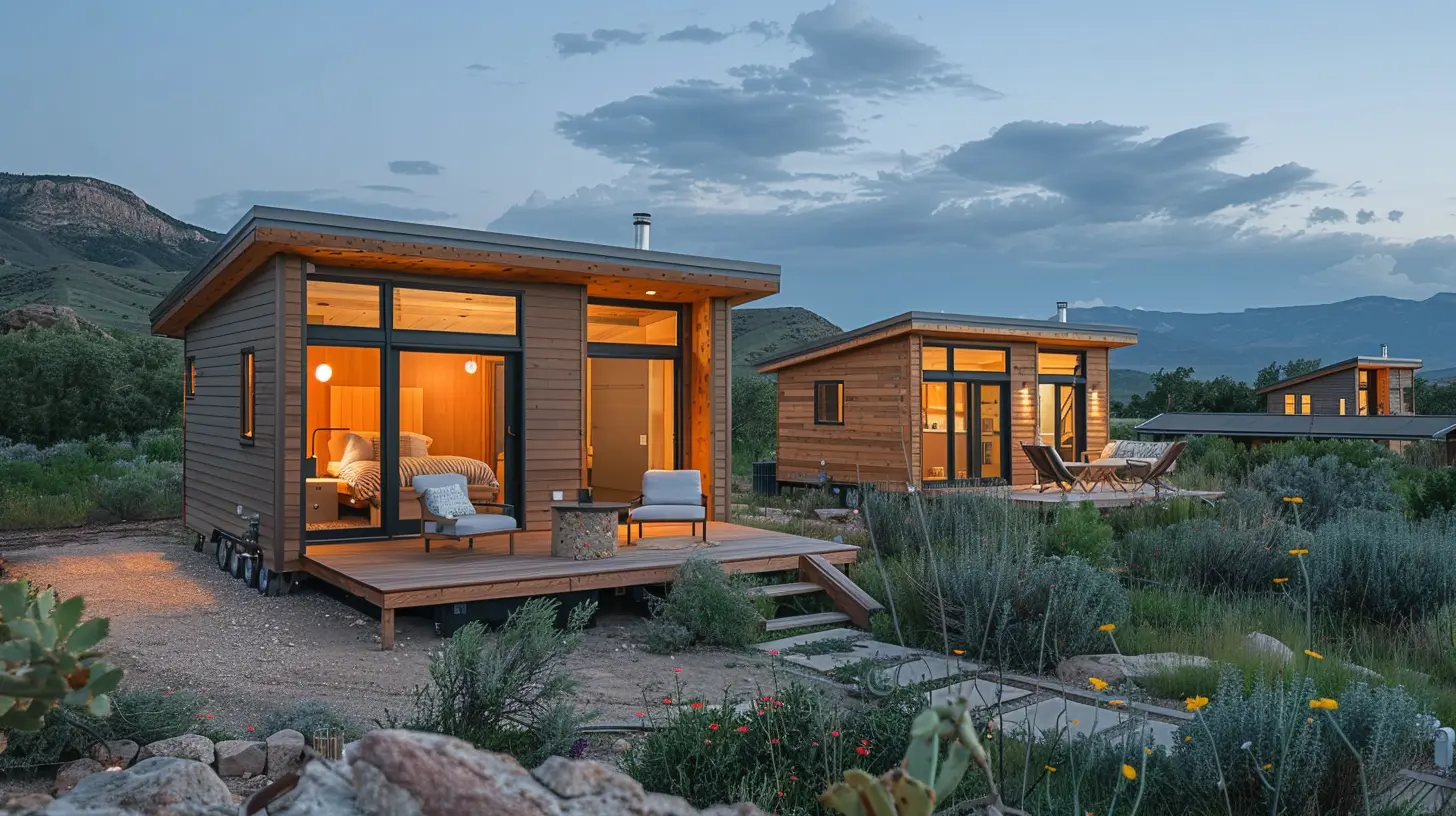
Are Tiny Homes Really a Long-Term Housing Solution?
Great question. The idea of living in a small space seems charming on the surface, but can it realistically replace traditional housing options, especially for families or long-term living?The Short Answer: Yes, but it depends.
Tiny homes aren’t for everyone—and that’s okay. But for a massive slice of the population, they offer a viable alternative to overpriced housing and endless renting cycles.Cities and developers are starting to catch on. Across the country, there are growing numbers of tiny home communities designed for retirees, veterans, people experiencing homelessness, and budget-conscious individuals who just want a simpler way of life.
In fact, some municipalities are even incentivizing tiny home developments to address affordable housing shortages.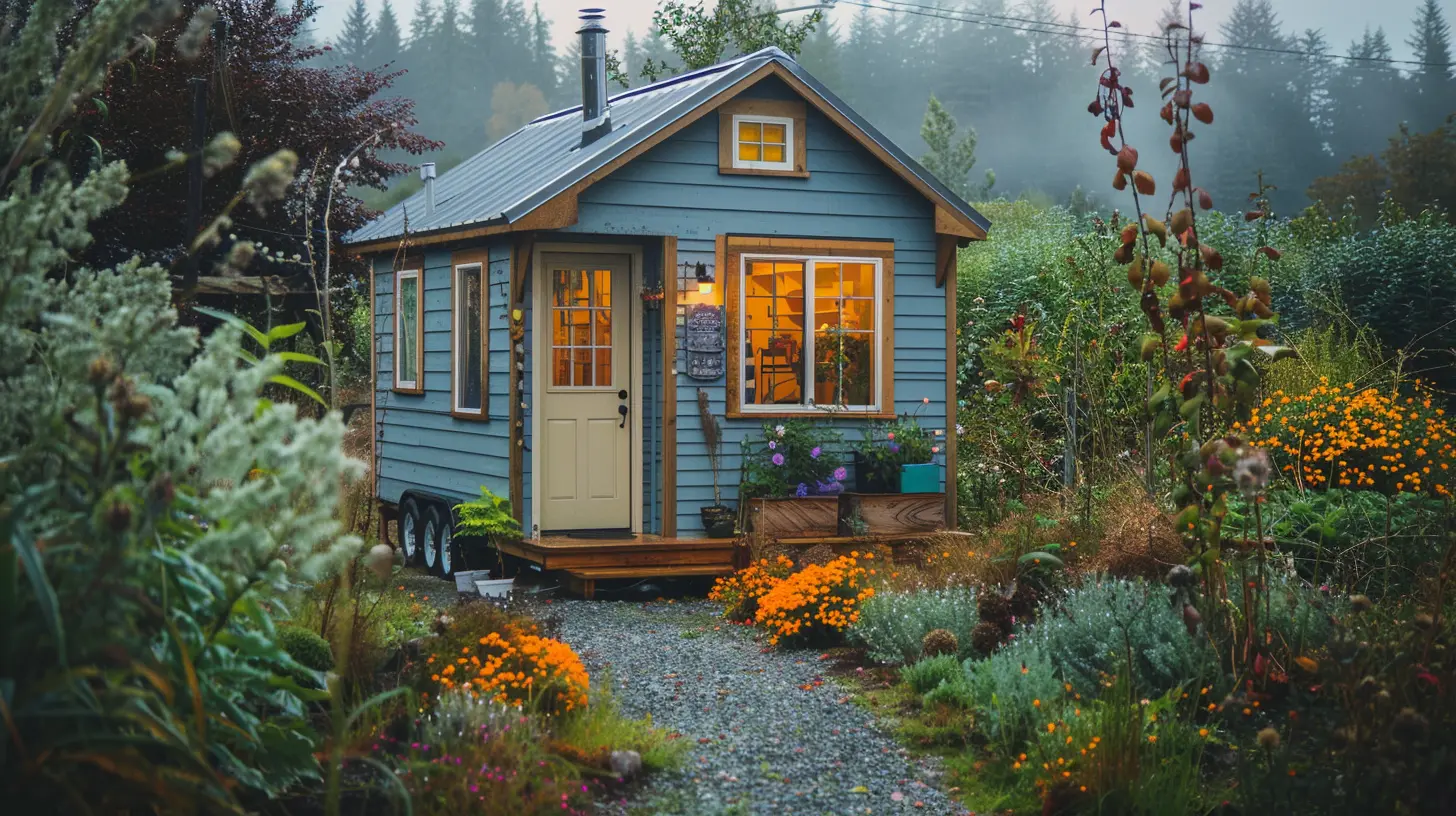
The Environmental Bonus
If you’re the eco-conscious type (or trying to be), tiny homes come with a long list of green perks.Smaller Size = Smaller Carbon Footprint
Less space means fewer materials during construction and less energy consumption long-term. That’s a win for both your wallet and the planet.Off-Grid Living
Many tiny homeowners go fully off-grid, using solar panels, greywater systems, and composting setups. It's not just trendy—it’s an effective way to reduce dependence on traditional utilities.Minimal Waste
With less room to store unnecessary items, tiny home dwellers tend to buy less and waste less. Over time, that kind of lifestyle shift adds up in a big way.Challenges of Tiny Living (It’s Not All Sunshine and Rainbows)
Okay, let’s keep it real. Tiny living isn’t perfect. There are some legitimate challenges to consider before you go all-in.Zoning and Legal Restrictions
This one’s a biggie. Tiny homes often face tricky zoning laws. Many cities don’t yet know how to classify them, especially the mobile types, which can make it hard to find legal places to park or live long-term.However, just like any newer trend, legislation is slowly catching up. More areas are beginning to adapt regulations to accommodate tiny dwellings.
Limited Space (Duh)
It’s no surprise that living in 300 square feet can feel a bit… snug. You have to be okay with a minimalist lifestyle. Forget walk-in closets or formal dining rooms—tiny homes are all about functionality over frills.Privacy and Personal Space
If you’re cohabiting in a tiny home with a partner, family, or even pets, personal space is limited. Arguments might feel magnified, and you have to be really intentional about communication and boundaries.Who Can Benefit Most From Tiny Homes?
The beauty of tiny homes is that they aren’t “one size fits all,” yet they have something for everyone. Here are a few groups that can benefit big time from tiny living:- Young Professionals/First-Time Buyers – affordable entry point into homeownership
- Retirees – simplified living with less upkeep and expense
- Minimalists – intentional living focused on quality, not quantity
- Digital Nomads – mobile lifestyle + home = dream combo
- Eco-Warriors – sustainable housing without compromise
The Rise of Tiny Home Communities
So here’s something exciting: tiny home living isn’t just an individual thing anymore. All across North America, developers and governments are creating entire communities centered around tiny homes.These “villages” offer shared amenities like gardens, clubhouses, walking trails, and more—think of them as walkable, close-knit neighborhoods but with a lighter environmental and financial footprint.
Communities like these offer a powerful sense of belonging, which helps offset one of the biggest concerns with living small: feeling isolated.
Can Tiny Homes Help Solve the Housing Crisis?
Short answer: They can help, but they aren't a silver bullet.Still, tiny homes are an excellent option in a toolbox of varied housing solutions. They play a major role in reducing barriers to homeownership, particularly for marginalized or low-income groups.
Cities facing housing shortages and rising homelessness are increasingly exploring tiny homes as transitional or even permanent housing. It’s an innovative, cost-effective way to help people find shelter, stability, and dignity.
Tips for Getting Started with Tiny Living
Tempted to downsize? Before you jump headfirst into the tiny life, take a step back and plan carefully. Here are a few tips:1. Visit a Tiny Home First – Walk through one. Get a feel for the space.
2. Start Downsizing Now – You’ll be amazed at how much stuff you actually own that you don't need.
3. Research Zoning Laws in Your Area – Know what’s allowed before you invest.
4. Decide: Mobile or Stationary? – Think about your lifestyle needs.
5. Set a Budget – Tiny homes are cheaper, but costs can still add up—especially with customization.
Final Thoughts
Tiny homes aren’t just about saving money—they’re about gaining freedom. Financial freedom. Mental freedom. And for many, a chance to take back control of their lives.They offer a beautifully simple, smart way to live that challenges the idea that “bigger is better.” Sure, they may not be for everyone, but they are absolutely part of the future of affordable housing—and maybe even the future of your homeownership journey.
If you're dreaming of owning a home without being owned by your mortgage, it might be time to think small. Because sometimes, less really is more.
all images in this post were generated using AI tools
Category:
Tiny HomesAuthor:

Kingston Estes
Discussion
rate this article
1 comments
Ethan Larsen
Tiny homes are like living in a cozy suitcase-perfect for minimalists and people who promise they'll finally declutter. Just remember, the only thing you can't store is your sense of personal space!
July 2, 2026 at 2:34 AM