Try Before You Buy: New Lease-to-Own Property Listings
26 January 2026
Buying a home is one of the biggest financial decisions you'll ever make. But what if you could take a house for a "test drive" before making a full commitment? That’s exactly what lease-to-own property listings offer—an opportunity to rent a home while working toward ownership. This approach is gaining traction, especially among potential homeowners who aren’t quite ready to buy but want to secure their future home.
In this guide, we’ll dive deep into the world of lease-to-own properties, discussing the benefits, potential pitfalls, and how to find the best listings.

What Is Lease-to-Own?
Lease-to-own, also known as rent-to-own, is a housing agreement where tenants have the option (or obligation) to buy the property after a specified rental period. Essentially, it combines renting and buying into one, allowing future homeowners to live in the house while building up to a purchase.This option is an excellent middle ground for those who might need more time to save for a down payment, improve their credit score, or simply ensure the home is the right fit before making a long-term commitment.

How Does Lease-to-Own Work?
The lease-to-own process involves two key agreements:1. Lease Agreement – This outlines the terms of the rental, including rent amount, duration, and maintenance responsibilities.
2. Option Contract – This gives the tenant the right to purchase the home at a predetermined price after the lease term.
During the lease period, tenants typically pay rent along with an option fee or rent premium, which goes toward the home’s purchase price if they decide to buy. This means a portion of your rent acts as a built-in savings plan for your future home.
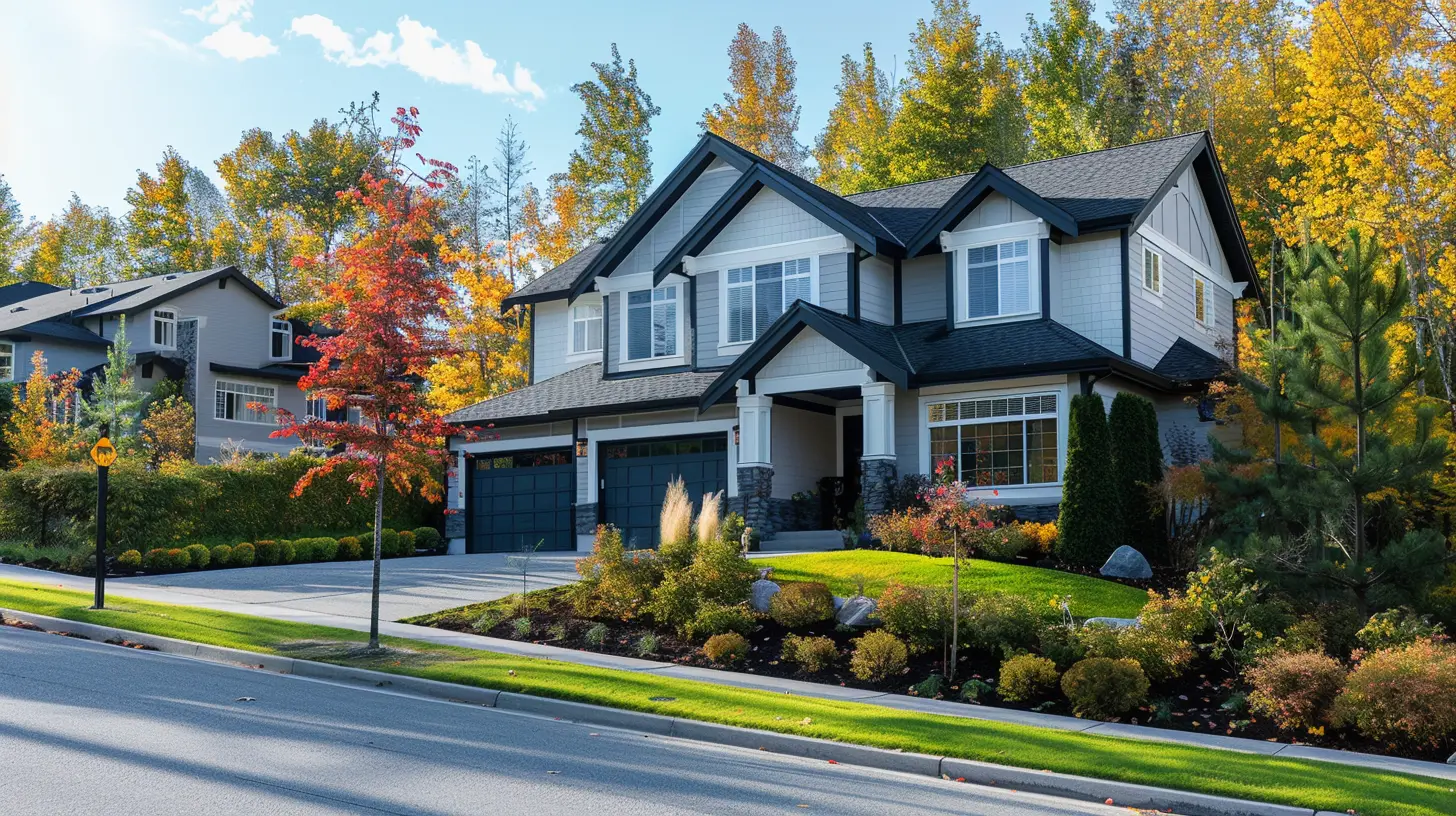
Benefits of Lease-to-Own Homes
So, why consider a lease-to-own home instead of diving straight into the buying process? Here are some compelling reasons:1. Live in the Home Before Committing
Ever bought something only to regret it later? A house isn’t something you want to second-guess. With lease-to-own, you get to experience the home, neighborhood, and overall lifestyle before officially signing on the dotted line.2. Time to Improve Your Finances
If your credit score isn’t quite where it needs to be for a mortgage, a lease-to-own agreement gives you time to boost your credit and save for a larger down payment. This can lead to better mortgage rates down the road.3. Lock in the Purchase Price
In a growing real estate market, prices can fluctuate dramatically. Lease-to-own contracts typically lock in a purchase price at the start of the lease, meaning you won’t have to worry about market inflation driving up costs.4. Build Equity While Renting
Unlike traditional renting, where payments go directly to the landlord, lease-to-own agreements often allow a portion of the rent to count toward the home’s purchase. It's like investing in your future home while still renting.5. Move in Sooner
If you’ve found the perfect home but aren't mortgage-ready yet, lease-to-own allows you to move in immediately and start making it your own.
Potential Pitfalls to Watch Out For
While lease-to-own properties have plenty of advantages, they’re not without risks. It’s essential to weigh the potential downsides before signing a contract.1. Non-Refundable Fees
The option fee and rent premiums are usually non-refundable if you choose not to buy the property. This means you could lose the money you've put toward ownership.2. Obligation to Buy (In Some Cases)
Some lease-to-own agreements include a clause that requires the tenant to purchase the home at the end of the lease. If circumstances change and you can’t afford the home, you may face legal and financial consequences.3. Maintenance Responsibilities
Unlike traditional renting, where landlords handle most repairs, lease-to-own tenants might be responsible for maintenance costs—sometimes even major repairs. Always clarify maintenance terms before signing.4. Higher Rent Payments
Since a portion of your rent goes toward the home’s purchase, lease-to-own arrangements often come with higher monthly payments. Be sure the costs fit within your budget.5. Market Fluctuations
While locking in a purchase price can be beneficial, it can also be risky if the market declines. You might end up paying more than the home’s worth at the end of your lease.How to Find the Best Lease-to-Own Listings
Finding the right lease-to-own property takes more effort than a standard rental or home purchase. Here’s how to secure the best deal:1. Work with a Real Estate Agent
Not all listings clearly advertise lease-to-own options, so working with an agent who specializes in these agreements can give you access to hidden opportunities.2. Use Online Platforms
Websites like Zillow, Rent-to-Own Labs, and local real estate listings often feature lease-to-own properties. You can filter results to match your budget and location preferences.3. Contact Homeowners Directly
Some homeowners struggling to sell their property might be open to a lease-to-own arrangement, even if it’s not initially advertised. If you see a home you love, don’t be afraid to ask.4. Get the Agreement in Writing
Never rely on verbal agreements. Ensure all terms, including the purchase price, lease duration, and maintenance responsibilities, are clearly documented.5. Hire a Real Estate Lawyer
Lease-to-own contracts can be complex. Having a lawyer review the documents can help you avoid hidden clauses and unexpected costs.
Is Lease-to-Own Right for You?
A lease-to-own agreement isn’t for everyone, but it can be an excellent solution in certain situations. Consider this option if:✔️ You need time to improve your credit before qualifying for a mortgage.
✔️ You want to lock in a purchase price in a rising market.
✔️ You’re committed to buying a home but need flexibility.
✔️ You want to test out a neighborhood before settling permanently.
However, if you’re uncertain about homeownership or your financial situation is unstable, a traditional rental or waiting to buy might be a safer option.
Final Thoughts
Lease-to-own properties offer an exciting alternative for aspiring homeowners who need time to get their finances in order. It’s like a trial run for homeownership—giving you the opportunity to live in your future home before fully committing.That said, it’s crucial to approach this opportunity with caution. Read every detail of the contract, work with professionals, and ensure you’re financially ready. If done right, lease-to-own can be a stepping stone to achieving your dream of homeownership without the immediate pressure of a mortgage.
Would you consider a lease-to-own agreement? Let us know your thoughts in the comments below!
all images in this post were generated using AI tools
Category:
Property ListingsAuthor:

Kingston Estes
Discussion
rate this article
2 comments
Jack Rivera
The lease-to-own model offers potential buyers flexibility and a chance to experience a property before committing. However, it's crucial to scrutinize lease terms and financial implications carefully—missteps can lead to long-term challenges outweighing short-term benefits.
February 15, 2026 at 5:42 AM
Kingston Estes
Absolutely, careful evaluation of lease terms and financial factors is essential in the lease-to-own process to ensure it benefits buyers in the long run.
Lillian Oliver
Why date a house when you can date the neighborhood? With lease-to-own, it's like swiping right on your dream home – no awkward first dinner required!
January 28, 2026 at 5:17 AM
Kingston Estes
Great analogy! Lease-to-own truly lets you explore your dream home and its surroundings without the pressure of a long-term commitment.