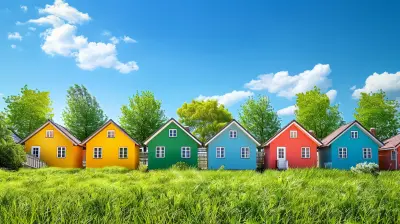
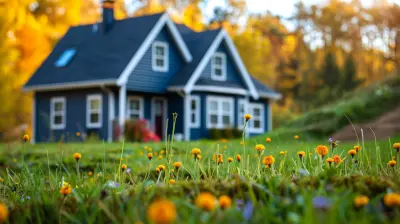
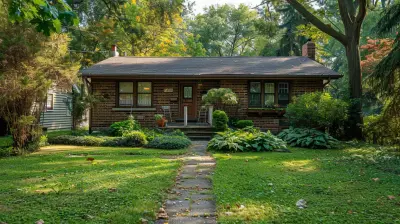
Why Millennials Are Falling in Love with Historic Homes
14 June 2026
Introduction
Millennials, the generation famous for loving avocado toast and ditching cable TV, are making waves in the real estate market. But here's the twist—they’re not just snapping up sleek modern condos. Nope. Instead, they’re falling head over heels for historic homes.
Why are they embracing these vintage beauties instead of going for brand-new builds? From the charm of old-world craftsmanship to sustainability and community roots, there’s more to it than just aesthetics. Let’s dive deep into why millennials can’t resist the allure of historic homes.
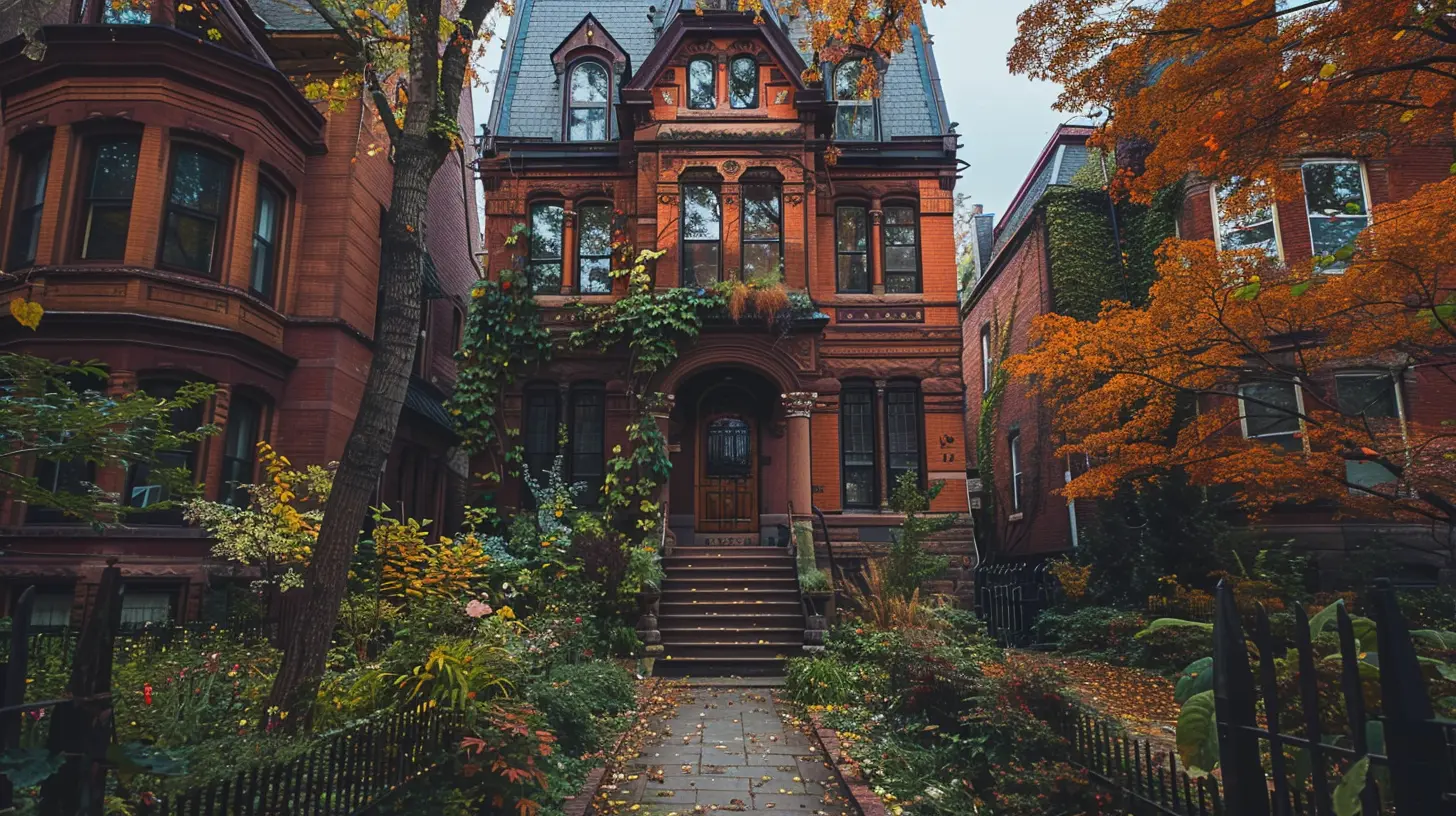
1. The Irresistible Charm of History
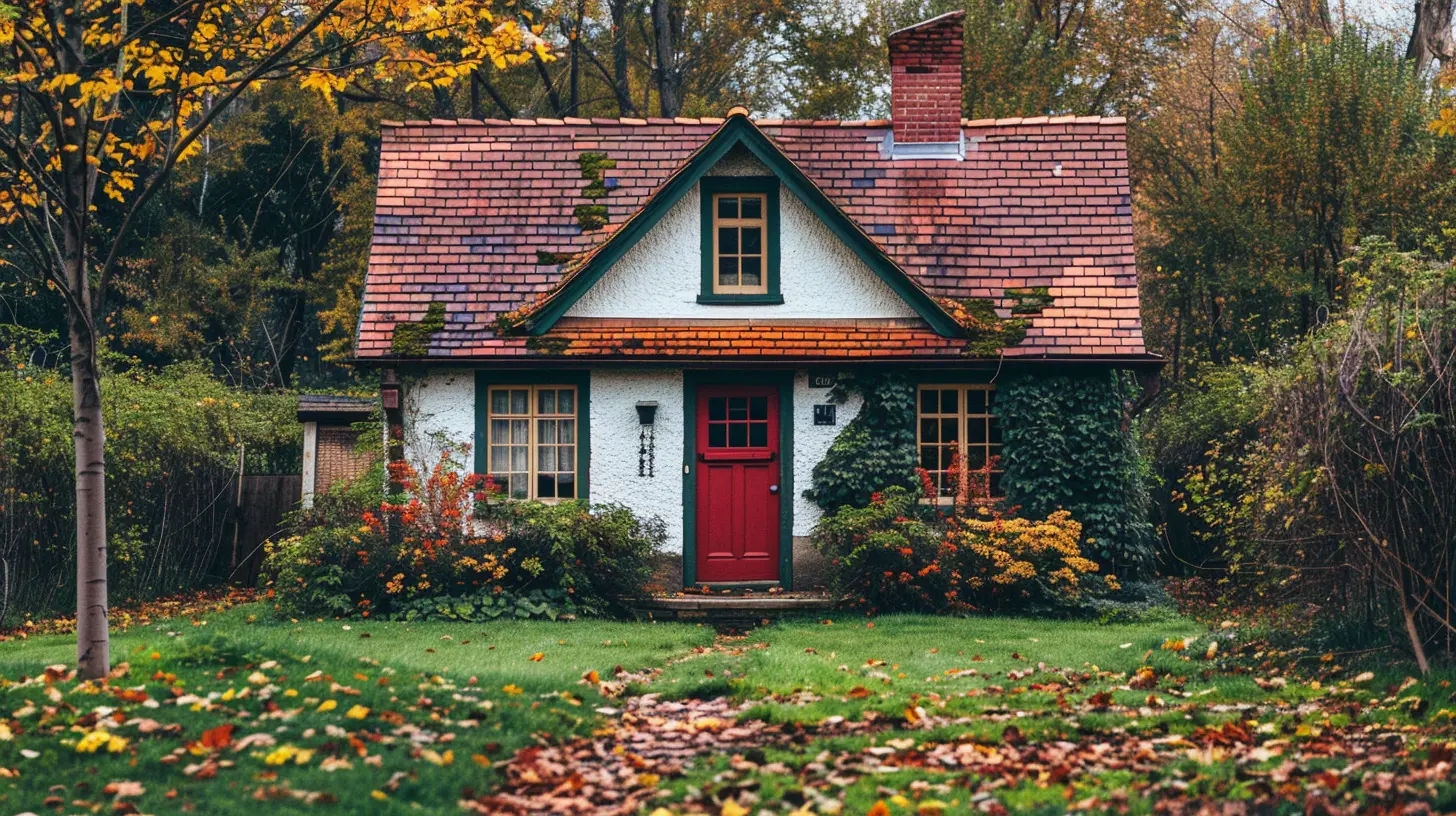
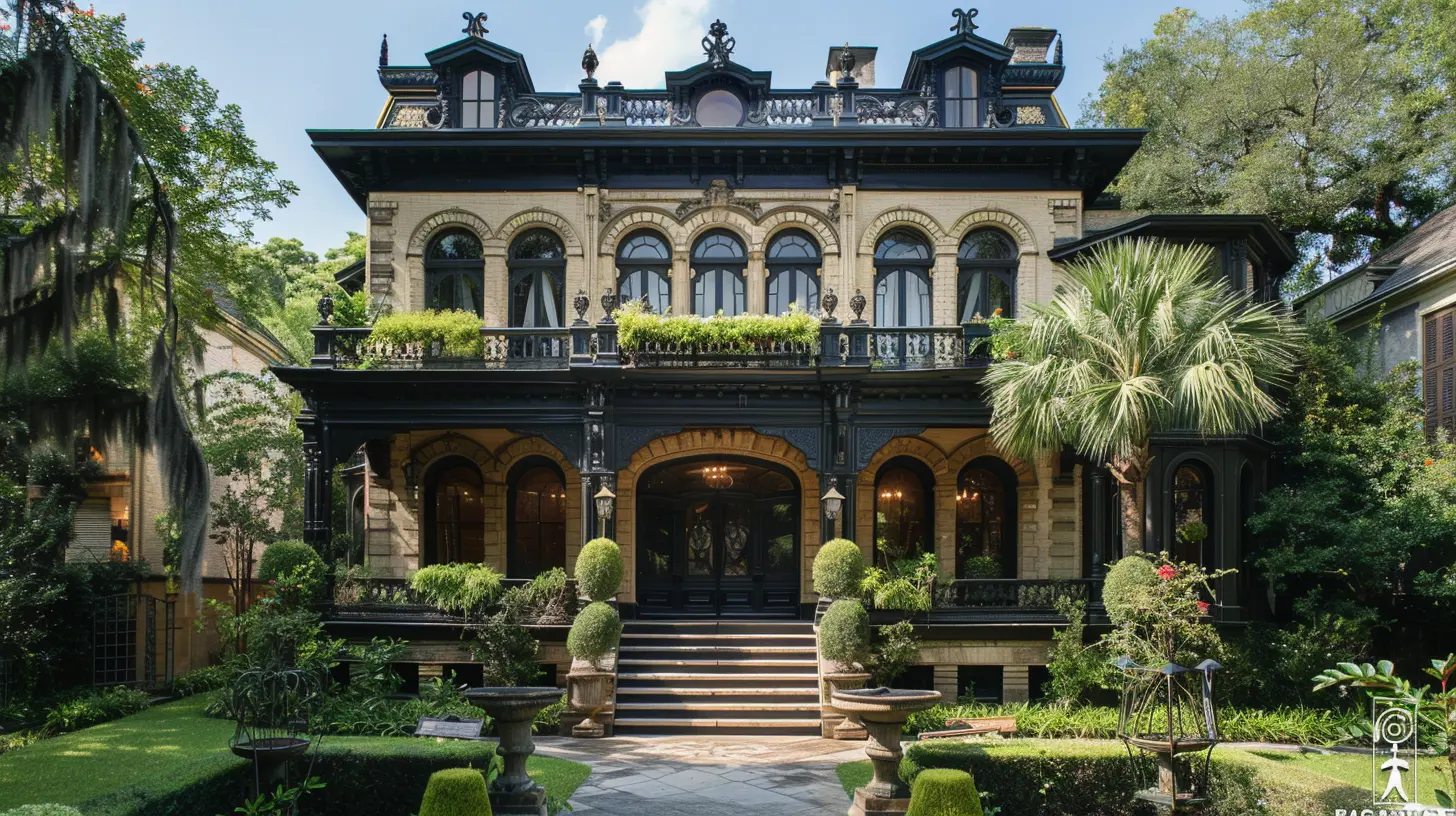
There’s something undeniably magical about walking through a home with a past. You can almost hear the stories whispered through the walls, feel the character in the creaky wooden floors, and see the craftsmanship in those intricate crown moldings.Unlike cookie-cutter modern houses, historic homes ooze personality. They stand as living testaments to the past, whether it's a Victorian masterpiece, a Colonial gem, or a Craftsman bungalow. Each home has its own unique quirks—wraparound porches, original fireplaces, or even a hidden servant’s staircase. Millennials love the idea of being caretakers of history, preserving these homes for future generations.
2. Quality Over Quantity—Built to Last
Let’s be honest—homes built a century ago were made to endure. Back then, builders used high-quality materials like solid hardwood, plaster walls, and sturdy brick that can withstand the test of time. Today’s new builds? Many are mass-produced using cheaper, less durable materials.Millennials, a generation plagued by economic uncertainty, want homes that will last. They're putting their hard-earned money into properties with solid bones instead of houses that might need major repairs in just a couple of decades. When they find a historic home that has stood strong for over 100 years, they know they’re getting something truly special.
3. The Sustainability Factor
Millennials are undeniably an eco-conscious bunch. From reusable shopping bags to electric vehicles, they prioritize sustainability in their daily lives. That mindset extends to their home-buying choices as well.Renovating and maintaining a historic home is actually a green choice. Instead of demolishing an old house and contributing to landfill waste, millennials are choosing to restore and repurpose existing structures. They’re reducing environmental impact by using reclaimed materials, upgrading insulation, and installing energy-efficient systems without sacrificing the home’s historic charm.
It’s the ultimate version of “reduce, reuse, recycle”—but with stunning woodwork and stained-glass windows.
4. The Desire for a Sense of Community
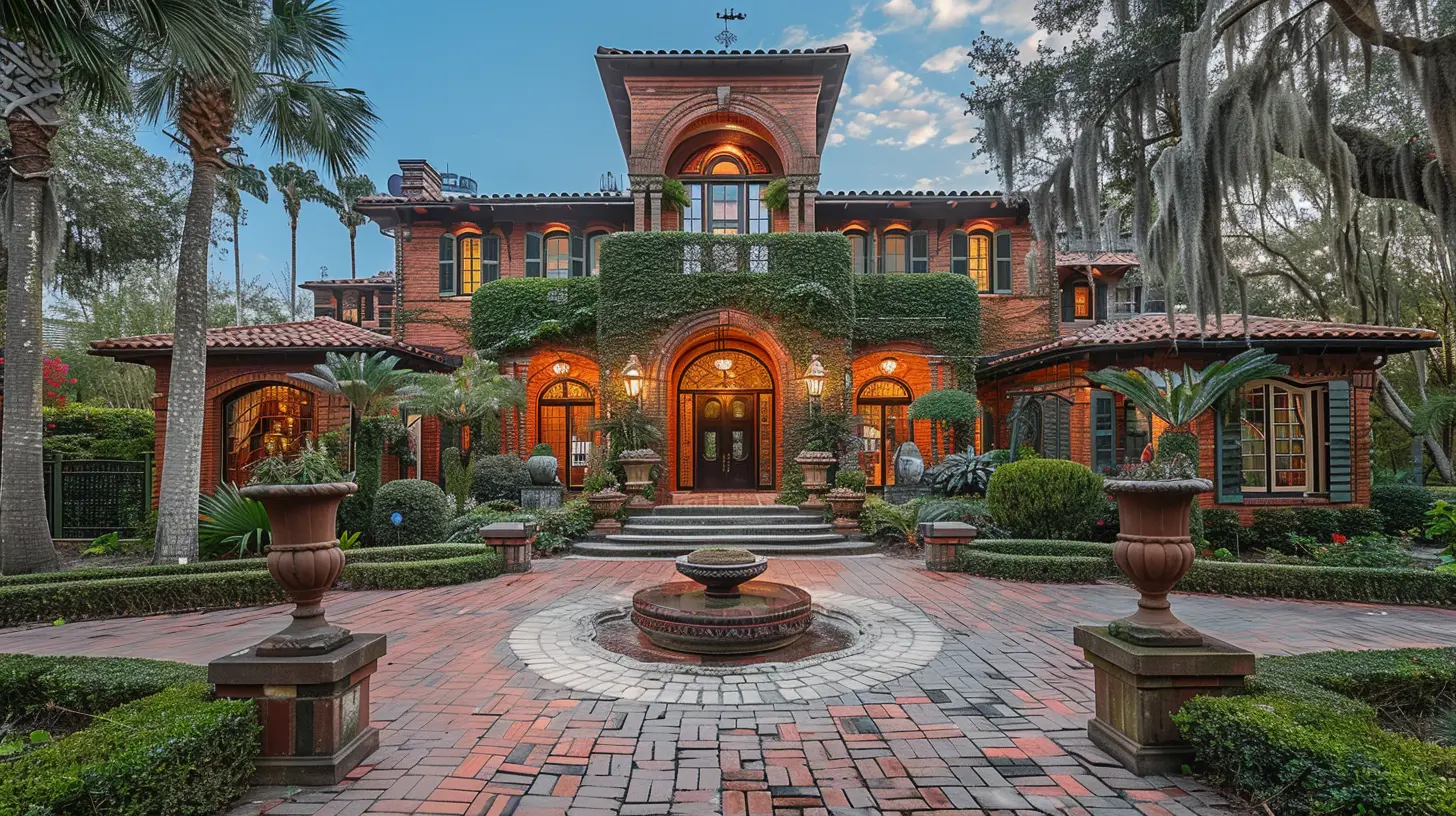
Historic neighborhoods often have a strong sense of community. They’re walkable, filled with mature trees, and packed with local businesses rather than big-box stores. Millennials value experiences over possessions, and living in a historic district often means being close to farmers' markets, coffee shops, and locally owned boutiques.Unlike new suburban developments, where houses look nearly identical, historic neighborhoods have diverse architecture and a rich cultural heritage. People tend to stay in these communities long-term, fostering tight-knit relationships. Millennials, who crave authentic connections, are drawn to these charming, established neighborhoods.
5. Affordability in Some Markets
You might think that historic homes would come with an outrageous price tag, but in many cases, they’re actually more affordable than new construction. In some cities, fixer-upper historic homes sell for less than newly built houses, making them an attractive option for budget-conscious millennials looking to get into homeownership.Sure, these homes may need some TLC, but with renovation loans and DIY enthusiasm, many millennials are willing to take on the challenge. And let’s not forget—restoring a historic home adds value over time, potentially leading to a great return on investment.
6. The “Instagram-Worthy” Appeal
We can’t overlook the impact of social media. Let’s face it—millennials are obsessed with aesthetics, and historic homes offer plenty of picture-perfect moments. Who wouldn’t want to snap a photo in front of a vintage clawfoot bathtub or under an original crystal chandelier?Restoration projects also make great social media content. Millennials love to document their remodeling journeys on blogs, YouTube, and Instagram, turning their fixer-upper projects into viral sensations. These homes allow them to express creativity while sharing the renovation process with an eager online audience.
7. Investing in a Unique Home—Not a Generic One
Millennials value individuality. They don’t want the same house as their neighbor. They appreciate homes with unique touches, intricate woodwork, and details that don’t exist in modern designs.Historic homes aren’t just places to live; they’re works of art. They tell a story through their architecture, and millennials want to be part of that narrative. Instead of blending in, they’re investing in homes with character, where no two houses are exactly alike.
8. Financial Incentives and Tax Benefits
One major perk of buying a historic home? The financial incentives. Many cities and states offer grants, tax credits, or lower-interest loans for owners who restore historic properties.For millennials who may be struggling with student loan debt, these incentives make restoring a historic home even more appealing. Whether it's property tax freezes or funding for preservation efforts, these benefits make it easier (and more affordable) to maintain the charm of an old home.
9. Remote Work and More Housing Options
With many millennials now working remotely, the idea of buying a home in a historic small town or city has gained traction. They’re no longer tethered to expensive, high-rise apartments in urban centers. Instead, they can buy a charming historic home in a less expensive location and still maintain career stability.By choosing a historic home in a smaller city or town, millennials find better affordability while enjoying a lifestyle that blends history, charm, and modern conveniences.
Is a Historic Home the Right Fit?
Of course, owning a historic home isn’t all sunshine and roses. These homes require special care, maintenance costs can be higher, and renovation challenges may arise. But for millennials who value authenticity, sustainability, and character, the extra effort is well worth it.Each creak in the floorboards, every intricate wood carving, and all the original fixtures tell a story. And millennials? They’re ready to be the next chapter in that story.
all images in this post were generated using AI tools
Category:
Historic HomesAuthor:

Kingston Estes
Discussion
rate this article
1 comments
Jillian Jones
It's inspiring to see Millennials embrace historic homes. These unique spaces tell stories, combining charm with modern living. Buying one is not just about a home; it's about preserving history and making it your own. Every brick holds potential for new memories and connections. Keep exploring!
June 18, 2026 at 4:16 AM
Kingston Estes
Thanks for sharing your thoughts! It's true that historic homes offer a unique blend of character and modernity. They really do have the power to create lasting memories while honoring the past.