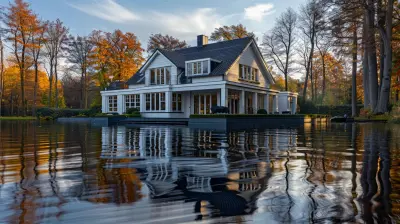
Maintaining Authentic Landscapes for Historic Properties
2 December 2025
Ah, historic properties—those charming, picturesque reminders of the past that make you feel like you’ve stepped into a time machine (without the risk of accidentally messing up history). From grand estates to colonial cottages, these homes come with all the character, quirks, and—let’s be honest—maintenance nightmares you could ever want.
But if you think preserving the house itself is tough, try keeping the landscape looking like it did 100+ years ago. Now that’s a challenge. Landscaping fads come and go faster than your neighbor’s holiday decorations, and maintaining an authentic historic landscape requires more than just mowing the lawn and planting a few flowers.
So, if you’ve got a historic property and want to keep its landscape looking as authentic as an antique roadshow piece (without turning it into an overgrown jungle), here’s everything you need to know.
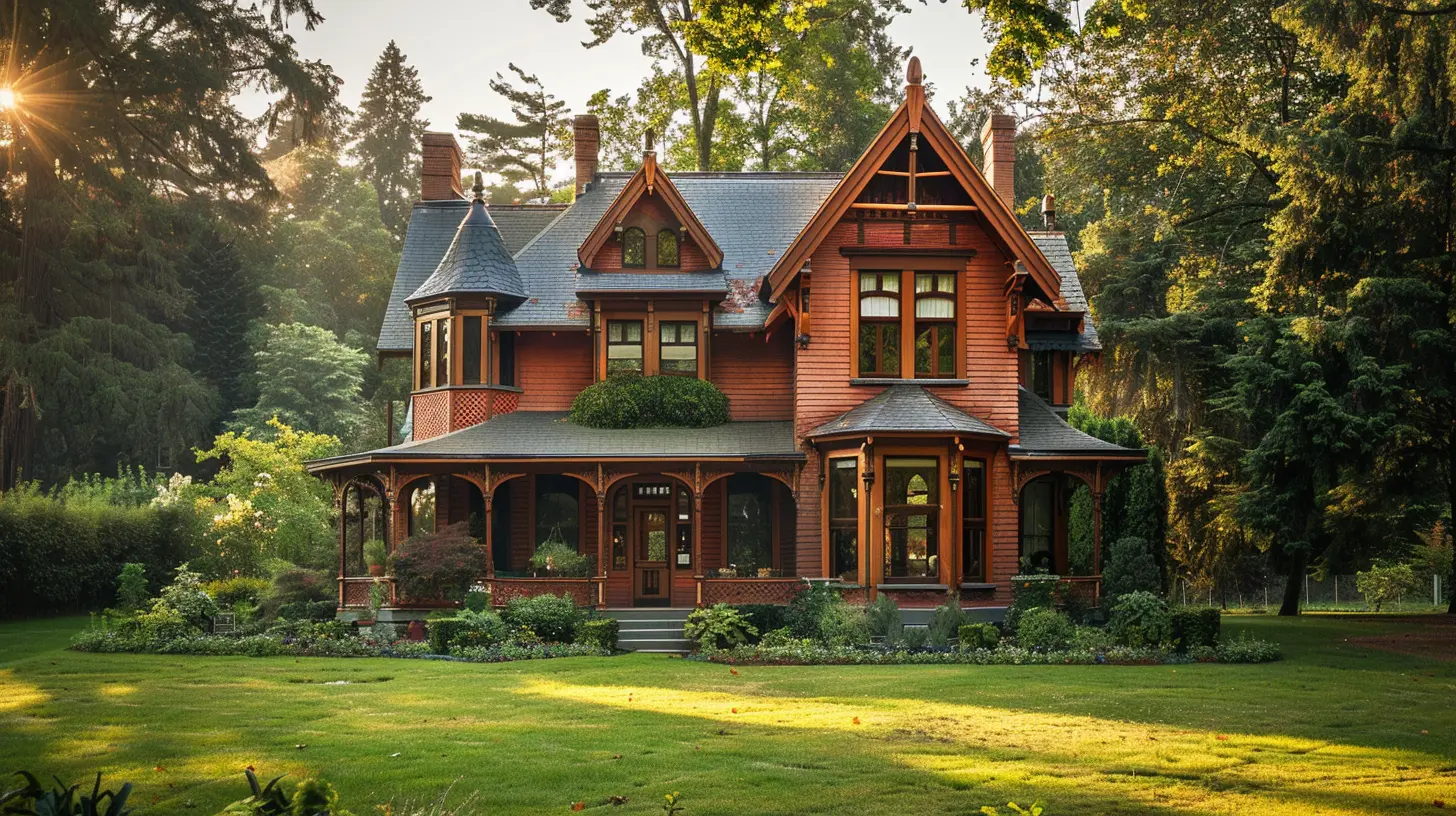
Why Does Historic Landscaping Matter?
Do you ever walk by a beautifully restored historic house, only to see modern landscaping that looks like it was plucked straight out of a suburban home improvement catalog? Yeah, it’s like putting neon lights on a Victorian carriage—just wrong.The landscape of a historic property is just as much a part of its story as the architecture. The trees, gardens, pathways, and fences were designed with purpose, reflecting the culture, economy, and aesthetics of their time. Messing with that is like rewriting history in the least interesting way possible.
Not convinced? Here’s why preserving authentic landscapes is important:
- Historical Integrity – A well-maintained historic landscape keeps the property looking like it did in its heyday.
- Increased Property Value – Buyers who love historic homes will pay top dollar for an estate with an appropriately preserved yard.
- Aesthetic Appeal – Let’s be real, a historic home with a modern landscape just looks… awkward.
- Environmental Benefits – Many old landscaping techniques were more sustainable than modern shortcuts. (Nature knew what it was doing.)
With that in mind, let’s talk about what’s involved in maintaining an authentic historic landscape.
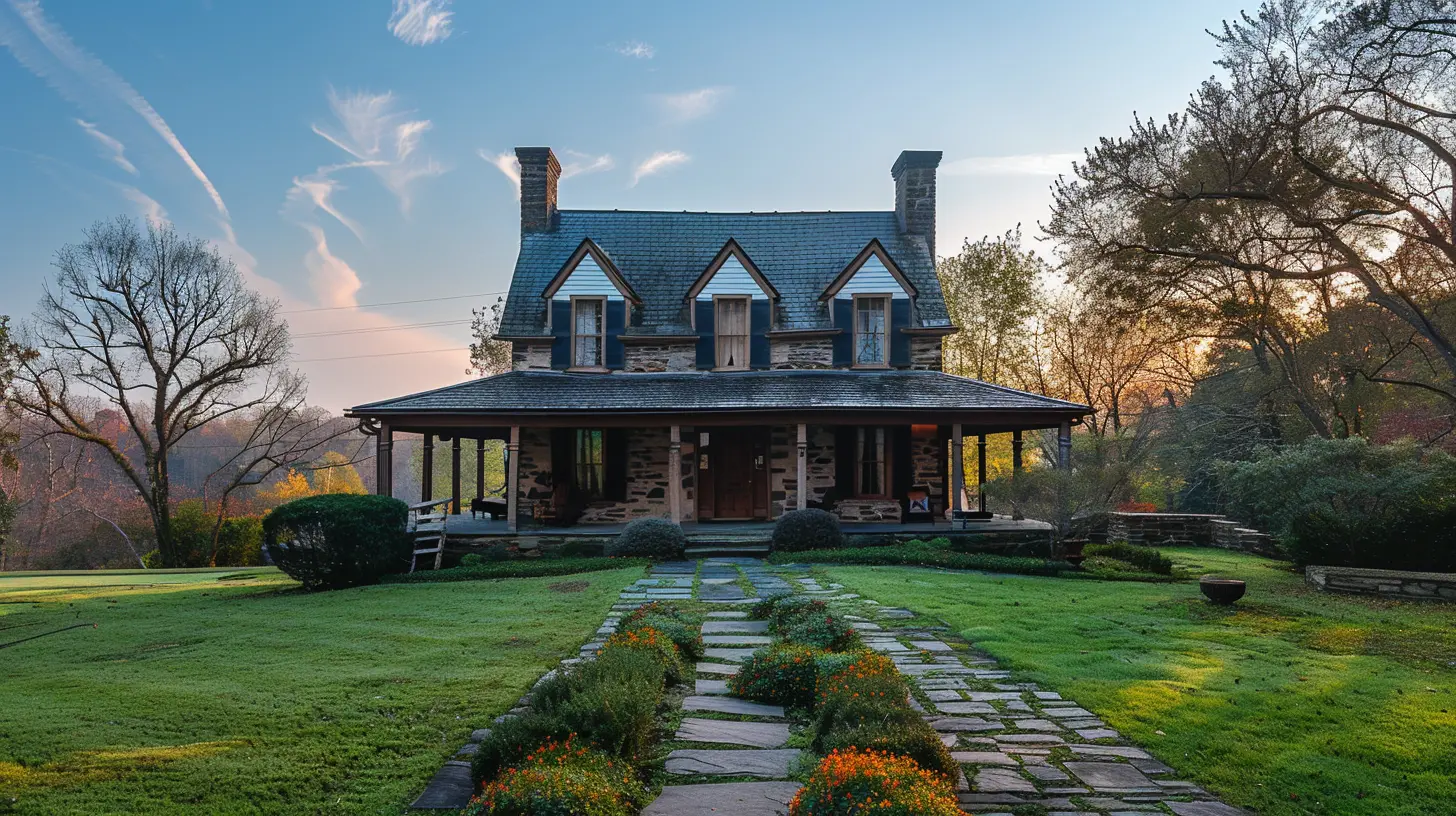
Step 1: Research, Research, and More Research
Before you start hacking away at bushes and planting a garden straight out of Pinterest, hold up. You need to know what kind of landscape your historic property actually had—because let’s face it, guessing isn’t a great strategy.How Do You Find Out What Belonged There?
- Old Photographs & Paintings: If your property is old enough, there might be historic images that show what the landscape looked like.- Property Deeds & Maps: These can offer clues about the original land use, tree placements, and pathways.
- Local Historical Societies: These folks live for this kind of stuff. They might have records or knowledge about period-accurate landscaping.
- Archaeological Clues: Sometimes, history leaves little surprises underground—like remnants of old garden beds or stone pathways.
Once you have a good understanding of what should be there, it’s time to make it happen.
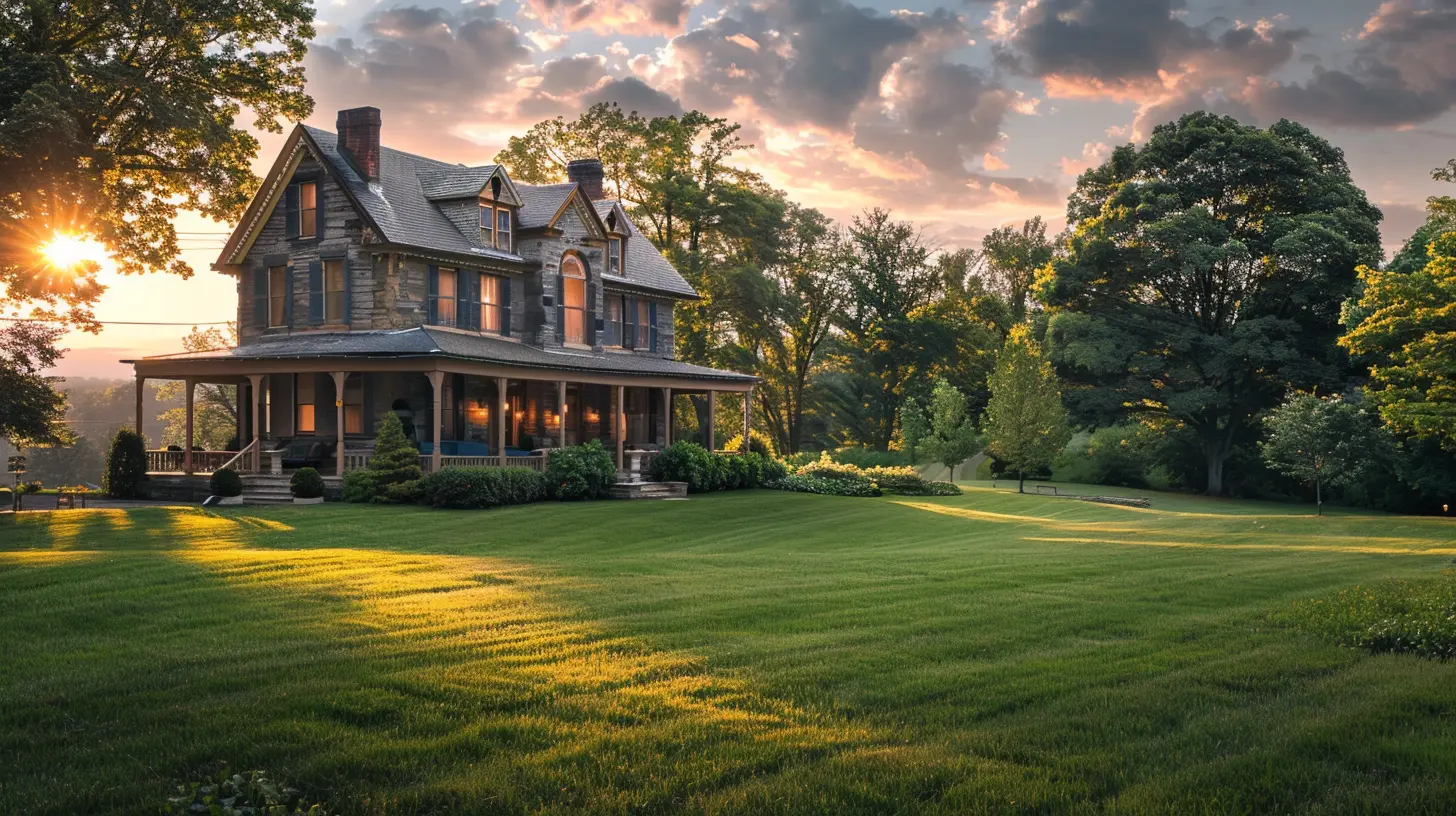
Step 2: Stick to Period-Accurate Plants
You wouldn’t slap vinyl siding on a historic home (at least, I hope you wouldn’t), so why plant modern exotic flowers in a 19th-century landscape?Plants are a major part of historic authenticity, and using the wrong ones can make your house look like it’s suffering from an identity crisis. Instead, focus on what was actually grown during your home’s era.
How to Choose the Right Plants
- Native & Heirloom Plants – Check what plants were commonly grown when your home was built. Heirloom varieties of flowers, fruits, and vegetables are a safe bet.- Historic Gardens for Reference – Many historic estates and botanical gardens maintain period-accurate plant lists.
- Avoid Modern Hybrids – No neon-colored hybrid roses here. Stick to the classics.
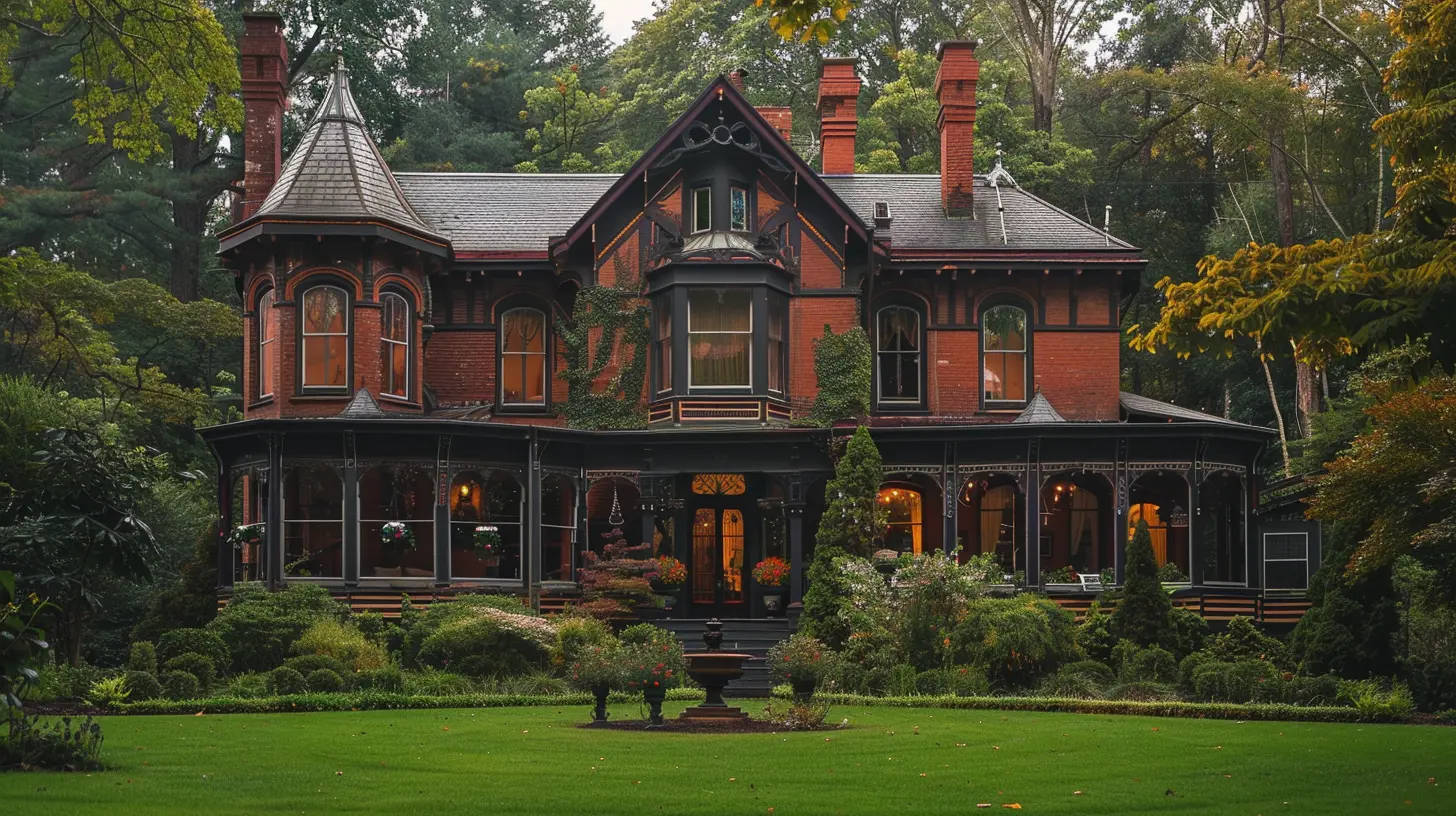
Step 3: Paths, Fences, and Hardscaping
Paved driveways and chain-link fences didn’t scream “historic charm” a century ago, and they still don’t today. If you want your property to stay true to its roots, you’ll need to pay attention to the hardscaping—that’s the stone paths, fences, and other non-plant elements.What to Consider
- Pathways – Gravel, brick, or stone walkways were common, depending on the era. Forget about stamped concrete—it’s a modern invention.- Fencing – Wrought iron, wood picket, or stone walls are historically appropriate. A plastic privacy fence? Not so much.
- Water Features – If your home originally had a pond or fountain, restoring it can add serious authenticity.
Step 4: Maintain It Like They Did Back in the Day
Now that you’ve got everything looking picture-perfect, you need to keep it that way. And here’s the catch—you need to do it without modern shortcuts that would make your ancestors roll in their graves.Old-School Maintenance (Because They Knew What They Were Doing)
- Skip the Chemical Pesticides – Historic gardens relied on companion planting and natural deterrents like ladybugs.- Hand Tools Over Power Tools – Sure, gas-powered leaf blowers are convenient, but do you think an 1800s gardener had one? Nope. Try good old-fashioned hand tools.
- Seasonal Pruning & Crop Rotation – Gardeners of the past followed strict seasonal cycles. If it worked then, why mess with it?
- Lawn Alternatives – Depending on your home’s era, a perfectly manicured lawn might not have existed. Wildflower meadows or clover lawns were common and much easier to maintain.
Step 5: Don’t Over-Restore (Because Too Perfect Is… Well, Not Authentic)
Look, no one’s saying your historic landscape should look like it’s been frozen in time with no signs of life (unless you’re going for that “haunted estate” aesthetic, in which case, carry on). But overdoing the restoration can make things feel more like a museum exhibit than a living, breathing space.A little imperfection is good. A few weeds, a slightly uneven path, a tree that’s been around since your great-great-grandparents were kids? That’s the charm of history.
Final Thoughts
Maintaining an authentic landscape for a historic property isn’t just about making things look pretty—it’s about honoring the past while keeping the space functional. Yes, it takes effort, but think of it this way: you’re not just maintaining a yard, you’re preserving a piece of history (and getting a killer conversation starter out of it).So, before you bring in a landscaping crew armed with modern tools and a Pinterest-inspired plan, take a step back. Do the research, get period-accurate with your plants and hardscaping, and—for the love of all things historic—ditch the plastic lawn ornaments.
Your home has been around for decades, maybe even centuries. The least you can do is treat its landscape with the same respect.
all images in this post were generated using AI tools
Category:
Historic HomesAuthor:

Kingston Estes
Discussion
rate this article
2 comments
Wesley McCartney
Embracing and preserving the authentic landscapes of historic properties not only honors our past but also enriches our present. Each tree, stone, and pathway tells a story that connects us to our heritage. Let's invest in these treasures and inspire future generations to appreciate their beauty and significance!
December 7, 2025 at 12:54 PM
Kingston Estes
Absolutely! Preserving these landscapes is crucial for honoring our heritage and inspiring future generations. Each element contributes to our shared history and enriches our cultural identity.
Freya McLain
Who knew gardening could be a time machine? Let's sprinkle some historical magic on those lawns and give the ghosts of past landscapes a reason to chuckle as they sip tea with the squirrels!
December 2, 2025 at 3:16 AM
Kingston Estes
Absolutely! Gardening truly connects us to the past, allowing us to preserve history while enjoying a whimsical blend of nature and nostalgia.