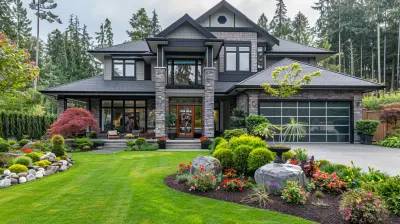
Tips for Updating Your Homeowners Insurance After a Major Renovation
12 April 2026
So, you've finally completed that big home renovation—congratulations! Whether you've added a new kitchen, expanded your living space, or upgraded your bathrooms, your home is now more beautiful and functional than ever. But before you sit back and admire your hard work, there’s one crucial step left: updating your homeowners insurance.
Home renovations can significantly impact your home’s value, which means your current insurance policy might not provide enough coverage anymore. The last thing you want is to be underinsured in case something unexpected happens. Not sure where to start? No worries—I've got you covered! Let’s walk through the must-know tips for updating your homeowners insurance after a major renovation.
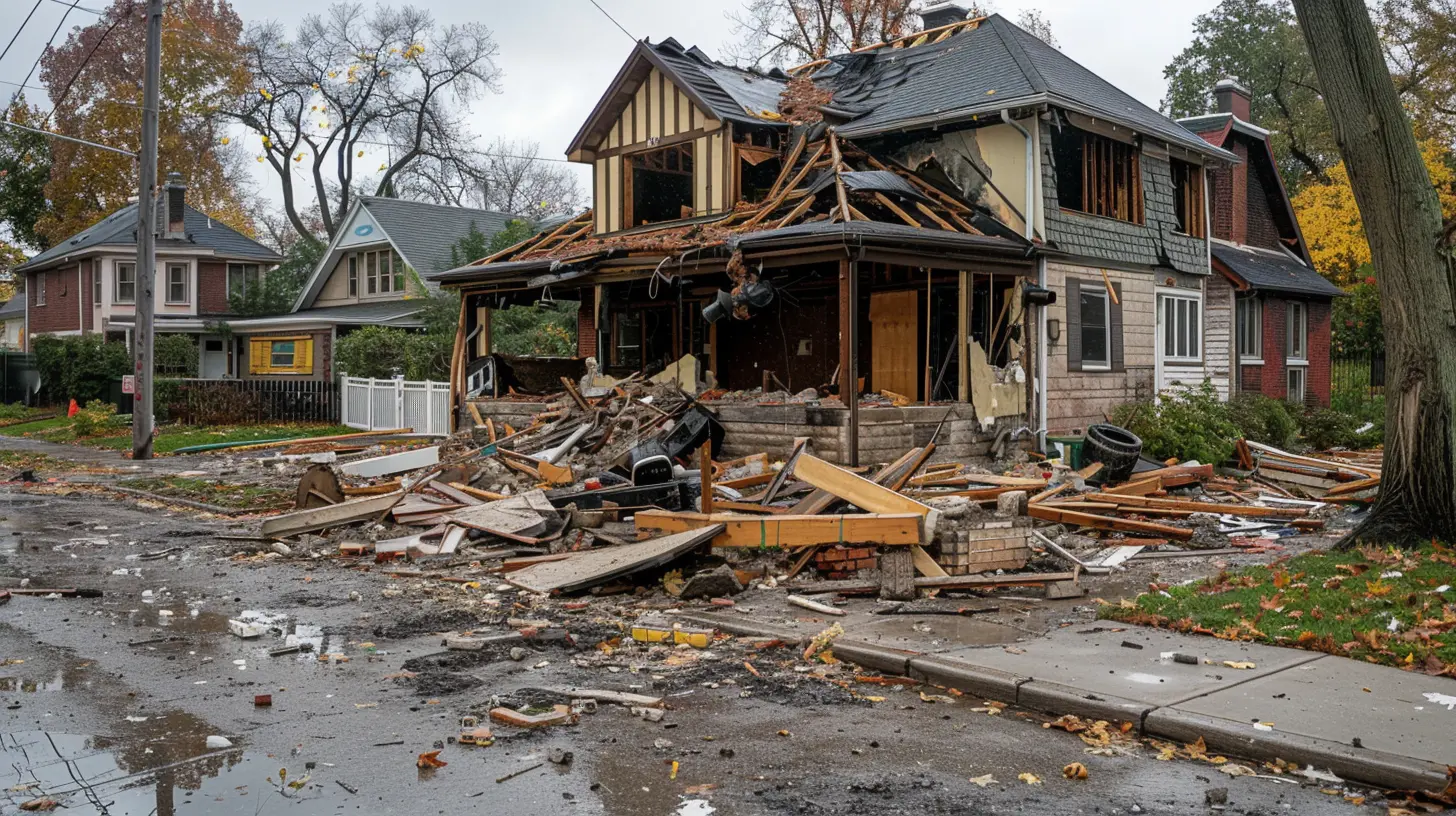
1. Notify Your Insurance Provider ASAP
First things first—give your insurance company a call. Most homeowners don't realize that failing to update their policy after a major renovation can leave them vulnerable to coverage gaps. Your provider needs to know about any upgrades, so they can adjust your coverage to reflect the new value of your home.Think of it like this: If you traded in your old car for a brand-new luxury vehicle, you'd want to insure it properly, right? The same logic applies to your home. Don’t assume your current policy will automatically cover your shiny new upgrades.
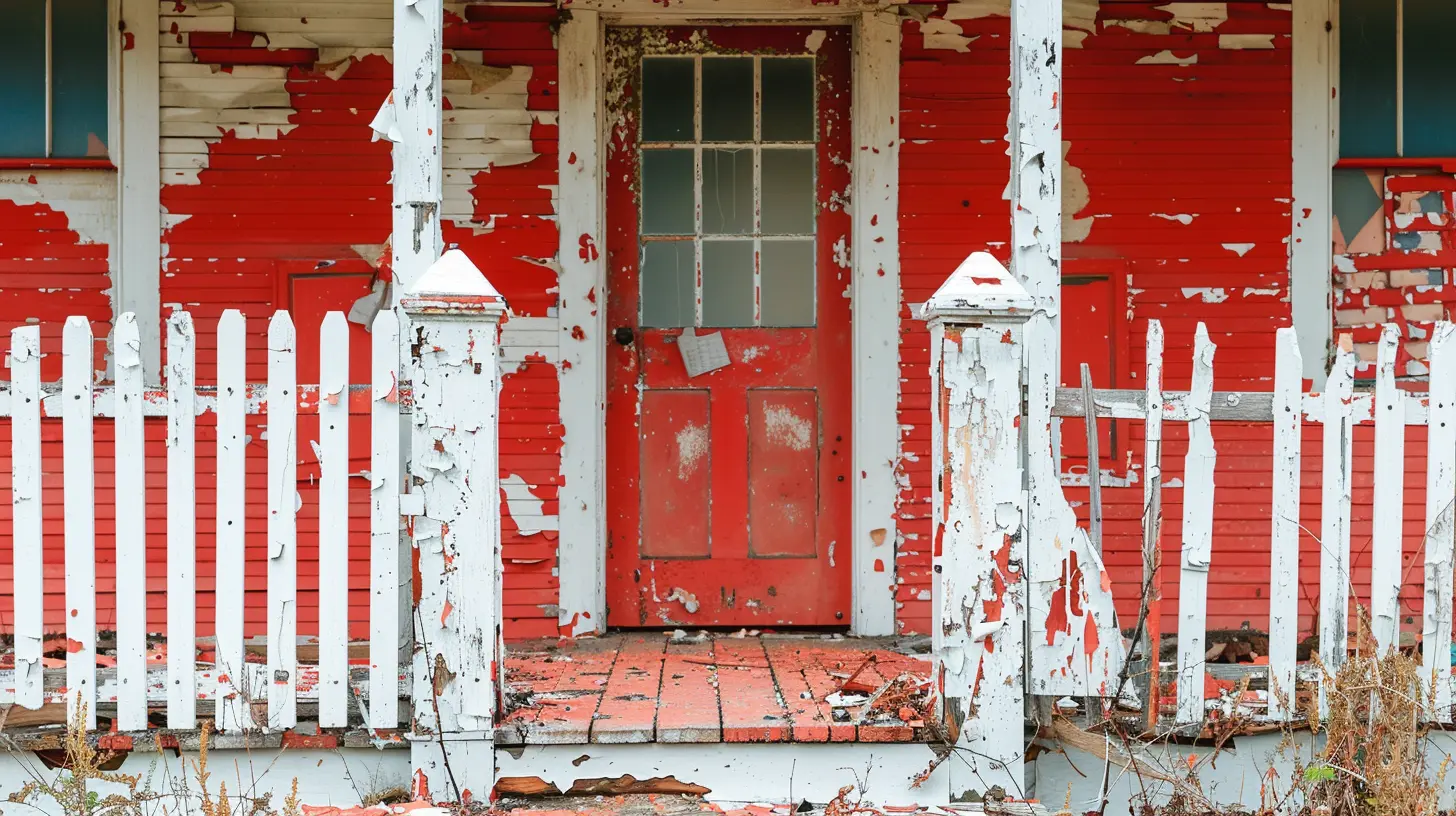
2. Get a New Home Appraisal
After a major renovation, your home’s value has likely increased. To ensure you have the right amount of coverage, consider getting a professional appraisal. This will give both you and your insurance company a clear picture of what your home is now worth.Upgrades like a new roof, modernized electrical systems, or a newly finished basement can significantly boost your home’s market value. An updated appraisal helps your insurer adjust your coverage so you’re not left in a bind if disaster strikes.
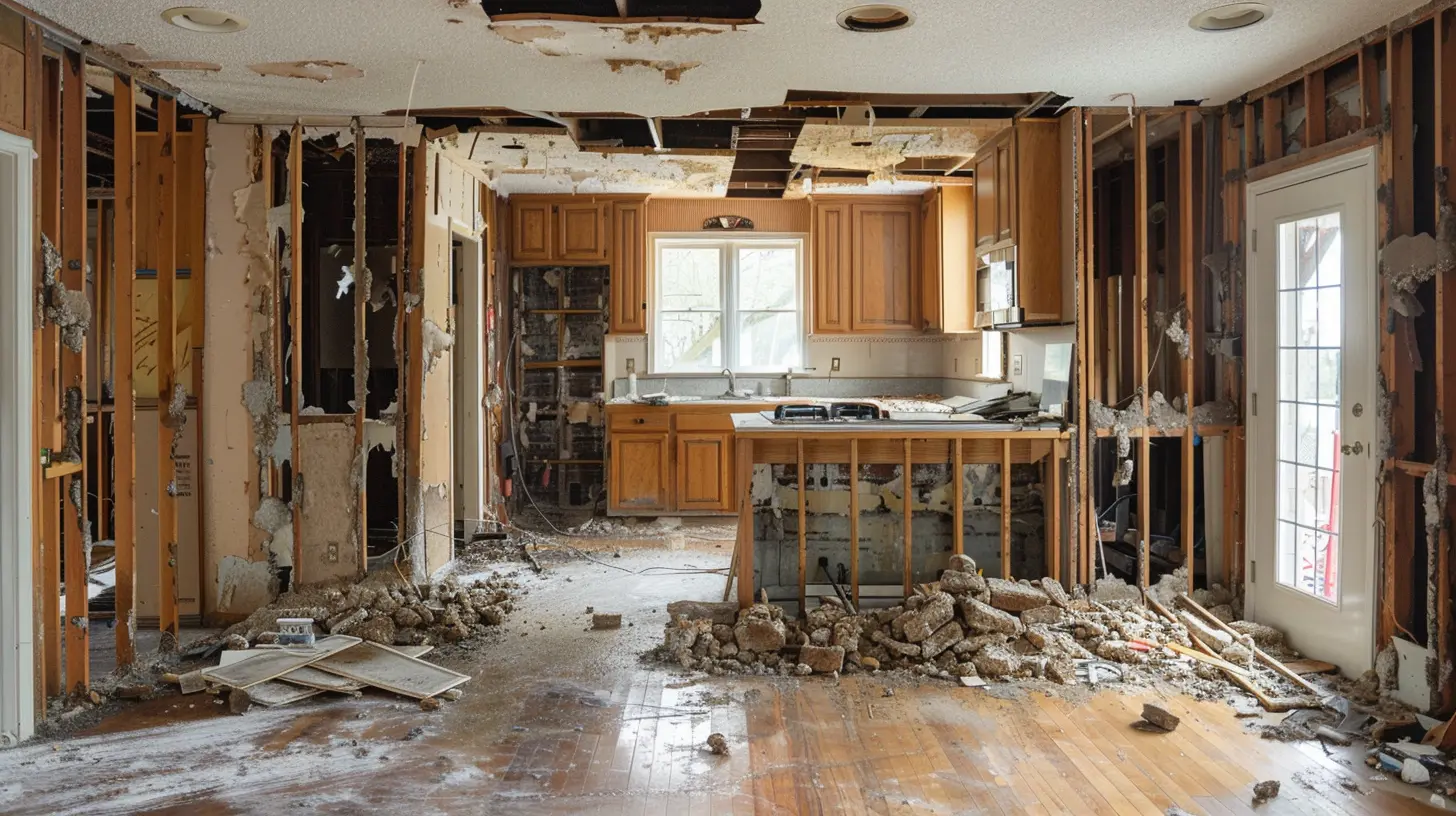
3. Increase Your Dwelling Coverage
Your dwelling coverage is what pays for rebuilding or repairing your home if it's damaged. Renovations—especially major ones—can increase the replacement cost of your home, meaning your current coverage limits might not be enough.For example, if you’ve added a high-end kitchen with custom cabinets and granite countertops, rebuilding it after a disaster would cost much more than your old kitchen. Make sure your policy reflects these changes so you’re fully protected.
4. Update Personal Property Coverage
Did you install brand-new appliances, smart home devices, or expensive fixtures? Don’t forget to update your personal property coverage! Big-ticket items like state-of-the-art refrigerators, high-end sound systems, and custom furniture should all be included in your updated policy.Most standard policies have limits on how much they'll pay for personal belongings, so if your new upgrades exceed your existing coverage limits, consider increasing them. This ensures you’ll be reimbursed properly if anything gets stolen or damaged.
5. Consider Additional Liability Coverage
If your renovation included adding a swimming pool, deck, or even a guesthouse, you may need to increase your liability coverage. These additions can increase the risk of accidents, and if someone gets hurt on your property, you could be held responsible.Liability coverage helps protect you from costly lawsuits related to injuries or accidents that happen at your home. An extra umbrella policy might also be a wise investment if you've made significant additions that increase risk.
6. Check if You Qualify for Discounts
Here’s some good news—certain renovations can actually lower your insurance premiums! If you've made improvements that enhance your home's safety or durability, you might qualify for discounts.Upgrades like:
- Installing a new roof with impact-resistant materials
- Upgrading electrical and plumbing systems to reduce fire or water damage risks
- Adding a security system or smart home monitoring
These improvements can make your home safer and reduce the likelihood of claims, making you a lower-risk homeowner in the eyes of your insurer. Always ask if you qualify for any discounts after a renovation.
7. Update Your Policy Before Work Begins (If Possible)
If you're planning a major renovation, it's a good idea to contact your insurance provider before the work starts. Why? Because certain projects might require builder’s risk insurance, which covers damage or losses during construction.For example, if you’re tearing down walls, there’s always a risk of accidental fire, water damage, or structural issues. Letting your insurer know beforehand ensures you have the right coverage during the renovation process itself.
8. Document Everything
One of the best things you can do after a major renovation is to document all the changes. Keep receipts, take photos of new upgrades, and save any contracts or permits related to the work. This paperwork can be invaluable if you ever need to file a claim.Think of it as creating a home renovation scrapbook—not only is it great for personal reference, but it also helps your insurance company assess the upgrades accurately.
9. Don’t Forget Detached Structures
Did your renovation include a new garage, shed, or guesthouse? Many homeowners forget that detached structures on their property also need proper coverage. Standard policies typically cover detached structures, but the limits might not be high enough to reflect recent additions.If you've built a separate home office, studio, or even a fancy she-shed, make sure it’s adequately insured. Otherwise, you might be left footing the bill if something happens.
10. Review Your Policy Annually
Even if you don’t have another big renovation planned, it's smart to review your homeowners insurance policy every year. Property values fluctuate, material costs rise, and new home features might be added over time. A yearly review ensures you remain fully protected.Set a reminder to check in with your insurance provider annually, especially if you make ongoing improvements. Keeping your coverage up to date gives you peace of mind that your home is fully protected—no matter what happens.
Final Thoughts
Renovating your home is exciting, but don’t let all that hard work go to waste by forgetting to update your homeowners insurance. The goal is to ensure that your new investment is completely protected. From increasing your dwelling coverage to checking for discounts, taking the right steps now can save you a lot of trouble down the road.So, before you celebrate your newly revamped home, take a little time to review your policy. Trust me, it’s worth it!
all images in this post were generated using AI tools
Category:
Homeowners InsuranceAuthor:

Kingston Estes
Discussion
rate this article
2 comments
Lola Warner
Thank you for these invaluable tips! After our recent renovation, I realized the importance of updating our homeowners insurance. Your insights will definitely help us protect our investment.
April 15, 2026 at 12:28 PM
Kingston Estes
I'm glad you found the tips helpful! Updating your insurance is a crucial step after a renovation. Best of luck with your new space!
Rachael Baker
Great insights! Updating homeowners insurance after renovations is crucial. It ensures you're protected and reflects the true value of your improved home. Thank you for sharing!
April 12, 2026 at 4:16 AM
Kingston Estes
Thank you for your feedback! I'm glad you found the tips helpful. Keeping insurance updated is key to protecting your investment.