The Future of Urban Living: Trends to Watch in 2027
16 April 2026
Let’s be honest for a second. The idea of “the city” has been undergoing a quiet revolution for a while now. If the pandemic years were a sudden, jarring course correction, then the period we’re entering—looking ahead to 2027—is where we start to see the blueprint for a new normal. It’s not about flying cars and robot butlers (though, who knows?). It’s about a fundamental rewiring of what urban living means, prioritizing resilience, well-being, and a kind of seamless flexibility that our grandparents couldn’t have imagined.
So, what’s on the horizon? What does the near-future resident of New York, London, or Singapore actually experience day-to-day? Let’s pull back the curtain on the trends set to define urban living in 2027.
The 15-Minute City: From Concept to Concrete Reality
You’ve probably heard the term. Coined by urbanist Carlos Moreno, the “15-minute city” is a simple, powerful idea: that everyone living in a city should have access to all their essential needs within a 15-minute walk or bike ride from their home. Work, groceries, healthcare, education, leisure—all within your immediate neighborhood.By 2027, this won’t be a trendy urban planning theory; it will be the baseline expectation for new developments and the retrofit goal for existing boroughs. Think about it. Why spend 45 minutes in traffic to get to an office you only need to be in twice a week? Why drive to a massive, impersonal supermarket when a local grocer, a bakery, and a fresh produce market are around the corner?
The real estate impact here is profound. We’re going to see a massive devaluation of pure commuter towns and a supercharged premium on neighborhoods that are already mixed-use or can be adapted to be. Developers won’t just be selling square footage and finishes; they’ll be selling lifestyle ecosystems. That ground-floor retail won’t be a chain pharmacy; it’ll be a co-working hub, a clinic for telehealth appointments, or a curated grocery specializing in local goods. The city won’t be a single, sprawling entity you traverse, but a collection of vibrant, self-sufficient villages, deeply interconnected.
The Fluid Home: Where Walls Have Ears (And Brains)
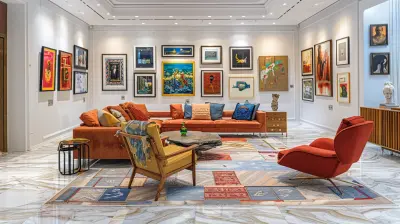
Our homes have been multi-tasking for years, but by 2027, they’ll be true chameleons. The open-concept floor plan is evolving into the adaptive-concept floor plan. With remote and hybrid work firmly entrenched, the demand for dedicated, productive space at home is non-negotiable. But who has room for a permanent, single-use home office?Enter transformative architecture and smart tech. We’re talking about motorized walls that silently glide out to partition a living area into a soundproofed office by 9 AM, and disappear by 6 PM. Furniture that folds, elevates, and reconfigures at the tap of an app. Think of your apartment like a Swiss Army knife—each tool is there, precisely deployed when needed, and neatly stowed away when it’s not.
This fluidity extends beyond work. That same spare bedroom might be a home gym in the morning, a meditation space in the afternoon, and a guest suite on the weekend. Technology will be the invisible conductor of this symphony, with integrated AI not just controlling lights and temperature, but anticipating your spatial needs. It’ll know you have a big video call at 10, so it prepares the “office pod.” It’ll sense you’re winding down for the evening and soften the lighting, perhaps even suggesting the wall configuration for optimal movie-watching.
The home in 2027 is less a static container and more a responsive partner in your daily life.
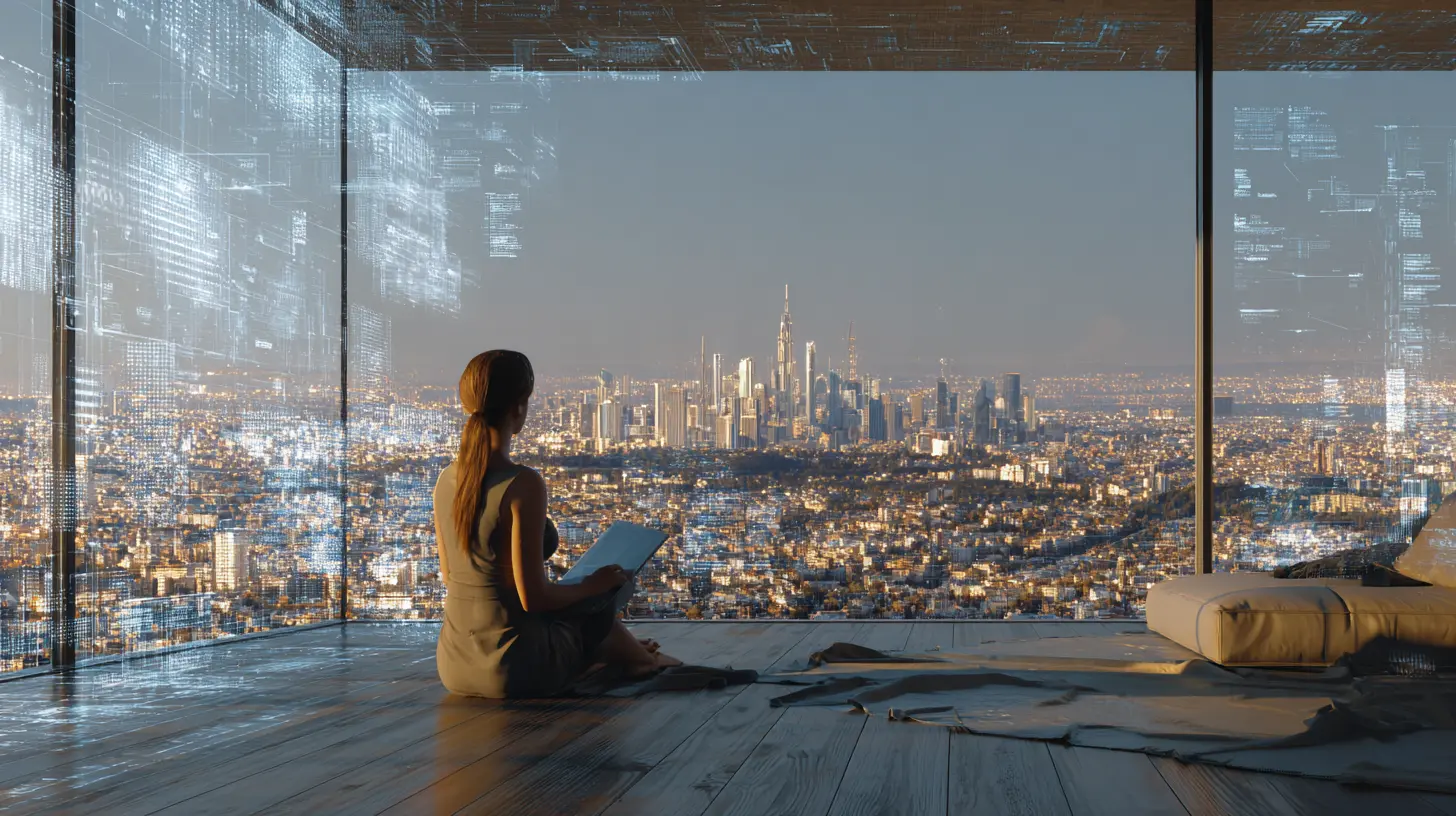
Green Is Not a Color; It’s the Infrastructure
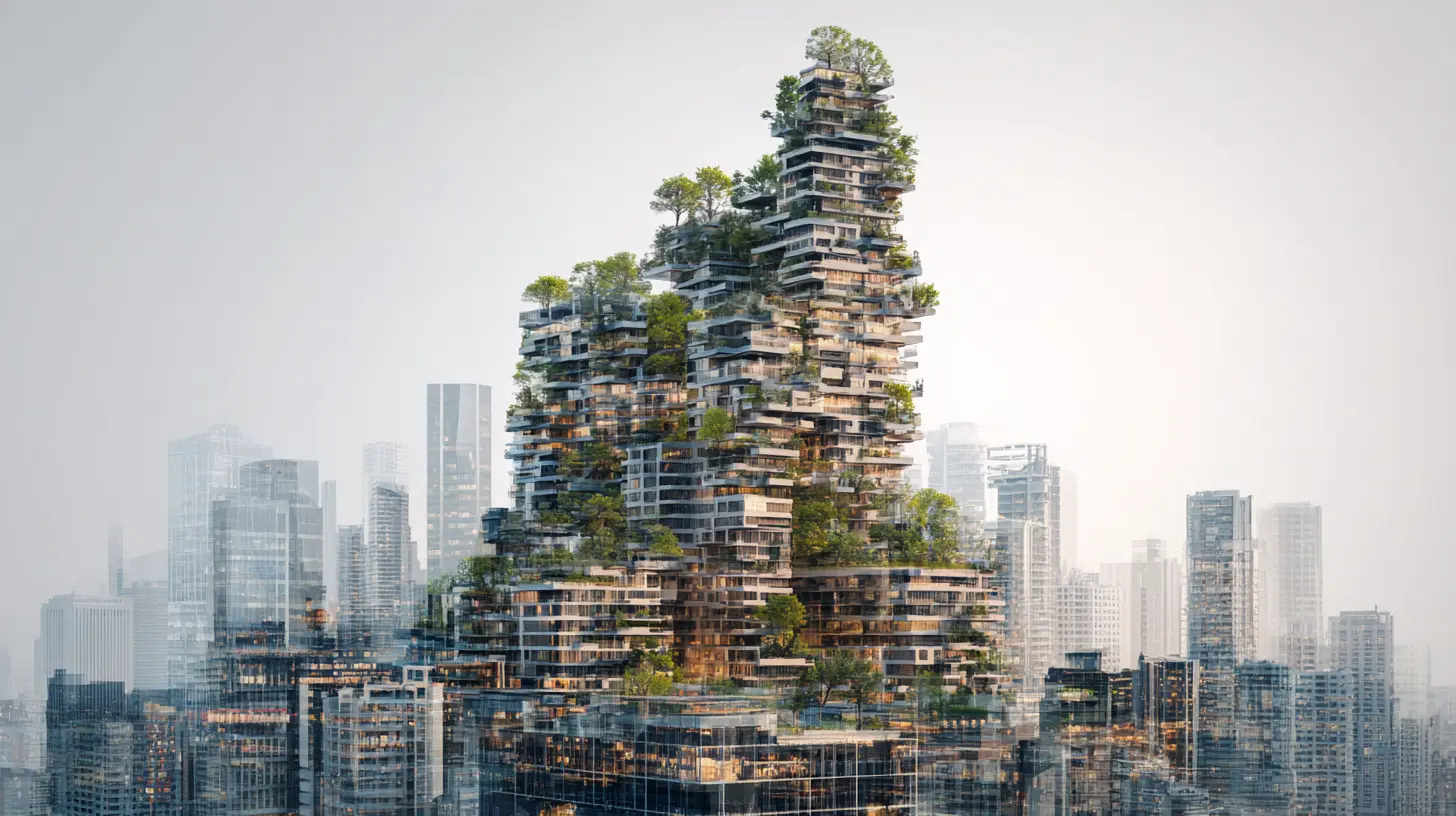
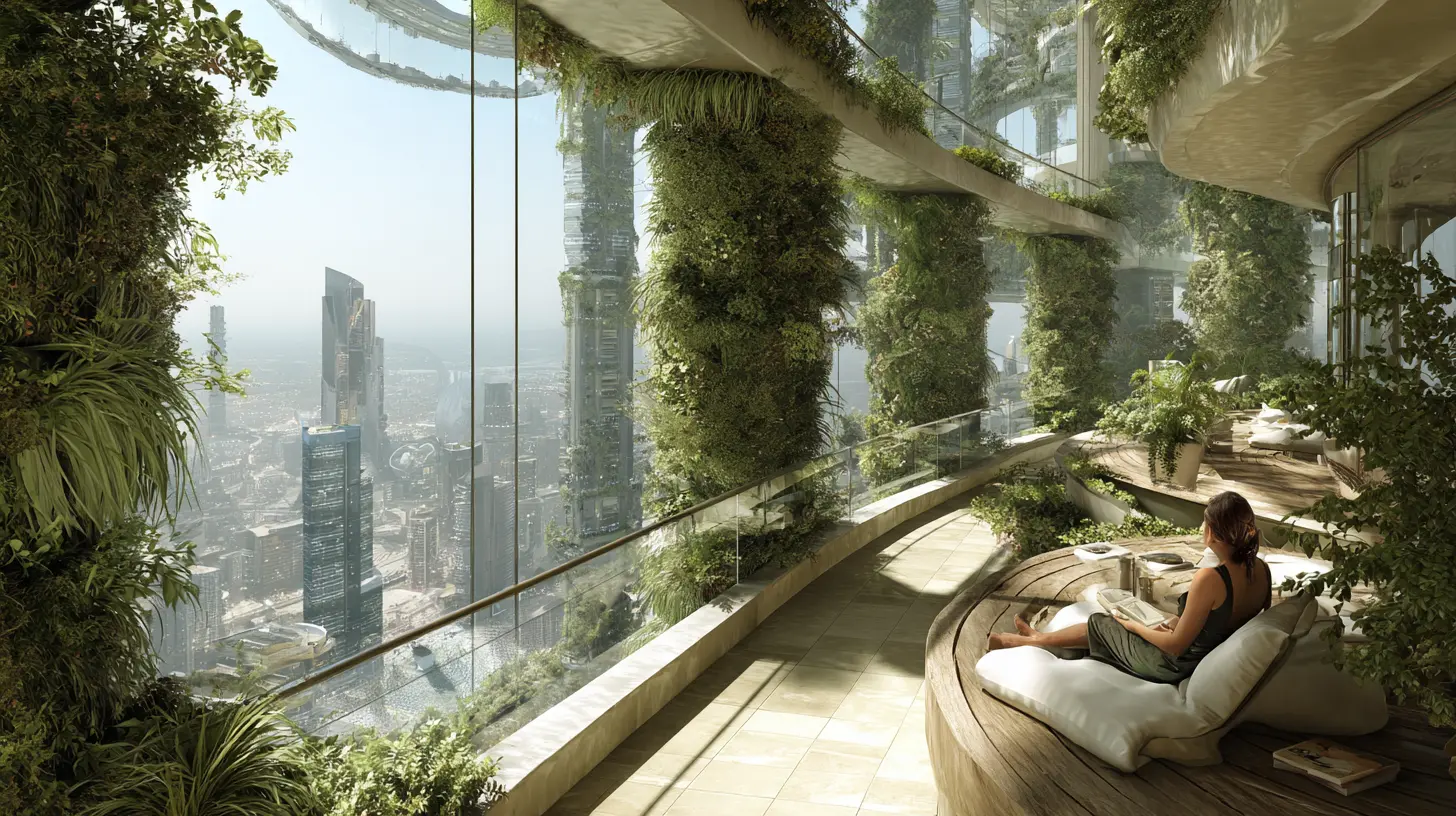
Sustainability is moving far beyond a nice-to-have feature like low-flow faucets. By 2027, it will be the core infrastructure of urban living, baked into the very bones of buildings. We’re past the point of talking about “green buildings.” We’re talking about urban carbon sinks—structures that actively improve their environment.Imagine facades covered not in sterile glass, but in cascading vertical forests and photosynthetic membranes that scrub carbon from the air while providing natural insulation. Rooftops will be verdant farms, producing hyper-local food for residents and reducing the “food miles” of a city block. Water management will be a closed-loop system: collecting rainwater, filtering greywater from showers and sinks, and reusing it for irrigation and toilets. Waste? It’ll be largely handled in-building through advanced composting and recycling systems that turn organic waste into energy or fertilizer for those rooftop gardens.
For the urban dweller, this means lower utility bills, cleaner air right outside their window, and a tangible connection to nature amidst the steel and concrete. The line between “building” and “living organism” will beautifully blur.
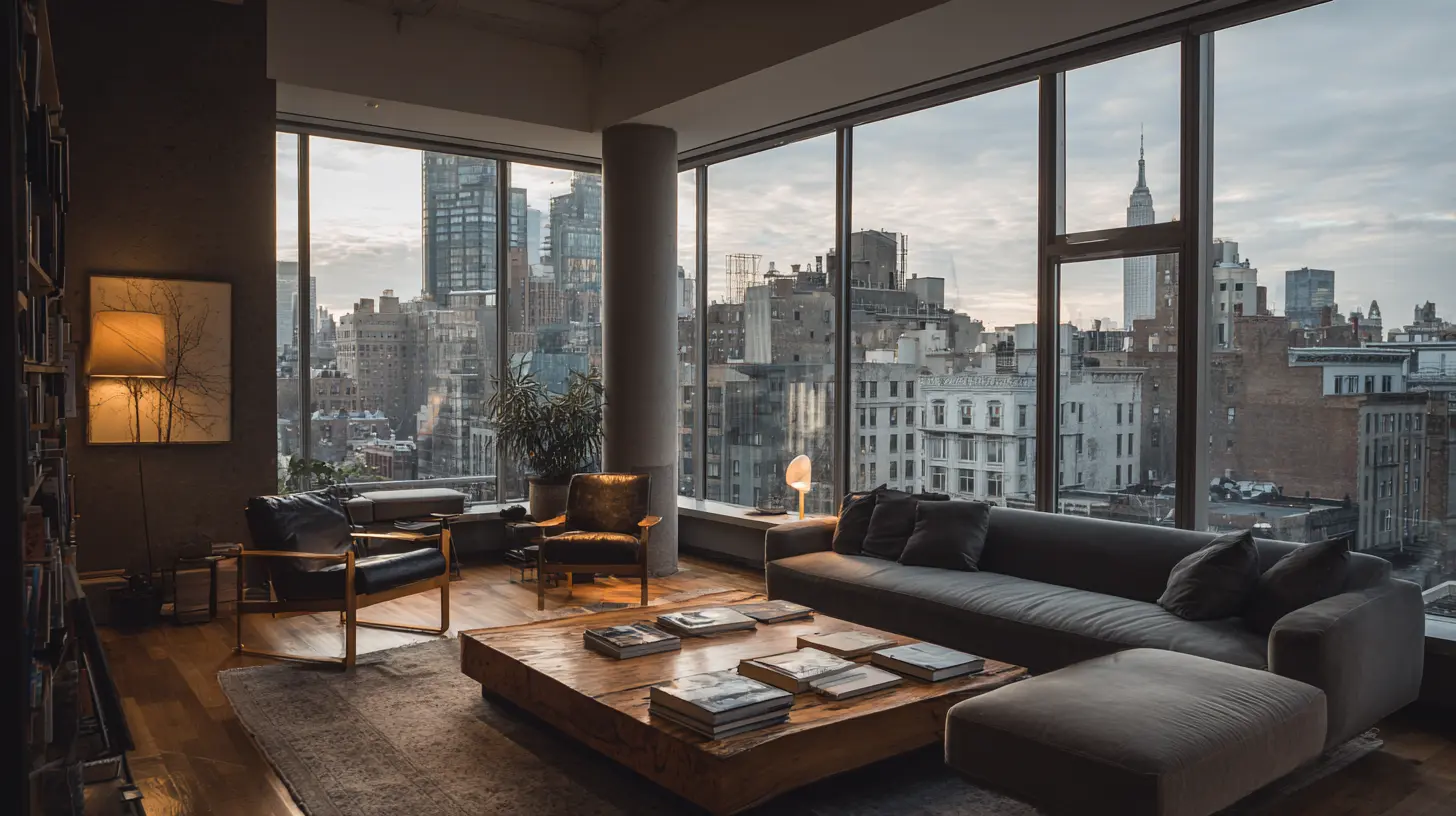
The Rise of the “Phygital” Community
Here’s a paradox for you: as our digital lives become more immersive, the craving for authentic, in-person connection deepens. The future isn’t purely digital or purely physical—it’s phygital. By 2027, technology will be the bridge to stronger real-world communities, not a replacement for them.Your building’s app won’t just be for submitting maintenance requests. It will be the digital town square. It might use gentle, opt-in algorithms to connect you with neighbors who share your interests: “Noticed you’re into jazz guitar. Three others in the building are forming a casual jam session this Saturday in the common room. Interested?” It could facilitate skill-sharing economies within the building—swapping Spanish lessons for home-baked bread.
Common spaces will be designed for these micro-communities. Instead of a generic, rarely-used lounge, you’ll find a workshop studio with shared tools, a podcasting booth, a community kitchen for shared meals, or a screening room curated by residents. The digital layer facilitates the connection; the physical space nurtures it. This tackles the great urban ailment of loneliness by design, creating serendipity and belonging at the hyper-local level.
Mobility Reimagined: Your Car is an App
The relationship between cities and cars is headed for a dramatic, and frankly liberating, divorce. By 2027, private car ownership in dense urban cores will be seen as increasingly impractical and expensive. The space dedicated to parking (often 20-30% of a city’s land!) will be relentlessly repurposed.So how do we get around? Mobility-as-a-Service (MaaS) will be mainstream. One subscription on your phone will grant you seamless access to a menu of options: e-scooters for the last mile, an autonomous electric shuttle along a fixed route, a ride-hail for a family trip, or even a short-term rental of a larger vehicle for a weekend getaway. The app handles payment, routing, and timing. Your “car” is just an icon you tap.
This shift will radically alter urban landscapes. Vast parking garages will be converted into housing, vertical farms, or recreation centers. Streets will narrow, making more room for widened sidewalks, dedicated bike lanes, and greenways. The city will become quieter, cleaner, and fundamentally more humane. The constant background hum of traffic will be replaced by the chatter of people and the whirr of e-bikes.
Resilience as a Design Principle
The shocks of recent years—from climate events to global health crises—have taught us a brutal lesson: cities must be built to bend, not break. By 2027, resilience will be a non-negotiable design principle, as important as the foundation.This means buildings and districts with their own microgrids, powered by solar, wind, and battery storage, capable of operating independently if the main grid fails. It means advanced air and water filtration systems as standard, ensuring health security. It means using materials and designs that can withstand extreme heat, heavier rainfall, and stronger storms.
But resilience is also social. Developments will include designated community support spaces that can quickly pivot to serve as cooling centers, distribution hubs, or emergency shelters. The urban fabric of 2027 won’t just be about comfort in the good times; it will be about security and mutual support during the inevitable challenges.
The Bottom Line for You
The urban landscape of 2027 might sound like science fiction, but every trend here is already in its infancy today. The shift is from cities that are efficient for machines (cars, corporations) to cities that are nurturing for humans. It’s about reclaiming time lost to commutes, fostering health through connection to nature and community, and building environments that are adaptable, sustainable, and strong.For anyone choosing a place to live or invest in, the questions are changing. It’s no longer just “how many bedrooms and bathrooms?” Ask instead: What’s within my 15-minute radius? How does this space adapt to my life’s phases? Is this building a partner in my well-being and my planet’s? The future of urban living isn’t a distant dream. It’s being built right now, one intelligent, green, and community-focused block at a time. And by 2027, it will simply be home.
all images in this post were generated using AI tools
Category:
Real Estate ResourcesAuthor:

Kingston Estes
Discussion
rate this article
2 comments
Buzz Cross
This article captures pivotal trends, but overlooks the crucial impact of climate change on urban design.
April 20, 2026 at 12:44 PM
Kingston Estes
Thank you for your feedback! Climate change is indeed a critical factor in urban design, and I appreciate your perspective on its importance in shaping future trends.
Ashley Scott
Exciting times ahead for urban living! Can't wait to see these trends shape our vibrant cities! 🌆✨
April 16, 2026 at 3:55 AM
Kingston Estes
Absolutely! The changes on the horizon will truly redefine our cities and enhance everyday life. Exciting times indeed!