How to Balance Updates and Preservation in Older Homes
24 March 2026
Owning an older home is like being the caretaker of a piece of history. These houses have stories etched into every wooden beam, every creaky floorboard, and every charming, imperfect detail. But as much as we love their timeless beauty, old homes need modern updates to keep them functional and comfortable.
So, how do you strike the perfect balance between preserving your home's character and integrating modern upgrades without losing its soul? Let’s dive into the best ways to thoughtfully update an older home while respecting its history.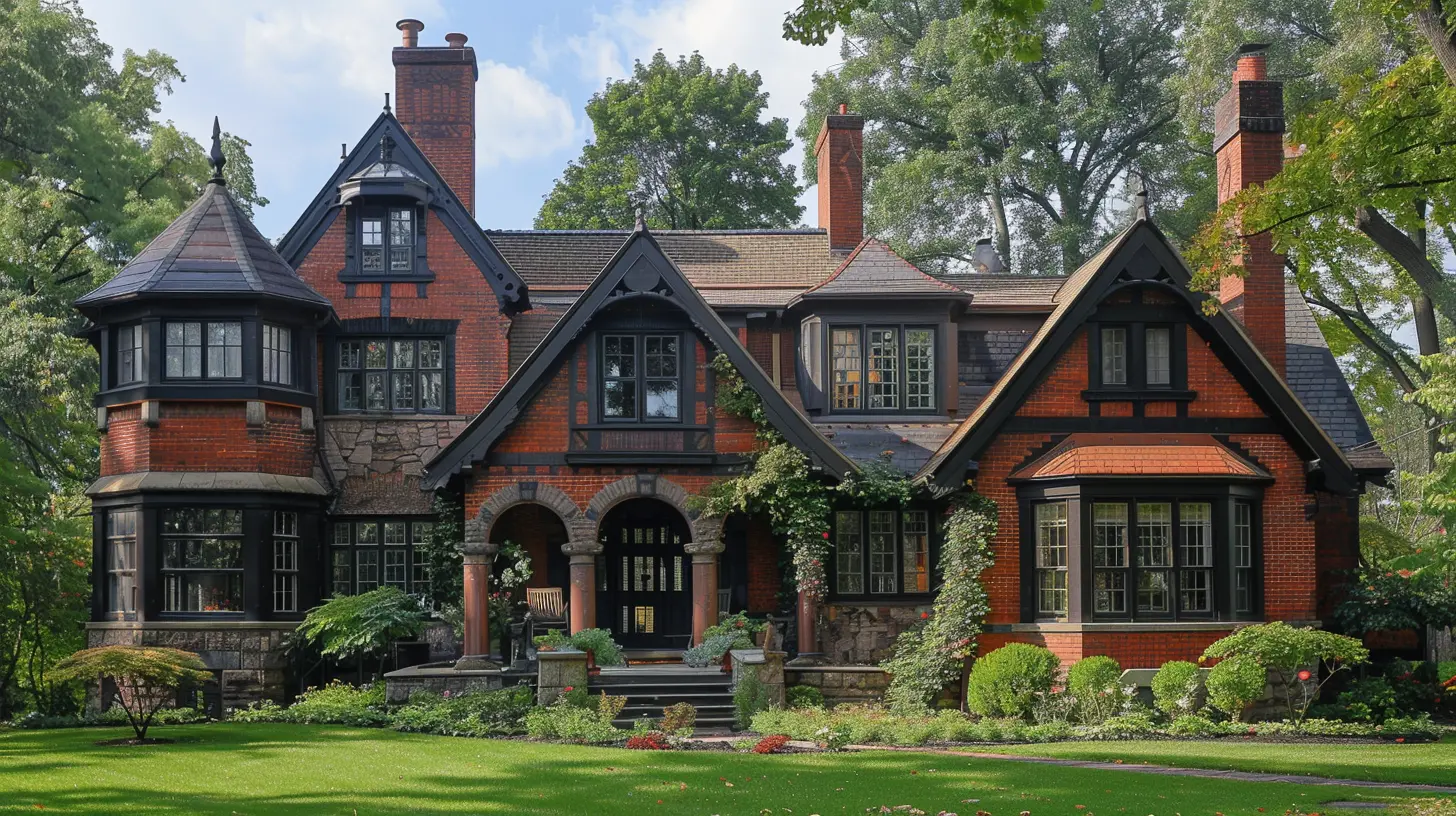
1. Understand Your Home’s History and Character
Before making any changes, take time to appreciate what makes your home special. Every older home has a unique architectural style and original features that define its character.Research Your Home’s Architectural Style
Is it a Victorian with intricate woodwork? A Craftsman with detailed built-ins? A mid-century modern with clean lines? Understanding the architectural style will help guide your renovation decisions.Identify Historic Features Worth Preserving
Look for original elements like:- Hardwood floors
- Molding and trim
- Fireplace mantels
- Built-in cabinetry
- Stained glass windows
These details contribute to the home's charm and authenticity. Removing or altering them could strip away its character.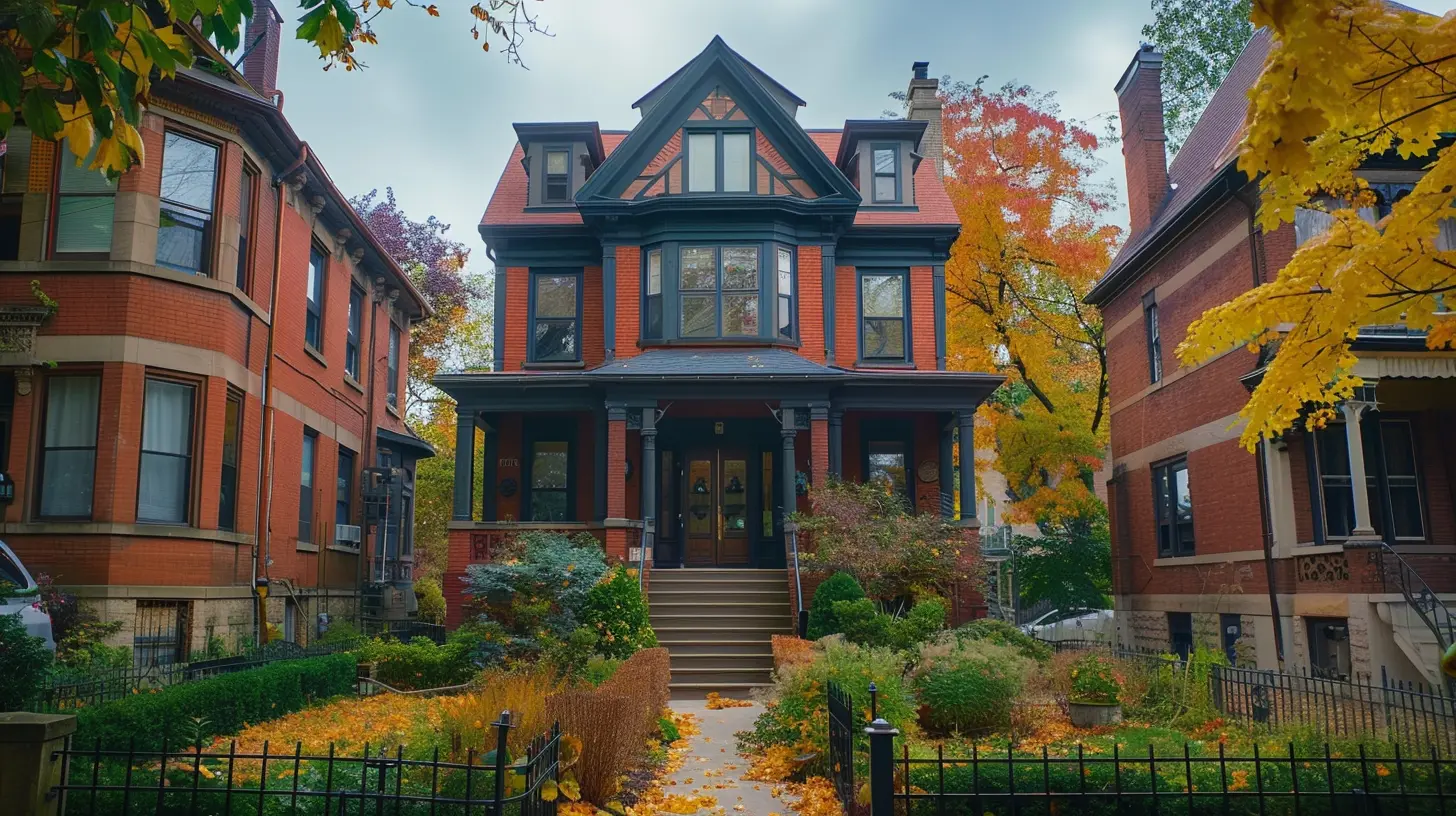
2. Prioritize Structural and Safety Upgrades First
Before picking out paint colors and new fixtures, focus on updates that ensure your home is safe and livable.Assess the Foundation and Roof
Older homes often suffer from foundation issues or outdated roofing. If your house has visible cracks, uneven floors, or sagging ceilings, have a professional inspect it.Upgrade Electrical and Plumbing Systems
Electrical wiring and plumbing in older homes may be outdated or even hazardous. Consider:- Replacing knob-and-tube wiring
- Upgrading circuit breakers
- Updating lead pipes to modern plumbing
These upgrades improve safety while supporting any modern appliances you plan to install.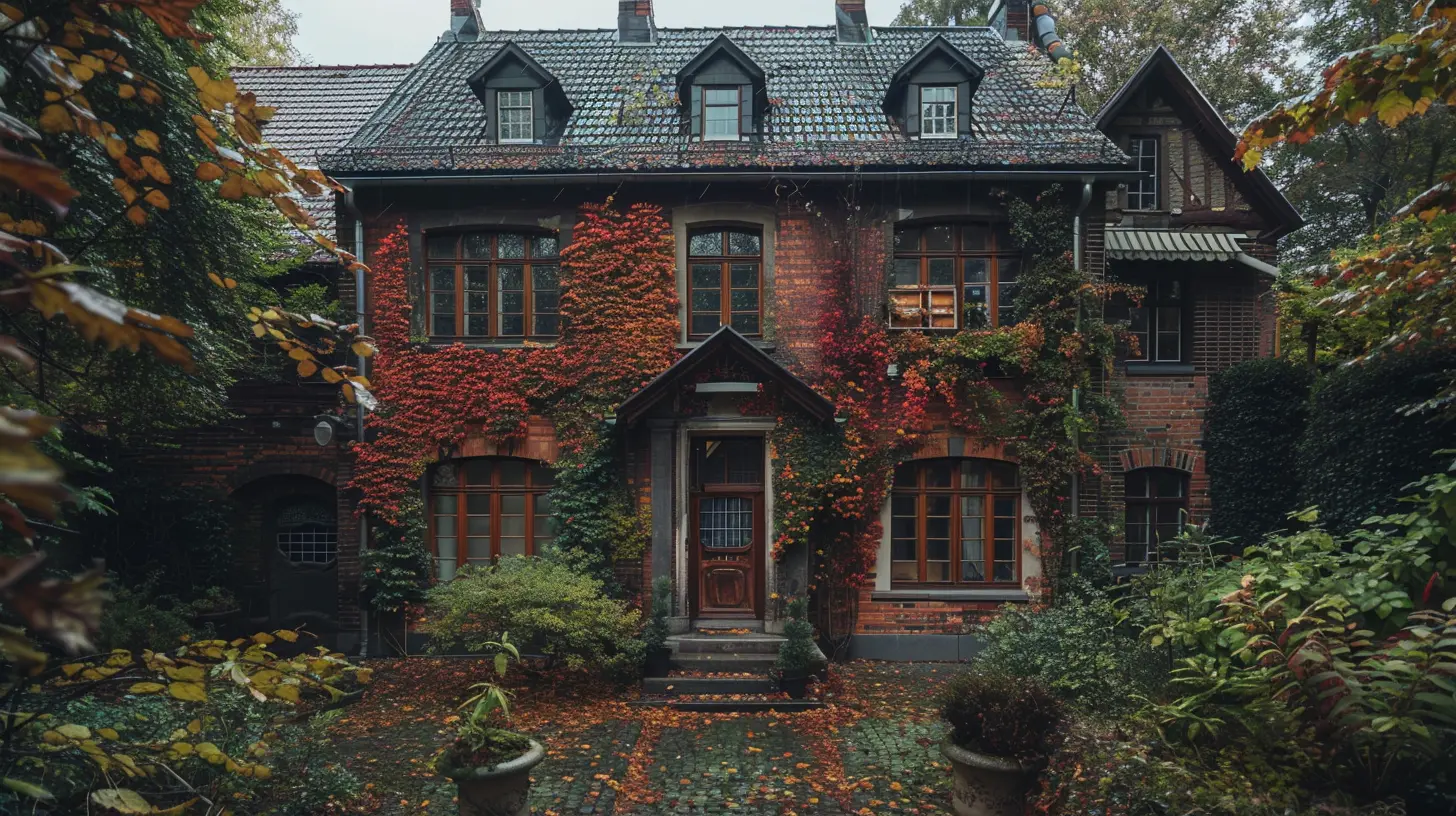
3. Update While Preserving the Home’s Integrity
A modern lifestyle requires some necessary updates, but thoughtful planning helps ensure they don’t erase the home's charm.Choose Materials That Blend the Old and New
When updating fixtures, flooring, or cabinetry, opt for styles that complement the home's age. For example:- Instead of replacing worn-out hardwood floors, refinish them.
- Choose vintage-inspired light fixtures instead of ultra-modern ones.
- If updating kitchen cabinets, consider keeping the original wood or adding period-appropriate hardware.
Retain or Replicate Historic Details
Where possible, preserve original elements. But if something is too damaged, consider replicating the style rather than replacing it with something modern.For example, if an original window is beyond repair, replace it with one that has a similar style instead of a basic, modern alternative.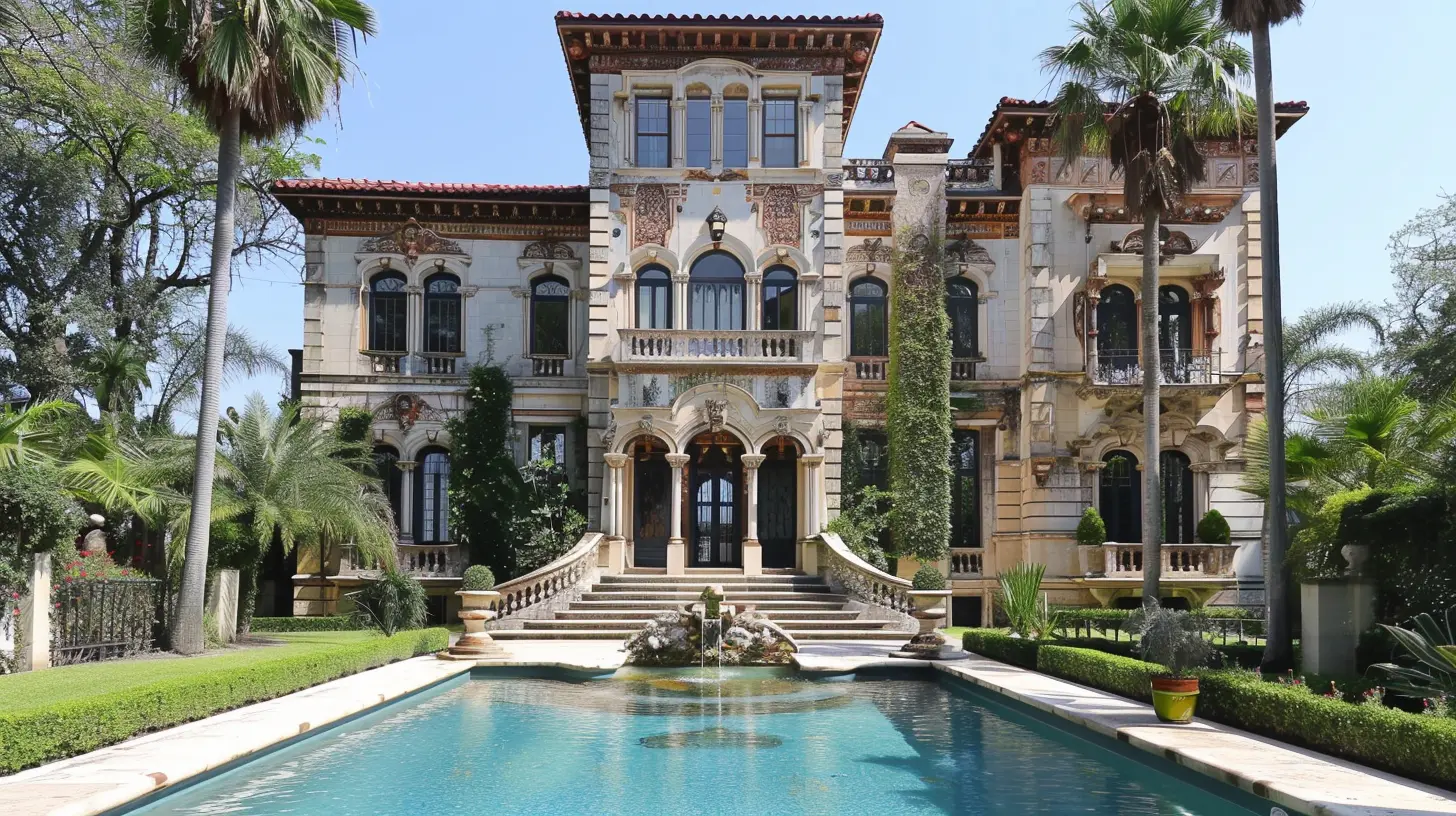
4. Modern Comfort Without Sacrificing Character
We all love modern conveniences, but how do you integrate them without making an older home feel like a completely different house?Upgrade Insulation and Windows Without Losing Charm
Older homes often lack proper insulation. Adding insulation to attics and walls can reduce energy bills without affecting aesthetics.For windows, instead of swapping out original wood-framed windows for standard replacements, consider adding storm windows or repairing the existing ones.
Smart Home Features with a Vintage Touch
You don’t need to forgo tech upgrades, but be mindful of how they blend in.- Hide smart thermostats or place them in less conspicuous areas.
- Choose light switches and covers that mimic historic designs.
- Use concealed wiring for home automation to maintain the home’s traditional look.
5. Renovate Kitchens and Bathrooms Thoughtfully
These are often the first rooms people want to update, but it’s easy to overdo it and lose the home’s charm.Kitchens: Blend Old and New
A modern kitchen is essential, but you don't have to gut the entire space.- Keep or replicate vintage tile work.
- Use open shelving to showcase historic dishware.
- Choose cabinetry that nods to the original design.
Farmhouse sinks, butcher block countertops, and period-style light fixtures can keep the historic feel while bringing in modern practicality.
Bathrooms: Subtle Updates for Timeless Appeal
A bathroom update doesn’t mean stripping away vintage character.- Refinish a clawfoot tub instead of replacing it.
- Use subway tiles or hexagonal floor tiles for a classic look.
- Install modern plumbing fixtures in period-appropriate styles.
6. Exterior Improvements That Honor the Home’s History
The outside of your home is the first thing people see, so updates should respect its original design.Roofing, Siding, and Paint Colors
When replacing a roof or siding, choose materials that match the historical aesthetic. Likewise, research traditional paint color schemes for your home’s era to maintain authenticity.Preserve the Porch and Entryway
If your home has a grand front porch, keep it! If repairs are needed, restore rather than replace. Even smaller details, like vintage-style house numbers and door hardware, can enhance the home’s historic charm.7. Be Mindful of Your Budget and Renovation Goals
Renovating an older home can be costly, so planning is key.Decide What’s Non-Negotiable
Some features are worth every penny to restore, while others can be carefully modernized. Prioritize according to your needs and budget.DIY Where Possible, Hire Experts When Needed
Simple restorations like painting, refinishing wood, or updating hardware can be done yourself. However, structural repairs, electrical work, and plumbing should be left to professionals.8. Embrace the Imperfections
One of the biggest charms of an older home is its quirks—slightly uneven floors, antique doors that don’t quite close perfectly, or original fixtures with a bit of wear.Instead of trying to erase every imperfection, appreciate them as part of the home’s character. These quirks tell a story and make the home feel warm, lived-in, and unique.
Final Thoughts
Balancing modern updates while preserving an older home's charm is a delicate dance. The key is to respect its history while bringing in just enough modern convenience to make it comfortable.So, before you rip out that original woodwork or replace those vintage fixtures, pause and ask yourself: will this update enhance the home’s character or erase a piece of its history? By making thoughtful choices, you can create a beautiful blend of past and present—one that honors your home’s legacy while embracing the future.
all images in this post were generated using AI tools
Category:
Historic HomesAuthor:

Kingston Estes
Discussion
rate this article
2 comments
Cara Jones
Balancing updates and preservation in older homes is like trying to find the perfect amount of cheese on pizza—too much, and you lose the flavor; too little, and it’s just sad. Let’s keep the charm without adding too much ‘wow’!
April 2, 2026 at 4:54 AM
Kingston Estes
I love that analogy! Finding the right balance is key to maintaining a home’s unique character while ensuring it meets modern needs. Let’s keep the charm alive!
Remi Lopez
Great article! Striking the right balance between modern updates and preserving historical charm is essential. Consider prioritizing structural integrity and original features while integrating contemporary elements that enhance both function and beauty in older homes.
March 25, 2026 at 1:11 PM
Kingston Estes
Thank you for your thoughtful comment! I completely agree that maintaining structural integrity and original features while incorporating modern elements is key to preserving the charm of older homes.