Tiny Home Villages: A New Sense of Community
23 July 2026
Introduction
Imagine a neighborhood where the houses are small, but the sense of community is huge. A place where neighbors aren’t just people you nod at in passing, but friends who share meals, stories, and experiences. Sounds almost too good to be true, right? Well, welcome to the world of tiny home villages—a modern twist on the traditional community that’s redefining the way we live.
With skyrocketing housing costs and an increasing desire for simpler, more meaningful lifestyles, tiny home villages are popping up everywhere. But they’re more than just cute little houses; they represent a shift in how we view homeownership, sustainability, and—most importantly—community.
Let’s dive deep into this emerging trend and see why so many people are ditching conventional housing in favor of something smaller but far more enriching. 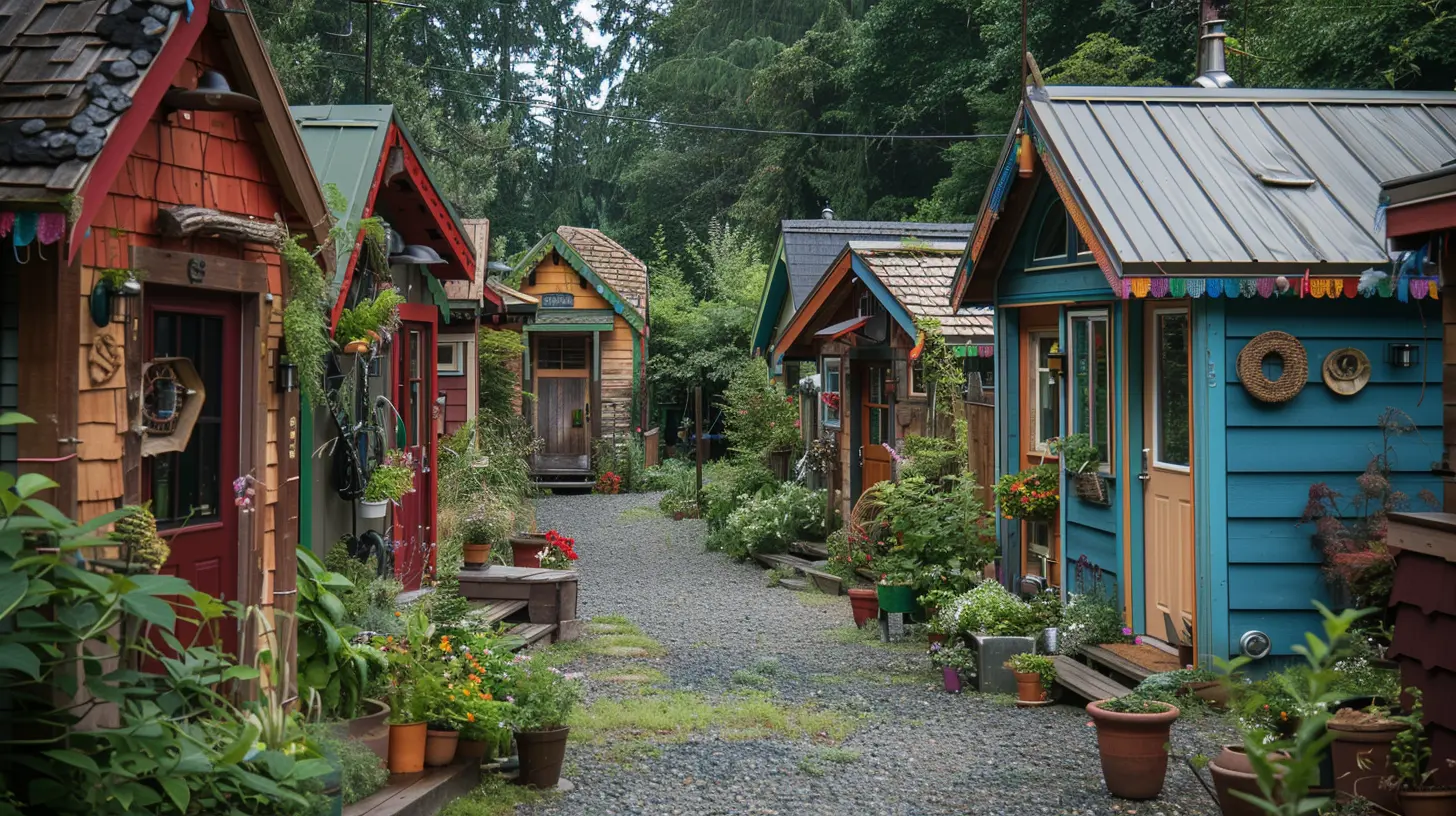
What Are Tiny Home Villages?
At their core, tiny home villages are clusters of small, self-contained homes designed to foster a close-knit community. These villages can be built on private land, within cities, or in rural areas. Some cater to specific groups, like retirees, veterans, or artists, while others are mixed communities that thrive on diversity.Unlike traditional neighborhoods, where towering fences and large spaces can isolate people, tiny home villages are designed to encourage interaction. Think shared gardens, common areas, and community events—elements that bring people together rather than keep them apart.
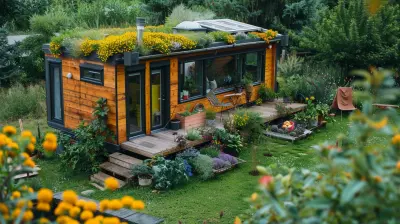
Now, before you start picturing cramped, overcrowded spaces, let’s bust a myth: living tiny doesn’t mean sacrificing comfort. These homes, though small, are thoughtfully designed to maximize space and functionality. Plus, with smart layouts and multi-functional furniture, they often feel much larger than their square footage suggests. 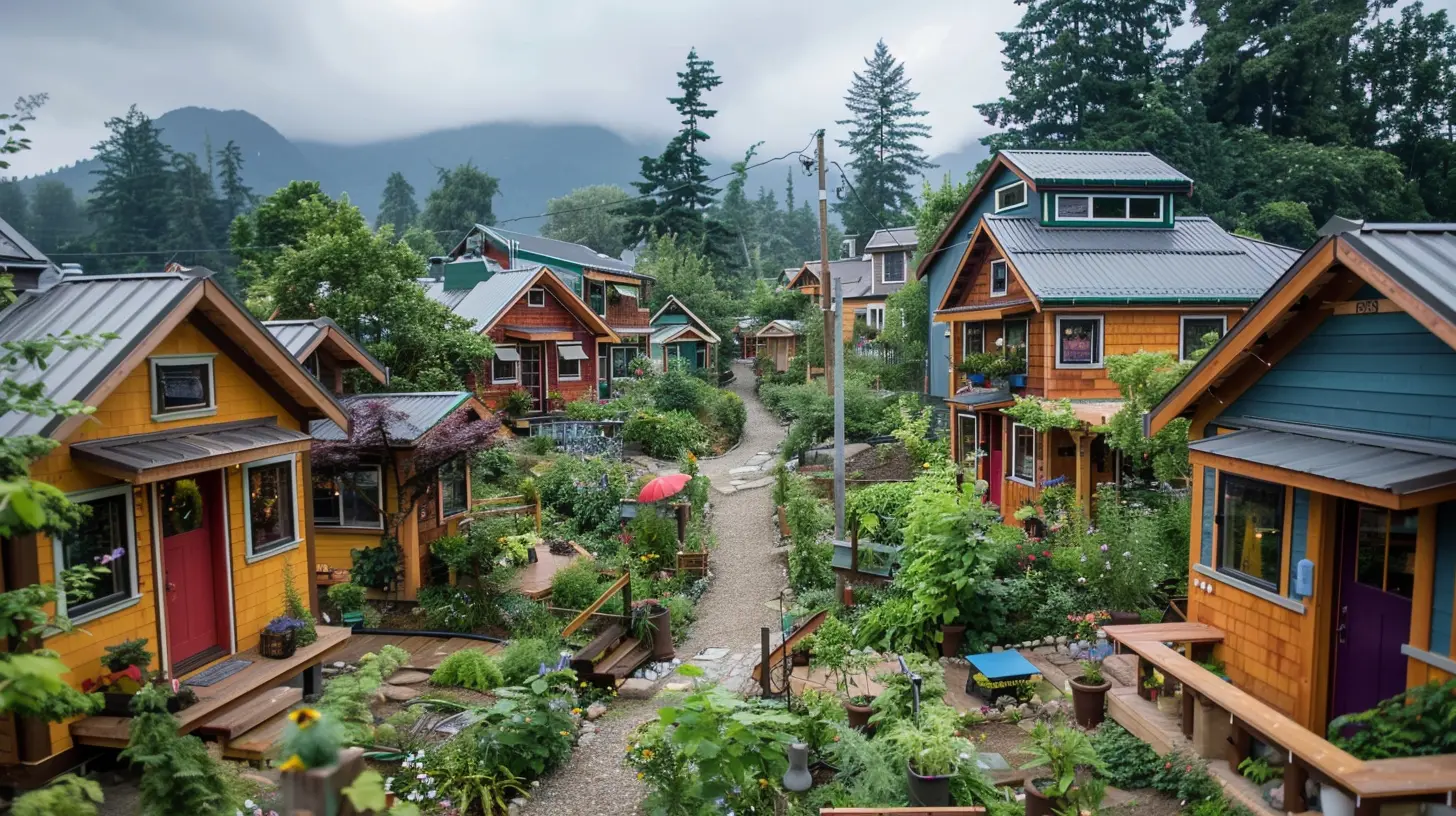
Why Tiny Home Villages Are Gaining Popularity
1. Affordable Living Without Compromise
Let’s face it—housing prices are out of control. Whether you’re renting or buying, finding an affordable place to live can feel like an uphill battle. Tiny homes, however, offer a cost-effective alternative.With a significantly lower price tag, tiny homes allow people to own property without taking on a mountain of debt. And in a village setting, shared resources like community gardens, laundry facilities, and workspaces make living costs even more manageable.
For those tired of working just to afford rent or a mortgage, this lifestyle offers financial freedom that traditional housing rarely does.
2. A Stronger Sense of Community
Remember when neighbors actually knew each other? In many modern neighborhoods, people barely interact. But in a tiny home village, community is at the heart of everything.These villages are built on the idea of shared experiences—whether it’s potluck dinners, movie nights, or simply chatting on the front porch. Unlike in sprawling suburbs, where isolation is common, tiny home villages cultivate real human connections.
And let’s be real, in a world where loneliness is an epidemic, having a close-knit group of neighbors can be life-changing.
3. Sustainability and Minimalism
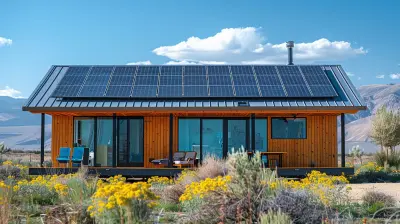
Many people are drawn to tiny living because they want to reduce their environmental footprint. These homes use fewer materials, consume less energy, and encourage a minimalist lifestyle.Plus, communities often integrate green technologies like solar panels, rainwater collection systems, and composting toilets. This not only saves money but also promotes a more eco-conscious way of living.
In a world where excess is often mistaken for success, tiny home villages remind us that less can truly be more.
4. Freedom and Flexibility
Want to travel more? Pursue creative passions? Spend more time with family? Tiny living makes that possible. Without the financial burden of a massive mortgage or the upkeep of a big house, people have the freedom to live life on their terms.Some villages even offer rental options, allowing residents to test the lifestyle before committing fully. And because tiny homes require less maintenance, there’s more time to focus on things that truly matter. 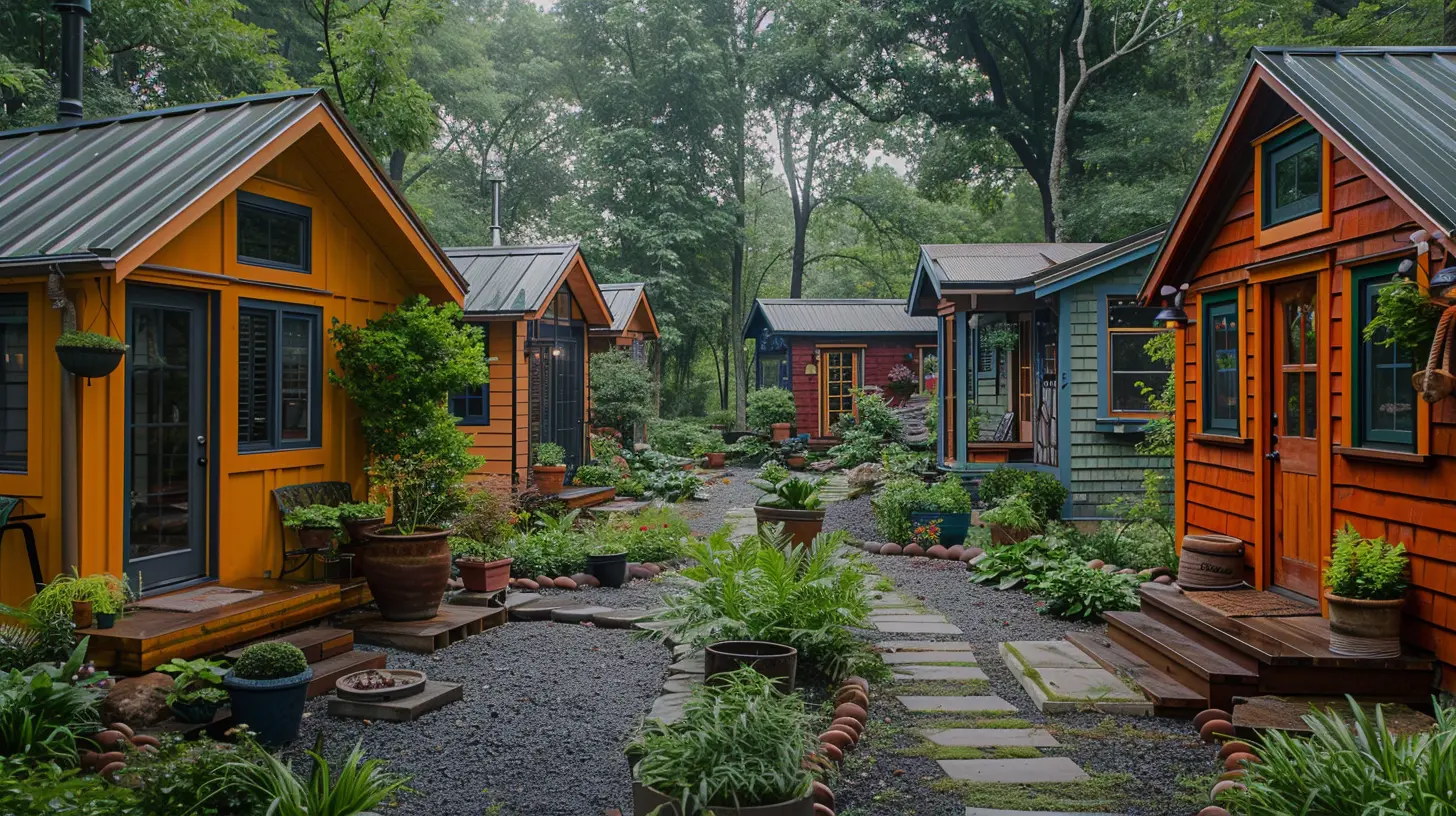
The Challenges of Tiny Home Villages
Of course, no lifestyle is without its challenges. While tiny home villages offer many advantages, they’re not for everyone. Here are a few hurdles that come with this lifestyle:1. Zoning and Legal Issues
One of the biggest barriers to tiny home villages is local zoning laws. Many cities don’t have regulations that accommodate tiny homes, making it difficult to establish legal communities.However, as the demand for affordable housing grows, more municipalities are starting to rethink their zoning policies. Advocates are pushing for changes, and in some areas, tiny home villages are being approved as a viable housing solution.
2. Limited Space for Privacy
While community is a major selling point, there’s also the concern of space and privacy. If you’re used to having a large home with multiple rooms, downsizing can be an adjustment.However, thoughtful design can make a tiny home feel private while still fostering connection with neighbors. Plus, many communities include shared amenities like guest houses for visitors, giving residents flexibility when needed.
3. Not Ideal for Every Stage of Life
For young professionals, retirees, and minimalists, tiny living can be a dream. But for larger families or those needing more space for work or hobbies, it may not be the perfect fit.That said, many villages offer hybrid models, where residents can expand their living spaces with shared common areas or additional units nearby. 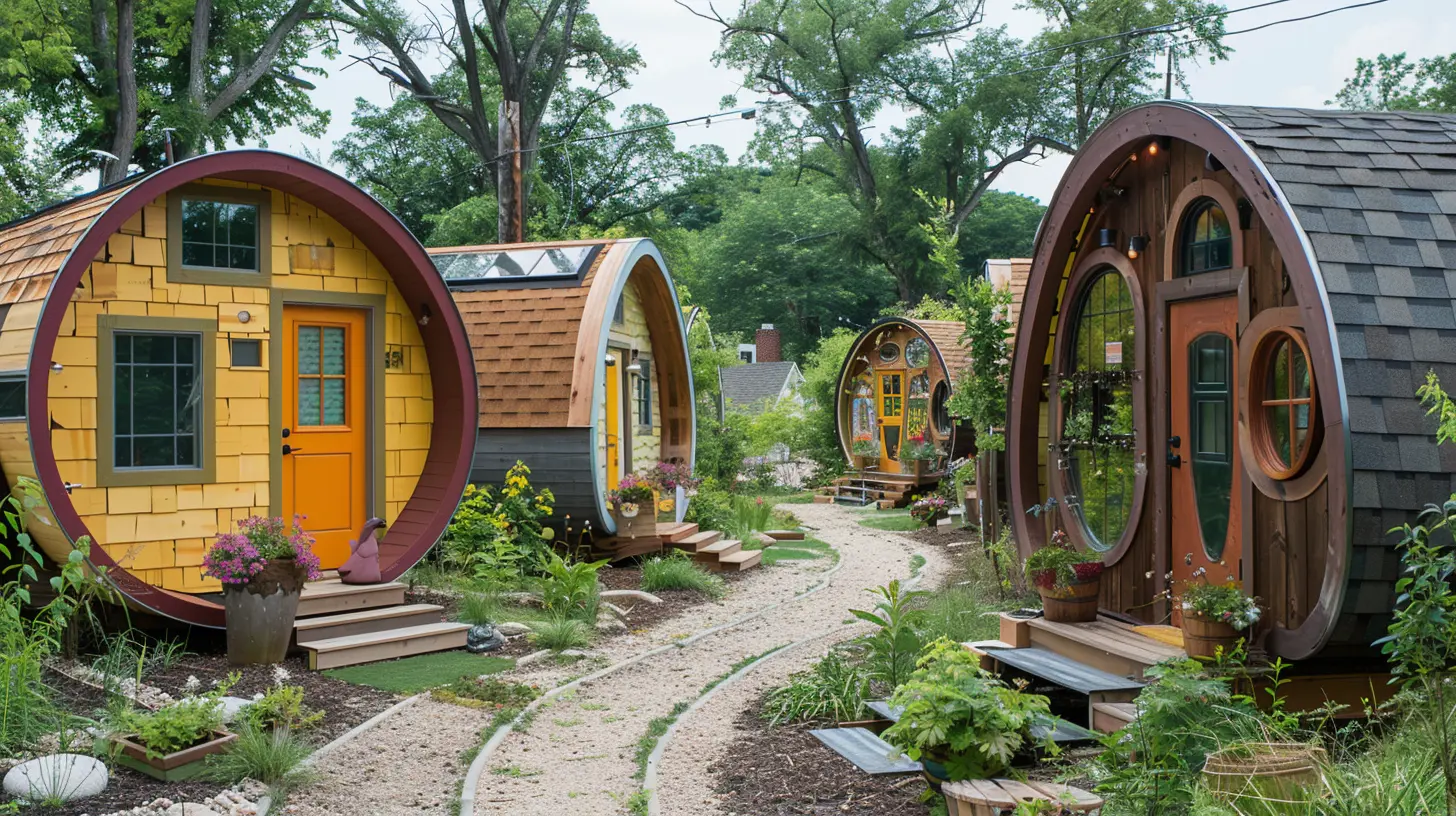
The Future of Tiny Home Villages
So, what’s next for tiny home villages? If the current trend continues, we’ll likely see more cities embracing this concept, changing their zoning laws to accommodate small-scale communities.We may also see an evolution in design—think more technology-integrated homes, self-sustainable villages, and even eco-friendly tiny home resorts. With a growing demand for affordable, community-driven living, tiny home villages could soon become the norm rather than the exception.
At the end of the day, it’s clear that tiny home villages are about more than just housing. They represent a shift toward meaningful connections, financial freedom, and sustainable living. In a world that often prioritizes bigger and better, they remind us that sometimes, smaller is smarter.
Conclusion
Tiny home villages are redefining what it means to live well. Beyond just being an affordable housing option, they foster deep connections, promote sustainability, and offer a simpler, more intentional way of life.Sure, they come with challenges, but for many, the benefits far outweigh the drawbacks. Whether you’re seeking financial independence, a strong community, or a greener lifestyle, tiny home villages provide a refreshing alternative to traditional housing.
So, could tiny home living be for you? Maybe it’s time to think small to live big.
all images in this post were generated using AI tools
Category:
Tiny HomesAuthor:

Kingston Estes
Discussion
rate this article
1 comments
Peter McKnight
Imagine a place where simplicity meets connection. Tiny home villages whisper of shared lives and untold stories, inviting us to rethink how we build community. What hidden treasures lie within these compact spaces, waiting to be discovered by those who dare to venture in?
July 23, 2026 at 12:16 PM
Kingston Estes
Tiny home villages truly embody the spirit of connection. Each small space holds unique stories, inviting us to forge deeper relationships and explore new ways of living together.