How to Create a Tiny Home Garden and Maximize Fresh Produce
18 December 2025
Have you ever looked at your small backyard, balcony, or even a windowsill and thought, "There’s no way I can grow anything here"? Well, let me stop you right there. Even with the tiniest of spaces, you have the power to create a lush, productive garden that keeps your table stocked with fresh produce all year round. It’s like having a farmer’s market right outside your door—minus the crowds and parking hassle.
Whether you're living in an apartment, a cozy suburban home, or even a tiny house, this guide will walk you through everything you need to know about creating a tiny home garden. Trust me—it’s easier (and way more fun) than you think. So roll up your sleeves, grab your gardening gloves, and let’s dig in!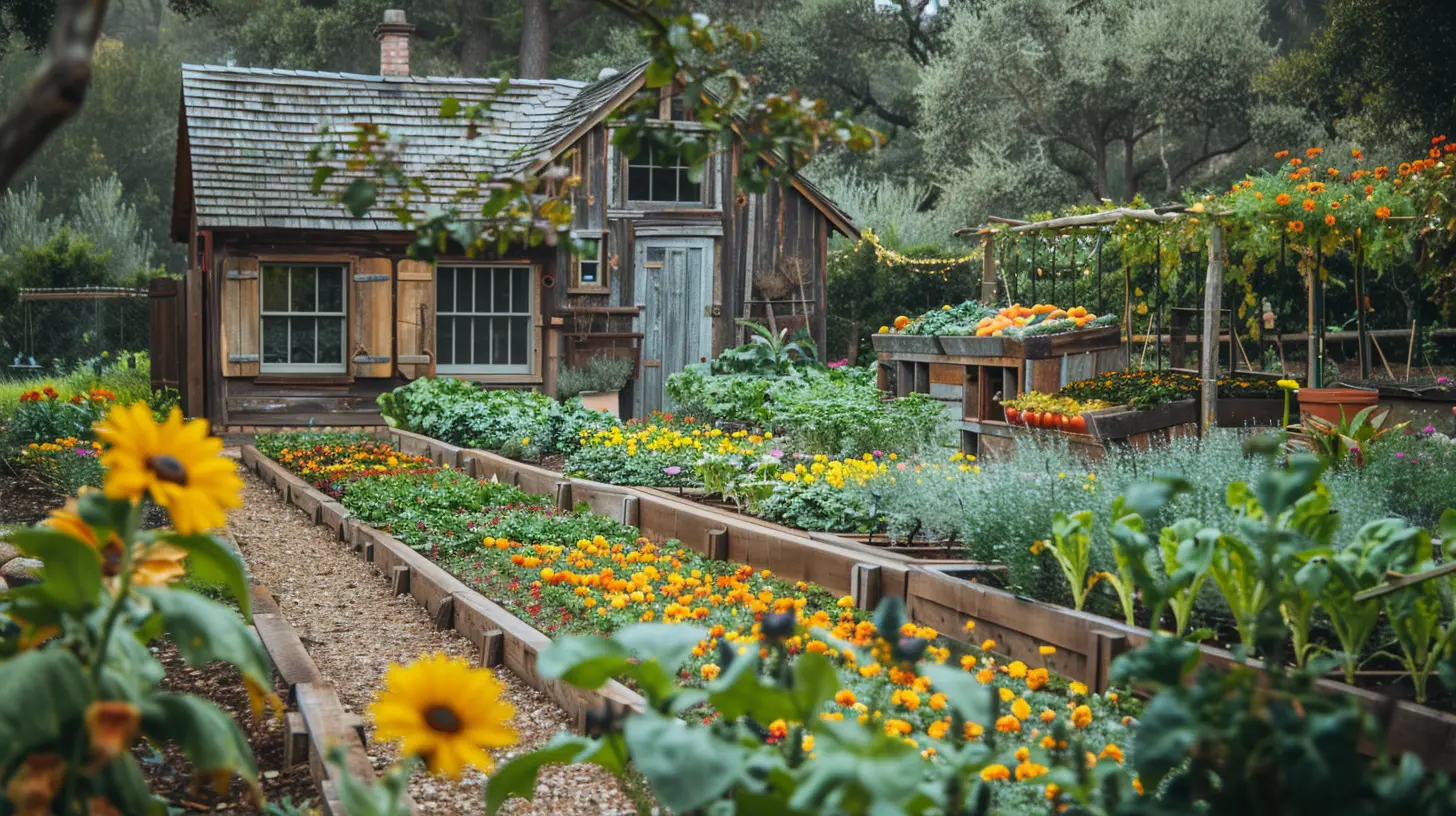
Why Start a Tiny Home Garden?
First things first: why would anyone want to create a tiny home garden? Simple. It's about more than just saving money or eating healthier (though those are awesome perks). It's also about reconnecting with nature, creating something with your hands, and experiencing the pure joy of harvesting your own food. There’s a certain magic in biting into a tomato you grew yourself. It’s like summer in every bite.And don’t let the "tiny" part throw you off. Small spaces can be surprisingly mighty when it comes to gardening. With a little creativity, even a few square feet can yield enough herbs, veggies, and fruits to brighten up any meal. Plus, it’s sustainable, eco-friendly, and a perfect way to decompress from the daily grind. Who wouldn’t want that?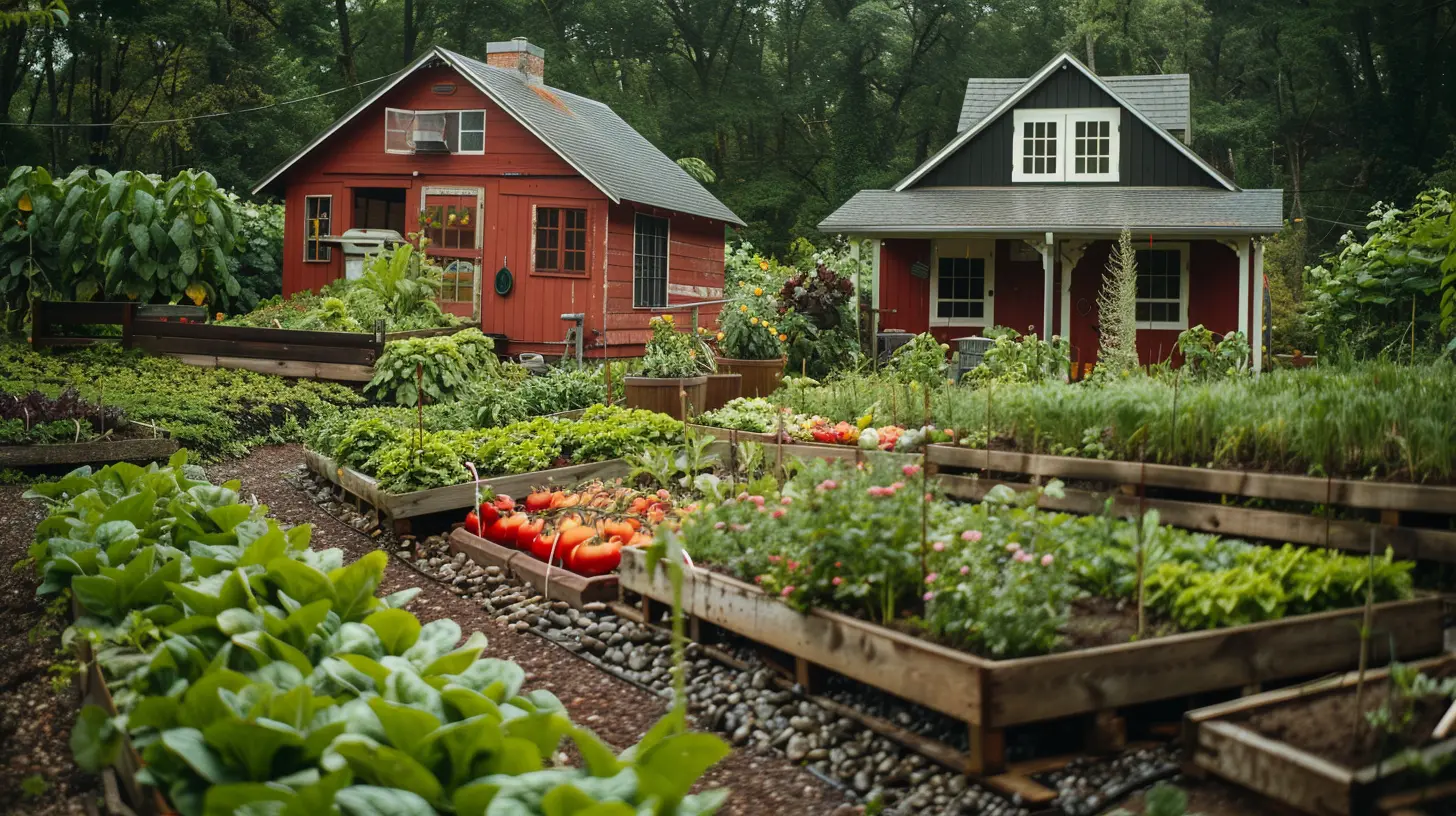
Step 1: Assess Your Space
Alright, let’s start with what you’ve got. Take a good look at your available space. Is it a sunny corner on your balcony? A patch of grass next to your driveway? A sunny windowsill in your kitchen? No matter how small, there’s always potential.Things to Consider:
1. Sunlight: Plants need light like we need coffee in the morning. Most veggies and herbs thrive with at least 6–8 hours of sunlight per day. Track the sun in your space for a day to figure out the best spot.2. Access to Water: Hauling water across your home gets old pretty fast. Try to set up your garden near a water source or invest in a lightweight watering can.
3. Vertical vs. Horizontal Space: If you have limited ground space, think vertical! Wall planters, hanging pots, and trellises are lifesavers for tiny gardens.
Pro tip: Don’t overthink it. Plants are remarkably adaptable. Where there’s light, soil, and water, there’s growth.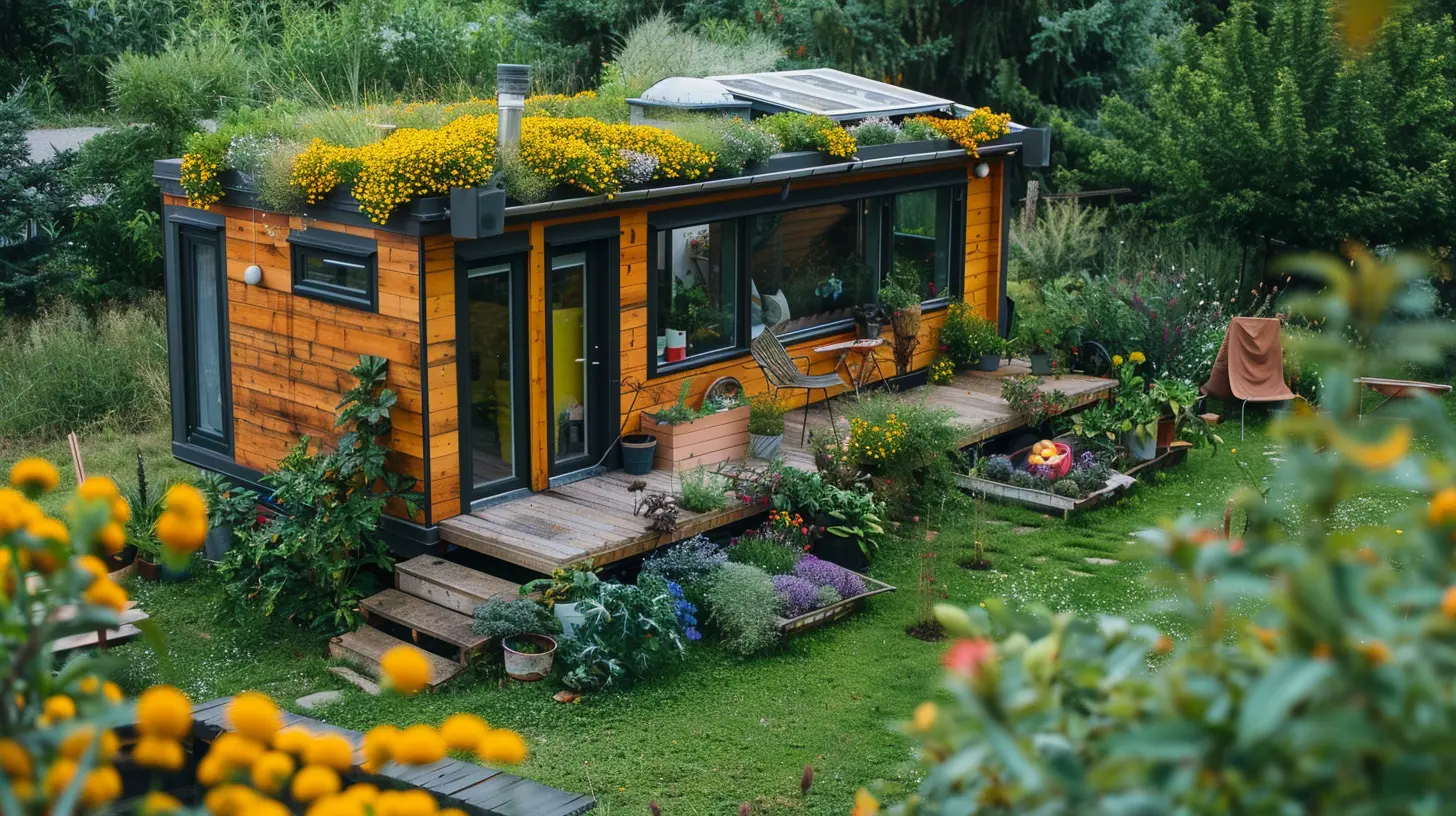
Step 2: Choose the Right Plants
Let’s talk about your plant squad. When you’re working with a small space, every plant needs to earn its keep. Go for high-yield, compact, and low-maintenance varieties. Bonus points if they add some green beauty to your surroundings!Best Edible Plants for Tiny Spaces:
- Herbs: Basil, mint, parsley, cilantro, thyme, rosemary—these are your kitchen workhorses. Plus, they smell amazing.- Leafy Greens: Spinach, arugula, kale, and lettuce grow quickly and don’t need deep soil.
- Cherry Tomatoes: They’re small in size but big in flavor. Perfect for snacking or salads.
- Peppers: Bell peppers or chili peppers can thrive in pots with the right care.
- Strawberries: These little fruits are happy to grow in hanging baskets or small containers.
- Radishes and Carrots: Root veggies may surprise you with how well they adapt to containers.
Quick tip: If you’re feeling adventurous, you can even try dwarf fruit trees. Yes, you can actually grow lemons or apples in pots! Talk about leveling up your garden game.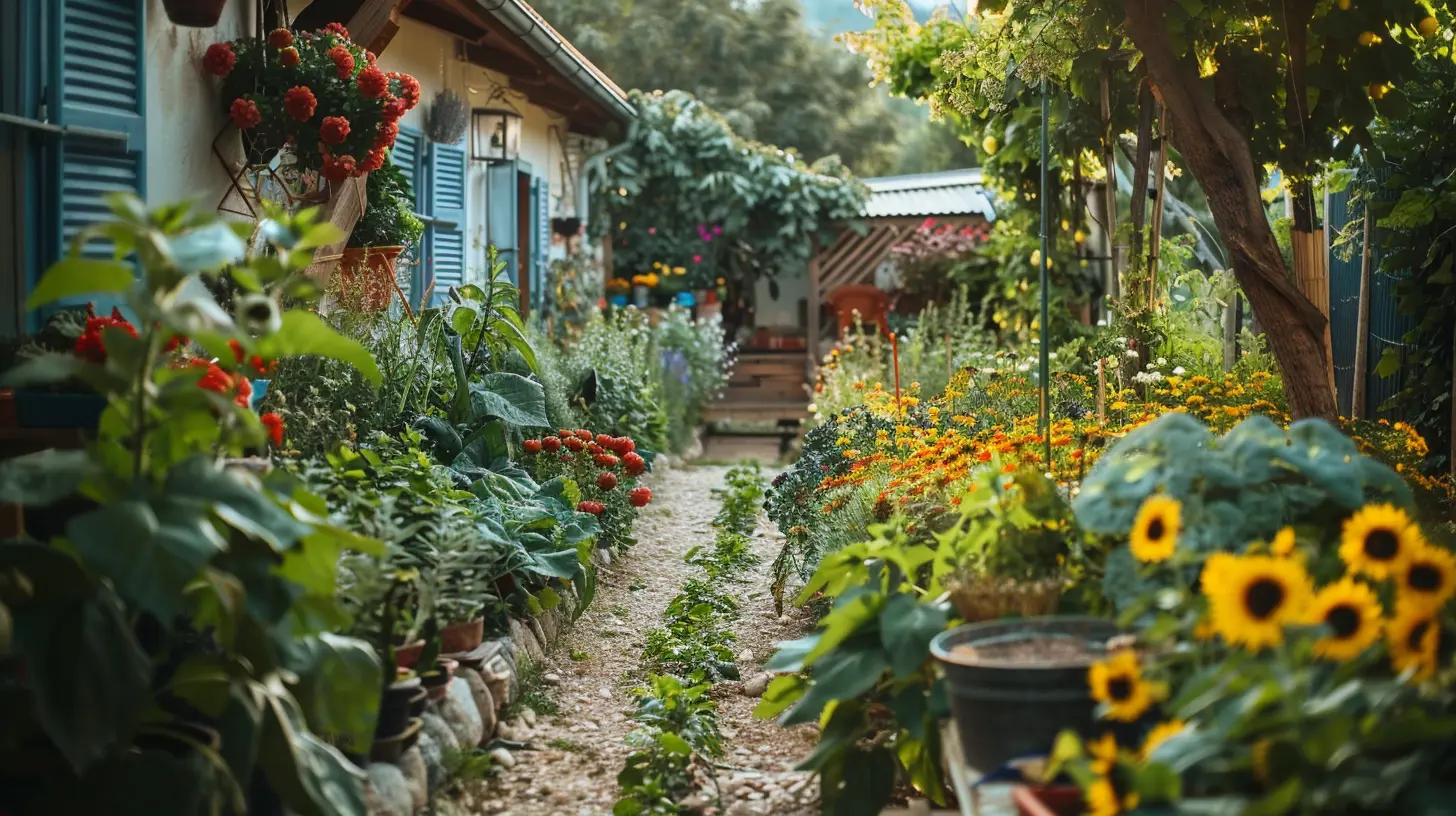
Step 3: Use Space-Saving Gardening Techniques
Let’s face it: tiny home gardens don’t come with sprawling acreage. But who needs that when you’ve got smart gardening techniques?Go Vertical
Think of a tiny garden like a Manhattan apartment—you’ve got to build up, not out. Install vertical planters on walls, use hanging baskets, or create trellises for climbing plants like peas or beans.Container Gardening
No yard? No problem. Grab pots, buckets, or even old coffee tins and turn them into planters. Just make sure they have good drainage holes (plants hate soggy feet).Square Foot Gardening
Divide your growing area into small square sections and plant different crops in each square. It’s a simple way to maximize space and keep your garden organized.Companion Planting
Like people, some plants make great neighbors. For example, basil and tomatoes grow well together, while marigolds help repel pests. Research ideal plant pairings to make the most of your plot.Step 4: Prep Your Soil
Good soil is like the foundation of a house—it’s what keeps everything standing strong. Even if you’re growing in pots, you need nutrient-rich soil to give your plants a great head start.- Use high-quality potting mix (not backyard dirt—it’s not the same thing).
- Mix in compost or organic matter to boost nutrients.
- Add perlite or vermiculite if you need better drainage.
Pro tip: If you’re low on compost, make your own! Toss veggie scraps, eggshells, and coffee grounds into a compost bin or pile. It’s like free fertilizer.
Step 5: Water Like a Pro
Watering is where tiny gardens either thrive or fail. Overwatering is a common mistake. Most plants don’t want to drown—they want a steady drink every now and then.- Stick your finger in the soil. If it’s dry an inch below the surface, it’s time to water.
- Water early in the morning or late in the afternoon to avoid evaporation.
- Use a watering can with a narrow spout for precision watering in small spaces.
Pro tip: Consider a self-watering planter if you’re forgetful. It’s like a babysitter for your plants.
Step 6: Keep Pests at Bay
Tiny gardens are magnets for pests because everything’s packed into a small space. But don’t worry—you can handle this.- Natural Repellents: Sprinkle cinnamon or crushed eggshells around plants to deter ants and slugs.
- Essential Oils: Peppermint or neem oil diluted with water works wonders at keeping pests away.
- DIY Traps: Use shallow dishes of beer to attract and trap slugs. Weird, but it works.
Stay vigilant and check your plants regularly for any signs of trouble. Catching issues early is half the battle.
Step 7: Harvest and Enjoy
Here’s the best part of all your hard work—harvesting! Pick herbs and veggies as soon as they’re ready. Regular harvesting actually encourages more growth, so don’t be shy about snipping those basil leaves or plucking the ripened tomatoes.When you use your own produce in the kitchen, the flavor is unbeatable. Trust me, once you’ve tasted a salad made from your own garden, you’ll never go back.
Bonus Tips for Success
- Start Small: It’s easy to get overexcited and plant too much. Keep it simple at first. You’ll avoid feeling overwhelmed.- Label Everything: Trust me, seedlings all look the same when they’re tiny. Use labels so you know what’s what.
- Keep Experimenting: Gardening is all about trial and error. If something doesn’t work, try something else next season.
A Tiny Garden, Huge Rewards
Creating a tiny home garden isn’t just about the produce—it’s an act of self-care. It’s a way to create beauty in a small space, reconnect with nature, and add a little more intention to your daily life. Plus, what’s cooler than serving a meal and saying, “I grew this myself”?So don’t let a lack of space hold you back. You don’t need a farm to be a gardener. All you need is a patch of light, a little elbow grease, and a willingness to get your hands dirty. Trust me—you’ve got this.
all images in this post were generated using AI tools
Category:
Tiny HomesAuthor:

Kingston Estes
Discussion
rate this article
2 comments
Teagan Vance
Small spaces can yield big harvests—get creative!
December 25, 2025 at 11:18 AM
Kingston Estes
Absolutely! Thinking outside the box can transform even the tiniest spaces into thriving gardens. Embrace vertical gardening, container planting, and innovative layouts to maximize your harvest!
Remi McGowan
Great article! I love the practical tips on maximizing space in a tiny home garden. It's inspiring to see how much fresh produce can be grown in small areas. I’m excited to try these ideas in my own garden. Thank you for sharing!
December 19, 2025 at 12:23 PM
Kingston Estes
Thank you for your kind words! I'm glad you found the tips helpful and inspiring. Happy gardening!