How to Power Your Tiny Home with Solar Energy
4 January 2026
Tiny homes are all the rage these days. Whether it's the freedom of minimal living or the desire to reduce your carbon footprint, more people are ditching traditional houses for compact, efficient spaces. But one big question comes up for most tiny homeowners: how do you power it efficiently?
The answer? Solar energy. It's clean, renewable, and—best of all—practically free once you've set it up. If you’re thinking about installing solar panels on your tiny home, this guide will walk you through everything you need to know. 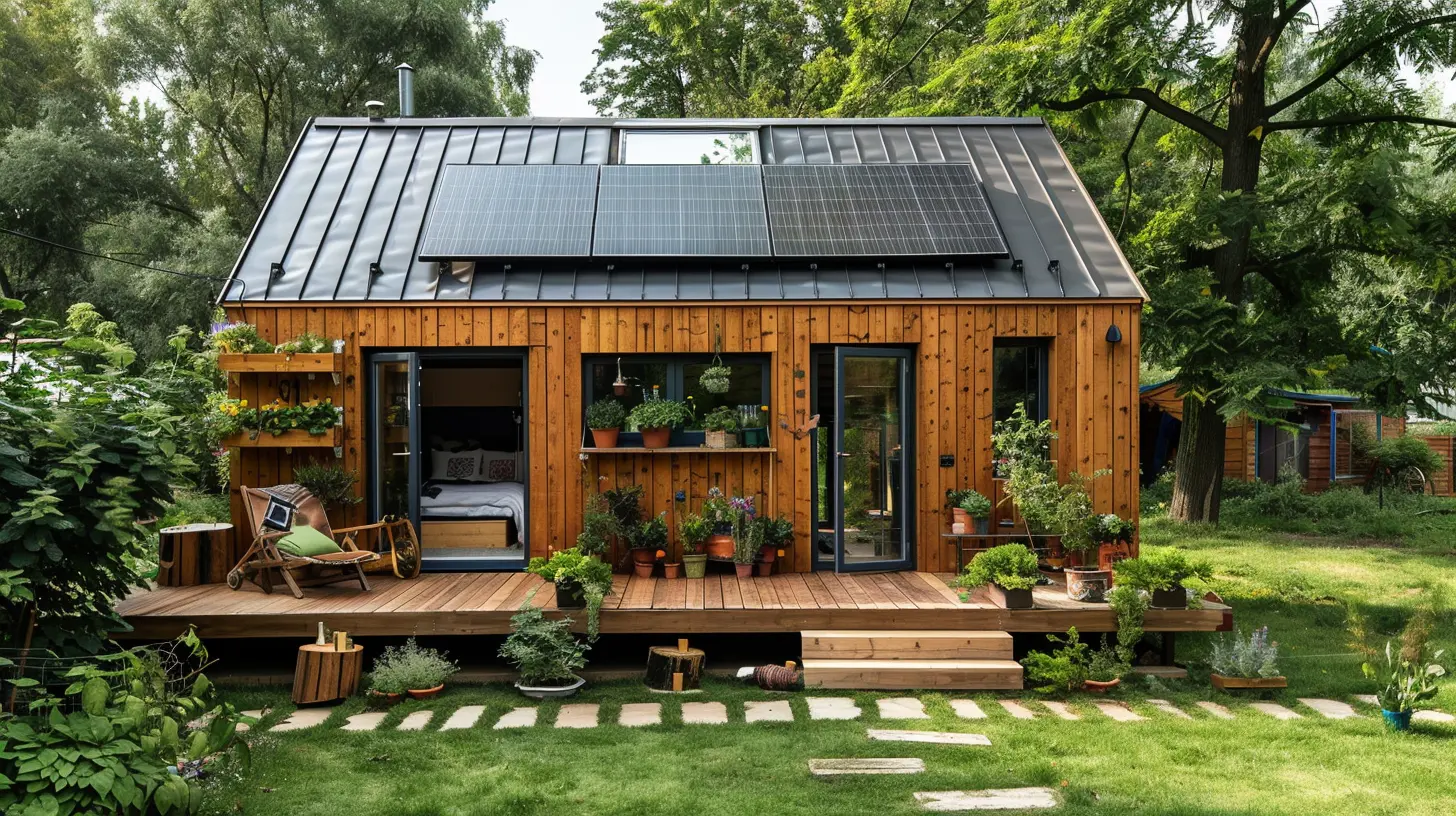
Why Solar Energy is Perfect for Tiny Homes
Tiny homes and solar energy are a match made in heaven. Here’s why:- Lower Energy Needs: Tiny homes consume way less power than a traditional home, making solar a practical and affordable option.
- Off-Grid Freedom: Want to park your home in the middle of nowhere? With solar energy, you can go completely off-grid and still have electricity.
- Eco-Friendly Choice: Using solar panels cuts down on fossil fuel consumption, making it a green energy solution.
- Cost Savings: While the initial cost may seem high, solar panels pay for themselves in the long run.
If sustainability and savings are high on your priority list, solar power is a no-brainer. 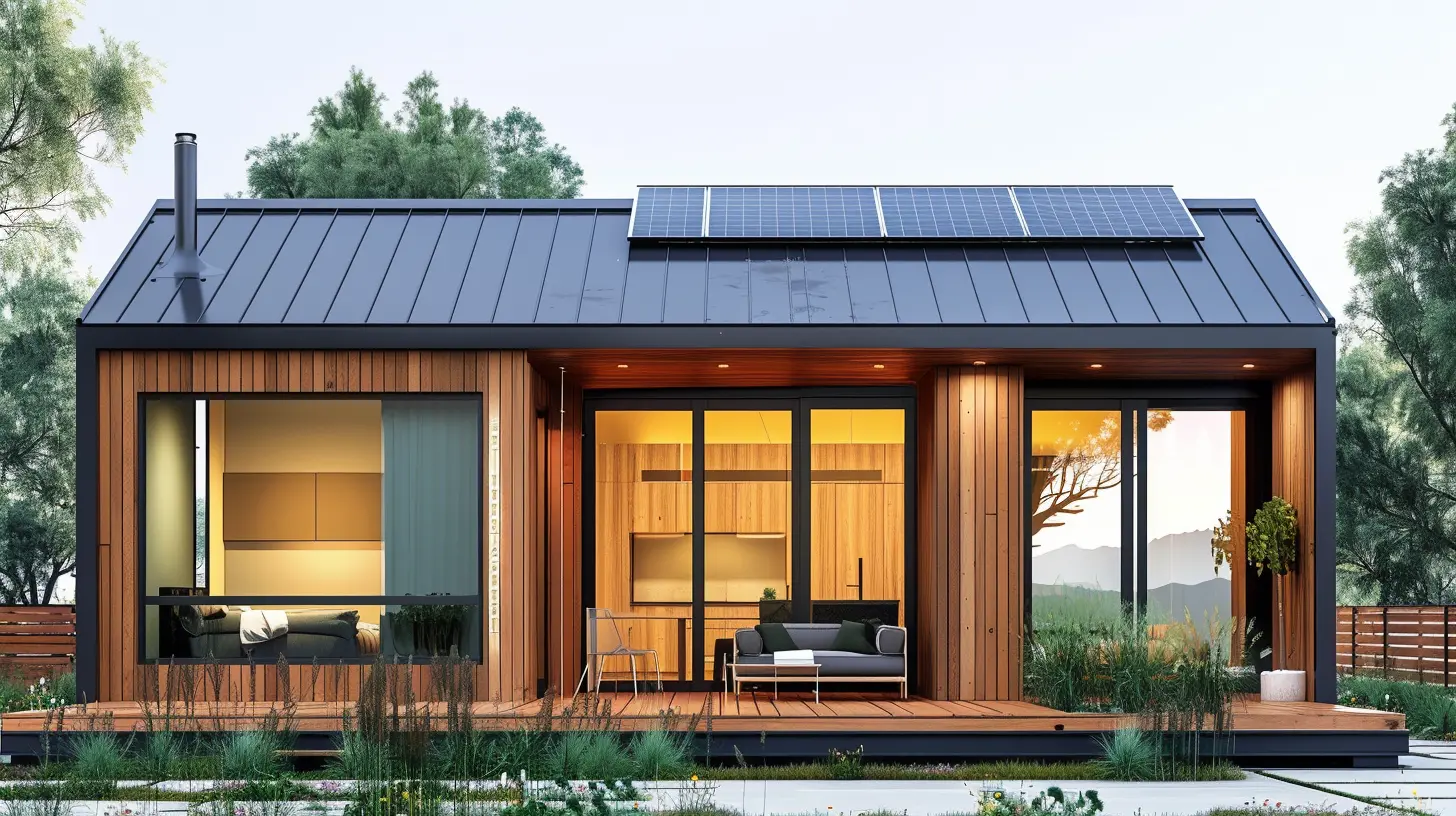
How Does Solar Power Work for a Tiny Home?
Before we get into the nitty-gritty of installation, let’s break it down:1. Solar panels capture sunlight and convert it into electricity.
2. That electricity flows into an inverter, which changes it from direct current (DC) to alternating current (AC), making it usable for household appliances.
3. If you have a battery storage system, excess energy gets stored for use at night or on cloudy days.
4. Otherwise, if you're hooked up to the utility grid, you can even sell excess power back (if net metering is available in your area).
Now, let’s dive into what you need to get started. 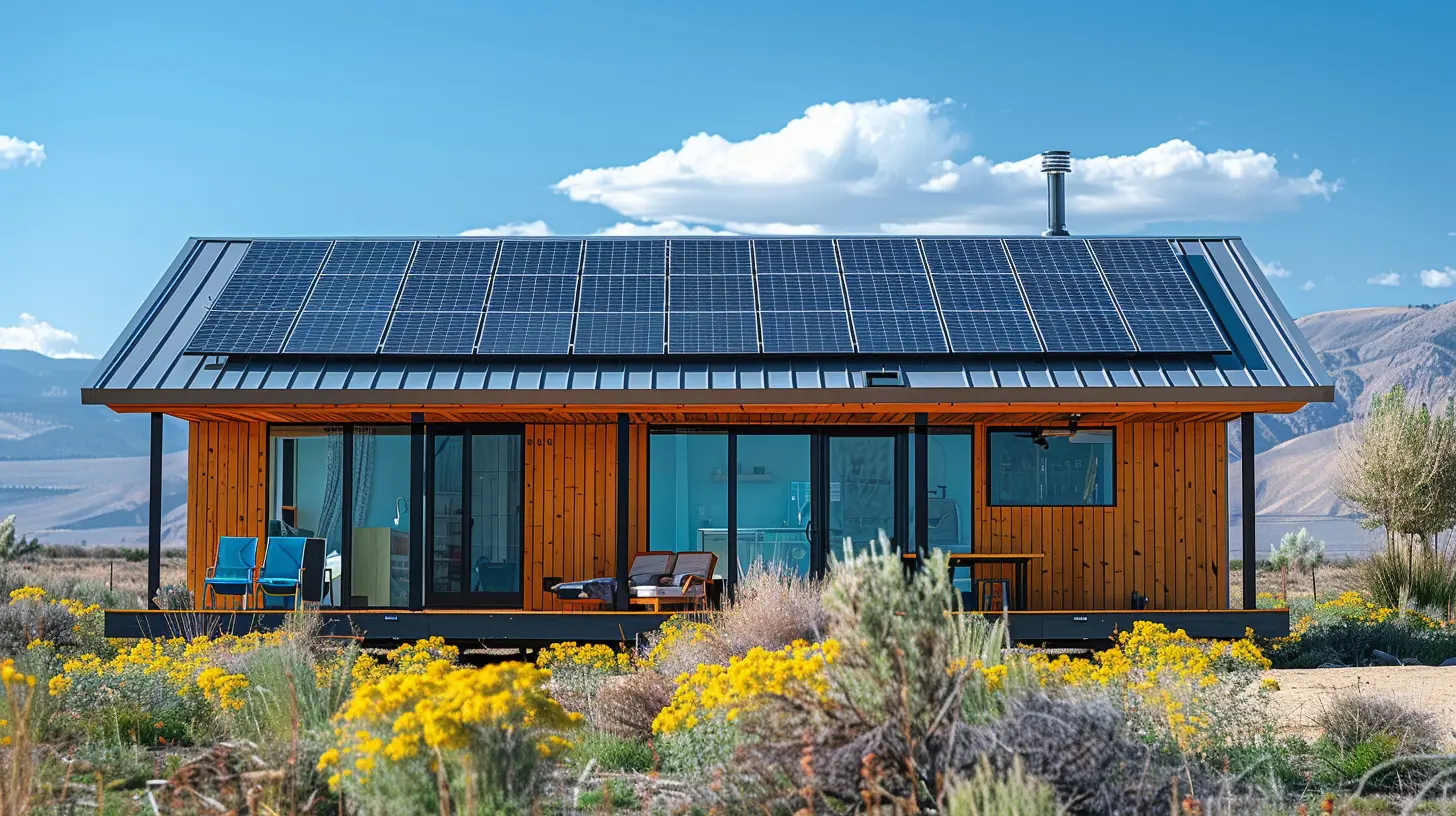
What You Need for a Solar-Powered Tiny Home
To successfully power your tiny home with solar energy, here’s what you’ll need:1. Solar Panels
Solar panels come in different types, but for tiny homes, monocrystalline panels are often best. They’re highly efficient and take up less space.How many do you need? That depends on your energy consumption. A tiny home typically needs between 2 to 6 panels, depending on your appliances and energy usage.
2. Charge Controller
A charge controller regulates the voltage from the solar panels before it reaches your battery. MPPT (Maximum Power Point Tracking) controllers are the most efficient and maximize energy harvested from the sun.3. Battery Storage (Optional, but Recommended)
Storing solar energy is crucial if you're planning to live off-grid. A lithium-ion battery is the best choice because it has a longer lifespan and charges more efficiently than lead-acid batteries.4. Inverter
Most household appliances use AC power, while solar panels generate DC power. An inverter converts DC into AC, making it usable for your home. Look for a pure sine wave inverter for the best performance.5. Backup Generator (Optional, but Useful)
If you live in an area with long stretches of cloudy days, a small backup generator can be a lifesaver for recharging your batteries when solar output is low.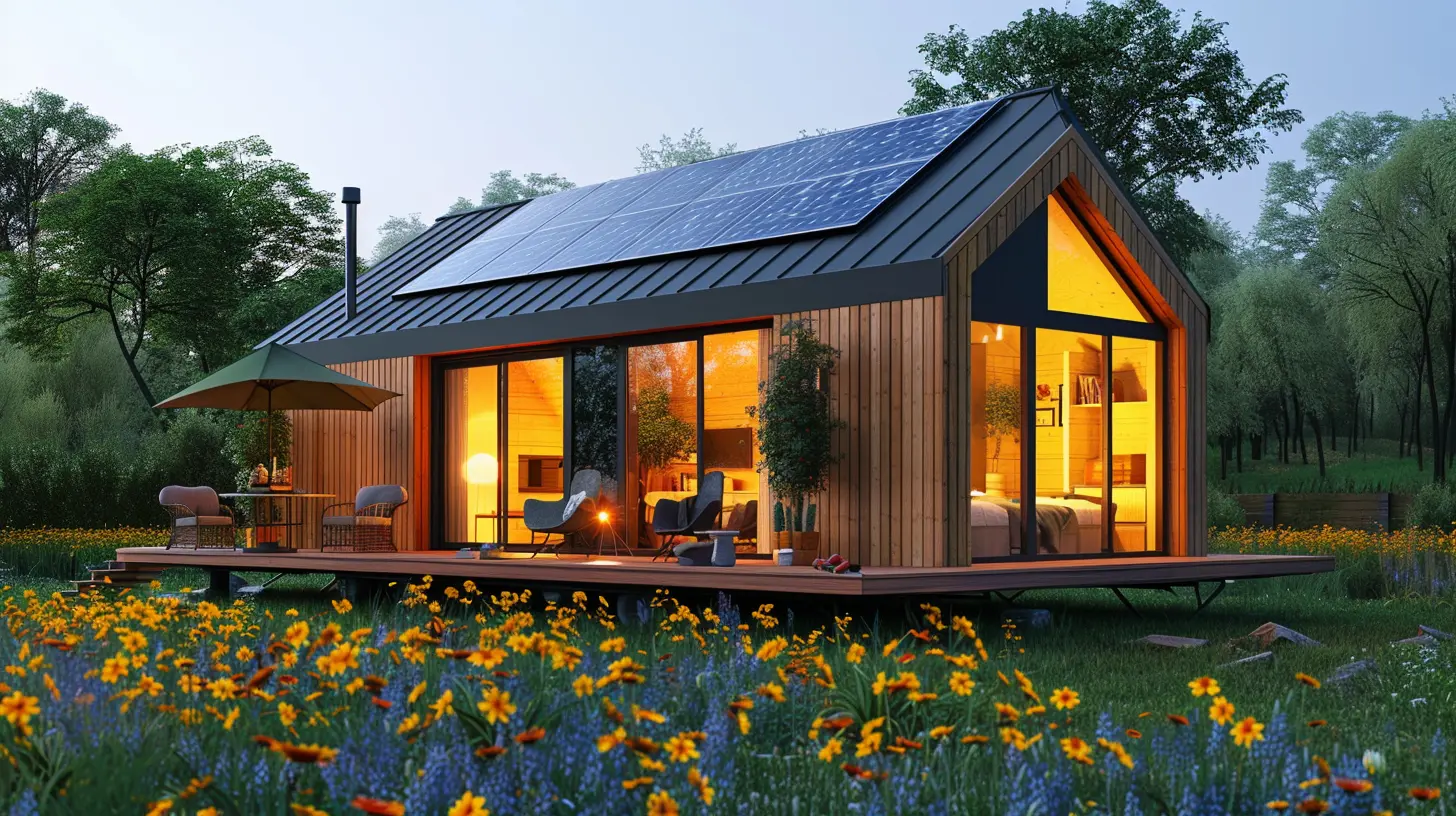
How to Calculate Your Solar Needs
Before buying your system, you need to determine how much power you actually use. Here’s how:1. List all the appliances you plan to use—lights, fridge, laptop, heater, etc.
2. Check the wattage of each item (usually found in the user manual or on the device itself).
3. Calculate your daily usage by multiplying the wattage by the number of hours you’ll use it each day.
4. Add up the total watt-hours (Wh) you’ll need daily.
For example:
- A 60W laptop used for 5 hours/day = 300Wh
- A 100W fridge running for 10 hours/day = 1000Wh
- LED lights using a total of 50W for 5 hours/day = 250Wh
Total daily energy consumption: 1,550Wh (or 1.55kWh)
Once you know your daily usage, you'll need enough solar panels to generate that much power per day. If you have 5 hours of sunlight per day, a 400W solar panel system would generate about 2,000Wh (or 2kWh) daily—enough to cover your needs with a small buffer.
Installation: DIY vs. Hiring a Professional
Installing solar panels on a tiny home is a project you could tackle yourself if you're handy. However, if electrical work isn’t your strong suit, hiring a professional might be the smarter move.DIY Installation
If you’re taking the DIY route, here’s a simple overview of what’s involved:1. Mount the solar panels either on your roof or a ground-mounted system nearby.
2. Connect the charge controller to regulate the power flow.
3. Wire the battery bank (if using one) to store energy.
4. Install the inverter to change DC power into AC power.
5. Run wiring throughout your home to power appliances and outlets.
It’s a straightforward but technical job, so make sure you’re comfortable with basic wiring and electrical work.
Hiring a Pro
If wiring makes you nervous (or you just want it done right the first time), hiring a professional installer is a solid choice. They’ll ensure your system is safe, efficient, and meets any local codes or regulations.Tips for Getting the Most Out of Your Solar System
- Use Energy-Efficient Appliances: Opt for LED lights, a DC-powered fridge, and low-wattage devices to extend battery life.- Track Your Energy Usage: Install a solar monitoring system to keep an eye on your production and consumption.
- Keep Panels Clean: Dust and dirt can reduce efficiency, so clean your panels regularly.
- Angle Your Panels Correctly: If your panels are adjustable, tilt them to maximize sunlight exposure based on the season.
- Have a Backup Plan: A small portable generator or extra battery storage can be handy on cloudy weeks.
Common Myths About Solar Power and Tiny Homes
"Solar panels won’t produce enough power for me."Unless you’re running an energy-hungry system (like central air conditioning), a well-designed solar setup will cover your needs.
"Solar is too expensive."
The upfront cost can be high, but once installed, your energy is essentially free for years. Plus, there are tax credits and rebates available in many areas.
"Solar doesn’t work in cloudy weather."
While output decreases on cloudy days, modern solar panels still generate power even when sunlight is indirect. Pairing solar with battery storage helps you ride out cloudy periods.
Final Thoughts
Powering your tiny home with solar energy is one of the best decisions you can make. It’s eco-friendly, cost-efficient, and gives you the freedom to live off-grid if you choose.By carefully planning your system, using energy-efficient appliances, and maintaining your setup, you’ll have a reliable, renewable energy source that keeps your tiny home powered for years to come.
So, are you ready to take the leap into solar-powered living? Your tiny home's future looks bright—literally!
all images in this post were generated using AI tools
Category:
Tiny HomesAuthor:

Kingston Estes
Discussion
rate this article
2 comments
Jennifer McQuillen
This article beautifully captures the essence of sustainable living in tiny homes. The insights on harnessing solar energy not only empower residents to reduce their carbon footprint but also inspire a deeper connection with nature. Thank you for sharing these valuable tips that can truly transform the tiny home experience!
January 23, 2026 at 5:33 AM
Kingston Estes
Thank you for your kind words! I'm glad you found the insights helpful. Embracing solar energy really does enhance the tiny home journey.
Maddox McIlroy
Harnessing solar energy for your tiny home maximizes sustainability and reduces utility costs. Explore efficient solar panel options to enhance your eco-friendly living experience.
January 9, 2026 at 12:49 PM
Kingston Estes
Thank you for your comment! I completely agree—solar energy is a fantastic way to enhance sustainability and cut costs in a tiny home. Exploring efficient solar panel options is key to optimizing that eco-friendly lifestyle!