The Hidden Costs of Tiny Home Living: What You Should Plan For
17 July 2026
Tiny homes may look like the perfect escape from high rent and overwhelming mortgages, but they come with their own set of challenges. While you may be dreaming of a minimalist, cost-effective lifestyle, there are hidden expenses that can sneak up on you if you're not prepared. Let’s break down the real costs associated with tiny home living so you can plan wisely. 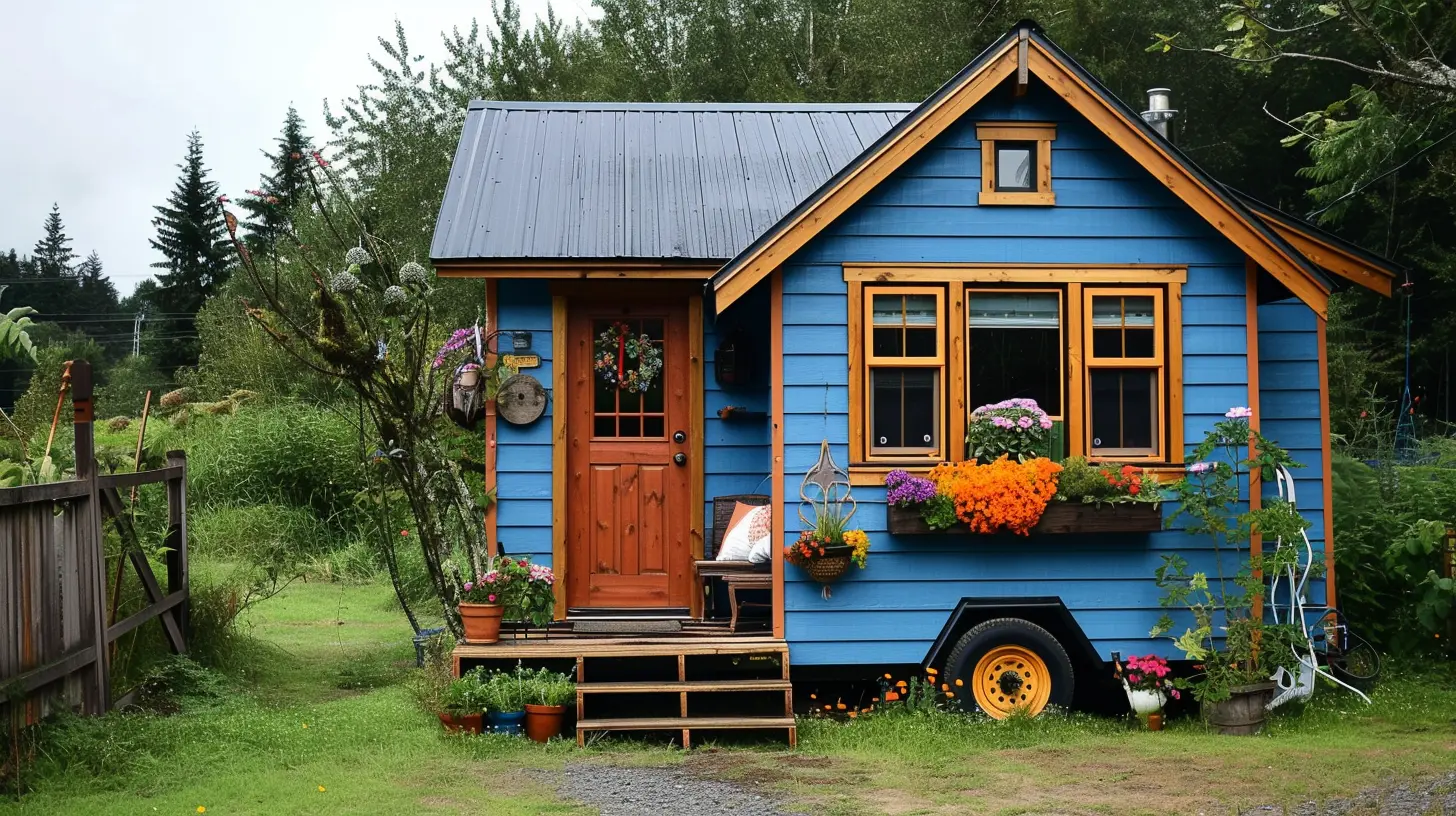
1. Land Costs – Where Will You Park It?
One of the biggest misconceptions about tiny homes is that they eliminate the need for expensive real estate. While that’s partly true, you still need a place to park your tiny home, and that isn't always free.Buying Land
If you plan to purchase land, be prepared for zoning restrictions, taxes, and utility setup costs. Many areas don’t allow tiny homes as permanent residences due to building codes.Renting a Parking Spot
If buying land is off the table, you might need to rent space in an RV park, tiny home community, or on private land. These costs can range anywhere from $300 to $1,500 per month, depending on the location.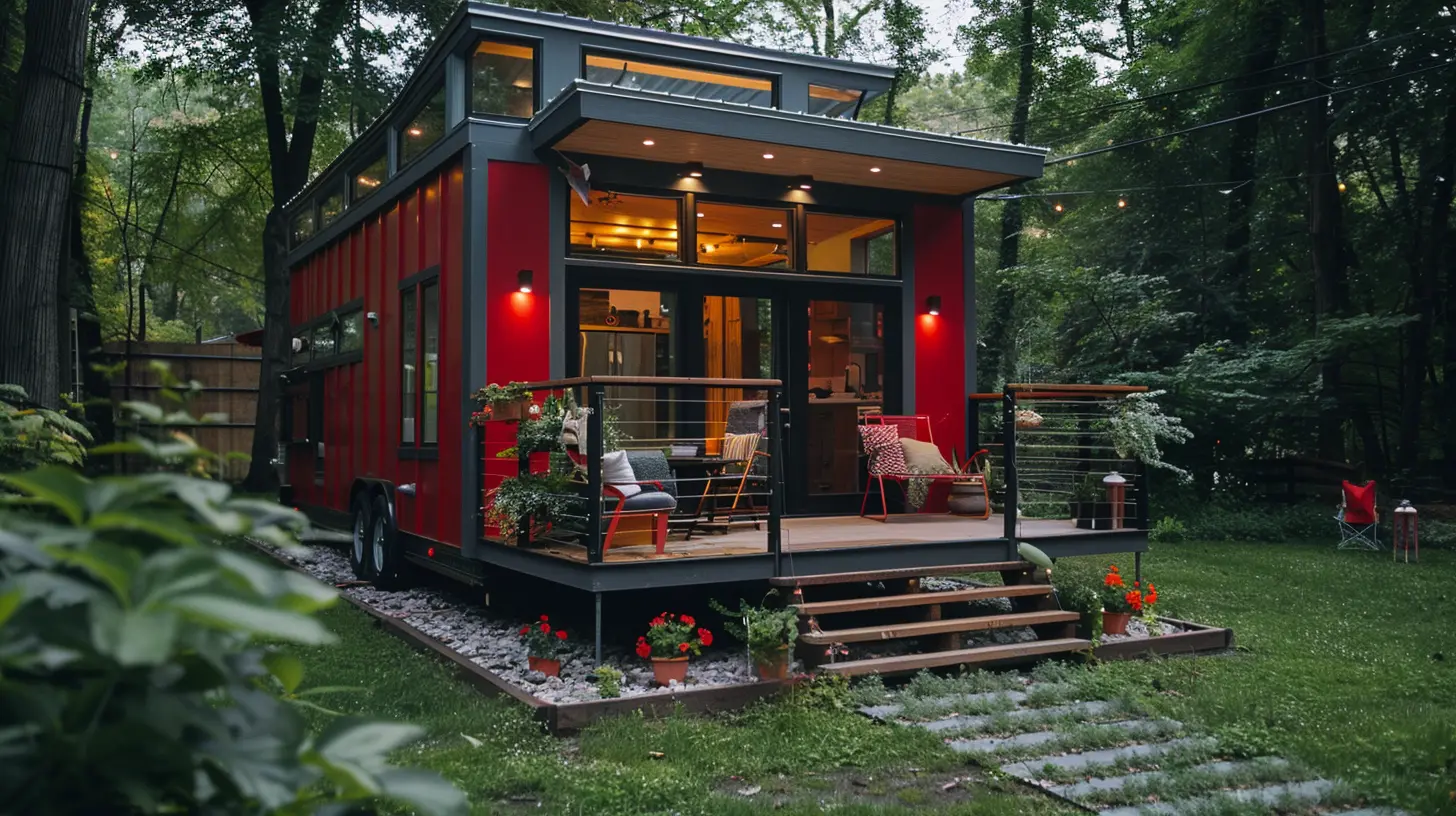
2. Utility Hookups & Off-Grid Living
With a traditional house, utilities are a given. In a tiny home, they require careful planning and extra investment.Water and Sewer
Hooking up to city services isn’t always easy or cheap. Sewer and water connections can cost thousands, especially if you’re on your own land. If you opt for a composting toilet and rainwater collection, those systems also come with initial costs and maintenance expenses.Electricity and Solar Power
If your tiny home is off-grid, solar panels might seem like an easy fix. However, a full solar setup can cost anywhere from $5,000 to $30,000. If you’re connecting to a city power grid, expect fees for installation and permits.Internet and Cell Service
Since tiny homes are often in rural areas, reliable internet can be expensive or unreliable. Satellite internet or mobile hotspots might be necessary, adding to your monthly expenses.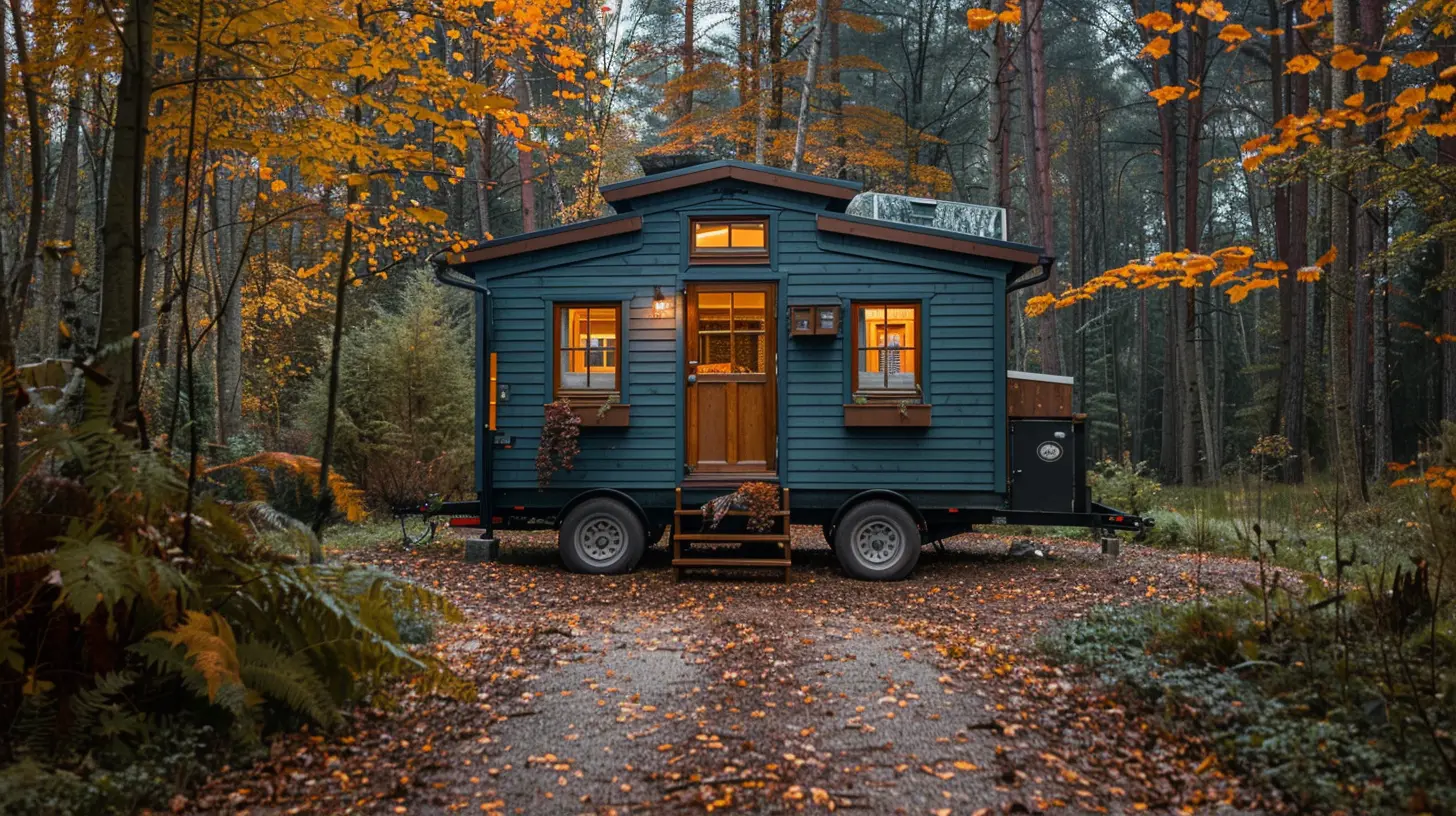
3. Insurance and Financing Challenges
Tiny Home Insurance Isn't Standard
Getting homeowners’ insurance for a tiny home can be tricky. Some insurance companies won’t cover them at all, while others charge higher premiums due to mobility or non-traditional construction.Financing Can Be Difficult
Traditional mortgage lenders don’t usually finance tiny homes because they don’t meet standard home requirements. That means you may need a personal loan, which often comes with higher interest rates.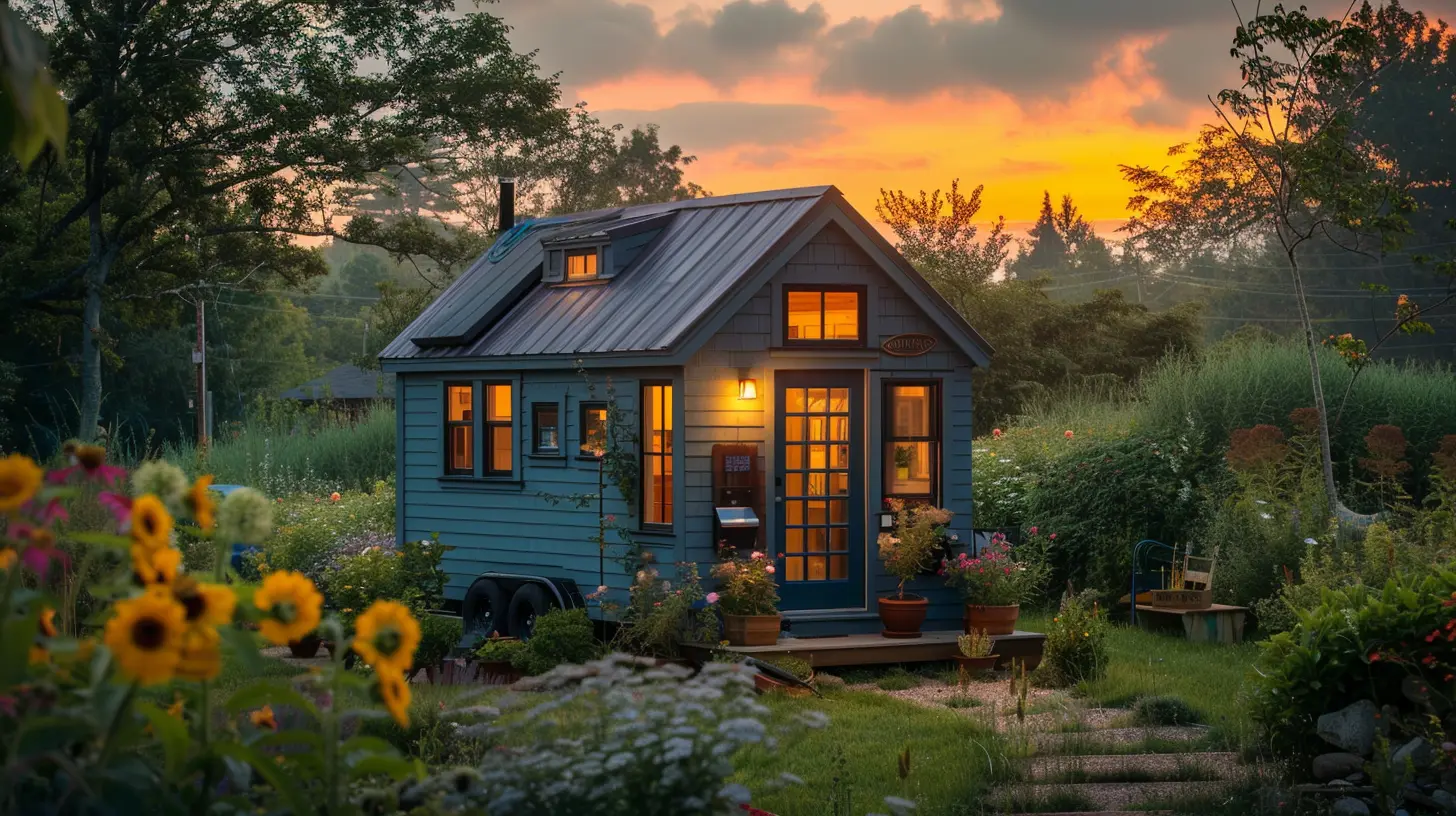
4. Maintenance and Repairs
Tiny homes may seem low-maintenance, but they still require upkeep.Wear and Tear Adds Up
Because everything is compact, tiny homes experience wear and tear faster, especially in high-traffic areas like the kitchen and bathroom.Roof and Exterior Repairs
If your tiny home is on wheels, constant movement can lead to structural stress, which means more frequent repairs. Roofing issues, leaks, and weather damage are not uncommon.5. Storage Solutions – Where Will You Put Everything?
Tiny living means downsizing, but even then, storage is a challenge.Additional Storage Units
Many tiny homeowners end up renting storage units for items they can’t fit, adding to their monthly expenses. Storage unit costs range from $50 to $300 per month, depending on size and location.Custom Storage Solutions
Built-in storage helps make the most of a small space, but custom shelves, furniture, and multi-functional pieces can add thousands to your initial build cost.6. Lifestyle Adjustments & Hidden Comfort Costs
Tiny home living isn’t just about space—it’s a lifestyle change.Heating and Cooling Challenges
Because tiny homes are small, regulating temperature can be tough. In winter, they can become too cold, and in summer, they can overheat quickly. Investing in insulation, a mini-split HVAC system, or heating alternatives can add to your costs.Outdoor Living Essentials
Many tiny homeowners rely on outdoor space for extra room, meaning you may need to invest in decks, awnings, or even an outdoor kitchen to make the most of your space.Laundry & Daily Conveniences
Full-sized washers and dryers don’t always fit in tiny homes. You may have to rely on laundromats, which can be inconvenient and costly over time.7. Moving Costs – Relocating Isn’t Free
If your tiny home is mobile, you may want to move it occasionally. But towing a tiny home isn’t like moving an RV—it requires special care.Towing Fees & Permits
If you don't have a truck strong enough to tow your tiny home, you’ll need to hire someone, which can cost up to $5,000 depending on the distance. Some states require transport permits, adding to the cost.Wear and Tear on Your Home
Every time you move your tiny home, you risk damaging it. Roads, weather, and constant motion can cause structural issues over time.8. Resale Value & Marketability
Buying a tiny home is a big decision, but selling one can be even harder.Limited Buyer Pool
Tiny homes aren’t for everyone, meaning it may take longer to sell if you ever decide to move on from the lifestyle.Depreciation Risks
Unlike traditional homes, tiny homes often depreciate rather than appreciate in value, especially if they are on wheels rather than a permanent foundation.Final Thoughts
Tiny home living can be an exciting adventure, but it’s not always as financially freeing as it seems. From land and utilities to maintenance and lifestyle adjustments, the hidden costs can add up quickly. Before diving in, make sure you’ve budgeted not just for the initial build, but also for the long-term financial realities of tiny living.Would you consider tiny home living after knowing all these hidden costs? Let us know in the comments!
all images in this post were generated using AI tools
Category:
Tiny HomesAuthor:

Kingston Estes
Discussion
rate this article
1 comments
Lily Jenkins
Tiny homes have a unique charm, but those hidden costs can sneak up on you. It's not just about the cozy space; think about utilities, maintenance, and permits. Planning ahead makes all the difference in enjoying your tiny dream without unexpected surprises...
July 17, 2026 at 2:45 AM
Kingston Estes
Absolutely, planning for those hidden costs is essential. A tiny home can be a dream, but being prepared ensures you truly enjoy the lifestyle without any surprises.