Fractional Ownership: A New Trend in the Housing Market?
29 April 2026
The real estate market is constantly evolving, and one of the latest trends catching the attention of homebuyers and investors alike is fractional ownership. This concept isn't entirely new, but with rising property prices and changing lifestyle preferences, it's gaining traction as a smart way to own a piece of valuable real estate without the full financial burden.
But what exactly is fractional ownership? Is it a good investment? And how does it compare to traditional homeownership? Let's break it all down. 
What is Fractional Ownership?
Fractional ownership is a form of shared property ownership where multiple individuals collectively own a single property. Each owner holds a fractional share, which grants them usage rights according to the terms outlined in the agreement.It’s essentially owning a slice of the pie rather than bearing the cost of the whole thing. Think of it like co-owning a vacation home with friends—you split the costs and take turns using the property. However, with professionally managed fractional ownership models, everything is structured and legally binding, ensuring clarity and fairness. 
How Does Fractional Ownership Work?
Generally, fractional ownership works as follows:1. Property Selection – A real estate development company or a group of investors purchases a high-value home.
2. Shares Offered – The property is divided into a set number of shares (e.g., 4, 8, or 12).
3. Co-Ownership Agreement – Each buyer purchases a fraction of the home and enters into a co-ownership agreement that outlines usage rights, maintenance responsibilities, and resale conditions.
4. Professional Management – A management company oversees the scheduling, upkeep, and legal aspects to ensure smooth operations.
5. Usage Rights – Owners get to use the property for a set number of days or weeks per year, depending on their ownership percentage.
It’s a hassle-free way to enjoy luxury properties without the full financial and maintenance burdens. 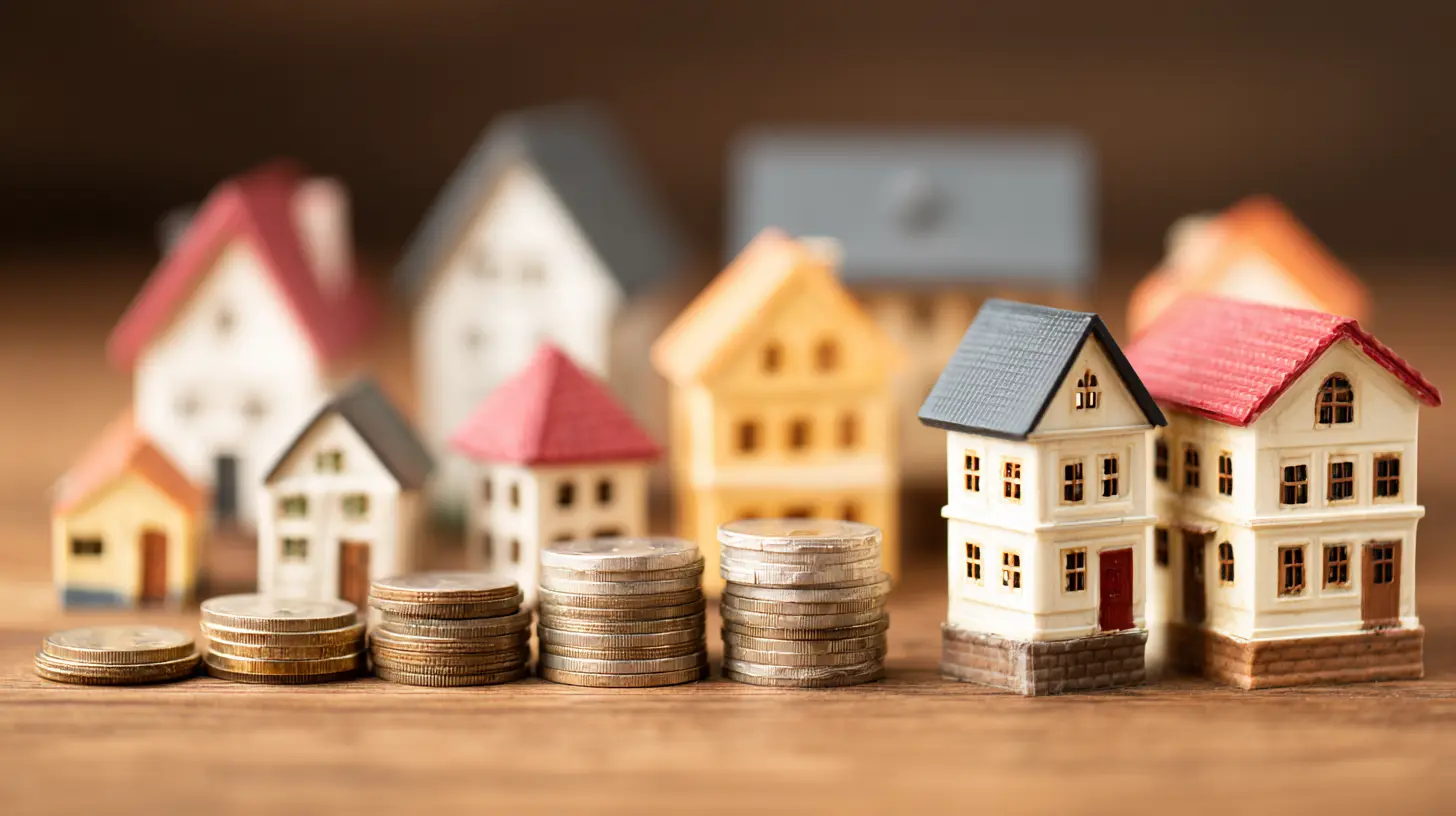
Fractional Ownership vs. Timeshares
Many people confuse fractional ownership with timeshares, but they’re quite different.| Feature | Fractional Ownership | Timeshare |
|-------------------|-------------------|-------------------|
| Ownership Type | Actual property ownership | Right to use, but no ownership |
| Investment Value | Can appreciate over time | Typically depreciates |
| Usage Flexibility | Can be used, rented, or sold | Fixed usage period |
| Legal Rights | Owners hold a share of the title | Only usage rights, no property title |
Unlike timeshares, fractional ownership gives real equity in the property, meaning owners can sell their shares and potentially benefit from property appreciation. 
Why is Fractional Ownership Gaining Popularity?
With rising home prices and inflation, owning a home has become increasingly difficult, especially in high-demand markets. Fractional ownership presents a practical solution by splitting the costs without sacrificing lifestyle quality. Here’s why more people are jumping on board:1. Affordability & Accessibility
For many, buying a second home or investing in real estate is out of reach. Fractional ownership makes it possible to own a share of a premium property without spending millions.2. Diversified Investment
Instead of tying up all your money in a single property, fractional ownership allows investors to spread their capital across multiple properties in different locations. It’s a smart way to hedge risks and enjoy multiple vacation homes without overcommitting.3. Hassle-Free Management
One of the biggest drawbacks of owning real estate is dealing with maintenance, repairs, and management issues. With fractional ownership, a professional management firm takes care of everything—from housekeeping to repairs—so owners can just show up and enjoy.4. Increased Flexibility
Unlike traditional homeownership, fractional owners can sell their shares when they no longer need them or rent out their allotted time for extra income. Some platforms even allow owners to trade time at different locations.5. Access to Luxury Properties
Let’s be real—most of us can’t afford a multi-million-dollar beachfront villa or a ski chalet in Aspen. But with fractional ownership, you can own a piece of high-end real estate without breaking the bank.Potential Downsides of Fractional Ownership
No investment is perfect, and fractional ownership does come with its share of risks and challenges.1. Limited Control
Since the property is co-owned, decisions like renovations, selling, or renting out time slots require agreement among all owners. This can sometimes lead to disputes.2. Resale Complications
Selling a fractional share isn’t as straightforward as selling a whole property. The market for fractional ownership is still developing, meaning you may not always find a buyer quickly.3. Usage Restrictions
Your access to the property depends on your fractional share and the scheduling system in place. If demand among co-owners is high, booking your ideal time slots might be tricky.4. Ongoing Fees
Even though you split costs, there are still monthly or annual management fees for property upkeep, utilities, and services. If an owner defaults on payments, it may affect the other co-owners.Who Should Consider Fractional Ownership?
Fractional ownership isn’t for everyone, but it’s a great option for:- Vacation home seekers – Ideal for people who want a second home but will only use it a few times a year.
- Real estate investors – Those looking to diversify their portfolios with properties in prime locations.
- Remote workers & digital nomads – If you love traveling but want a consistent place to return to, this could be perfect.
- Retirees – A great way to enjoy luxury getaways without the stress of full ownership.
If you value affordability, flexibility, and hassle-free real estate ownership, fractional ownership might be worth considering.
Final Thoughts: Is Fractional Ownership the Future of Real Estate?
With the rising cost of real estate and evolving consumer preferences, fractional ownership offers a compelling alternative to traditional homeownership. It gives buyers and investors access to high-value properties without the full financial burden, making luxury living more attainable.However, as with any investment, it’s crucial to do your homework—understand the terms, know your co-owners, and evaluate the management company. If done right, fractional ownership can be a game-changer in how we approach property investment and vacation home ownership.
So, is fractional ownership the future? It certainly seems like a trend that’s here to stay!
all images in this post were generated using AI tools
Category:
Housing MarketAuthor:

Kingston Estes
Discussion
rate this article
2 comments
Daphne Stone
Fractional ownership is just sharing the trouble... not the dream of homeownership!
June 30, 2026 at 3:15 AM
Kingston Estes
I understand your perspective. Fractional ownership can seem like more hassle than benefit, but for some, it offers an affordable path to a space they can call home, even if it's shared.
Henrietta Kline
Fractional ownership offers access, yes—but true value lies in shared responsibility, not just shared cost.
April 30, 2026 at 4:29 AM
Kingston Estes
You make a great point. Shared responsibility really enhances the experience and helps build a stronger community among owners.