Pros and Cons of Open Shelving in Kitchens
14 November 2026
Open shelving in kitchens has become a popular design choice, offering a unique blend of functionality and aesthetics. As with any design decision, it comes with its own set of advantages and disadvantages. This article delves into the pros and cons of open shelving, providing insights to help you make an informed decision about whether this style is right for your kitchen.
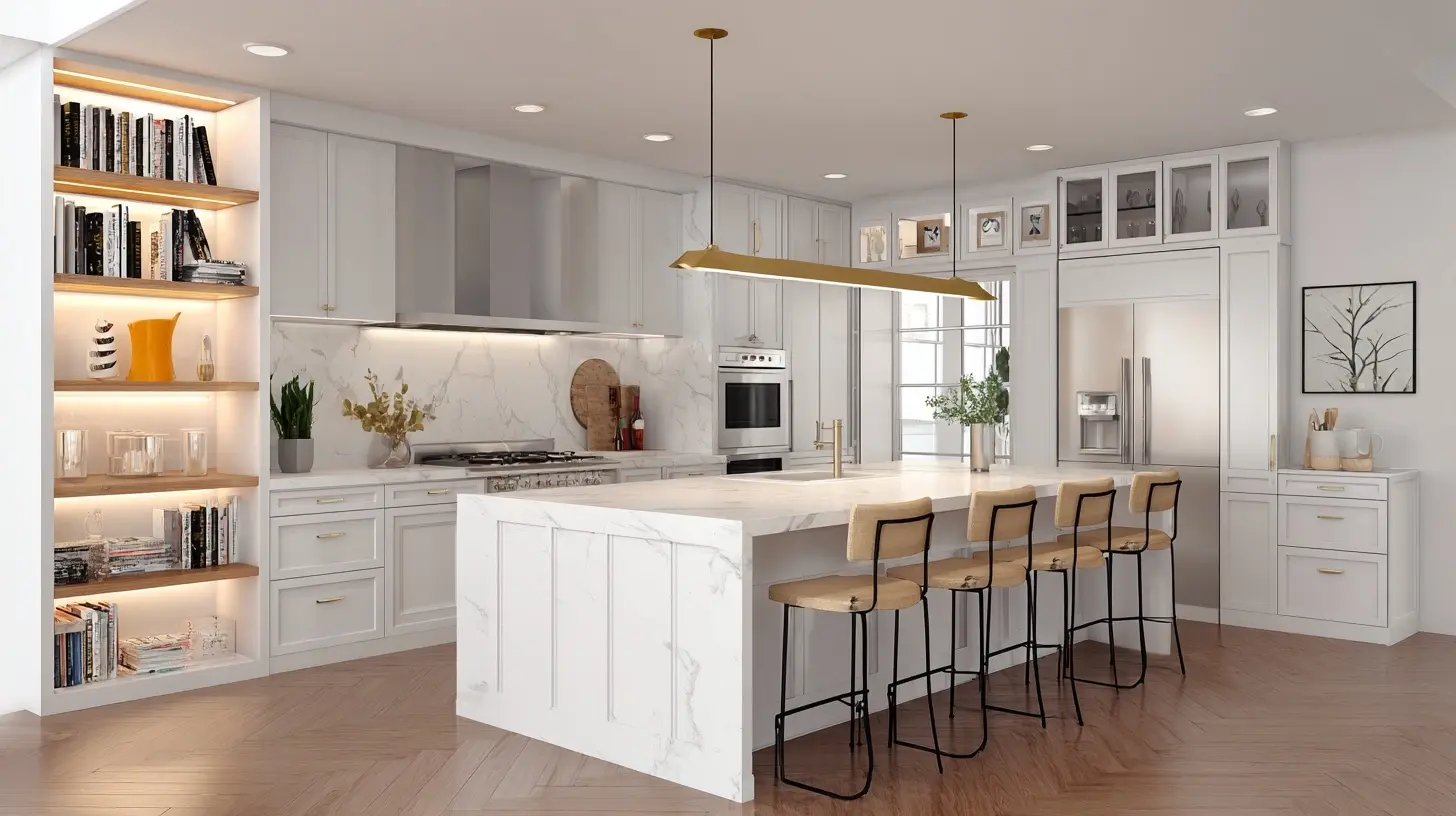
The Appeal of Open Shelving
Aesthetic Flexibility
Open shelving can transform the look of your kitchen. Unlike traditional cabinets, open shelves allow for a more open and airy feel. They can showcase beautiful dishware, cookbooks, or decorative items, adding personality to the space. This visual display can serve as a focal point, drawing attention away from other less attractive elements in the kitchen.Increased Accessibility
One of the significant benefits of open shelving is easy access to items. You can quickly grab a plate or a spice without having to open cabinets. This convenience can be particularly beneficial for those who frequently cook or entertain. It encourages a more casual and inviting atmosphere, making it easier for family and friends to join in meal preparation.Cost-Effectiveness
In many cases, open shelving can be more budget-friendly than traditional cabinetry. Installing shelves can be less expensive than buying and installing full cabinets. If you're looking to refresh your kitchen without a complete remodel, open shelving can be a cost-effective solution.Encourages Minimalism
Open shelving promotes a minimalist approach to kitchen organization. With everything on display, you may find yourself more inclined to declutter and keep only what you truly use and love. This not only enhances the visual appeal but also makes it easier to maintain an organized space.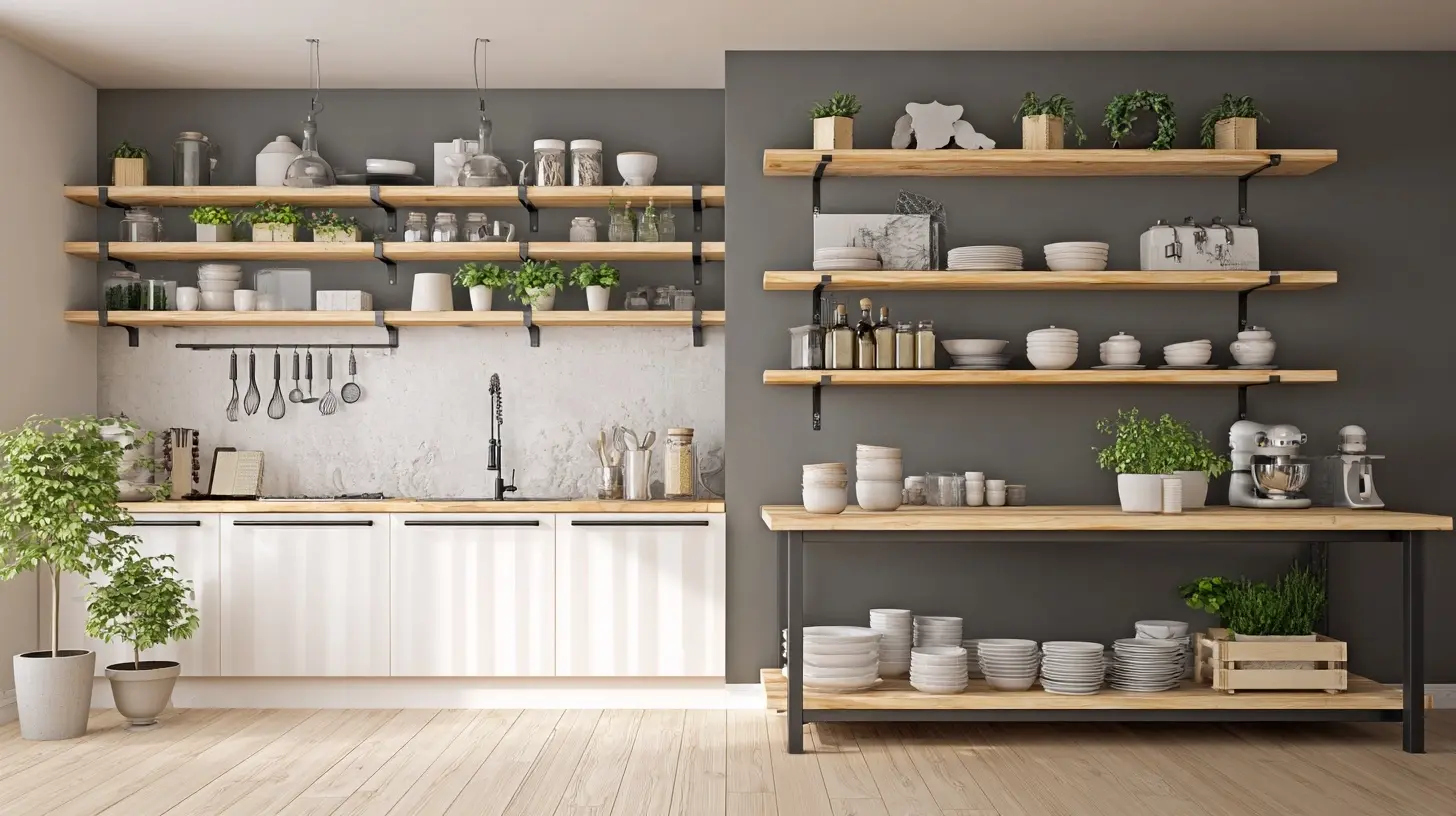
The Downsides of Open Shelving
Dust and Maintenance
One of the most significant drawbacks of open shelving is the potential for dust accumulation. Unlike closed cabinets, open shelves expose items to airborne particles. This means you'll need to clean both the shelves and the items more frequently to keep them looking their best. If you have a busy lifestyle, this maintenance may become burdensome.Limited Storage
While open shelving can provide storage, it often offers less capacity than traditional cabinets. If your kitchen has limited space, you may find that open shelves do not hold as much as you need. This can lead to clutter on the shelves, which defeats the purpose of a clean, organized look.Aesthetic Clutter
Although open shelving can be visually appealing, it can also lead to a cluttered appearance if not managed correctly. Items on display can quickly become overwhelming, especially if you have many mismatched dishes or ingredients. This can detract from the overall aesthetic and make the kitchen feel chaotic.Lack of Privacy
Open shelving leaves little room for privacy. If your kitchen is frequently used for entertaining, guests will see all your kitchen items, including any less-than-perfect ones. This can be a concern for those who prefer to keep certain items out of sight, such as less attractive containers or everyday dishes.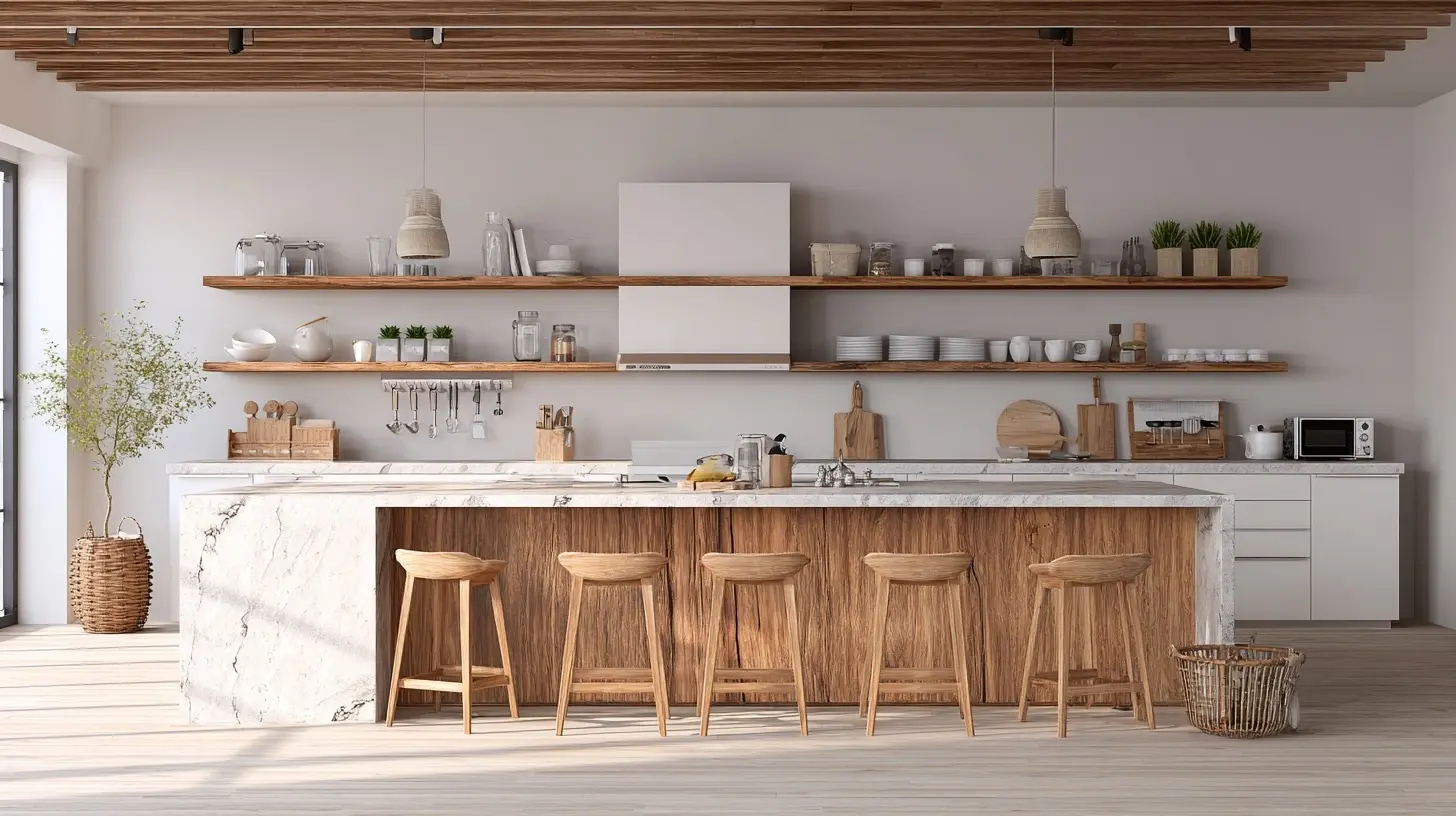
Best Practices for Open Shelving
If you decide to incorporate open shelving into your kitchen, consider these best practices to maximize its benefits and minimize potential downsides.Choose the Right Items
Select items that are visually appealing and functional for display. Consider using matching dishware or coordinating colors for a cohesive look. This can help reduce visual clutter and create a more organized appearance.Organize by Frequency of Use
Store frequently used items on lower shelves for easy access, while less commonly used items can go higher up. This organization not only enhances accessibility but also makes it easier to maintain the shelves.Incorporate Decorative Elements
Mix functional items with decorative pieces to create visual interest. Use cookbooks, plants, or decorative jars to break up the monotony of dishes and utensils. This approach can make the shelves more inviting and less utilitarian.Use Clear Containers
When storing ingredients or smaller items, consider using clear containers. This allows you to see what you have at a glance while maintaining a tidy appearance. It also helps in keeping the shelves organized and visually appealing.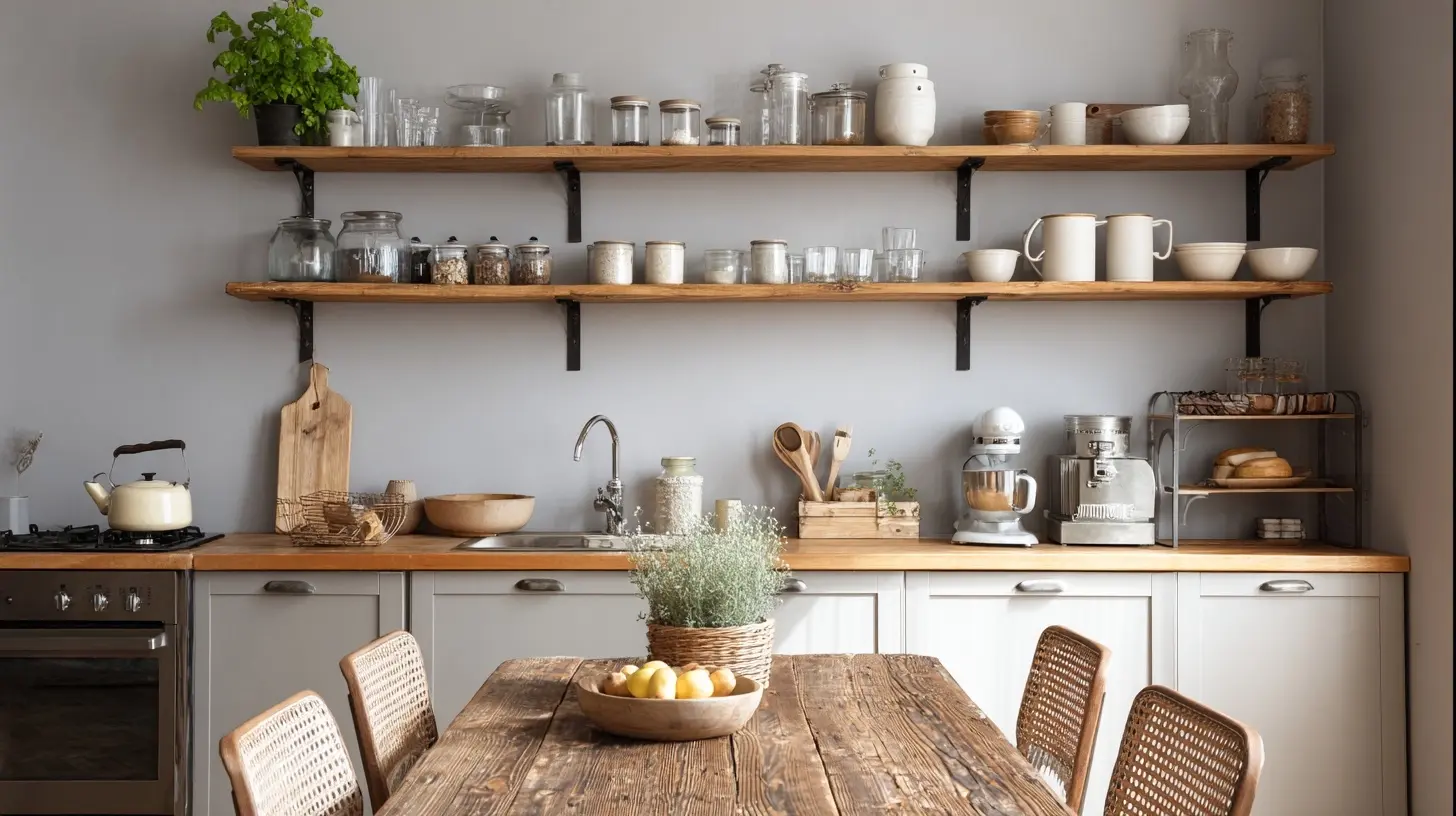
Comparing Open Shelving to Traditional Cabinets
When deciding between open shelving and traditional cabinets, it's essential to weigh the benefits of each option.Space Considerations
In smaller kitchens, open shelving can help create a sense of space. The absence of bulky cabinet doors can make the kitchen feel larger and more open. However, in larger kitchens, traditional cabinets can provide a more cohesive look and ample storage without the risk of clutter.Style Compatibility
Open shelving can fit well with various design styles, from modern to rustic. However, traditional cabinets may offer more versatility in terms of finishes and colors. If you're aiming for a specific aesthetic, consider how each option aligns with your vision.Functionality
For those who cook frequently, open shelving can be highly functional, allowing quick access to essential items. On the other hand, traditional cabinets can offer more hidden storage, which is beneficial for those who prefer a cleaner look with less visible clutter.Long-Term Value
Consider the long-term implications of your choice. Open shelving may require more maintenance and can become outdated more quickly than traditional cabinetry. If you're planning to sell your home, traditional cabinets may appeal to a broader audience, enhancing your home's resale value.Common Mistakes to Avoid
When installing open shelving, there are several common mistakes that can compromise the effectiveness and aesthetic appeal of the design.Overcrowding Shelves
One of the most frequent errors is overcrowding shelves. While it may be tempting to fill every inch of space, this can lead to a cluttered look. Aim for balance and leave some empty space for visual breathing room.Ignoring Weight Limits
Make sure to consider the weight limits of your shelves. Overloading shelves can lead to sagging or even collapse. Choose sturdy materials and ensure proper installation to avoid accidents.Neglecting Cleaning
As mentioned earlier, open shelving requires regular cleaning. Failing to keep shelves tidy can lead to dust buildup and an unkempt appearance. Establish a cleaning routine to maintain the look and functionality of your shelves.Choosing the Wrong Location
Placement is crucial for open shelving. Avoid placing shelves in areas where they may be exposed to excessive heat, moisture, or grease, such as directly above the stove. This can lead to damage over time and make cleaning more challenging.
Conclusion
Open shelving can be a beautiful and functional addition to your kitchen, but it's not without its challenges. By understanding the pros and cons, you can make an informed decision that aligns with your lifestyle and design preferences. Whether you choose to embrace this trend or stick with traditional cabinetry, the key is to create a space that feels inviting, organized, and uniquely yours.
all images in this post were generated using AI tools
Category:
Home ImprovementAuthor:

Kingston Estes