Preparing for a Cross-Country Move: What You Need to Know
29 January 2026
Moving across the country isn’t just a simple weekend chore. It’s a full-blown life transition that demands planning, patience, and a whole lot of packing tape. Whether you're relocating for a new job, better opportunities, or just chasing a change of scenery, the process can feel overwhelming.
But don’t panic! With the right game plan, you can dodge the common pitfalls and make your cross-country move as smooth as possible. Let’s break it all down so you can hit the road stress-free.

Start Planning—Like, Yesterday
If you think you can wing a cross-country move, think again! This isn't a quick trip across town—you’re essentially uprooting your entire life. The key to success? Planning ahead.1. Create a Moving Checklist
A moving checklist is your lifeline in the chaos of relocation. Break it down into timelines:- 2-3 months before: Research movers, create a budget, and start decluttering.
- 1 month before: Start packing non-essentials, finalize travel plans, and notify important parties of your move.
- 2 weeks before: Pack the majority of your stuff, confirm arrangements with your moving company, and set up utilities at your new place.
- Moving week: Pack your essentials bag, clean your current home, and do a final walkthrough.
2. Set a Realistic Budget
Cross-country moves don’t come cheap. Between hiring movers, renting a truck, fuel, lodging, and meals, the costs can add up fast. Be realistic about how much you can afford and get multiple quotes to ensure you're getting the best deal.Pro Tip: Always set aside an emergency fund. Moving is unpredictable, and unexpected expenses can pop up when you least expect them.
Hiring Movers vs. DIY: What’s the Better Option?
When it comes to moving long distances, you’ve got two major options: hire professionals or do it yourself. Each has its pros and cons, so let’s break it down.Hiring Professional Movers
Pros:✔ Saves time & energy
✔ Less physical labor on your end
✔ Professional handling of fragile items
✔ Insurance coverage in case of damages
Cons:
✘ Can be expensive
✘ May have delivery delays
✘ Less control over your belongings
DIY Move (Truck Rental or Moving Containers)
Pros:✔ More control over your schedule
✔ Potentially cheaper than movers
✔ You pack and handle everything your way
Cons:
✘ Requires a LOT of manual labor
✘ Driving a rental truck long distances can be stressful
✘ Additional costs (fuel, lodging, tolls) can add up
🚨 Pro Tip: If you're opting for movers, research their credentials. Read reviews, check ratings, and verify their USDOT number to avoid scams.

Packing Smart: Less Stress, More Efficiency
Packing for a cross-country move isn’t the same as tossing stuff in boxes for a weekend road trip. You need strategy, organization, and a whole lot of bubble wrap.1. Declutter Like Your Life Depends on It
Be ruthless! If you haven’t used it in over a year, you probably don’t need it. Sell, donate, or toss anything that doesn't serve a purpose in your new home.2. Label Everything Clearly
Don’t just throw things in boxes and hope for the best. Label each box with:- Room it belongs in
- Contents inside
- Whether it’s fragile
This will save you a headache when unpacking!
3. Pack an Essentials Bag
Imagine arriving at your new home, and you have no idea where your toothbrush or phone charger is. Nightmare, right? Pack an essentials bag with:- Important documents
- Medications
- Chargers
- Toiletries
- A few changes of clothes
That way, you’re not digging through boxes for necessities.

Logistics You Can’t Ignore
Moving is more than just packing and driving. There are crucial administrative steps you need to take care of before moving day.1. Update Your Address
Make sure to notify:✔ USPS (change your address online)
✔ Banks and credit card companies
✔ Insurance providers
✔ Employer and payroll departments
✔ Subscription services
2. Transfer Utilities
Don’t arrive at your new home only to realize you have no electricity or Wi-Fi. Contact utility providers (electric, water, gas, internet) ahead of time to ensure your services are active when you arrive.3. Register Your Car & Update Your Driver’s License
If you're moving to a different state, check the DMV website for requirements. Most states give you about 30 days to update your license and vehicle registration.The Emotional Toll of Moving—And How to Handle It
Moving across the country isn’t just physically demanding—it’s an emotional rollercoaster. You’re leaving behind familiar places, friends, and routines. Here’s how to cope:1. Say Proper Goodbyes
Don’t just ghost your old life. Make time for farewell dinners, video calls, and heartfelt goodbyes. It helps with closure.2. Stay Connected
Just because you’re moving doesn’t mean friendships have to end. Keep in touch with calls, texts, and visits when possible.3. Embrace the New Adventure
Instead of focusing on what you’re leaving behind, get excited about your new city. Research the best restaurants, parks, and local hotspots so you have something to look forward to.
Moving Day: The Grand Finale
Finally, it’s time to hit the road! Here’s how to make moving day as stress-free as possible:1. Have a Final Walkthrough
Check every closet, drawer, and cabinet to make sure nothing is left behind.2. Keep Essentials Close
Don’t pack crucial items in the moving truck. Keep medications, wallets, phones, and important documents with you.3. Stay Positive
Moving is exhausting—physically and emotionally. Take deep breaths, go with the flow, and remind yourself why you’re making this big move in the first place.Final Thoughts
Preparing for a cross-country move is no small feat, but with the right strategy, it doesn’t have to be a nightmare. Plan ahead, stay organized, and keep your stress in check. In the end, this is a fresh start—a brand-new chapter full of new opportunities and adventures.So buckle up, trust the process, and enjoy the ride. Your next adventure awaits!
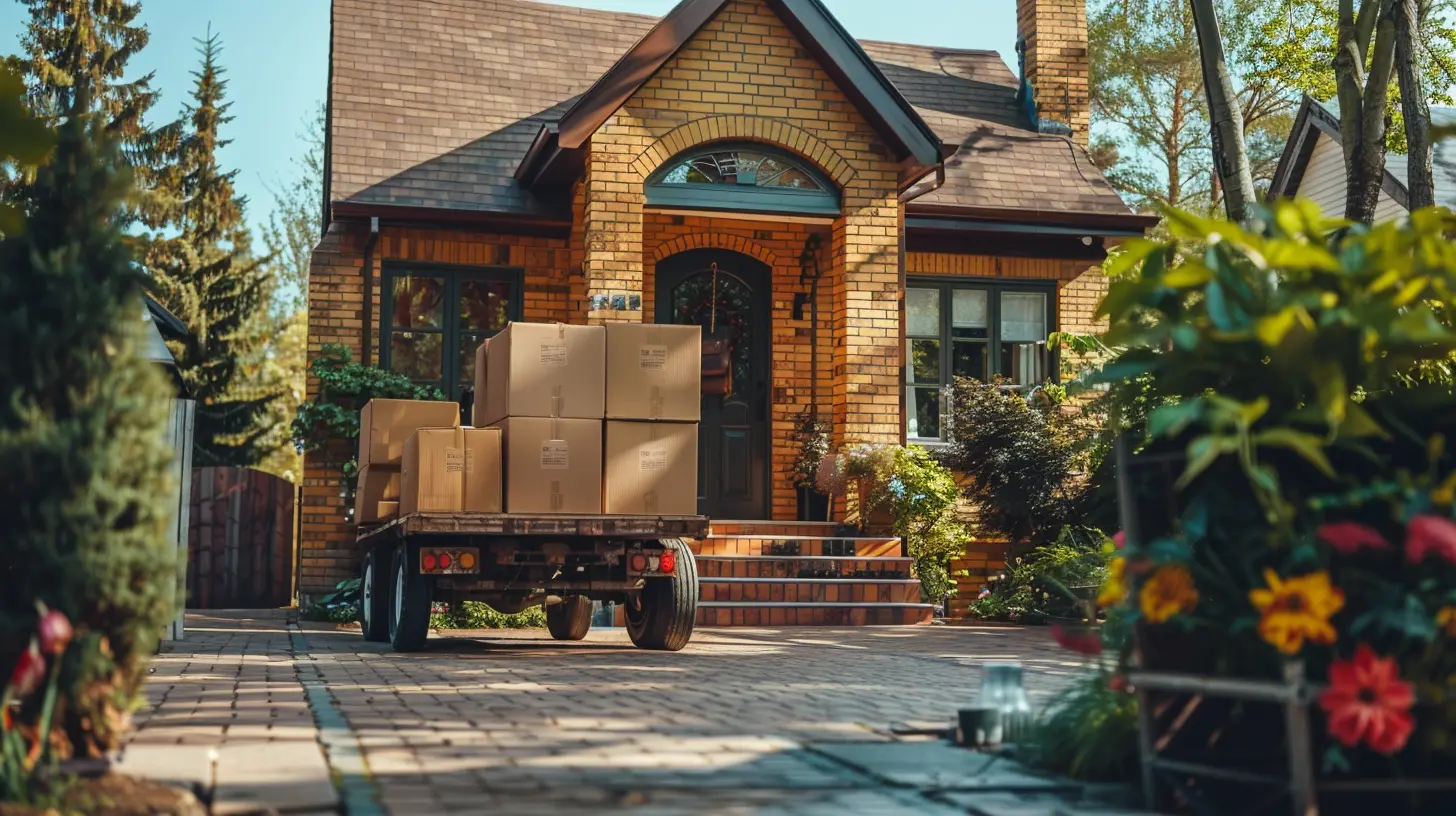
all images in this post were generated using AI tools
Category:
Moving TipsAuthor:

Kingston Estes
Discussion
rate this article
2 comments
Delta Anderson
Great article! I’d add that creating a detailed checklist can help streamline the moving process. Consider labeling boxes by room and keeping an essentials bag handy for immediate needs. Also, researching local utilities and services in advance can save time and reduce stress during the transition. Happy moving!
February 20, 2026 at 5:39 AM
Kingston Estes
Thank you for the great suggestions! Checklists and labeling can definitely make the moving process smoother. Happy moving!
Clara McGhee
Pack wisely, stress less!
January 29, 2026 at 2:01 PM
Kingston Estes
Absolutely! Smart packing can make all the difference.