Must-Have Legal Protections for Every Renter
25 December 2025
Renting a home might seem straightforward—find a place, sign a lease, and move in. But do you know your rights as a tenant? Many renters jump into leases without fully understanding the legal protections in place that safeguard their living situation. Whether you're a first-time tenant or have been renting for years, knowing these protections can save you from potential headaches and financial pitfalls down the road.
So, what are the must-have legal protections every renter should be aware of? Let’s break it down. 
1. The Right to a Habitable Home
Your landlord isn't just responsible for handing over the keys—they're legally required to maintain a safe and habitable living space. This means your rental must have essentials like:✅ Running water and proper plumbing
✅ Working heating and cooling systems (if applicable)
✅ A roof and walls that protect against the elements
✅ Electrical systems in good condition
If these basic living conditions aren’t met, you may have legal grounds to withhold rent or even break your lease without penalty. Every state has different laws about habitability, so check your local tenant rights. 
2. Protection Against Discrimination (Fair Housing Act)
Ever felt like you were passed over for an apartment because of your race, religion, or disability? That’s illegal.The Fair Housing Act (FHA) prevents landlords from discriminating against tenants based on protected characteristics, including:
✔ Race or ethnicity
✔ Disability status
✔ Gender or sexual orientation
✔ Religion
✔ Family status (like having kids)
If you suspect discrimination, you can file a complaint with the U.S. Department of Housing and Urban Development (HUD) or seek legal action. No one should be denied housing based on who they are. 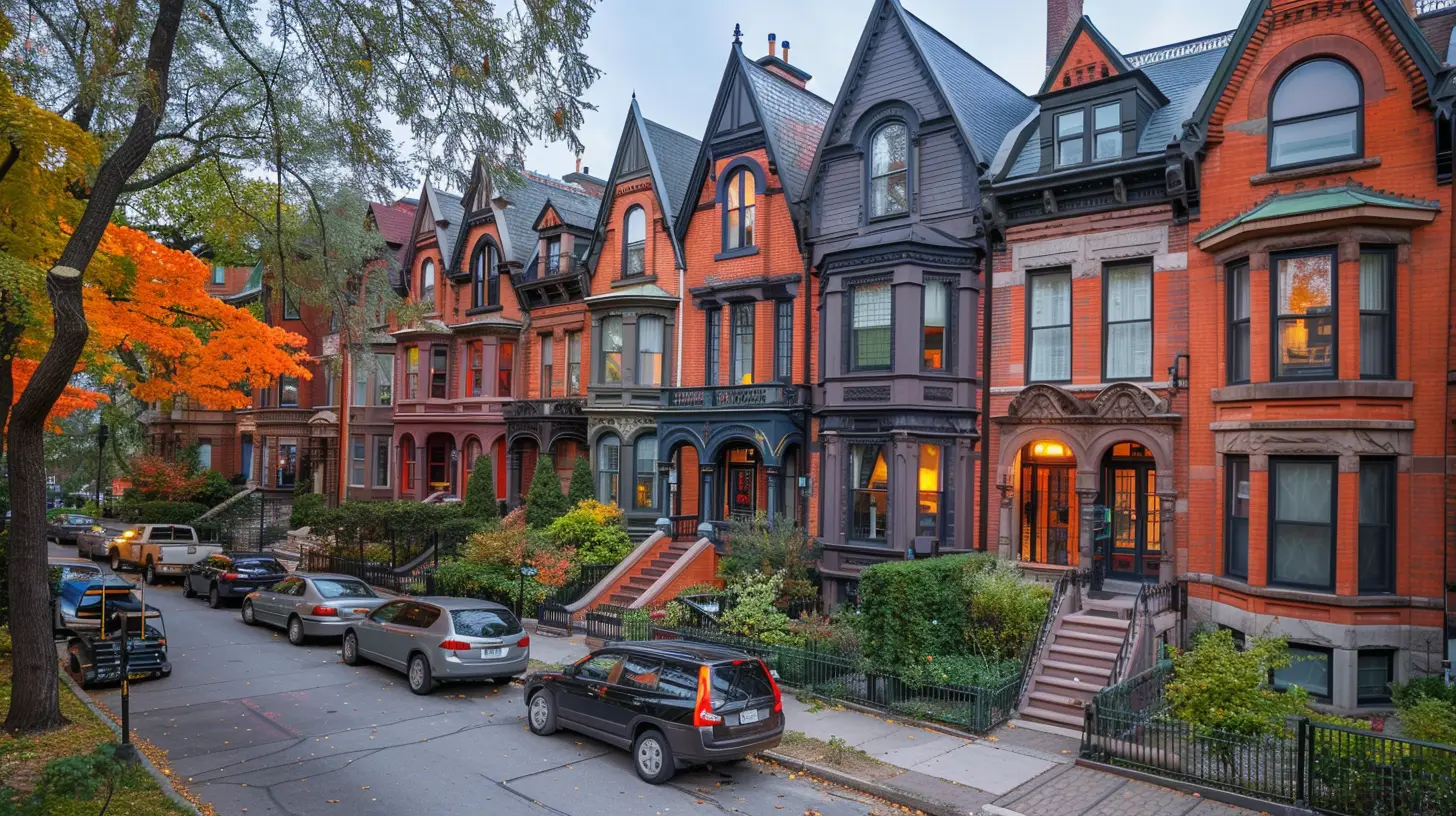
3. Privacy Rights—Your Landlord Can’t Just Walk In
Imagine waking up to your landlord randomly entering your apartment—without prior notice. That would feel like an invasion of privacy, right?Thankfully, most states have “notice of entry” laws requiring landlords to inform tenants beforehand unless it’s an emergency. The typical notice period is 24 to 48 hours.
If your landlord repeatedly ignores these rules, it could be considered harassment—something you can take legal action against. 
4. Security Deposit Protections
Your security deposit isn’t free money for your landlord—it’s your money, meant to cover potential damage beyond normal wear and tear. Landlords have strict guidelines on:➡ How much they can charge for a security deposit
➡ When they must return it after you move out
➡ What deductions they can legally make
In most states, landlords must return security deposits within 14 to 30 days after move-out, along with an itemized list of deductions. If they don’t, you may have the right to sue for your deposit (sometimes even double the amount!).
5. The Right to a Written Lease Agreement
A handshake agreement won’t cut it in the rental world. Always insist on a written lease that clearly outlines:📌 Rent amount and due date
📌 Lease duration (month-to-month or fixed term)
📌 Included amenities and utilities
📌 Rules on subleasing or guests
📌 Maintenance responsibilities
Without a written lease, disputes become a “he said, she said” situation—making it harder to prove your rights if issues arise.
6. Protections Against Illegal Evictions
Landlords can’t just evict you on a whim. Whether you’re behind on rent or there’s another issue, they must follow legal procedures to remove you from the property.Most states require:
✅ Proper notice before eviction moves forward (often 30 days)
✅ Legal documentation (such as an official eviction lawsuit)
✅ A court hearing, allowing you to present your defense
If a landlord locks you out, removes your belongings, or shuts off utilities to force you out, that’s an illegal eviction—and you can take legal action.
7. Rent Control Protections (If Applicable)
In some cities, rent increases are regulated under rent control laws to protect tenants from excessive hikes. If you live in a rent-controlled area, your landlord can only raise rent by a fixed percentage each year.Popular rent-controlled cities include:
🏙 San Francisco
🏙 New York City
🏙 Los Angeles
🏙 Washington D.C.
If your landlord tries to increase rent beyond legal limits, you have the right to dispute it. Always check local rent control laws to know your rights.
8. The Right to Repair Requests (Maintenance Obligations)
Things break—it’s part of life. But when it’s something serious, like a broken heater in winter, your landlord is legally responsible for making timely repairs.Common urgent repairs include:
✔ Plumbing issues (like leaks or flooding)
✔ Electrical malfunctions
✔ Pest infestations
✔ Heating or cooling failures
If your landlord refuses to make repairs, you may have the right to:
💡 Withhold rent until the issue is fixed
💡 Hire a repair service and deduct the cost from rent (if state laws allow it)
💡 Break your lease without penalties
Always document repair requests in writing (email is great for this) to create a paper trail in case legal action is needed.
9. The Right to Reasonable Lease Termination
Life happens. Maybe you got a new job in another state, or you need to move for family reasons. Some leases have early termination clauses, allowing you to break your lease without severe penalties under specific conditions.Common ways to legally break a lease include:
➡ Military deployment (protected under the Servicemembers Civil Relief Act)
➡ Domestic violence situations (many states allow victims to move out without penalty)
➡ Uninhabitable living conditions (like severe mold or structural issues)
If you must break your lease, always communicate with your landlord and check your lease agreement for any specific terms surrounding early termination.
10. The Right to Dispute Rent Hikes or Fees
Landlords can’t just slap on hidden fees or raise rent suddenly without giving proper notice. Most states require at least 30 to 60 days' notice before rent increases on month-to-month leases.Common illegal fees include:
🚫 Charging for regular wear and tear (like faded paint)
🚫 Excessive late payment penalties
🚫 Unapproved pet fees
If your landlord imposes unexpected charges or an unfair rent hike, review your lease and state rental laws to see if the increase is legal.
Final Thoughts
Renting comes with its fair share of challenges, but knowing your legal rights can prevent unnecessary stress and financial loss. Far too often, tenants unknowingly accept unfair treatment simply because they aren’t aware of their protections.Take a few moments to review your lease thoroughly and read up on tenant laws in your area. A little legal knowledge goes a long way in ensuring that your renting experience stays fair, safe, and stress-free.
all images in this post were generated using AI tools
Category:
Rental PropertiesAuthor:

Kingston Estes
Discussion
rate this article
2 comments
Zeno Ruiz
Great insights! Ensuring renters know their rights is essential for a fair and safe living experience.
January 18, 2026 at 1:47 PM
Kingston Estes
Thank you! Empowering renters with knowledge of their rights is crucial for promoting equity and safety in housing.
Luella Sheppard
Every renter deserves peace of mind! Ensuring you have the right legal protections is not just a safeguard; it’s your empowerment. From understanding lease agreements to asserting your rights, arming yourself with knowledge transforms you from a tenant into a confident advocate. Stand tall, know your rights, and make your home truly yours!
December 25, 2025 at 4:51 AM
Kingston Estes
Absolutely! Empowering renters with legal knowledge is crucial for fostering confidence and ensuring a safe living environment.