Building a Tiny Home from a Shipping Container: Here’s What You Should Know
17 December 2025
Have you ever looked at a shipping container and thought, "That could be my dream home"? Well, you're not alone! Turning shipping containers into tiny homes is becoming incredibly popular—and for good reason. They’re affordable, sustainable, and, let’s be honest, they have a cool, modern aesthetic.
But before you jump in and start sketching out blueprints, there are quite a few important things to consider. Let’s break it all down—from costs and permits to insulation and design—so you can decide if a shipping container home is right for you. 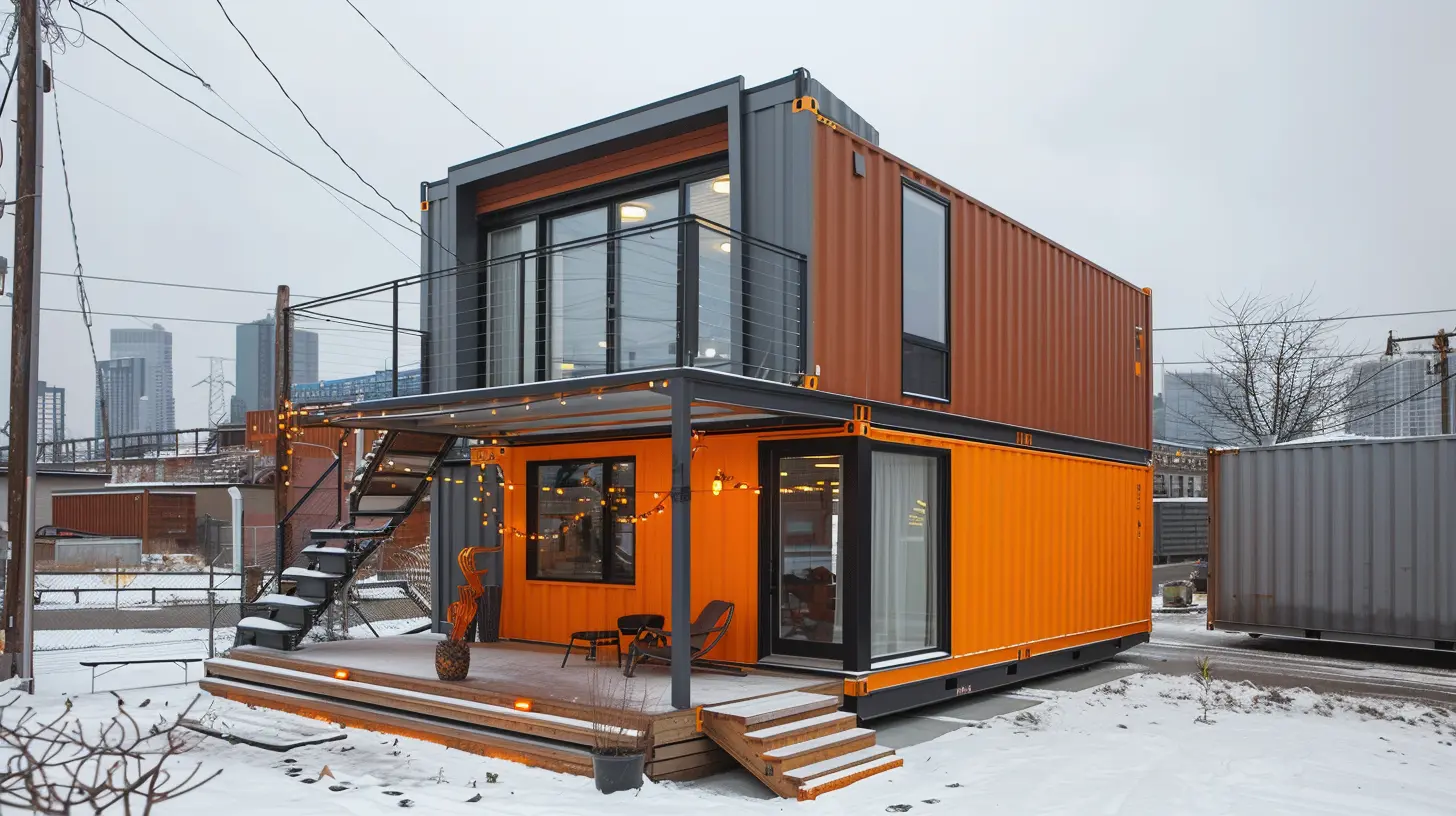
Why Build a Tiny Home from a Shipping Container?
So, why are so many people ditching traditional housing and opting for a home built from a steel box? There are several compelling reasons:- Affordability – Compared to conventional homes, shipping container homes can be significantly cheaper.
- Sustainability – Reusing an old container gives it a second life, reducing waste.
- Durability – These containers are designed to withstand harsh conditions, making them incredibly sturdy.
- Versatility – You can modify and stack them to create unique designs.
But while the idea is exciting, it's not as simple as just dropping a container onto a plot of land and calling it home. There's a lot more that goes into it! 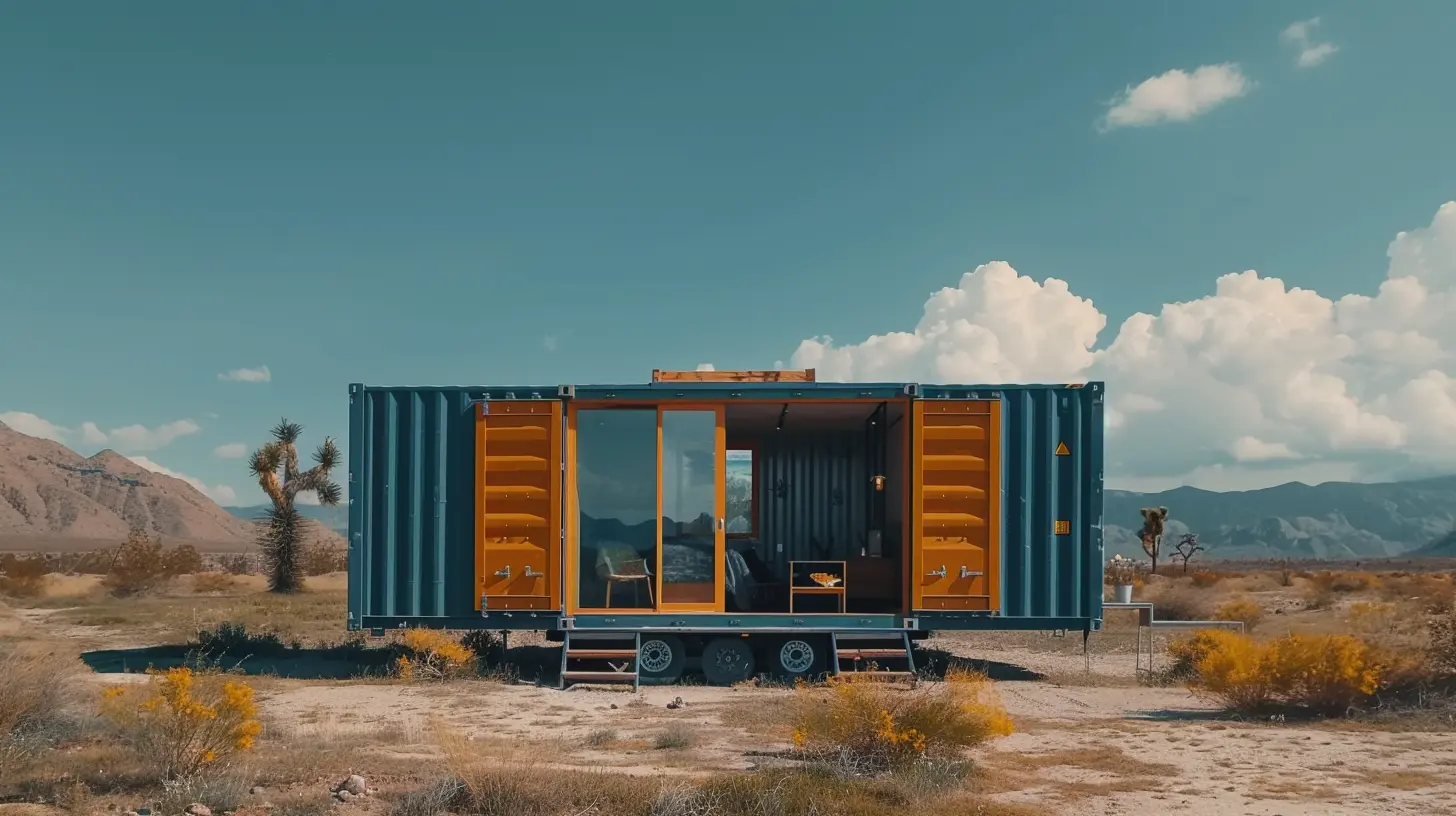
Finding the Right Shipping Container
Not all shipping containers are created equal. You’ll need to choose wisely to ensure your tiny home is safe and structurally sound.New vs. Used Containers
- New (One-Trip) Containers – These have only been used for one shipment, meaning they’re in excellent condition. However, they’re more expensive.- Used Containers – More affordable, but they can come with dents, rust, and possible chemical contamination.
If you go with a used container, inspect it thoroughly to ensure it’s safe for residential use. You don’t want to find out too late that your new home has been carrying hazardous materials in its past life! 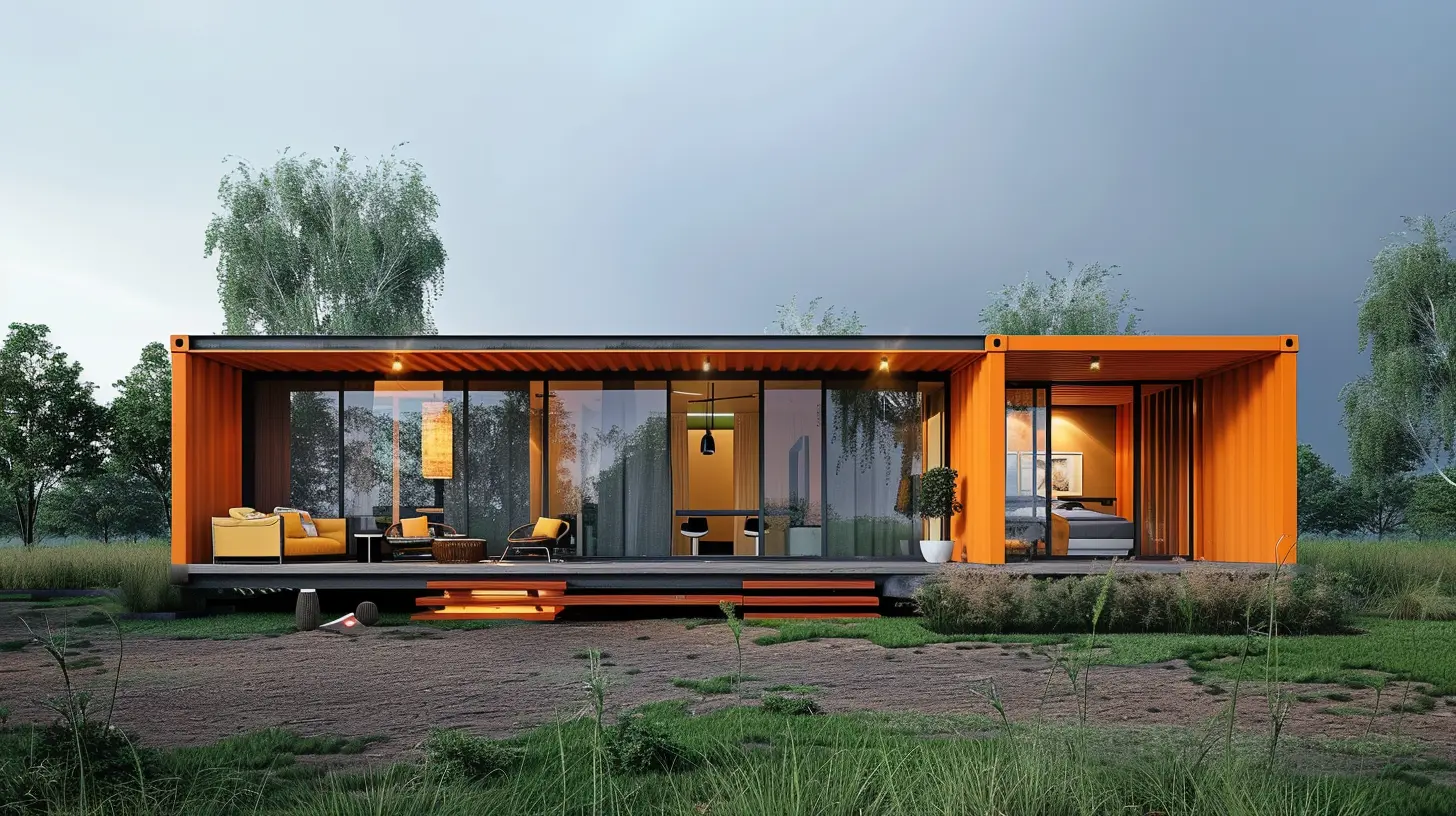
Legal and Zoning Considerations
Before you buy a shipping container and start building, check local building codes and zoning laws. Some areas are super flexible, while others have strict regulations against alternative housing.Permits You May Need
- Building Permits – Required for legal construction.- Zoning Permits – Ensures your land is designated for residential use.
- Utility Permits – If you’re hooking up to water, electricity, or sewage.
Skipping this step could result in fines or even having to dismantle your tiny home—definitely not something you want to deal with after all your hard work! 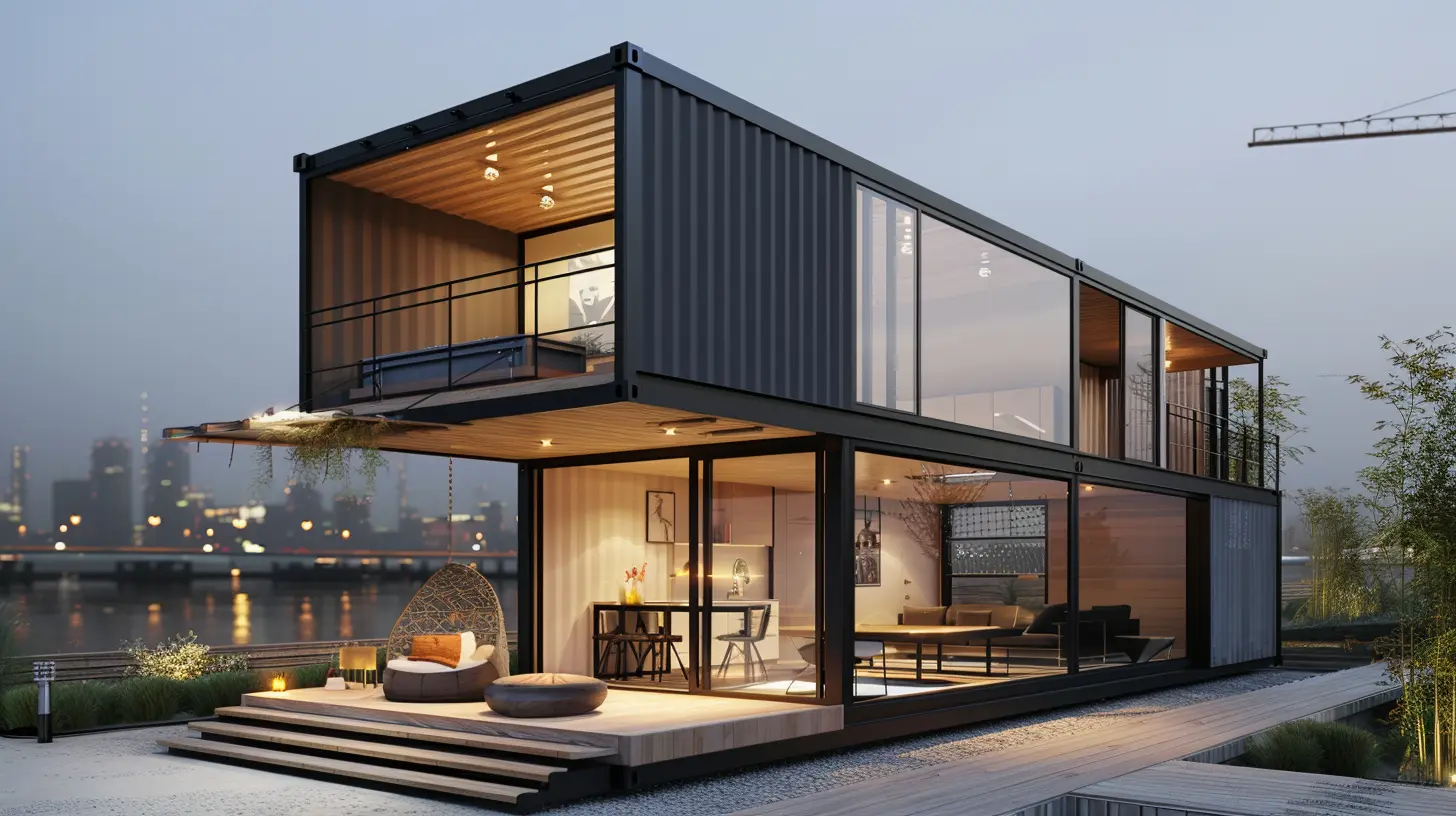
The Cost of Building a Shipping Container Home
While container homes are usually cheaper than traditional houses, costs can still add up. Here's a rough breakdown:| Expense | Estimated Cost |
|---------|---------------|
| Shipping Container | $2,500 - $6,000 (used), $6,000 - $9,000 (new) |
| Insulation | $2,000 - $5,000 |
| Foundation | $1,000 - $5,000 |
| Plumbing & Electrical | $3,000 - $10,000 |
| Interior Finishing | $5,000 - $20,000 |
| Permits & Miscellaneous | $2,000 - $5,000 |
| Total Estimated Cost | $15,000 - $50,000+ |
Of course, costs depend on size, location, and customization. If you plan to DIY as much as possible, you could save a ton on labor.
Insulating Your Shipping Container Home
Since shipping containers are made of metal, they can be freezing in winter and scorching hot in summer if not properly insulated. Good insulation is non-negotiable!Insulation Options
- Spray Foam Insulation – Best for sealing gaps, but pricey.- Rigid Foam Board – Affordable and effective, but requires professional installation.
- Blanket (Batt) Insulation – Budget-friendly, but takes up more interior space.
Consider your climate when choosing insulation. If you live in an area with extreme weather, don’t skimp on this step!
Designing Your Tiny Shipping Container Home
Now comes the fun part—designing your tiny home! Whether you're going for a sleek modern look or a cozy, rustic vibe, the possibilities are endless.Space Optimization Tips
- Use Multi-Functional Furniture – Think Murphy beds, foldable tables, and built-in storage.- Incorporate Large Windows – This prevents the space from feeling cramped and allows for natural light.
- Go Vertical – Utilize wall space with shelving and hanging storage.
- Consider an Open Floor Plan – Fewer walls make the space feel larger.
Thinking outside the box (pun intended) is key when working with a small footprint!
Foundation: Do You Need One?
Yes, your shipping container home needs a strong foundation—don’t just plop it on the ground!Foundation Types
- Concrete Slab – Durable and stable.- Piers – Support beams that elevate the container off the ground.
- Crawl Space or Basement – More costly, but great for adding storage or extra space.
Your foundation choice will depend on the terrain, climate, and budget.
Utilities and Off-Grid Living
Deciding how to handle utilities is crucial. Some people prefer to be connected to traditional services, while others go fully off-grid.Utility Options
- Water – You can either connect to city water or install a rainwater collection system.- Electricity – Solar panels are a great option if you want to be self-sufficient.
- Sewage – Composting toilets or septic tanks work well for tiny homes.
If you've ever dreamed of going off-grid, a shipping container home makes it totally possible!
Common Challenges and How to Overcome Them
Building a shipping container home isn’t without its challenges. Here are some common obstacles and how to tackle them:- Permitting Issues – Research local laws and get approvals before starting.
- Temperature Control – Invest in proper insulation and ventilation.
- Structural Modifications – Cutting too much steel can weaken the container, so consult a professional if major modifications are needed.
- Space Constraints – Clever storage solutions can make small spaces functional.
Planning ahead can save you from costly mistakes and headaches down the road.
Final Thoughts: Is A Shipping Container Home Right for You?
At the end of the day, shipping container homes offer a unique, cost-effective, and eco-friendly housing solution. But they also come with their own set of challenges.If you’re willing to do the research, navigate zoning laws, and get creative with design, a tiny home made from a shipping container could be the perfect fit for your minimalist lifestyle.
So, are you ready to turn a simple steel box into a cozy, stylish retreat? If so, get ready for an exciting journey—one that proves home really is what you make it!
all images in this post were generated using AI tools
Category:
Tiny HomesAuthor:

Kingston Estes
Discussion
rate this article
2 comments
Faelan Soto
Building a tiny home from a shipping container can be rewarding, but it's crucial to consider zoning regulations and insulation challenges upfront.
December 25, 2025 at 11:18 AM
Kingston Estes
Absolutely! Being aware of zoning regulations and insulation needs early on is essential for a successful shipping container home project. Thank you for highlighting this important aspect!
Mariana Middleton
Converting a shipping container into a tiny home offers sustainability and affordability, but requires careful planning regarding insulation, permits, and structural integrity to ensure livability.
December 21, 2025 at 4:00 AM
Kingston Estes
Thank you for your insightful comment! Indeed, careful planning is essential for a successful and sustainable shipping container home.