How to Research the History of a Historic Home
27 May 2026
So, you’ve found yourself enchanted by an old home, and now you're dying to know everything about its past—who lived there, what secrets it holds, and whether its walls whisper stories of a bygone era. Well, buckle up, because you’re about to embark on a historical treasure hunt that’s way more thrilling than your average Netflix true crime documentary.
Researching the history of a historic home isn’t just about uncovering old blueprints and dusty records. It’s about stepping into the lives of the people who came before you, understanding the architectural evolution, and maybe—just maybe—stumbling onto a juicy scandal. Let’s dive in, shall we?
Step 1: Start with What You Know
Before you get lost in a whirlwind of property deeds and census records, take a breath. Begin with what’s right in front of you.Check the Deed and Property Records
Grab your home’s deed—it’s the document that proves ownership—and start digging. Deeds typically list previous owners, and each name is a breadcrumb leading you further into your home's past. Your local county clerk's office (or online public records, if you're lucky) should have access to a chain of title, which shows every transaction involving the property.Examine the Architectural Clues
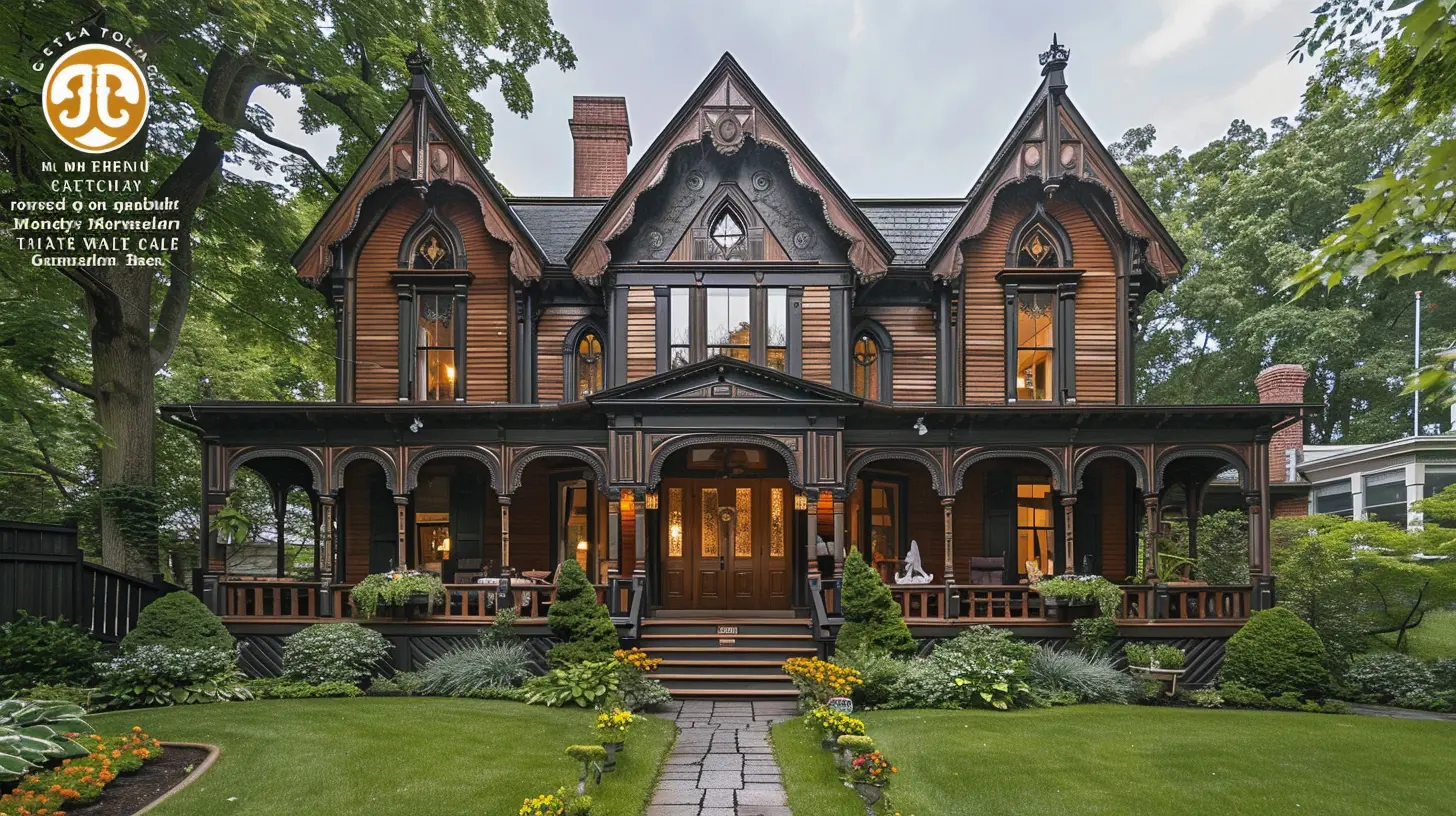
Your home itself is a goldmine of historical information. Pay close attention to:- Construction materials & style: Is it Victorian? Colonial? Mid-century modern?
- Original fixtures: Think doorknobs, moldings, and even floorboards—they often hint at the era of construction.
- Renovations & additions: If some parts of the house seem out of place, they might have been added later.
Step 2: Dive Into Public Records
Now that you've got a rough timeline, it’s time to roll up your sleeves and wade into the archives.Visit the County Assessor’s Office
Property tax records can tell you when major improvements were made and how the home's value changed over time. If you notice a spike in valuation, chances are, something significant was altered.Pull Old Census Records
Want to know who lived there before you? Census records list not just names but also occupations, family details, and sometimes even lodgers. This is where things can get juicy—imagine finding out your house was once a boarding home or that a notable figure once called it home.Check City Directories and Old Maps
Before Google Maps, there were city directories—essentially phone books on steroids. They listed residents by address, giving you a year-by-year account of who lived in your home. Fire insurance maps, such as Sanborn Maps, can reveal structural changes over time.
Step 3: Dig for the Unexpected
Every old house has secrets, and sometimes, you just have to know where to look.Newspaper Archives & Obituaries
Search old newspapers for mentions of your address. Maybe there was an exciting event, a crime (ooh, drama!), or a family milestone reported in the local gazette. Obituaries connected to past owners can also provide backstories on the home’s former residents.Check for Historic Registrations
Is your home listed on the National Register of Historic Places or a local landmark registry? If so, there’s probably already a detailed history written about it—saving you a ton of legwork.Ask the Neighbors
If your home isn’t the only historic beauty on the block, chances are your neighbors (especially the long-time residents) have some juicy tidbits. They may have stories passed down about your home or even old photographs from before you moved in.
Step 4: Go Beyond The Basics
You’ve gathered the dates, names, and facts. Now, it’s time to add some personality to your findings.Look for Old Photographs
Historical societies, library archives, and even online platforms like eBay or Flickr can have old photos of your home or neighborhood. These images offer a glimpse into the past, showing how life looked back in the day.Investigate Legal Records
Court documents, probate records, and old wills might tell you about property disputes, inheritances, or even lost family fortunes associated with the house.Dig Through University Archives & Genealogy Sites
Colleges often house historical collections, while genealogy websites like Ancestry.com can trace former residents' family histories. If someone notable lived in your home, you might uncover an entire family line tied to the place.Step 5: Piece It All Together
By now, you’ve got a mountain of information. Time to put it all together like the final act of a detective movie.Create a Timeline
List out everything in order—when the house was built, major renovations, changes in ownership, and any significant historical events that took place while it stood.Write a Narrative
Rather than just keeping a list of facts, turn your home's history into a rich story. Who lived there? What were their lives like? Did your home witness major historical moments?Save and Share Your Research
Frame old photos, write up a history to pass on to future residents, or even publish a blog post about your findings. If your home has a truly fascinating history, you might even consider submitting it to historical societies or your local newspaper.Bonus: Paranormal Possibilities
Alright, not everyone believes in ghosts, but if your home has been around long enough, someone probably has a spine-chilling tale or two. If you're into the supernatural, see if there are any local ghost stories tied to your address. Whether you believe it or not, it's always fun to add a little mystery to the mix!
Final Thoughts
Researching the history of a historic home is more than just a dive into dusty records—it’s a journey into the past, filled with surprises, intrigue, and maybe even a little drama. It’s about giving life to the walls that surround you and understanding the stories they hold.So, next time you hear that creaky floorboard in the middle of the night, just remember—it’s probably history speaking to you. Or, you know, just a loose nail. Either way, happy hunting!
all images in this post were generated using AI tools
Category:
Historic HomesAuthor:

Kingston Estes
Discussion
rate this article
1 comments
Kayla McLanahan
Exploring a historic home's past can uncover unique stories and architectural details. Accessing local archives, speaking with historians, and engaging with community members can enrich your understanding and appreciation of the property.
June 13, 2026 at 4:28 AM
Kingston Estes
Absolutely, delving into local archives and connecting with the community can reveal fascinating insights that bring a historic home to life.