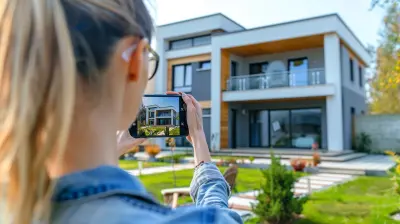
The Role of Real Estate Agents in Selling Your Flipped House
15 February 2026
So, you’ve just wrapped up all the repairs, painted the walls, installed that trendy farmhouse sink, and now your flipped house is finally market-ready. Nice work! But now comes the tricky part — selling it. And unless you're a pro at real estate transactions (or secretly love paperwork and negotiations), you’re going to need a little help. That’s where a real estate agent steps in.
A real estate agent isn't just someone who puts a “For Sale” sign in your yard and hopes for the best. Nope. They wear many hats — marketer, negotiator, advisor, and even your buffer in stressful moments. If you've ever asked yourself, “Do I really need an agent to sell my flipped house?” — this article is for you.
Let’s break down why a good real estate agent could be your secret weapon in selling your flipped home for top dollar (and maybe even faster than you expected).
What Exactly Does a Real Estate Agent Do?
Let’s start with the basics. A real estate agent’s primary job is to help people buy and sell homes. But when you zoom in, their role becomes much more layered — especially when it comes to selling a flipped property. Here's a snapshot of what they bring to the table:- Pricing the property right
- Marketing it professionally
- Hosting showings and open houses
- Negotiating with buyers
- Handling contracts and legal stuff
- Closing the deal smoothly
Each of these tasks can make or break how much you earn from your flip. So yeah, they’re kind of a big deal.
Why Flipped Homes Need a Special Touch
Here’s the thing — flipped homes aren’t like traditional home sales.You’ve likely put in a considerable investment—time, energy, and cold hard cash. Whether it was a cosmetic overhaul or a full gut-job, flips are designed to turn a quick profit. That means time is money. Sitting on the market? That’s money trickling down the drain. Pricing it too low? You’re leaving cash on the table.
A real estate agent who knows the local market can help you walk this fine line. They understand buyer psychology, neighborhood value trends, and how to position your property to stand out — especially in a world where everyone is scrolling Zillow like it’s TikTok.
Pricing It Right: The Game-Changer
You might think your flip deserves an extra $30k just because you splurged on quartz countertops. But buyers (and their agents) aren’t so easily swayed. Overpricing it can scare off potential buyers and leave your home chilling on the market for weeks (or months).A good real estate agent will run a Comparative Market Analysis (CMA) — a deep dive into similar properties recently sold nearby. They’ll consider size, upgrades, the neighborhood, and even that charming little coffee shop down the block to pinpoint the sweet spot in pricing.
It’s all about finding that “just right” number — not too high to intimidate buyers, and not too low to hurt your profit.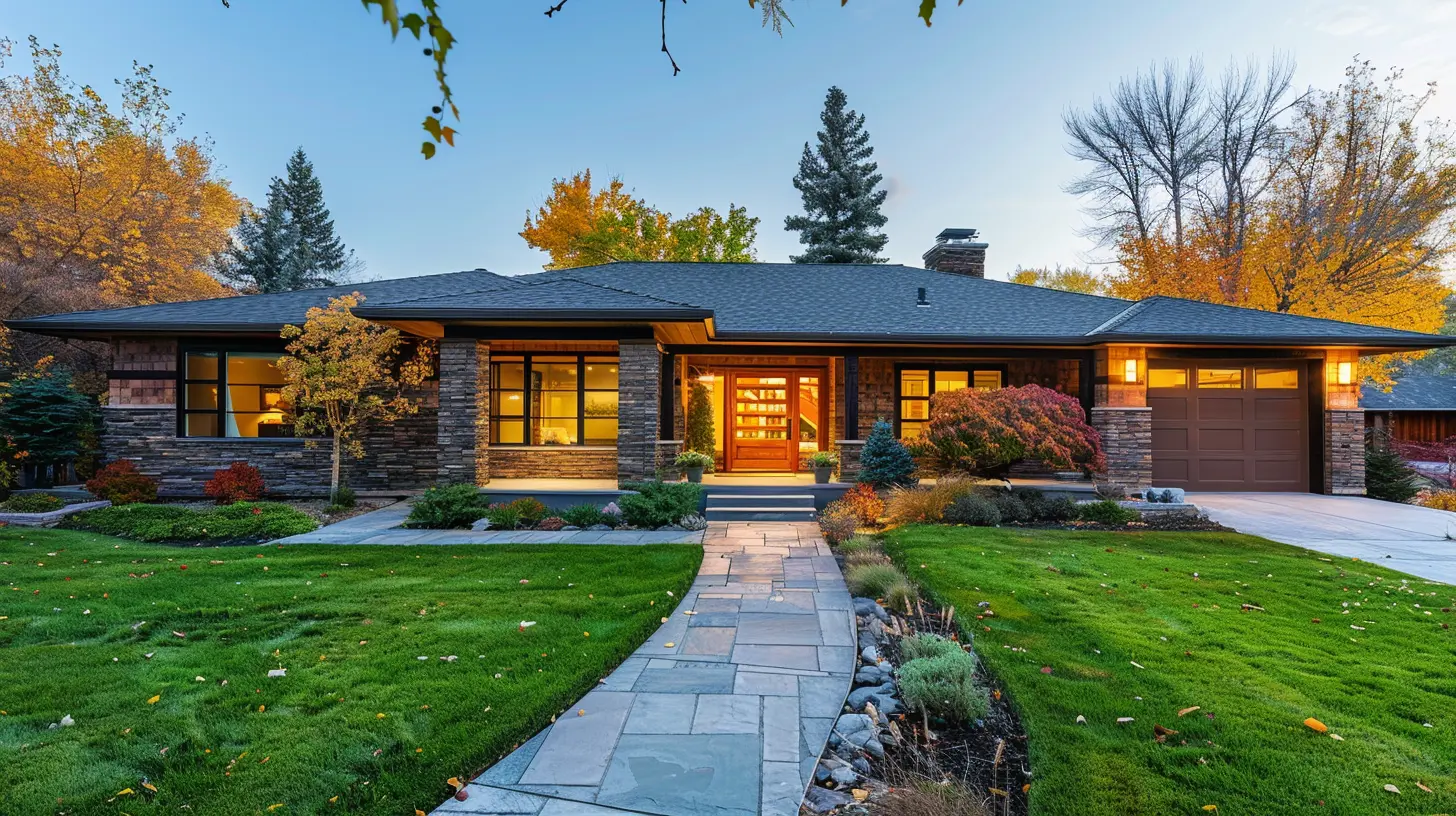
Marketing That Actually Works
Let’s be honest: sticking your house on Craigslist with a few iPhone pics won’t cut it these days.When selling a flip, first impressions matter. Buyers want to see a polished, beautifully renovated home with style and character. Real estate agents know how to create that appeal — both online and in the real world.
Here’s what professional marketing might include:
- High-quality photography (yes, with wide-angle lenses and perfect lighting)- Virtual tours and drone shots
- Social media blasts
- Email campaigns to other agents and buyers
- Open houses and agent previews
It’s not just about getting eyeballs — it’s about getting the right eyeballs on your property. And agents know how to do that.
Understanding the Buyer’s Perspective
Here’s a little secret: buyers love flip homes — but they’re also pretty skeptical.Many buyers associate flipped houses with cut corners, rushed work, or cheap finishes. They’ve seen enough disaster stories on HGTV to be cautious, and they’re going to bring their inspector with a magnifying glass.
A good agent knows how to anticipate those buyer concerns. They can help you gather all the right paperwork — permits, warranties, receipts — and present your home’s renovation story truthfully and confidently. That way, a buyer walks in feeling excited, not suspicious.
Negotiation: A Skill That Pays for Itself
Say a buyer sends in a lowball offer. Do you panic? Do you say yes because you just want to be done? Or do you hold firm and risk losing the only offer on the table?Negotiating is a subtle dance, and it’s one area where real estate agents shine. They act as a buffer, keeping emotions in check while they work to secure the best deal possible. Plus, they know what’s standard and what’s not — whether it’s about price, timelines, or repair requests after an inspection.
Chances are, they’ll negotiate hard enough to cover their own commission and then some.
Handling the In-Betweens (a.k.a. The Stuff You Didn’t Know You Needed to Know)
Selling a house involves a mountain of paperwork. Disclosures, contracts, contingency clauses — one wrong move, and you could delay the closing or open yourself up to legal issues.Agents handle all of that. They make sure forms are correct, deadlines are met, and everyone’s on the same page. It’s like having a personal real estate assistant who’s done this a hundred times before.
Better yet? They coordinate with everyone involved — buyers, attorneys, escrow officers, inspectors, and more — so you can go back to looking for your next flip project in peace.
Local Market Expertise = Competitive Edge
Real estate is all about location. A property might be worth $300,000 in one neighborhood and $450,000 just two blocks over. Real estate agents know these nuances better than anyone because they eat, sleep, and breathe that market data.They also know what buyers in that area are looking for. If you're in a family-friendly suburb, your agent might play up the open kitchen and backyard. If you're in the city, they’ll highlight walkability and modern finishes.
Customizing your sales strategy to the market is crucial — and agents have that insider knowledge.
The Power of Networking
Let’s not underestimate this. A seasoned agent doesn’t just have industry knowledge — they’ve got connections. We’re talking about:- Other agents with serious buyers
- Potential investors looking for their next property
- Professional stagers, photographers, and contractors
Their network can create buzz around your listing even before it hits the open market. That kind of exposure? Priceless.
Saving You Time (And Lots of Headaches)
Maybe you’re already scouting your next flip. Maybe you’ve got a full-time job and real estate is your side hustle. Either way, selling a house can eat up your time faster than you think.From coordinating showings to following up on paperwork and fielding curious buyers, it’s a full-time job. Having an agent means you don’t have to micromanage every detail. You get to focus on what you do best — flipping houses and making your next big move.
What to Look for in the Right Real Estate Agent
Not all agents are created equal, especially when it comes to flips. You want someone who:- Knows the rehab market
- Understands the importance of ROI
- Has a solid marketing plan
- Isn’t afraid to negotiate
- Has a track record with investors
Pro tip? Interview a few agents before deciding. Look at their listings, ask for referrals, and make sure they’re on your wavelength.
Final Thoughts
At the end of the day, selling a flipped house isn’t just about slapping on a price tag and hoping someone bites. It’s about positioning, strategy, and execution. A real estate agent — the right one — can help you navigate the maze and maximize your profit.You’ve already done the hard part: the renovation. Now it’s time to let a pro help you cash in.
So ask yourself — are you ready to hand off the baton and let a real estate agent cross the finish line for you?
all images in this post were generated using AI tools
Category:
House FlippingAuthor:

Kingston Estes
Discussion
rate this article
2 comments
Zeno Warner
This article beautifully highlights the invaluable role real estate agents play in the flipping process. Their expertise and market knowledge can truly make a difference, ensuring a successful sale and maximizing your investment. Thank you for sharing!
March 3, 2026 at 12:08 PM
Kingston Estes
Thank you for your kind words! I'm glad you found the article helpful in highlighting the important role of real estate agents in the flipping process.
Cora Rios
Great insights! This article effectively highlights the crucial role of real estate agents in maximizing the value of flipped homes. Their expertise truly enhances the selling process and ensures successful transactions.
February 16, 2026 at 11:53 AM
Kingston Estes
Thank you! I'm glad you found the insights valuable. Real estate agents really do make a difference in the flipping process.