How Smart Homes Will Change Renovations by 2026
21 April 2026
The world of home renovation is on the brink of a revolutionary change, and at the heart of this transformation is the smart home technology. By 2026, we can expect to see a seismic shift in how we approach renovations, thanks to the integration of smart technologies that not only enhance our living spaces but also make the renovation process more efficient and enjoyable. So, grab a cup of coffee, get comfy, and let’s dive into how smart homes will change renovations in the coming years.
What Are Smart Homes?
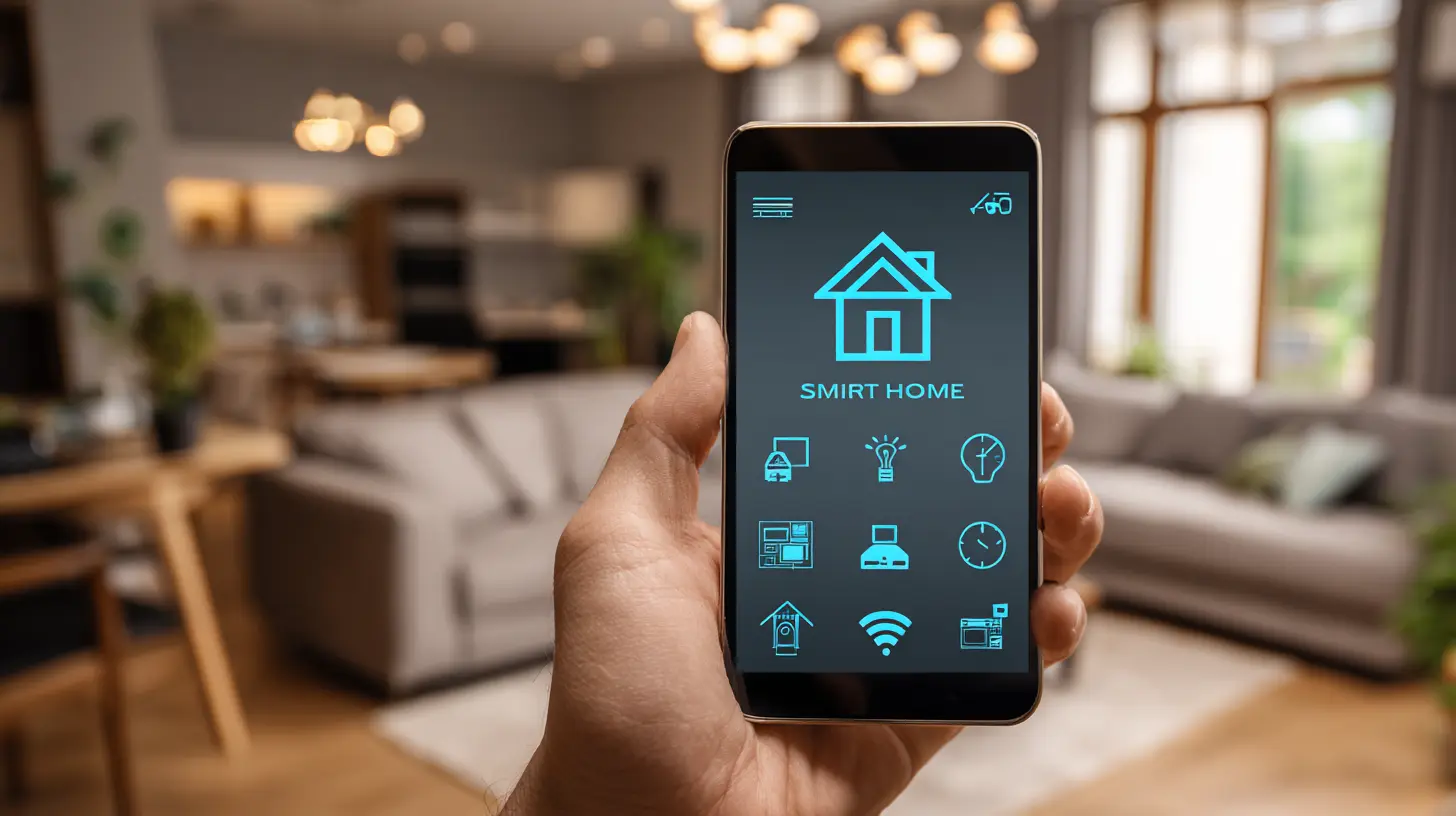
Before we jump into the renovation details, let’s quickly clarify what we mean by "smart homes." Simply put, smart homes are residences equipped with technology that allows for remote management and monitoring of systems and appliances. Think of it as your home’s brain, making it easier to control everything from lighting to security right from your smartphone.Imagine waking up in the morning and, with a simple voice command, your coffee machine starts brewing, the thermostat adjusts to a cozy temperature, and your blinds automatically open to let in natural light. Sounds dreamy, right? This is just the tip of the iceberg, especially when it comes to renovations.
The Rising Trend of Smart Renovations
As we look towards 2026, the trend of smart renovations is set to explode. Homeowners are not just looking for aesthetic upgrades; they want functionality and efficiency integrated into their spaces. But what does this really mean for the renovation process?1. Streamlined Planning and Design
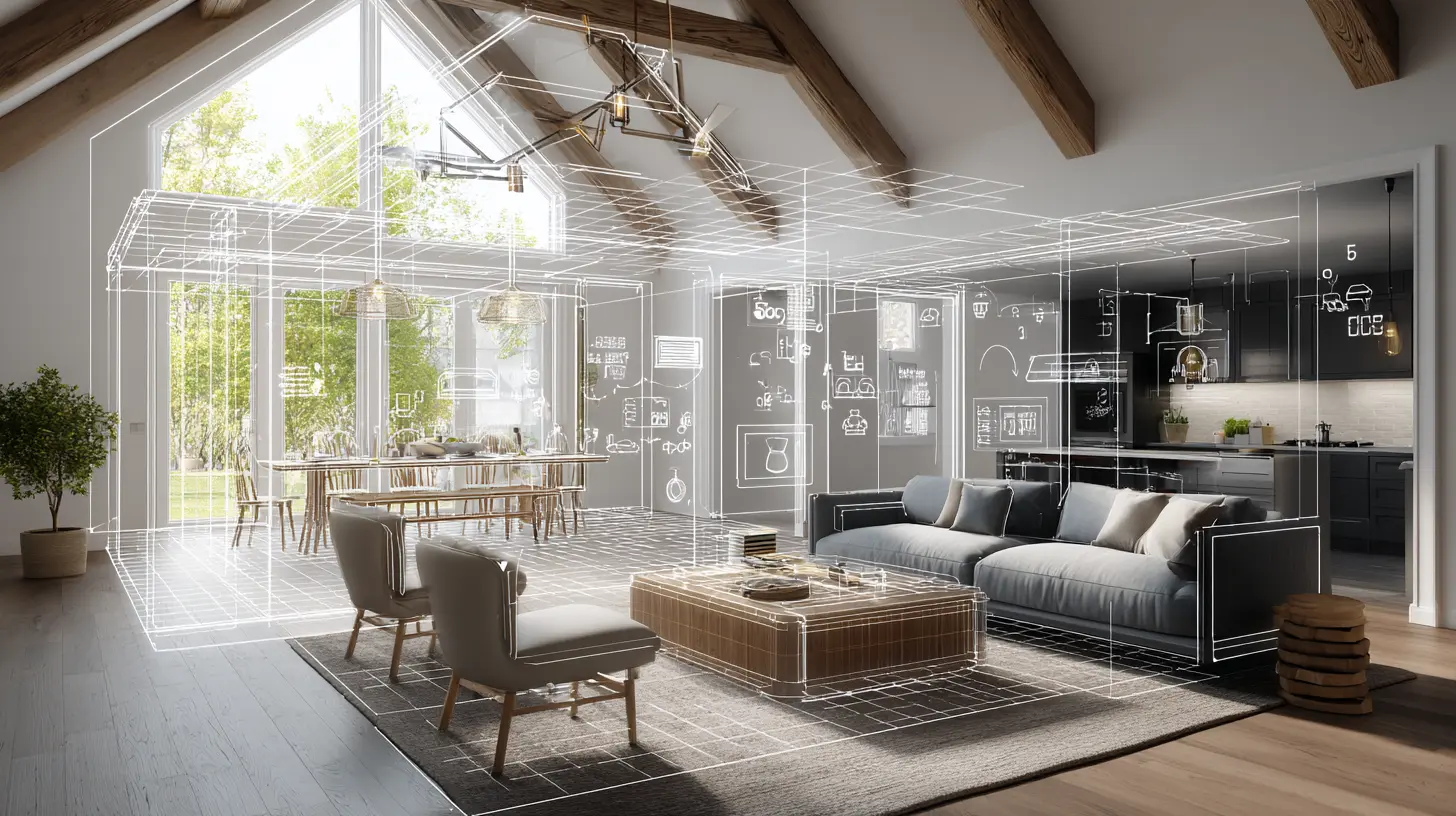
Gone are the days of cumbersome planning processes filled with confusion and miscommunication. Smart home technology is set to streamline these efforts significantly. Applications that allow homeowners to visualize their renovations in 3D will become commonplace, allowing you to see exactly how new layouts, colors, or intelligent systems will look in your space before any work begins.Virtual Reality: A Game Changer
Imagine being able to walk through your future kitchen or bathroom in a virtual reality environment before you even pick up a paintbrush! This technology allows you to make informed decisions and avoid costly mistakes.2. Energy Efficiency at Its Best
One of the most significant advantages of smart home renovations is energy efficiency. By 2026, smart appliances will be more advanced, allowing homeowners to monitor their energy consumption in real-time. This means that renovations won’t just focus on aesthetics but will prioritize sustainability.Smart Thermostats and Appliances
Consider smart thermostats that learn your schedule and adjust heating and cooling accordingly. Not only do they keep your home comfortable, but they also save you money on energy bills. Combining these with energy-efficient appliances will create a home that’s not only beautiful but also eco-friendly.3. Enhanced Safety and Security
Renovations are not just about looks; they’re also about making our homes safer. Smart home technology will bring a new level of security to renovations, with integrated systems that can be monitored and controlled remotely.Smart Security Systems
Picture this: You’re on vacation, and you receive a notification that your doorbell camera has detected motion. You can check the live feed from your smartphone and even communicate with the person at your door. This is just one way smart technology will revolutionize home security.4. Seamless Integration of Home Automation
By 2026, we can expect that home automation will be a key feature in renovations. Homeowners will want systems that can communicate with each other effortlessly. Think of your smart fridge reminding you when you’re low on groceries and sending a list to your smart shopping app.The Internet of Things (IoT)
With the growth of the Internet of Things (IoT), every device in your home will be interconnected. Imagine adjusting your home's lighting, temperature, and security all from one app. This seamless integration will not only simplify your life but also make renovations much more appealing.5. Cost-Effective Solutions
Smart technology has often been associated with high initial costs, but as we move towards 2026, the market will see a shift. As demand increases, prices will decrease, making smart renovations more accessible to the average homeowner.Long-Term Savings
While the upfront costs might be daunting, the long-term savings on energy bills and maintenance will make smart renovations a wise investment. Homeowners will start seeing these upgrades as financially savvy choices rather than just trendy updates.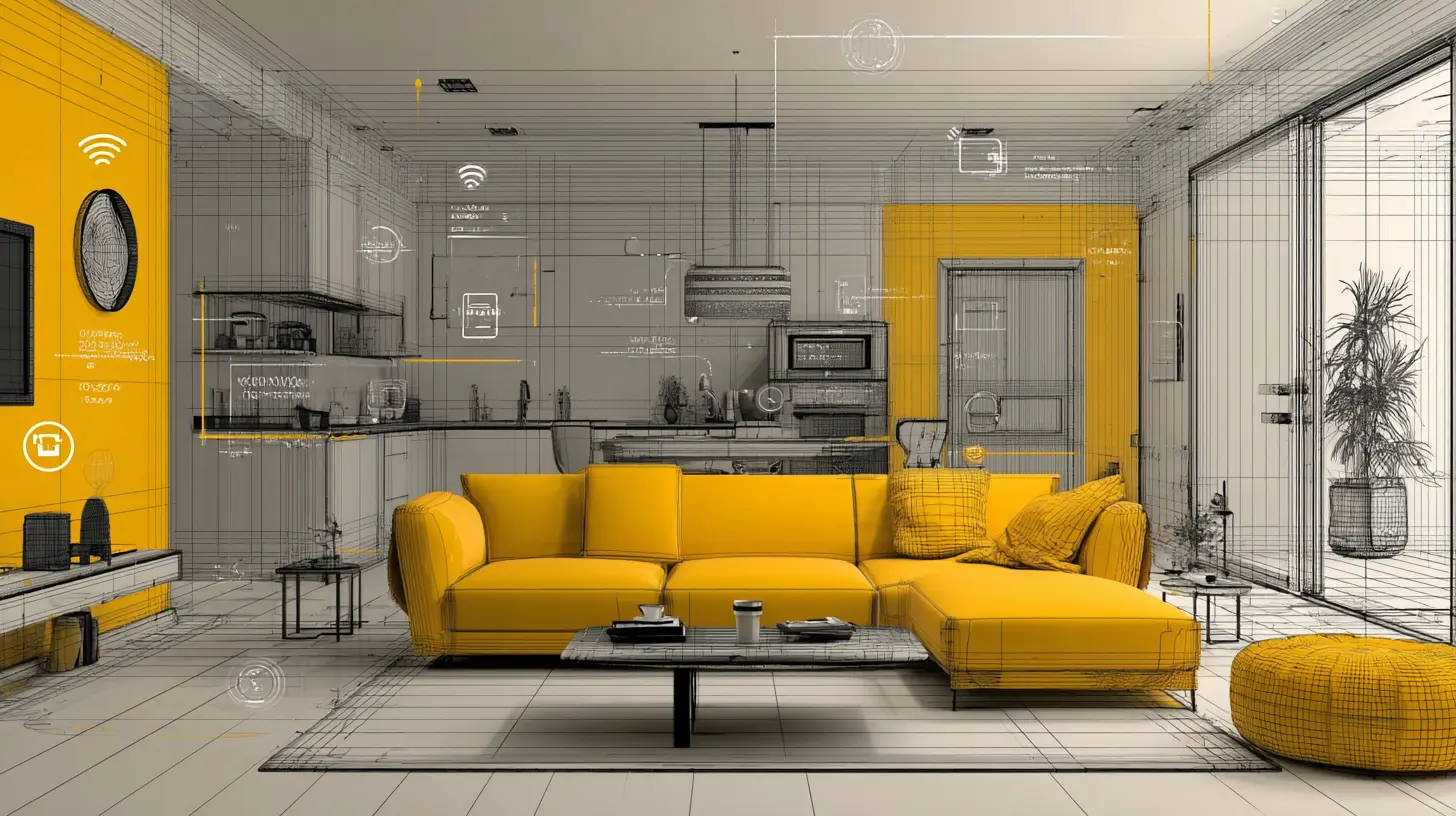
The Role of Contractors and Professionals
As smart renovations become the norm, contractors and renovation professionals will need to adapt. This shift will require them to be knowledgeable not just about construction but also about technology.1. Education and Training
By 2026, it will be essential for contractors to undergo training in smart home technologies. Homeowners will look for professionals who can guide them through the complexity of integrating smart systems into their renovations.2. Collaboration with Tech Companies
We can expect a rise in collaborations between contractors and tech companies. This partnership will ensure that the latest and most effective smart technologies are applied during renovations, providing homeowners with the best possible options.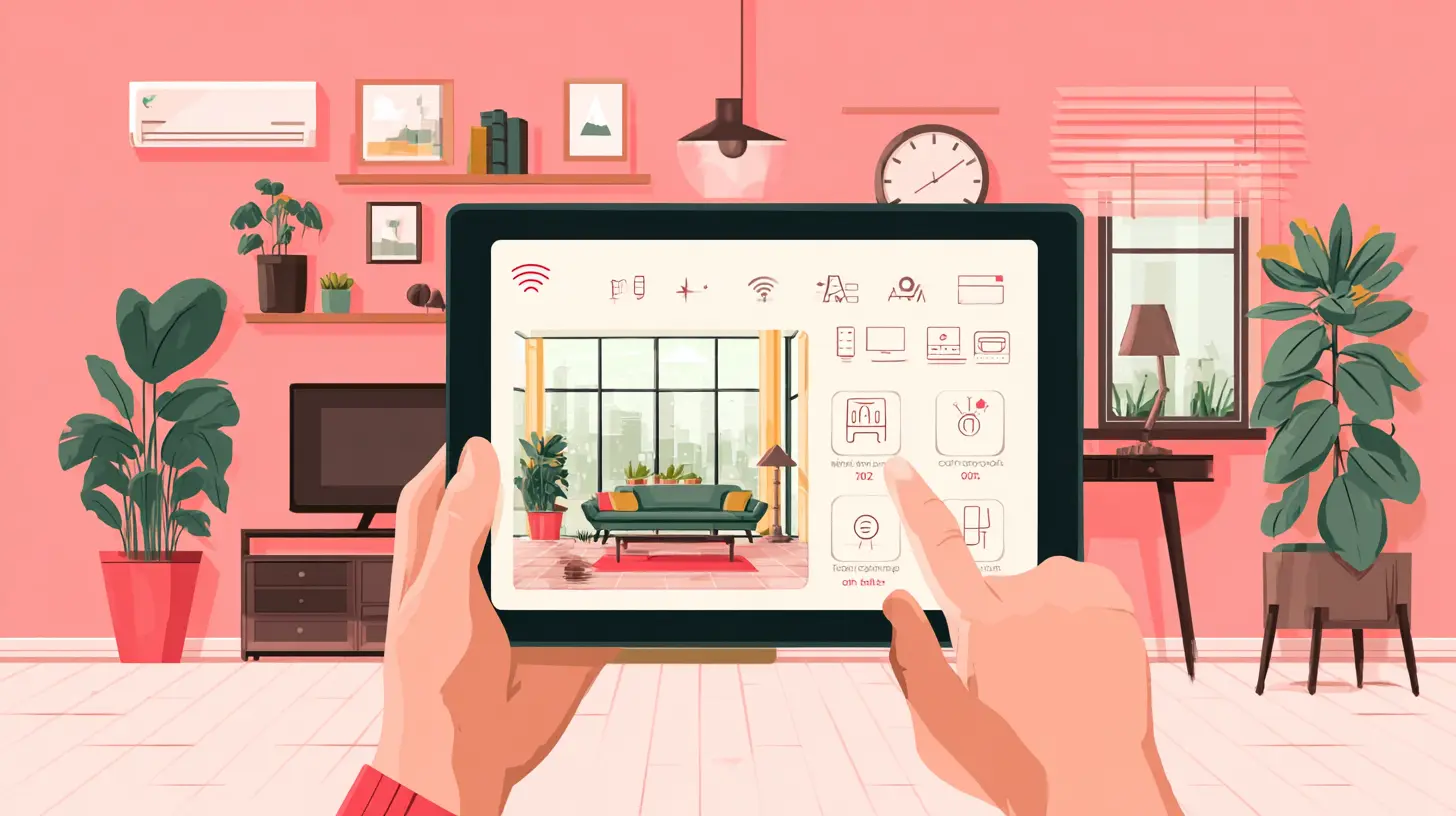
The Homeowner’s Perspective
As a homeowner, how do you feel about this upcoming shift? The idea of making your home smarter and more efficient is undoubtedly exciting. Here’s how you can prepare for the renovation of the future.1. Research and Planning
Start by researching the smart technologies available in the market. Take note of what you find appealing and think about how these technologies can fit into your renovation plans.2. Consultation with Professionals
Don’t hesitate to consult with renovation professionals who are knowledgeable about smart home technologies. Their expertise will help you make informed decisions that align with your vision.3. Budgeting for Smart Technologies
When planning your budget, consider allocating funds for smart technologies. While these may seem like additional costs upfront, they will likely save you money in the long run through energy efficiency.The Future of Smart Home Renovations
As we look ahead to 2026, the ways in which smart homes will change renovations are truly remarkable. We’ll see a more efficient, sustainable, and connected way of living, all thanks to the advancements in technology.1. Community and Collaboration
The future will also see homeowners becoming more collaborative. Online platforms will allow people to share their renovation experiences, showcasing the smart technologies they’ve integrated into their homes. This community-driven approach will inspire others to embrace the idea of smart renovations.2. Personalization and Customization
Smart home technologies will also allow for greater personalization. Homeowners will have the ability to customize their smart systems to fit their unique lifestyles. Whether you’re a tech enthusiast or someone looking for simplicity, the options will cater to every need.3. Health and Wellness
Lastly, smart home renovations will put a greater focus on health and wellness. With air quality monitors, smart lighting that adjusts to your circadian rhythm, and even smart gardens that help you grow your own food, the future of renovations will prioritize your well-being.
Conclusion
The world of home renovations is evolving, and by 2026, smart home technology will play a pivotal role in shaping this transformation. From streamlined planning and enhanced security to cost-effective solutions and community collaboration, the future looks bright for homeowners looking to renovate.So, as we move forward into this new era, embrace the changes. Renovating your home will not just be about aesthetics but about creating a space that enhances your lifestyle, efficiency, and well-being. Get ready to make your home smarter, because the future is just around the corner!
all images in this post were generated using AI tools
Category:
Home ImprovementAuthor:

Kingston Estes
Discussion
rate this article
2 comments
Sadie McTavish
By 2026, smart homes will renovate themselves! Just imagine: your fridge arguing with the toaster about color schemes while the vacuum debates with the thermostat over climate control. Talk about a home with personality!
April 26, 2026 at 2:41 AM
Kingston Estes
That would be quite a sight! The idea of appliances having their own style preferences adds a fun twist to the future of smart homes. Who knows what else they might collaborate on?
Bethany White
Exciting future for renovations with smart home tech!
April 22, 2026 at 11:04 AM
Kingston Estes
Absolutely! Smart home tech will transform renovations, making them more efficient and tailored to individual needs. Exciting times ahead!