How Homeowners Insurance Handles Vandalism and Theft
8 August 2026
Owning a home is one of the biggest investments you'll make, and protecting it is a top priority. But what happens when your property is vandalized or, worse, burglarized? These incidents can be stressful, costly, and emotionally draining. Fortunately, homeowners insurance is designed to help cover the financial burden of these unfortunate events.
So, how does homeowners insurance handle vandalism and theft? Let’s break it down in a way that's easy to understand. 
Does Homeowners Insurance Cover Vandalism and Theft?
The good news? Yes! Most standard homeowners insurance policies cover both vandalism and theft. These policies typically fall under the "named perils" section, meaning they specifically list events that are covered, and vandalism and theft are usually included.However, the extent of coverage depends on a few factors, such as your policy limits, deductibles, and any exclusions or conditions set by your insurance provider. 
Understanding Coverage for Vandalism
What is Vandalism?
Vandalism refers to intentional damage or destruction of your property by someone else. This could be anything from spray-painted graffiti on your garage door to shattered windows or a broken fence.How Insurance Covers Vandalism
If your home or personal belongings are damaged due to vandalism, your homeowners insurance will typically cover:✔ Structural Damage – If someone smashes your windows, breaks your doors, or damages your walls, your dwelling coverage (Coverage A) should take care of the repair costs.
✔ Personal Property Damage – If vandals destroy your furniture, electronics, or other valuables inside your home, personal property coverage (Coverage C) can reimburse you for your losses.
✔ Additional Living Expenses (ALE) – If the damage is severe enough that you have to temporarily move out while repairs are being made, your policy may help cover hotel stays and other associated costs.
Exclusions and Limitations on Vandalism Coverage
While vandalism is usually covered, here are some situations where your claim might be denied:? Vacant Homes – If your home has been vacant (typically for more than 30-60 days), your standard policy may not cover vandalism. Some insurers offer separate coverage for vacant homes, so if your property is unoccupied, it's worth checking your options.
? Intentional Acts – If someone in your household intentionally damages your home, your insurance won't cover it.
? Negligence – If your home wasn’t properly secured, and this contributed to the damage, your insurer might refuse to pay out. 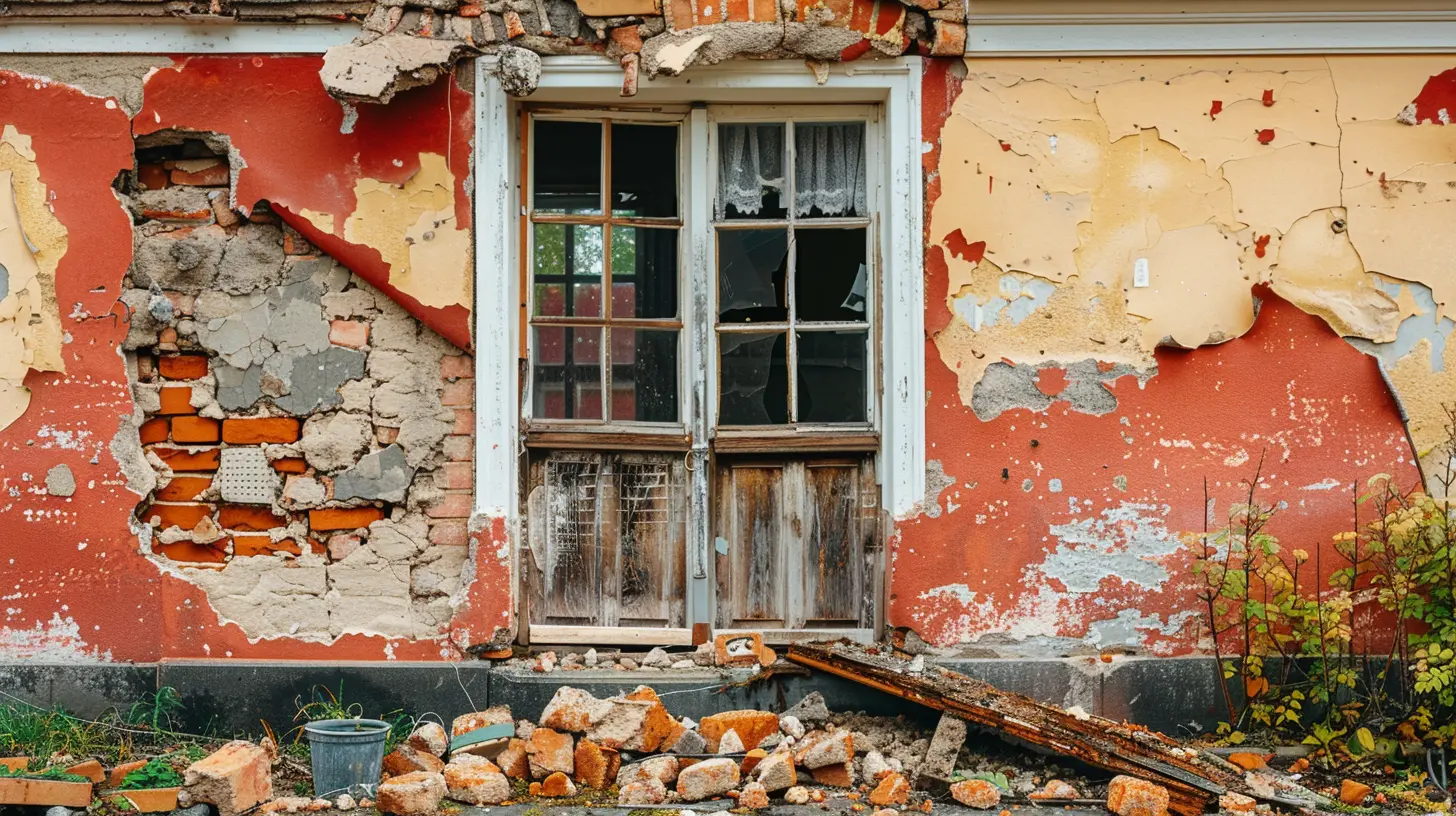
Understanding Coverage for Theft
Just like vandalism, theft is typically covered under a standard homeowners insurance policy. Whether it's a break-in while you're at work or a burglary while you're on vacation, your policy can help you recover the cost of stolen items.How Insurance Covers Theft
✔ Stolen Personal Property – If thieves steal valuables like jewelry, electronics, furniture, or other personal belongings, your personal property coverage will reimburse you for the loss.✔ Damage from Break-Ins – If burglars break a door, smash a window, or damage locks while entering your home, your dwelling coverage will usually pay for repairs.
✔ Off-Premises Theft – Did someone steal your laptop from your car or snatch your purse while you were out? Many policies extend protection to theft that happens outside your home, though coverage limits may apply.
✔ Identity Theft Protection – Some homeowners insurance policies offer optional endorsements for identity theft, helping cover expenses like legal fees or credit monitoring if your personal information is stolen.
Limitations and Exclusions on Theft Coverage
Just like vandalism coverage, theft coverage also comes with certain caveats:? Coverage Limits – Some items, like jewelry, fine art, and collectibles, have coverage limits. If you own high-value items, you may need to purchase additional coverage (often called a rider or endorsement) to fully protect them.
? Cash and Securities – Most policies have very low limits on cash coverage—often around $200-$500—so keeping large sums of money at home is a risky idea.
? Unforced Entry Theft – If there are no signs of forced entry and you didn't report the crime to the police, your insurer may question the claim.
? Tenant or Roommate Theft – If someone you live with (like a roommate) steals from you, your policy may not cover it since insurers assume you willingly gave them access to your home. 
Filing a Claim for Vandalism or Theft
If your home has been vandalized or burglarized, taking swift action can make a big difference in how smoothly your claim process goes.Step 1: Call the Police
First things first—file a police report. Insurance companies usually require documented proof of vandalism or theft, and a police report will help solidify your claim.Step 2: Document the Damage
Take photos and videos of the damage or areas affected. If any belongings were stolen, compile a list of missing items along with their estimated value.Step 3: Contact Your Insurance Company
Notify your insurer as soon as possible. They’ll guide you through the claims process and may send an adjuster to assess the damage.Step 4: Prevent Further Damage
If necessary, make temporary repairs to prevent further damage. For example, if a window was smashed, boarding it up can prevent additional harm or intrusions. Keep all receipts for any emergency repairs, as your insurer may reimburse you.Step 5: Provide Necessary Documentation
Your insurance company may ask for additional proof, such as receipts for stolen items, security footage (if available), or witness statements. The more documentation you provide, the smoother the process will be.How to Strengthen Your Insurance Protection
Want to ensure maximum protection against vandalism and theft? Here are some extra steps you can take:? Increase Your Policy Limits – If your current coverage isn’t enough to replace valuable possessions, consider increasing your policy limits or adding endorsements.
? Install a Security System – Homes with surveillance cameras, alarm systems, and motion-sensor lights are less attractive to burglars and vandals. Plus, some insurance companies offer discounts for added security.
? Keep an Updated Home Inventory – Make a detailed list (with photos or videos) of your valuable items, including serial numbers, purchase dates, and estimated values. This makes it much easier to file a claim.
? Reinforce Entry Points – Sturdy locks, deadbolts, and security bars can make it harder for criminals to break in.
? Understand Your Policy – Be sure to read your policy carefully and talk to your insurer about any gaps in coverage.
Final Thoughts
Vandalism and theft are unfortunate events, but having a solid homeowners insurance policy can offer peace of mind and financial protection. Understanding what’s covered (and what’s not) allows you to take the right precautions and ensure you're adequately protected.If you're uncertain about your coverage, don't wait until disaster strikes—review your policy now, ask questions, and make necessary adjustments. After all, your home is more than just a building; it’s where memories are made, and it deserves the best protection possible.
all images in this post were generated using AI tools
Category:
Homeowners InsuranceAuthor:

Kingston Estes
Discussion
rate this article
1 comments
Icarus McLoughlin
Understanding how homeowners insurance protects against vandalism and theft is crucial. Knowledge empowers you to safeguard your home and secure peace of mind. Stay informed!
August 15, 2026 at 3:54 AM
Kingston Estes
Absolutely! Knowing your insurance coverage helps you take better care of your home and feel secure. Thanks for highlighting its importance!