Enhancing Modern Comforts in a Historic Home Without Losing Its Charm
26 June 2026
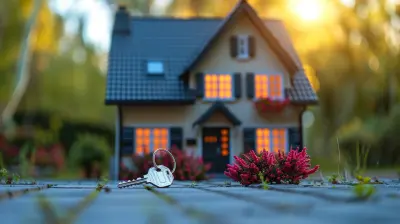
Owning a historic home is like holding a piece of history in your hands. The creaky wooden floors, intricate moldings, and timeless architecture tell stories of decades past. But let’s be honest—while the charm is undeniable, historic homes often lack the modern conveniences we’ve come to expect.
So, how do you upgrade a historic home without stripping away its personality? It’s a delicate balance, but with the right approach, you can enjoy the best of both worlds: timeless beauty and modern comfort.
Let’s dive into how you can enhance your historic home while preserving its original allure. 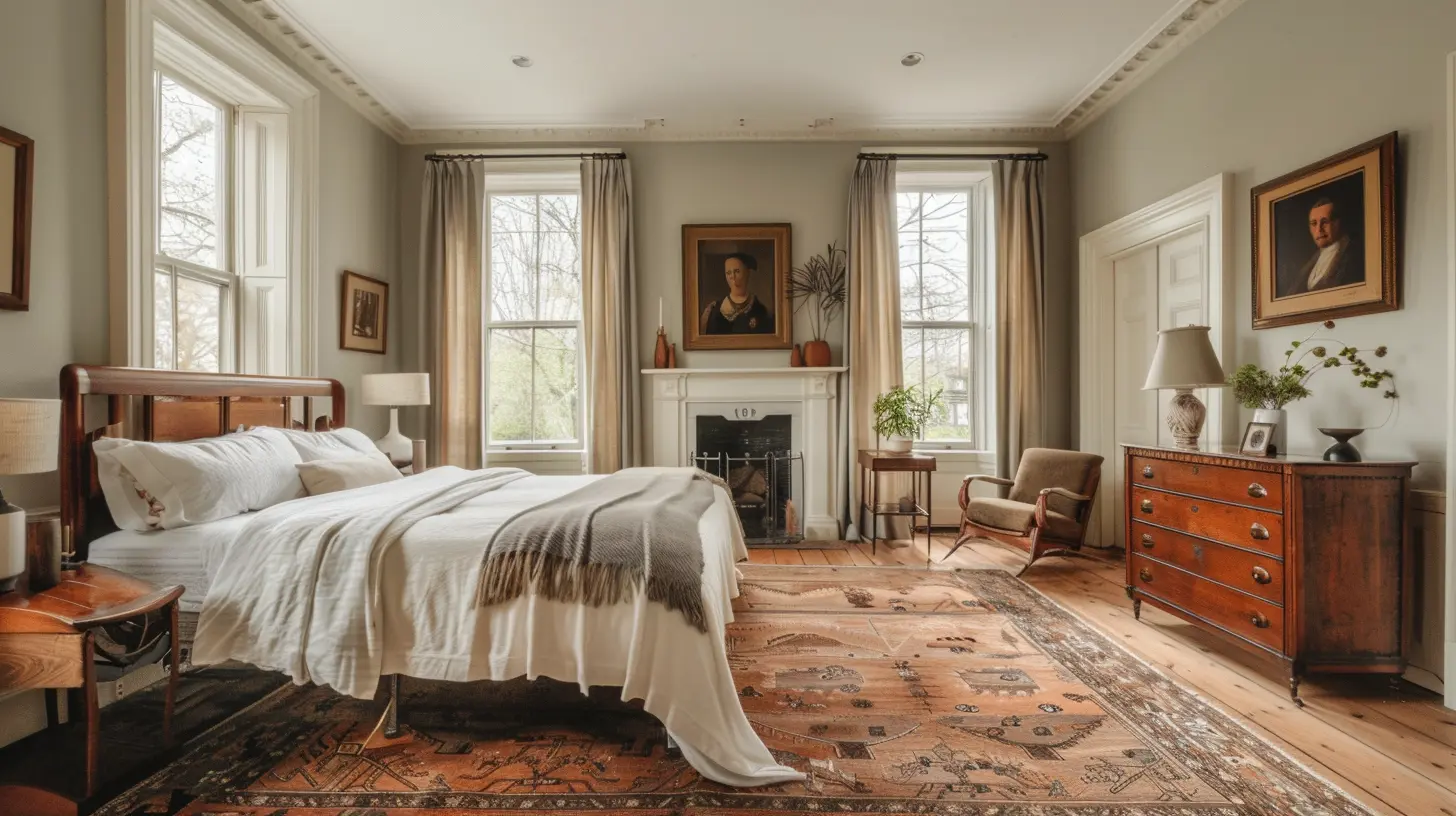
1. Respect the Original Architecture
Before knocking down walls or installing sleek modern fixtures, take a step back. What makes your home special? Is it the Victorian trim? The original hardwood floors? The stained glass windows?Rather than replacing these elements, find ways to work around them. If your kitchen feels outdated, consider refinishing the original cabinets instead of swapping them for generic modern ones. If the hardwood floors are showing their age, refinishing rather than replacing them maintains authenticity.
Tip: If you must add or remove features, try to mimic the home's original materials and craftsmanship. It keeps the charm intact while subtly upgrading functionality. 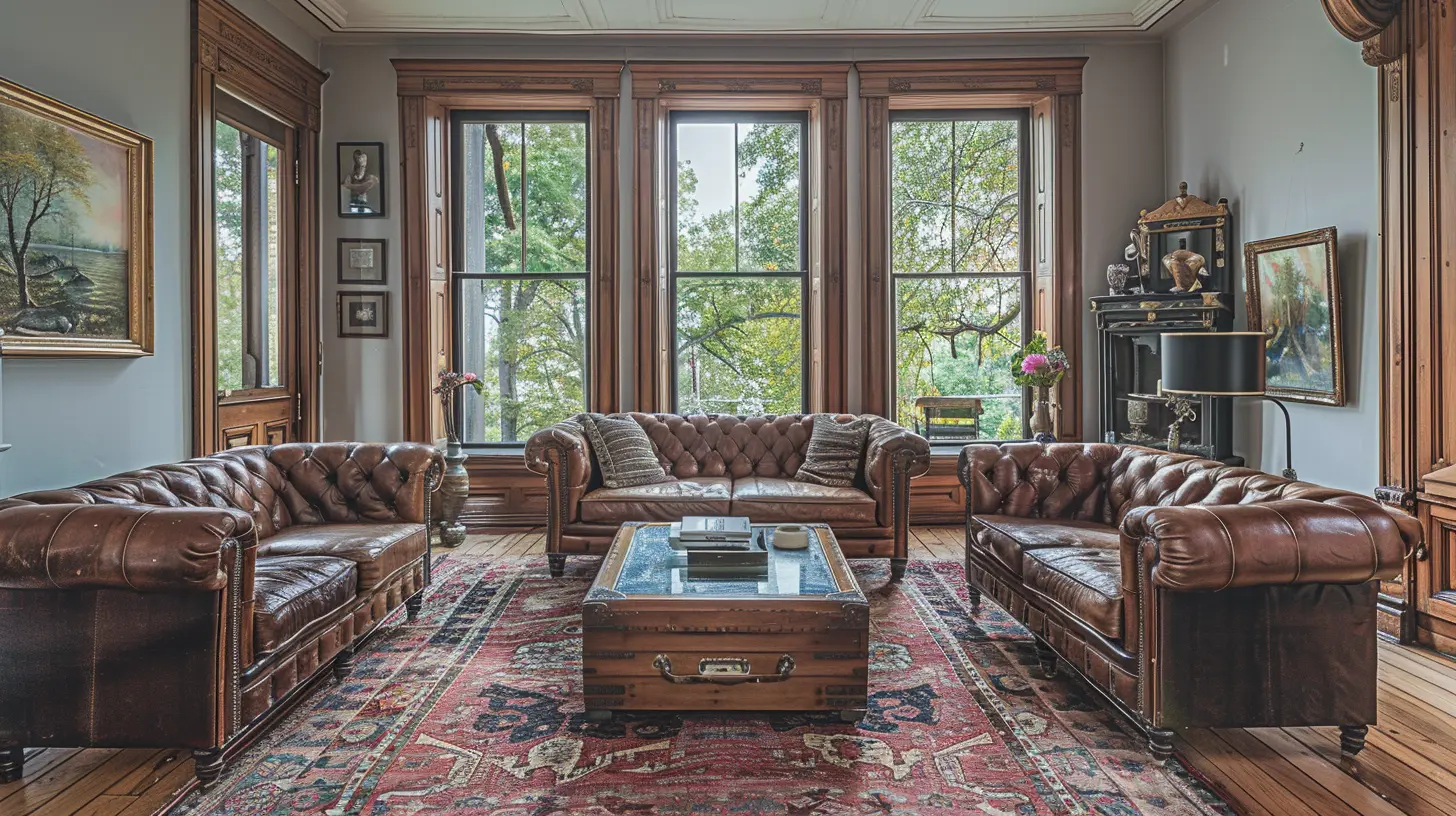
2. Upgrade Without Overpowering
Adding modern amenities doesn’t mean bringing in cold, industrial designs that clash with your home’s character. The key is integration.- Kitchen: Instead of installing a sleek, futuristic kitchen, opt for classic finishes with modern functionality. For example, choose a farmhouse sink with a high-tech faucet or concealed appliances that blend into vintage cabinetry.
- Bathroom: A clawfoot bathtub with a rainfall shower system gives you luxury without looking out of place.
- Lighting: Swap fluorescent lights for warm, vintage-inspired fixtures with energy-efficient LED bulbs.
Blending modern convenience with traditional aesthetics ensures your home remains inviting, not jarring. 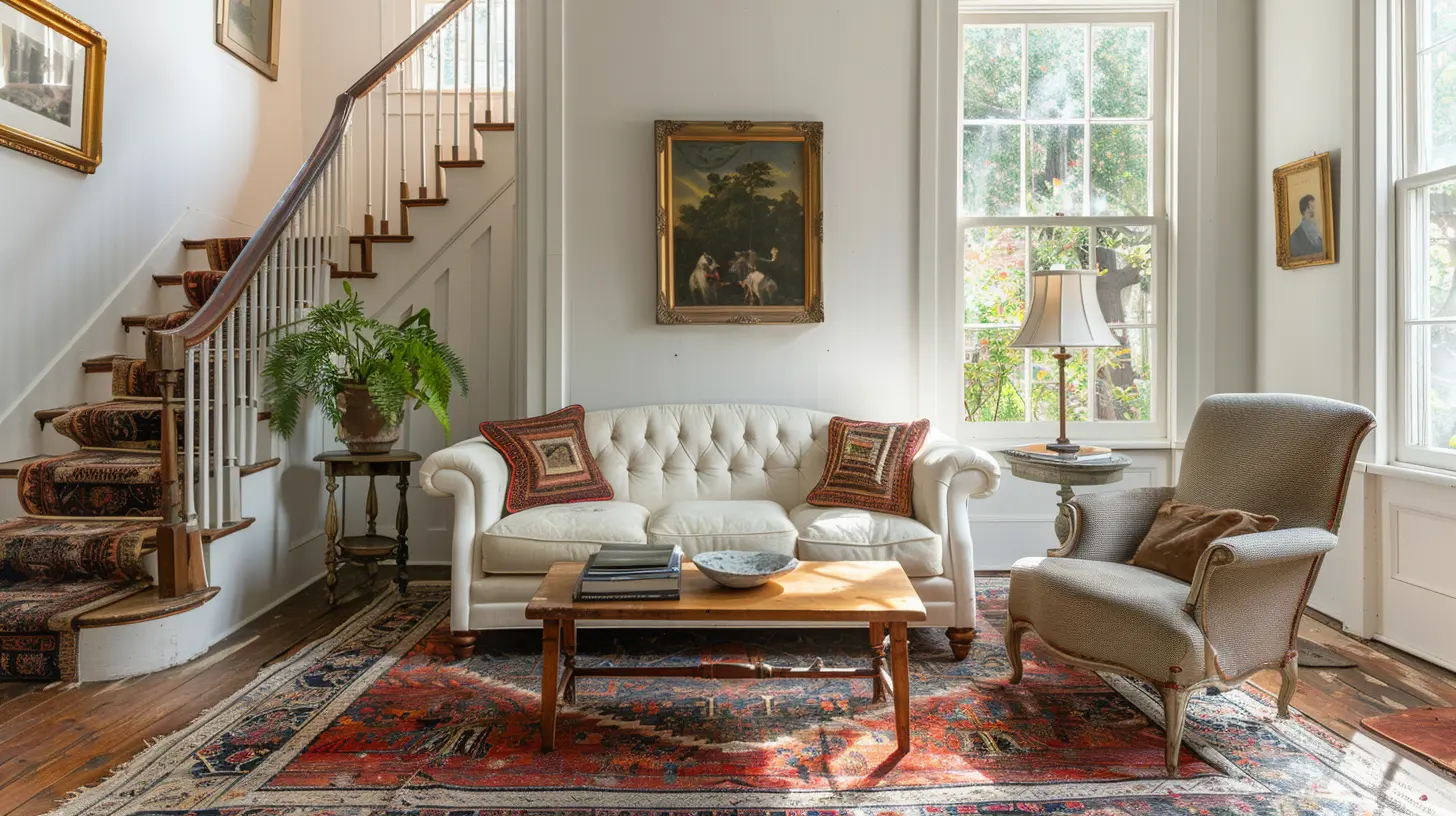
3. Improve Energy Efficiency Without Compromising Beauty
Many older homes lack insulation, leading to sky-high energy bills. Fortunately, you can boost efficiency without damaging architectural integrity.- Upgrade Windows: If your home has original windows, restoring and sealing them can be just as effective as replacing them. If they’re beyond repair, choose energy-efficient windows with a classic design.
- Insulation: Adding spray foam insulation behind walls or under floors helps retain heat without altering the home's look.
- Smart Thermostat: Devices like Nest or Ecobee blend seamlessly into any home and allow better energy management without disrupting aesthetics.
Reducing energy waste doesn’t mean sacrificing charm—it just takes a thoughtful approach. 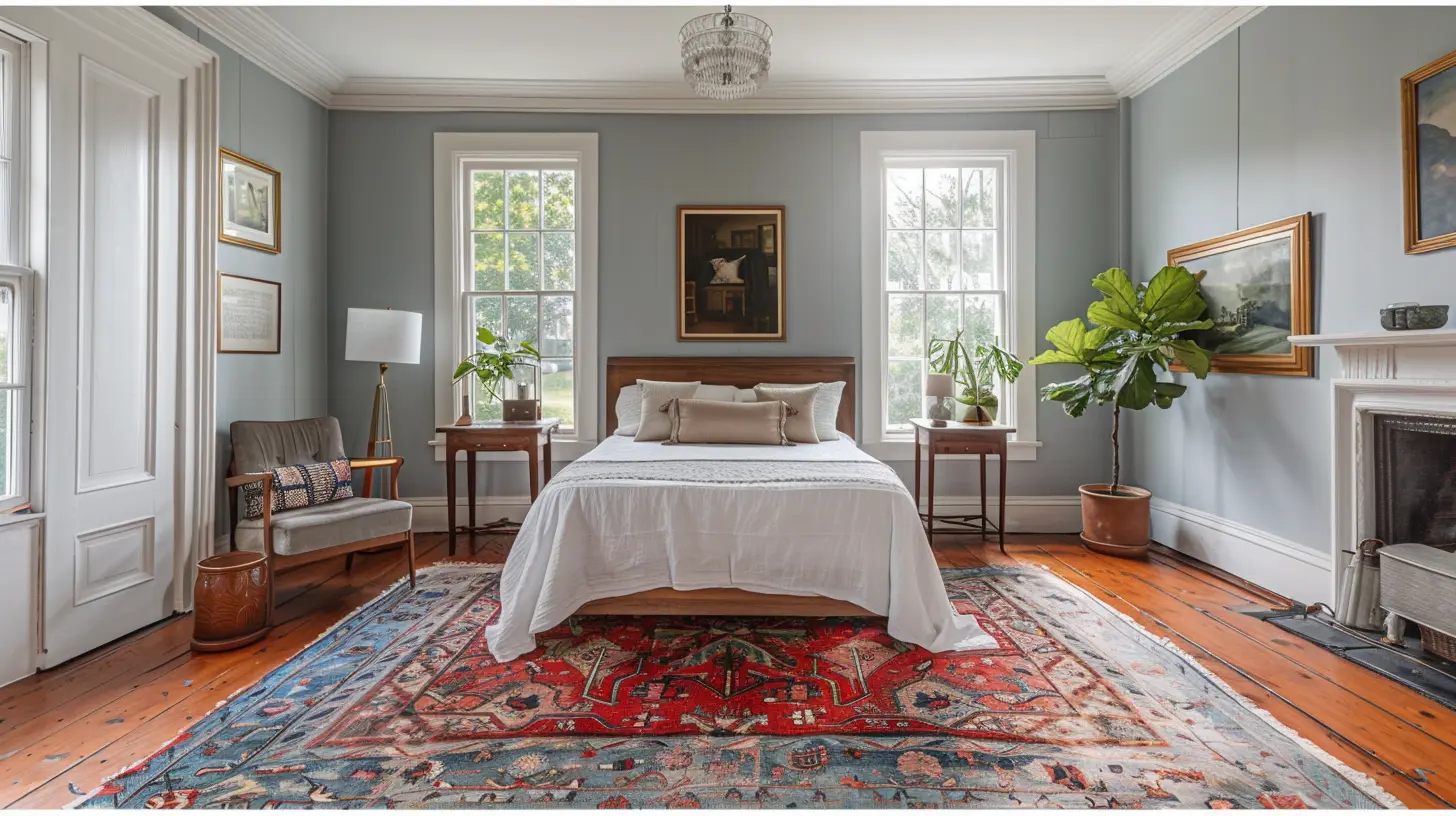
4. Modernize the Home's Technology Discreetly
Want smart home features without making your historic home look like a sci-fi set? The trick is discretion.- Hidden Wiring: Older homes weren’t built with today’s wiring needs in mind. Instead of running wires along baseboards, consider in-wall conduits or wireless solutions for modern tech.
- Smart Home Controls: Instead of cluttering walls with high-tech panels, opt for smartphones or voice-activated controls to manage lighting, temperature, and security.
- Built-in Speakers: Modern sound systems can be installed within walls or ceilings, making them invisible while keeping high-quality sound throughout your space.
By keeping technology out of sight, you maintain the timeless feel of your home while bringing it into the 21st century.
5. Restore, Don’t Replace, Whenever Possible
One of the biggest mistakes homeowners make when modernizing historic homes is replacing too much. Original doors, moldings, mantels, and even doorknobs add to the home's unique character.Rather than discarding them, see if they can be restored instead. A little sanding, staining, or a fresh coat of paint can make old features look new again while still maintaining their vintage appeal.
Quick DIY: Try salvaging antique light fixtures and having them rewired for safety rather than swapping them for modern alternatives.
6. Open Up Spaces Thoughtfully
Many historic homes have smaller, compartmentalized rooms, while modern living spaces lean toward open-concept designs. If you’re itching to create a more open feel, do it thoughtfully.- Wider Doorways: Instead of knocking down entire walls, consider widening doorways to create a better flow between rooms.
- Glass Panel Doors: Replacing solid doors with glass-paneled ones lets in more light while maintaining separation when needed.
- Archways: If you must remove a wall, an arched opening can preserve some of the home’s historical integrity while modernizing the layout.
Finding ways to create openness without stripping the home of its classic structure ensures you retain character while increasing functionality.
7. Upgrade Plumbing and Electrical Systems Without Major Disruption
Old plumbing and wiring can be a nightmare. Outdated electrical panels, knob-and-tube wiring, and inefficient plumbing often need a serious upgrade.- Plumbing: Consider using PEX piping, which is easier to run through existing walls than traditional copper.
- Electrical: Instead of ripping apart walls to rewire, electricians can often fish new wiring through existing cavities. This method minimizes damage to original plaster and woodwork.
- Fixtures: Modern fixtures, such as tankless water heaters or low-flow toilets, upgrade efficiency while maintaining a period-appropriate style.
Updating these essential systems the right way keeps your home safe and functional without excessive demolition.
8. Incorporate Timeless Interior Design Choices
Even if your home is historic, that doesn’t mean your furniture and decor have to be outdated. The key is striking a balance between old and new.- Mix and Match: Pair antique furniture with modern accents—think a vintage dining table with contemporary chairs.
- Color Palette: Stick with neutral tones that complement the home's original features. Earthy tones work well with antique wood finishes.
- Layer Textures: Soft textiles like area rugs, velvet cushions, and linen drapes add warmth without clashing with the antique charm.
By blending different design styles, you create an inviting home that feels both cozy and current.
9. Preserve the Home's Exterior Charm
The outside of a historic home is just as important as the inside. You don’t want a sleek, modern exterior clashing with your century-old house.- Roofing: If your roof needs an upgrade, look for historically accurate materials like slate or wood shingles.
- Paint & Finishes: Stick to original color palettes that match the home’s era. Many paint manufacturers offer historically accurate collections.
- Landscaping: Complement the home with period-appropriate landscaping. Wrought iron fences, cobblestone paths, and lush gardens enhance curb appeal without looking out of place.
A little effort in preserving the exterior ensures your home remains a neighborhood gem.
Final Thoughts: A Harmonious Blend of Past and Present
Modernizing a historic home requires thoughtfulness and patience, but the result is worth it. By carefully integrating modern comforts without erasing its charm, you create a home that honors its past while embracing the future.Whether you’re upgrading insulation, introducing smart home features, or restoring original details, the key is balance. Respect the craftsmanship of the past while enjoying the conveniences of today, and your home will remain timeless for generations to come.
all images in this post were generated using AI tools
Category:
Historic HomesAuthor:

Kingston Estes
Discussion
rate this article
1 comments
Felix Ramirez
Why settle for outdated when you can have charm with a side of chic? Time to elevate that historic style!
July 23, 2026 at 12:16 PM
Kingston Estes
Absolutely! Blending modern comforts with historic charm creates a unique and inviting space. It's all about balance!