The Evolving Landscape of New England's Industrial Real Estate
March 24, 2025 - 07:03

By Mike Kunz
BOSTON–The industrial real estate market in New England is currently experiencing notable changes, marked by a decline in demand and rising vacancy rates. This shift presents significant challenges for developers and investors navigating the landscape. As businesses reassess their space requirements in the wake of economic fluctuations, many are opting to downsize or relocate, leading to an increase in available properties.
The pandemic has also played a crucial role in reshaping the market dynamics. With the rise of e-commerce and changing consumer habits, some sectors have thrived, while others, particularly traditional manufacturing and warehousing, face heightened competition and operational hurdles. Developers are now tasked with reimagining existing spaces to attract new tenants, focusing on flexibility and sustainability.
Furthermore, the rising costs of construction materials and labor are exacerbating the situation, making it difficult for new projects to break ground. As the market adapts, stakeholders must remain agile and innovative to navigate the complexities ahead.
MORE NEWS

October 6, 2026 - 01:14
California Realtor Accused of Acting as Unregistered Agent for ChinaA real estate agent based in California is facing federal charges after authorities accused him of operating as an unregistered agent for the Chinese government. The suspect, identified as Zhang,...

October 5, 2026 - 10:34
Trebellar Raises $18 Million Series A To Bring AI To Corporate Real Estate ManagementTrebellar has raised $18 million in Series A funding to grow its AI-native platform for corporate real estate management. Blossom Capital led the round, with participation from Haystack, Alt...
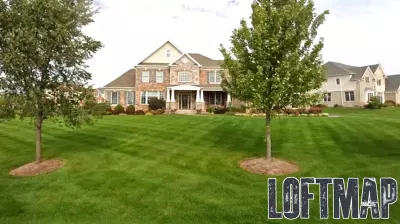
October 4, 2026 - 19:39
Barrington Home on Rainier Circle Fetches $1.75 MillionA single-family residence at 27 Rainier Circle in Barrington changed hands on Sept. 23 for $1.75 million, according to county property records. The sale price works out to roughly $324 per square...

October 4, 2026 - 02:30
Los Angeles Taxed Housing to Increase Supply and Got the Opposite ResultLos Angeles had a housing shortage. So naturally, it decided to tax housing. The city placed a new tax on property transfers above a certain value, with the stated goal of funding affordable...