Boston's Life Sciences Real Estate Market Experiences Significant Decline
November 10, 2025 - 18:54
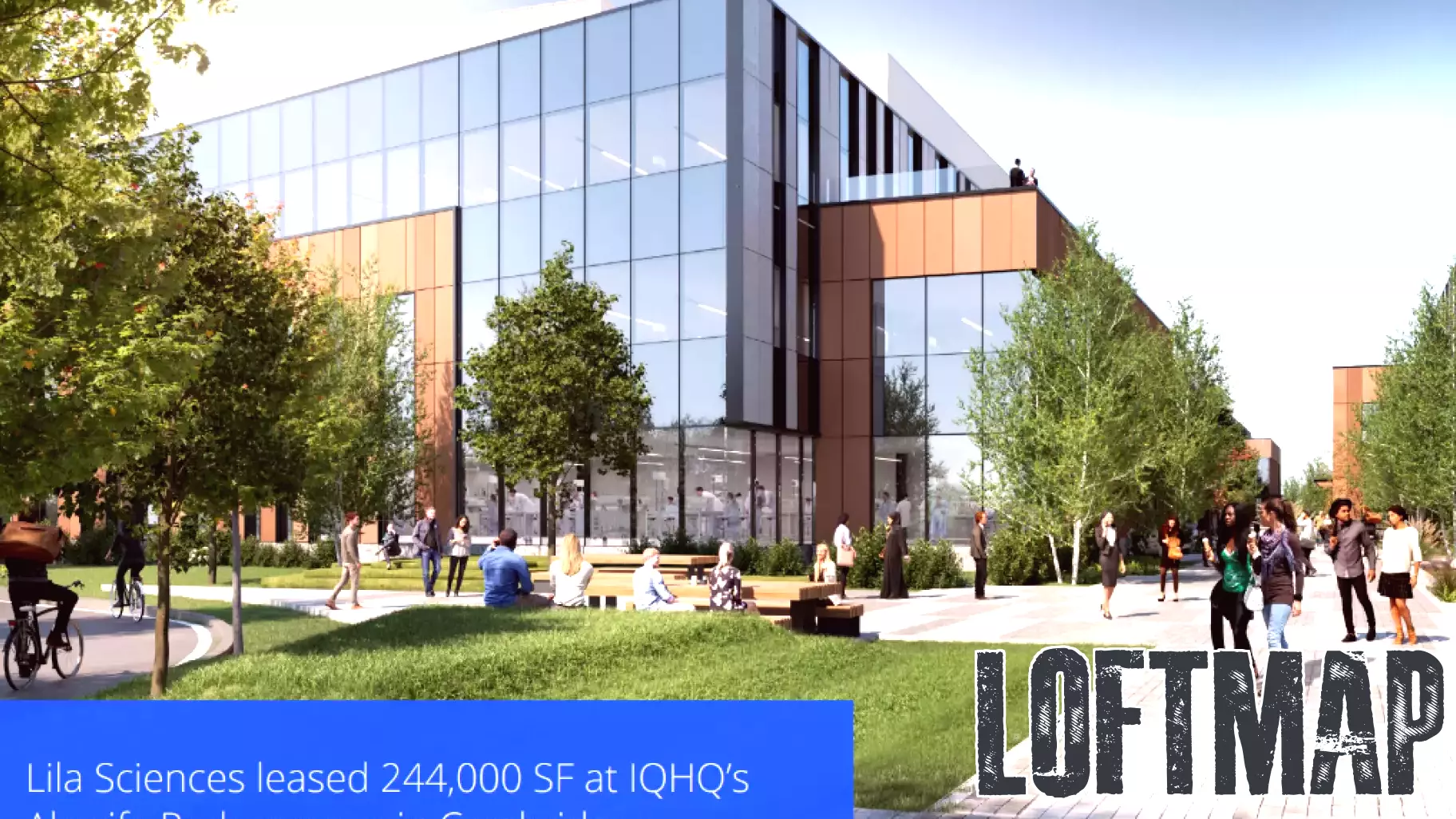
Boston’s once red-hot life sciences real estate market is showing clear signs of cooling, with vacancies climbing to record highs, rents falling, and developers pulling back from new speculative construction. After a period of rapid growth, the sector is now facing challenges that are reshaping its landscape.
Recent reports indicate that the vacancy rate for life sciences spaces in Boston has reached unprecedented levels, signaling a shift in demand. As companies reassess their space needs in the wake of economic uncertainties, many are opting for downsizing or subleasing their existing properties. This trend has contributed to a significant drop in rental prices, making it more affordable for new tenants to enter the market.
Developers, once eager to invest in new projects, are now taking a more cautious approach. The slowdown in construction reflects broader economic concerns and a shift in the market dynamics. As Boston navigates this transition, stakeholders are closely monitoring trends to adapt to the evolving landscape of life sciences real estate.
MORE NEWS

October 6, 2026 - 01:14
California Realtor Accused of Acting as Unregistered Agent for ChinaA real estate agent based in California is facing federal charges after authorities accused him of operating as an unregistered agent for the Chinese government. The suspect, identified as Zhang,...

October 5, 2026 - 10:34
Trebellar Raises $18 Million Series A To Bring AI To Corporate Real Estate ManagementTrebellar has raised $18 million in Series A funding to grow its AI-native platform for corporate real estate management. Blossom Capital led the round, with participation from Haystack, Alt...
October 4, 2026 - 19:39
Barrington Home on Rainier Circle Fetches $1.75 MillionA single-family residence at 27 Rainier Circle in Barrington changed hands on Sept. 23 for $1.75 million, according to county property records. The sale price works out to roughly $324 per square...

October 4, 2026 - 02:30
Los Angeles Taxed Housing to Increase Supply and Got the Opposite ResultLos Angeles had a housing shortage. So naturally, it decided to tax housing. The city placed a new tax on property transfers above a certain value, with the stated goal of funding affordable...