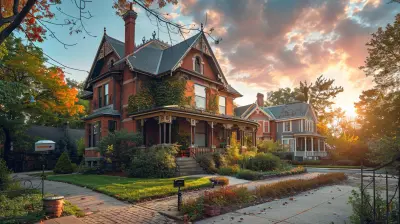
Why Suburban Neighborhoods Are Redefining City Living by 2027
5 September 2026
For decades, the story was simple. Cities had jobs, culture, and energy. Suburbs had space, silence, and schools. You picked one, and you lived with the trade-offs. That binary is collapsing. By 2027, the most interesting places to live will not fit neatly into either category. They will be suburban neighborhoods that operate with urban confidence, offering walkable main streets, serious transit options, and a density of amenities that would have been unthinkable in a typical subdivision twenty years ago.
This shift is not a prediction based on a single trend. It is the convergence of remote work permanence, demographic aging, infrastructure investment, and a hard-earned lesson from the pandemic years about what home actually means. If you are thinking about where to live in the next few years, you need to understand this new suburban reality. It is not your parents' commute-and-mow existence, but it is also not a city block with a yard tacked on. It is something else entirely, and it is redefining the value of location.
The Death of the Daily Commute as a Defining Force
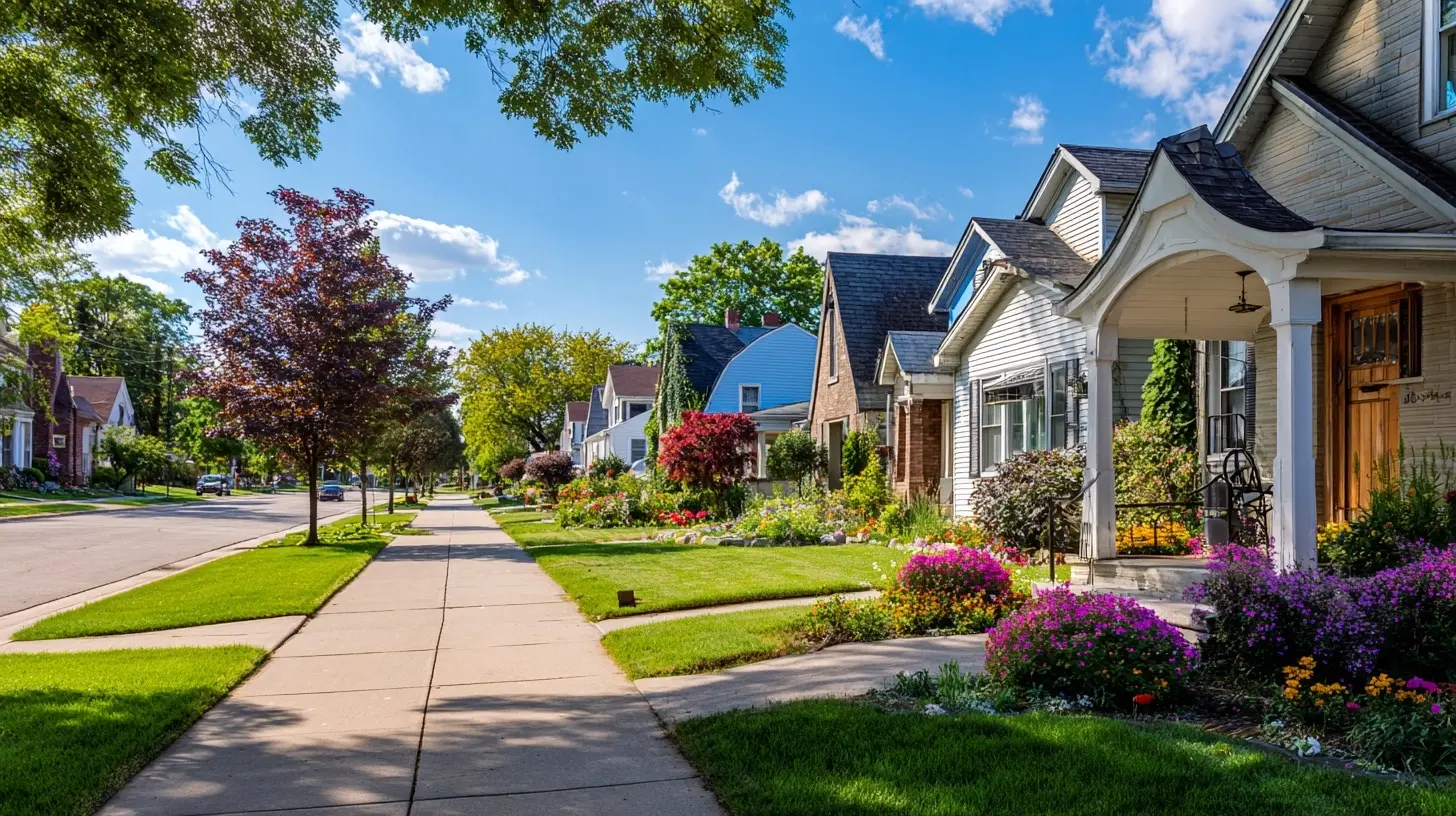
The single biggest factor reshaping suburban desirability is the permanent decoupling of physical presence from productivity. In 2019, the average American worker spent nearly an hour each way getting to an office. That time was a tax on suburban living. You traded square footage for lost hours, and the math only worked if you rarely saw your family during the week.By 2027, that equation has flipped for a significant slice of the workforce. Hybrid schedules mean the office is a destination, not a daily requirement. The suburban home is no longer a dormitory for a distant workplace. It is the primary workplace for many, and the office is an occasional meeting space. This changes what people value in a home. A dedicated office with a door, strong internet infrastructure, and a quiet environment now rank above proximity to a downtown core for many buyers.
This is not true for everyone. Healthcare workers, teachers, and service employees still commute. But the market for high-end suburban homes is increasingly driven by knowledge workers who have flexibility. That flexibility allows them to prioritize quality of life factors that were previously secondary. They can live in a place with a slower pace because they no longer pay the daily time penalty for that choice.
What This Means for Housing Design
The suburban home of 2027 is not just bigger. It is functionally different. The formal living room that no one used is now a Zoom-ready office or a flexible studio. The unfinished basement is a home gym or a podcast room. Builders who understand this are designing floor plans with soundproofing between the office and the main living areas, dedicated circuits for high-power networking equipment, and secondary entrances so that clients or colleagues can visit without disturbing the household.If you are looking at existing homes, you need to assess them with this lens. A house with a small, dark den off the kitchen is a poor fit for someone who does video calls all day. A house with a detached garage that can be converted into a workspace, or a bedroom on the ground floor that can serve as an office, is a far better investment. Do not just count bedrooms. Look at where you would actually work, and whether that space has natural light, privacy, and a door you can close.
The Rise of the 15-Minute Suburb
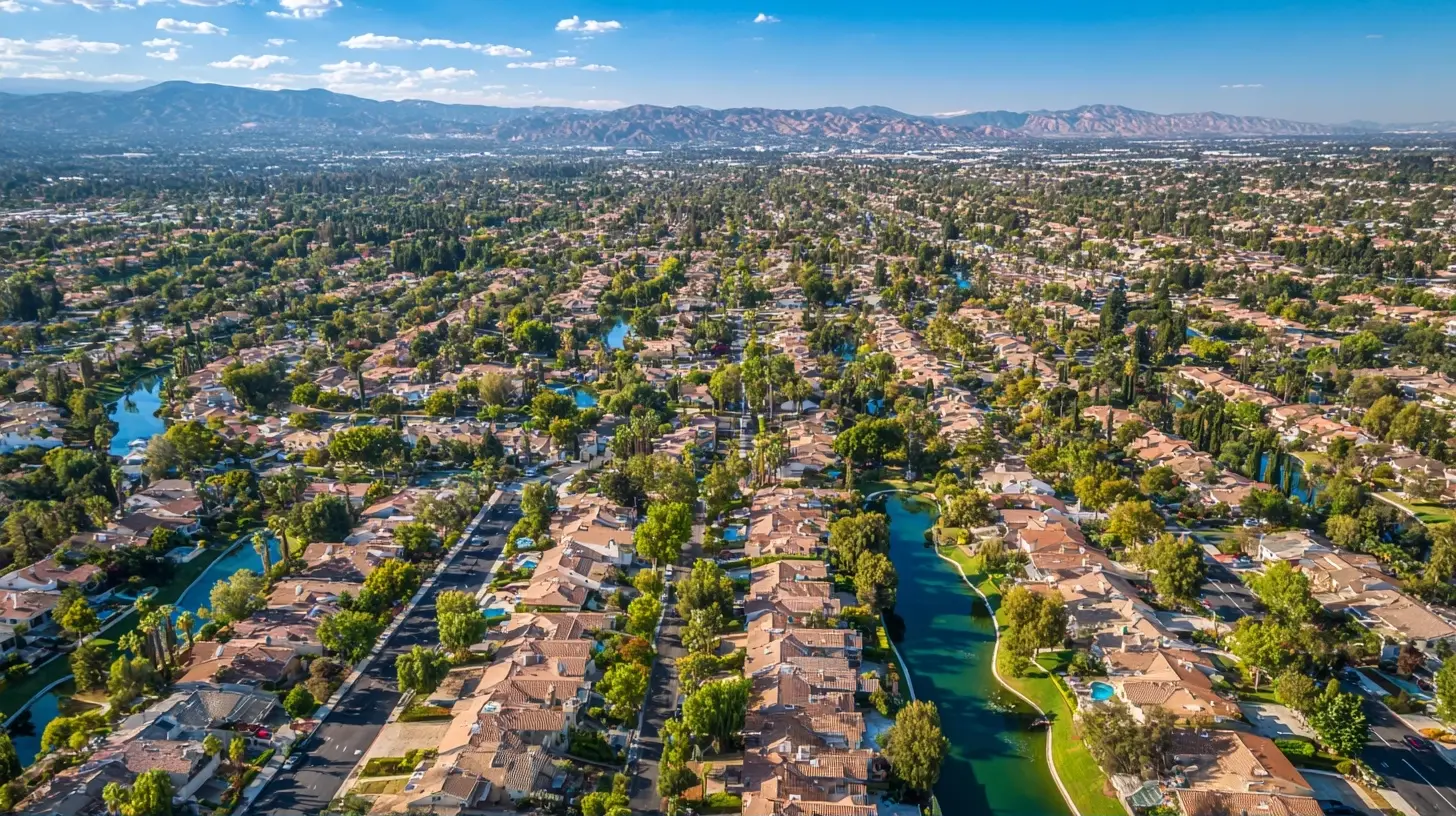
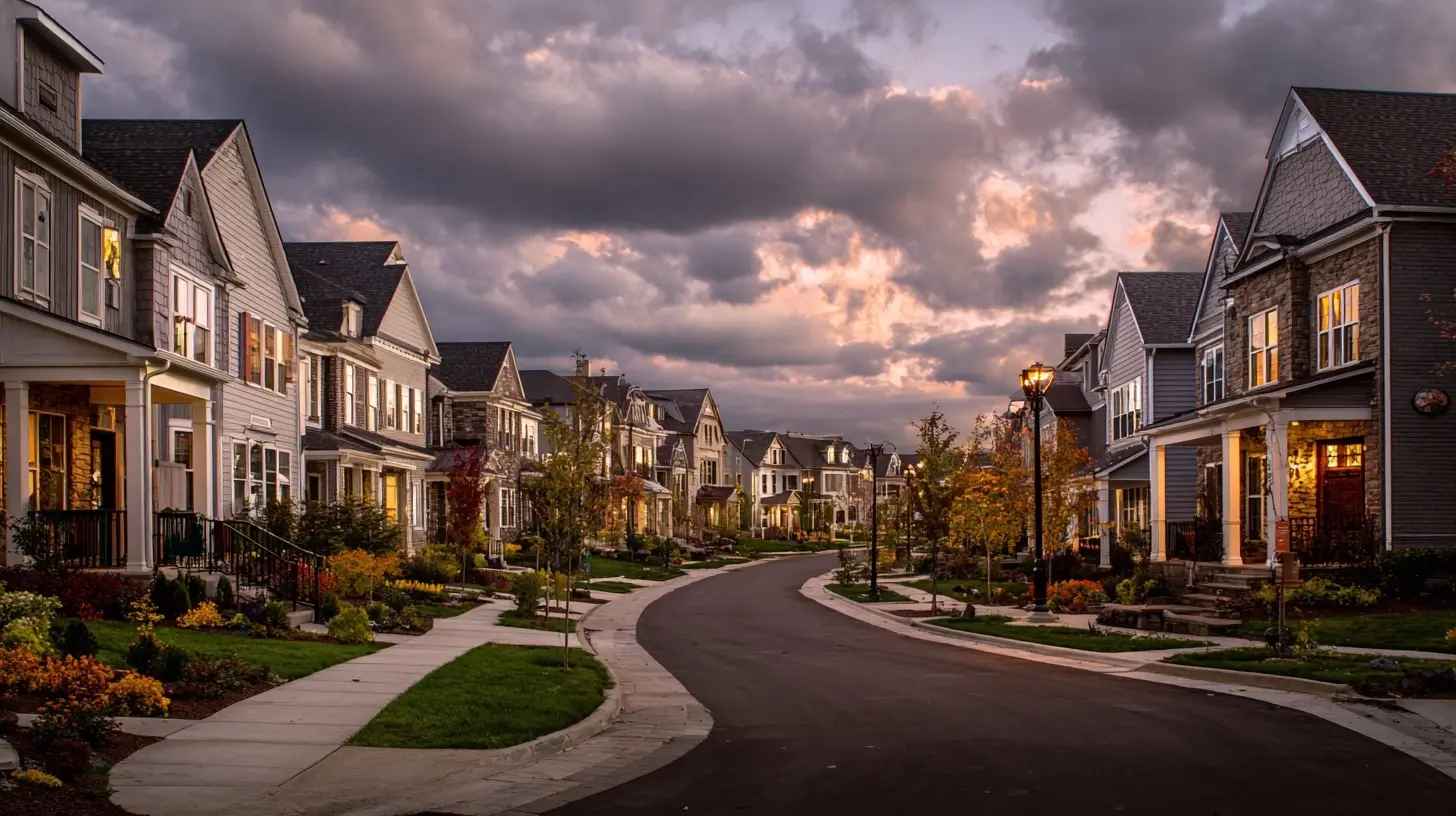
Urban planners have talked about the 15-minute city for years, where residents can reach all daily necessities within a quarter-hour walk or bike ride. The concept is now being applied to suburbs, but with a twist. The 15-minute suburb does not try to replicate the density of Paris or Portland. Instead, it focuses on creating a central node of activity within a larger residential area.These nodes are often built around a transit stop, a former shopping mall, or a repurposed industrial site. They feature mixed-use buildings with apartments above ground-floor retail, a grocery store that is actually pleasant to walk to, and a cluster of restaurants and cafes that serve as a de facto community living room. The housing around these nodes is a mix of townhomes, small-lot single-family houses, and garden apartments.
This model works because it solves the loneliness problem that plagued traditional suburbs. In a conventional subdivision, you might know your immediate neighbors, but there was no natural place to gather. The new suburban centers provide that third place, somewhere between home and work, where casual social interaction happens organically. For families, this is a game changer. Parents can let older children walk to a coffee shop or a library without needing a car. Retirees can maintain an active social life without driving at night.
The Infrastructure That Makes It Work
A 15-minute suburb is not just a design choice. It requires deliberate investment in pedestrian infrastructure. Wide sidewalks, protected bike lanes, and safe crossings at major roads are non-negotiable. The worst mistake a developer can make is to build a "lifestyle center" and then surround it with a sea of parking and six-lane arterial roads that are terrifying to cross.When this infrastructure is done well, it has a compounding effect. Property values near these walkable nodes increase faster than in car-dependent areas of the same region. People are willing to pay a premium for the ability to leave the car in the driveway on a Saturday morning. When it is done poorly, you end up with a ghost town, a collection of empty storefronts and a parking lot that serves as a monument to bad planning.
The Affordability Paradox
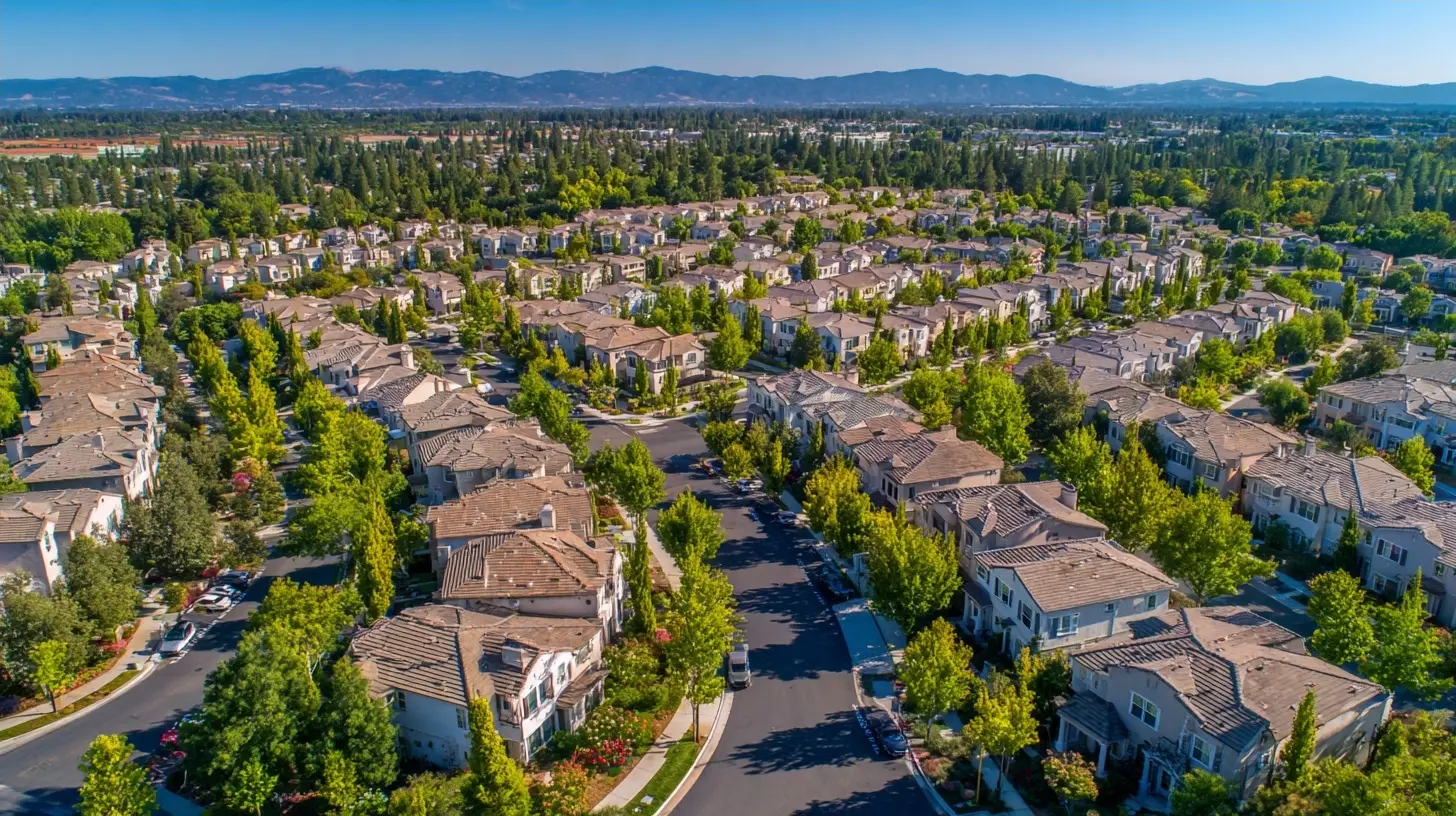
Here is the uncomfortable truth that many urban boosters do not want to admit. For a large portion of the middle class, the city center has become unaffordable, not because of demand for the urban lifestyle, but because of a housing shortage driven by restrictive zoning and high construction costs. By 2027, the median home price in many major cities will be out of reach for the average family, forcing a reconsideration of what "location" is worth.Suburbs are redefining city living because they offer a more rational price-to-space ratio, but they are not cheap. The desirable suburbs with good schools, walkable centers, and transit access are seeing price growth that rivals urban neighborhoods. The affordability advantage is real, but it is shrinking. The suburbs that offer the best value in 2027 are not the ones closest to the city. They are the ones that were previously considered too far out but are now connected by improved highway infrastructure or new commuter rail lines.
The Trade-Off You Need to Accept
You cannot have everything. If you move to a suburban neighborhood for affordability, you will likely sacrifice some cultural density. The number of niche restaurants, independent bookstores, and live music venues will be lower than in a major city. This is a trade-off, not a flaw. The question is whether you value a lower mortgage payment and a backyard more than the ability to walk to a different ramen shop every night.The mistake many buyers make is assuming that the suburbs will eventually become exactly like the city. That is unlikely. The suburban center will have a curated selection of amenities, not the chaotic diversity of a metropolis. If you go in expecting a miniature Brooklyn, you will be disappointed. If you go in expecting a place where you can get a good cup of coffee, a decent meal, and run into people you know, you will be satisfied.
Technology and the Suburban Reset
The internet was supposed to make location irrelevant. In reality, it has made location more important than ever, but in a different way. Reliable, high-bandwidth fiber internet is now a top-three factor in home buying decisions, right after price and schools. A beautiful house in a remote area with bad connectivity is a liability. A modest house in a suburb with gigabit fiber is a prize.This has created a new form of digital divide, not between urban and rural, but between well-connected suburbs and poorly connected ones. Municipalities that invested early in fiber networks or that attracted private providers have a significant economic advantage. They can attract remote workers who bring urban salaries to suburban tax bases. This creates a positive feedback loop. More tax revenue leads to better services, which attracts more residents, which attracts more businesses.
The Smart Home as Standard, Not Luxury
By 2027, the smart home features that were once high-end extras are becoming standard in new suburban construction. This is not just about smart speakers and app-controlled lights. It is about integrated systems for energy management, security, and maintenance. A home with a smart thermostat, leak detection sensors, and a video doorbell is not just convenient. It is more efficient and potentially safer.For the buyer, this means you should look beyond the cosmetic appeal of a home and consider its technological backbone. Is the electrical panel modern enough to support solar panels or EV charging? Is there conduit for running network cables? Is the home pre-wired for security cameras? These are not sexy questions, but they are practical ones. Retrofitting these systems into an older home is expensive and disruptive. Paying a little more for a home that is already equipped can save you thousands in the long run.
The Changing Face of the Suburban Resident
The stereotype of the suburban resident as a married couple with 2.5 children is outdated. The fastest-growing demographic in many suburban neighborhoods is single professionals in their thirties and forties. They are choosing the suburbs not as a compromise with a partner, but as a primary choice. They want space for a home gym, a garden, and a dog. They want to own a place that has a yard without being responsible for a massive property.This shift is driving changes in suburban housing stock. Single-family homes are being supplemented by duplexes, accessory dwelling units, and small apartment buildings in residential zones. The concept of "missing middle housing" is no longer just a planning theory. It is a practical response to a demographic that does not want a four-bedroom colonial but does want more than a studio apartment.
Multigenerational Living Returns
Another trend that is redefining suburbs is the return of multigenerational households. Economic pressures and cultural preferences are leading more families to pool resources. A suburban home with a main house and a separate apartment over the garage, or a finished basement with a kitchenette, allows adult children to save money, aging parents to maintain independence, and everyone to share childcare responsibilities.This is a significant departure from the post-war suburban model, where each generation was expected to have its own home. Builders are responding by designing homes with separate entrances and dual master suites. If you are considering this arrangement, you need to think about privacy and boundaries from the start. A floor plan that works for a nuclear family may be a disaster for an extended one. Look for homes where each generation has its own space, not just a spare bedroom.
The Environmental Question
Environmental consciousness is no longer a niche concern. It is a mainstream value that is influencing where people live. Suburbs have traditionally been environmental villains, with their reliance on cars and large lawns. But the new suburban model is more sustainable. Higher density in town centers, better transit connections, and the rise of electric vehicles are reducing the carbon footprint of suburban living.The most forward-thinking suburbs are investing in renewable energy, community solar programs, and electric vehicle charging infrastructure. They are also addressing the issue of stormwater management and preserving green space as buffer zones. For the resident, this means that choosing a well-planned suburb can be a more environmentally responsible decision than living in a sprawling exurb or an older urban area with inefficient housing stock.
The Pitfall of Greenwashing
Be wary of developments that claim to be sustainable but are merely using it as a marketing tool. A true sustainable suburb will have clear metrics. It will have a plan for reducing car dependence, not just a few bike racks. It will use building materials with low embodied carbon, not just Energy Star appliances. It will preserve mature trees and natural drainage patterns, not just plant saplings in a row after clear-cutting the site.As a buyer, you should ask pointed questions about the environmental performance of a home and the community. What is the actual energy cost per square foot? Is there a car-sharing program? What is the walkability score, and is it based on real destinations or just a calculation of street density? Do not take a builder's word for it. Look at the data.
The School Factor Has Changed
For decades, the quality of the local school district was the primary driver of suburban home prices. That is still true, but the definition of a good school has expanded. In 2027, parents are looking for schools that offer not just strong academics, but also social-emotional learning, outdoor education, and robust arts programs. The pandemic-era experiments with remote learning showed parents exactly what their children were doing all day, and many were not impressed.This has led to a flight toward school districts that have a clear educational philosophy and are willing to communicate it. It has also led to a growth in micro-schools and homeschooling cooperatives in suburban areas. Some parents are choosing suburbs not for the traditional public school, but for the flexibility to create a custom educational path for their children.
What This Means for Your Investment
If you are buying a home with an eye toward future resale, the school district still matters, even if you do not have children. A district with a good reputation will maintain property values better than one that is struggling. However, you should look deeper than test scores. Look at the district's financial stability, the condition of its facilities, and its ability to adapt to changing demographics. A district that is losing enrollment may face budget cuts in the future, which will eventually affect home prices.
The Suburban Nightlife Question
One of the most persistent criticisms of suburbia is that it is boring after dark. The new suburban centers are trying to address this, but with mixed success. You will find more bars and live music venues than in the past, but they are often of the gastropub and acoustic trio variety, not the underground club and experimental noise scene. This is a deliberate choice. The suburban nightlife is about conversation and connection, not spectacle and excess.This is not a failure. It is a different value proposition. If you are a person who loves a quiet evening with a glass of wine and a friend, a suburban center can offer that without the hassle of urban parking or the noise of a city street. If you want a thriving electronic music scene, you will still need to go into the city. The key is to know which you want and not to move to a suburb expecting the other.
The Last Call Problem
The reality is that most suburban businesses close earlier than their urban counterparts. The coffee shop is open at 7 AM but shuts at 6 PM. The restaurants stop serving at 9 PM. This is a function of economics and demographics. There are simply not enough late-night customers to justify staying open. If you are a night owl, this will be a constant source of frustration. You will need to adjust your schedule or accept that some nights, the options are limited to a convenience store and your own kitchen.The Commuter Rail Renaissance
The most significant infrastructure investment of the 2020s has been in commuter rail. Cities that had neglected their regional rail systems are now pouring billions into them. This is not just about moving people. It is about creating a framework for growth. Suburbs that are on a rail line with frequent, reliable service are becoming more desirable than those that are only accessible by car.The key is frequency. A train that comes every fifteen minutes is a viable alternative to driving. A train that comes every hour is a schedule you have to plan your life around. The suburbs that are seeing the most growth are those on lines that have invested in signal upgrades, electrification, and more stations. If you are considering a move, do not just look at whether there is a train. Look at the actual timetable. Can you leave spontaneously, or do you need to plan your life around a departure board?
The Last Mile Problem
Even with great rail service, you still have to get from the station to your home. Suburbs that have solved this with bike parking, shuttle services, and walkable station areas are thriving. Those that have not, where the station is surrounded by a vast parking lot and nothing else, are missing an opportunity. The station should be a destination in itself, a place with a coffee stand and a newsagent, not just a concrete platform.
The 2027 Buyer's Checklist
If you are seriously considering a move to a suburban neighborhood in the next few years, you need to move beyond the emotional reaction to a nice kitchen and a big backyard. Here is a practical checklist based on the trends that are actually shaping the market.First, measure your actual commute time, not the distance. Drive it during peak hours and during off-peak hours. The difference will tell you a lot about the infrastructure quality. Second, walk the main street on a weekday afternoon and a weekend evening. Is there life, or is it empty? Third, check the internet options. Do not rely on the seller's word. Call the providers yourself. Fourth, talk to the neighbors. Ask them what they like and what they miss. They will tell you more than any brochure.
Fifth, look at the zoning map. Is the area around the town center zoned for future development, or is it protected green space? This will determine whether the area will become more vibrant or stay the same. Sixth, consider the school district's five-year plan, not just its current rating. Finally, be honest with yourself about your own lifestyle. If you want to live in a suburb, you need to be willing to embrace some of its slower pace. If you fight it, you will be miserable.
The Verdict for 2027
Suburban neighborhoods are not becoming cities. They are becoming something better suited to the way we live now. They are becoming communities that offer the space and quiet that people crave without the isolation that used to come with it. They are redefining city living by borrowing its best elements, the walkability, the social density, and the convenience, and combining them with the privacy and nature that only a less dense environment can provide.The shift is not without its problems. Traffic congestion in these new centers is a real issue. The cost of housing in the best suburbs is prohibitive for many. There is a risk of creating a new form of exclusion, where only the wealthy can afford to live in these idyllic communities. These are challenges that need to be addressed by planners and policymakers.
But for the individual looking for a place to call home, the new suburbs offer a compelling proposition. They are a place where you can have a career without sacrificing your family life, where you can know your neighbors without living in their pocket, and where you can enjoy the benefits of a community without the constant hum of a metropolis. By 2027, the smartest people will not be asking whether to choose the city or the suburb. They will be asking which suburb offers the most complete life. That is a question that would have been absurd just a decade ago, and it is the clearest sign that the definition of city living has changed for good.
all images in this post were generated using AI tools
Category:
Neighborhood GuidesAuthor:

Kingston Estes
Discussion
rate this article
2 comments
Wolf Pace
Suburbs could reshape urban life... interesting concept!
September 18, 2026 at 3:58 AM
Kingston Estes
Thanks for your thoughts! Suburbs are indeed becoming central to how we experience city living, redefining community and accessibility. Exciting times ahead!
Caelum Lewis
Suburban neighborhoods are transforming urban lifestyles by offering more space and community amenities. As remote work persists, people are prioritizing comfort and convenience over city hustle. This shift will reshape housing trends and redefine what city living truly means by 2027.
September 11, 2026 at 3:13 AM
Kingston Estes
You're right. Suburbs are becoming more appealing as remote work changes our priorities. This trend will definitely influence how we think about city living in the coming years.