How Historic Homes Contribute to the Character of a Neighborhood
8 February 2026
Have you ever walked through a neighborhood that felt alive with stories? You know the kind I mean—tree-lined streets dotted with homes that seem to whisper tales of a bygone era. There's something magical about historic homes, isn't there? These architectural gems aren’t just buildings; they’re time capsules, standing tall as witnesses to generations of change, laughter, and even heartache. But beyond their charm, historic homes do something even more remarkable: they add a unique kind of soul to the neighborhoods they call home.
If you’re curious about why these homes matter so much to the character of a community, grab a cup of coffee and let’s dive in. Together, we’ll unpack how historic homes create that special “it factor” that turns a regular block into a cherished part of local history.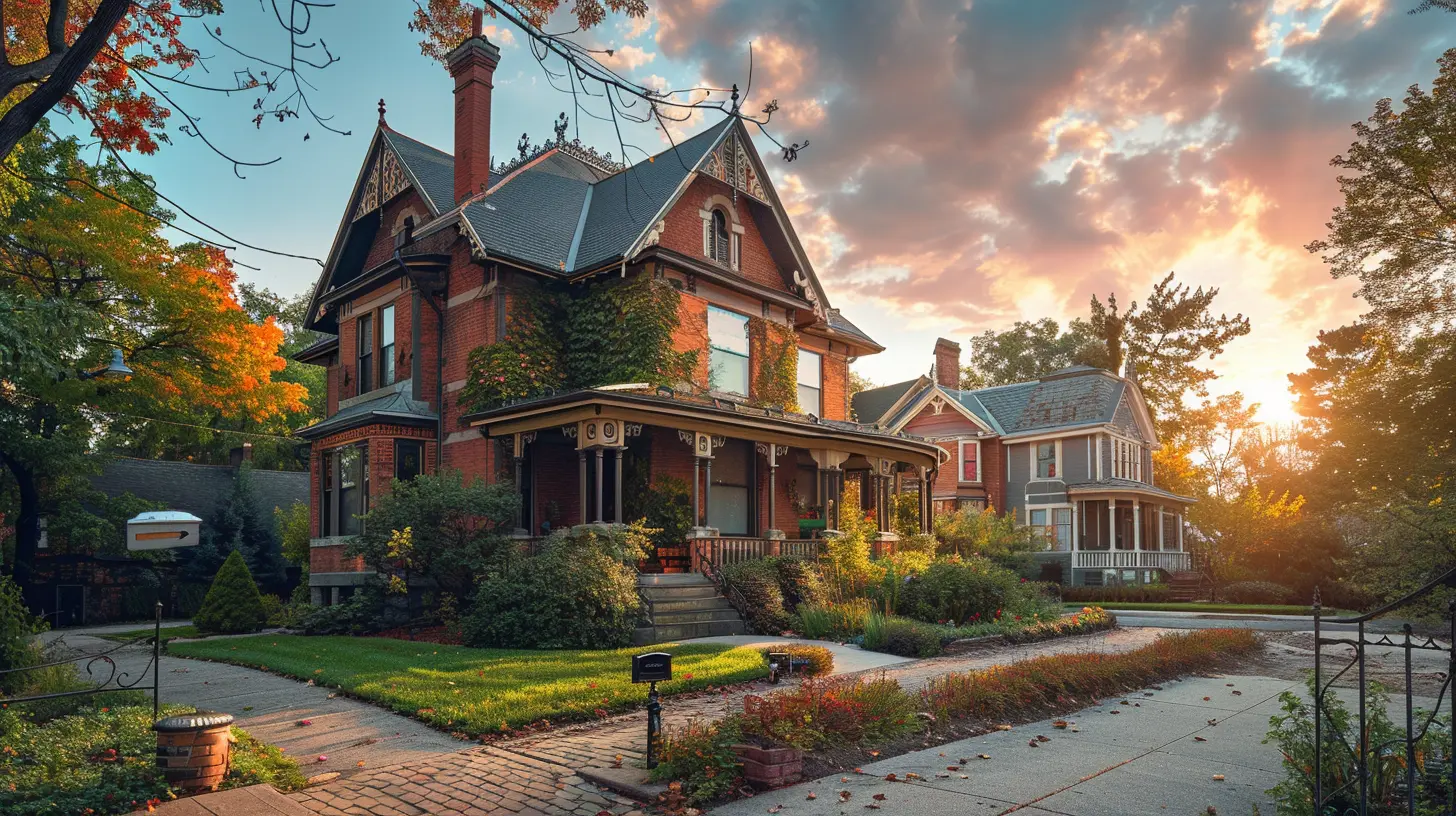
Historic Homes as Storytellers
Let’s start with the obvious: every historic home has a story to tell. Unlike cookie-cutter new builds, these homes come with quirks, character, and history baked right into their walls. Think about it—a Victorian house with its ornate trim or a Craftsman bungalow with its hand-carved details. Each feature whispers secrets of the era in which it was built.When we preserve historic homes, we’re keeping those stories alive. These aren’t just houses; they’re living, breathing narrators of how a neighborhood came to be. Did you know that some historic homes were built by immigrant families, using techniques passed down for generations? Others might have hosted legendary gatherings or witnessed pivotal societal changes. Imagine the stories those walls could tell! And in doing so, they create a connection to the past that makes the present feel a little richer.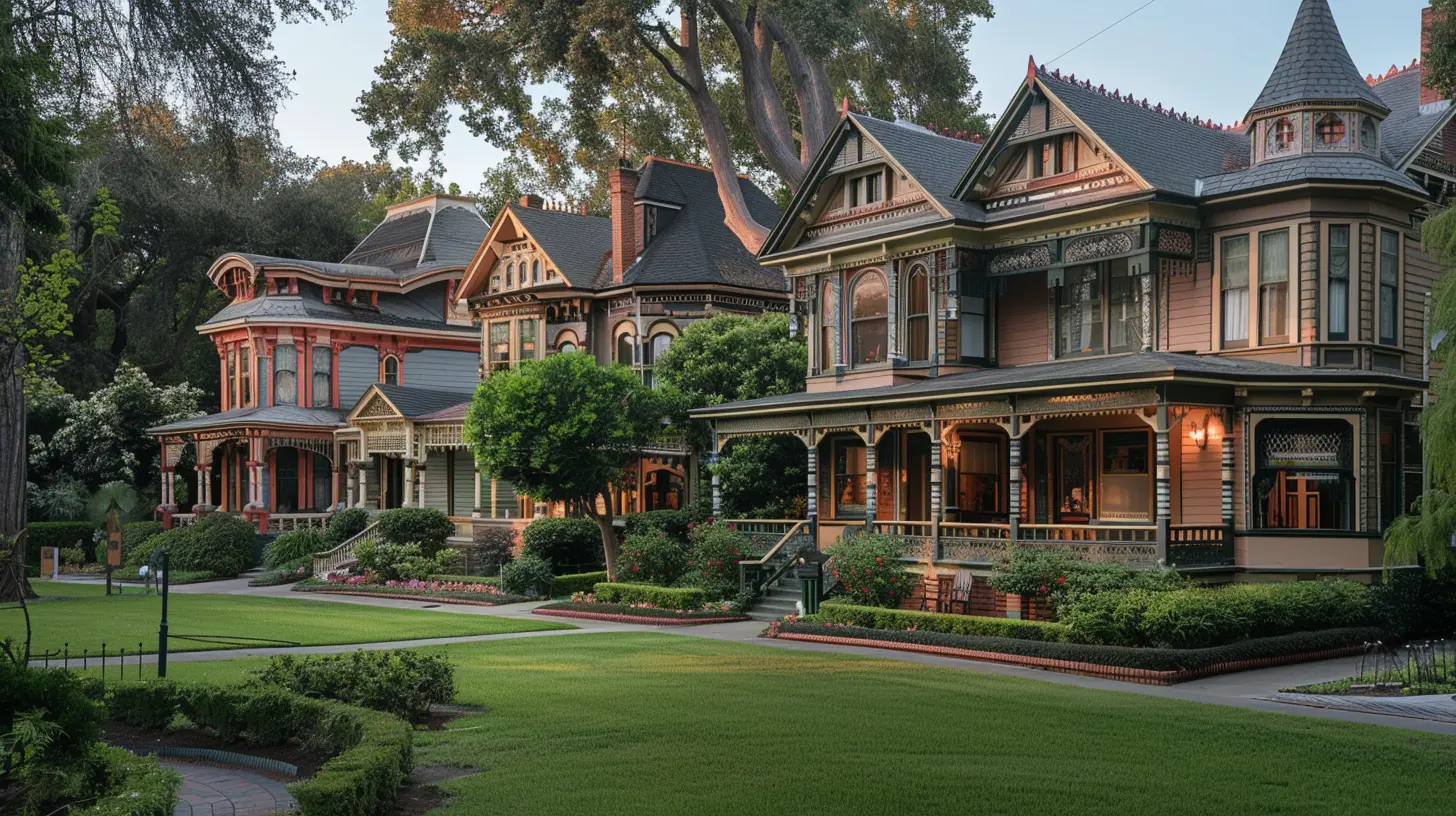
Architectural Diversity: Breaking the Mundane Mold
Let’s be honest—modern construction isn’t always known for its creativity. Rows of identical houses that all boast “open floor plans” and stainless steel appliances? They’re practical, sure, but they don’t exactly turn heads. Historic homes, on the other hand, are bursting with variety, from charming Colonial Revivals to Mid-Century Modern works of art.This architectural diversity gives neighborhoods a personality—a vibe, if you will. Picture a street where no two houses look exactly the same. That’s the beauty of historic homes. They act like fingerprints, each one unique and irreplaceable. When a neighborhood has homes from different periods, it feels like a patchwork quilt—a cozy mix of styles and stories that makes every stroll an adventure. 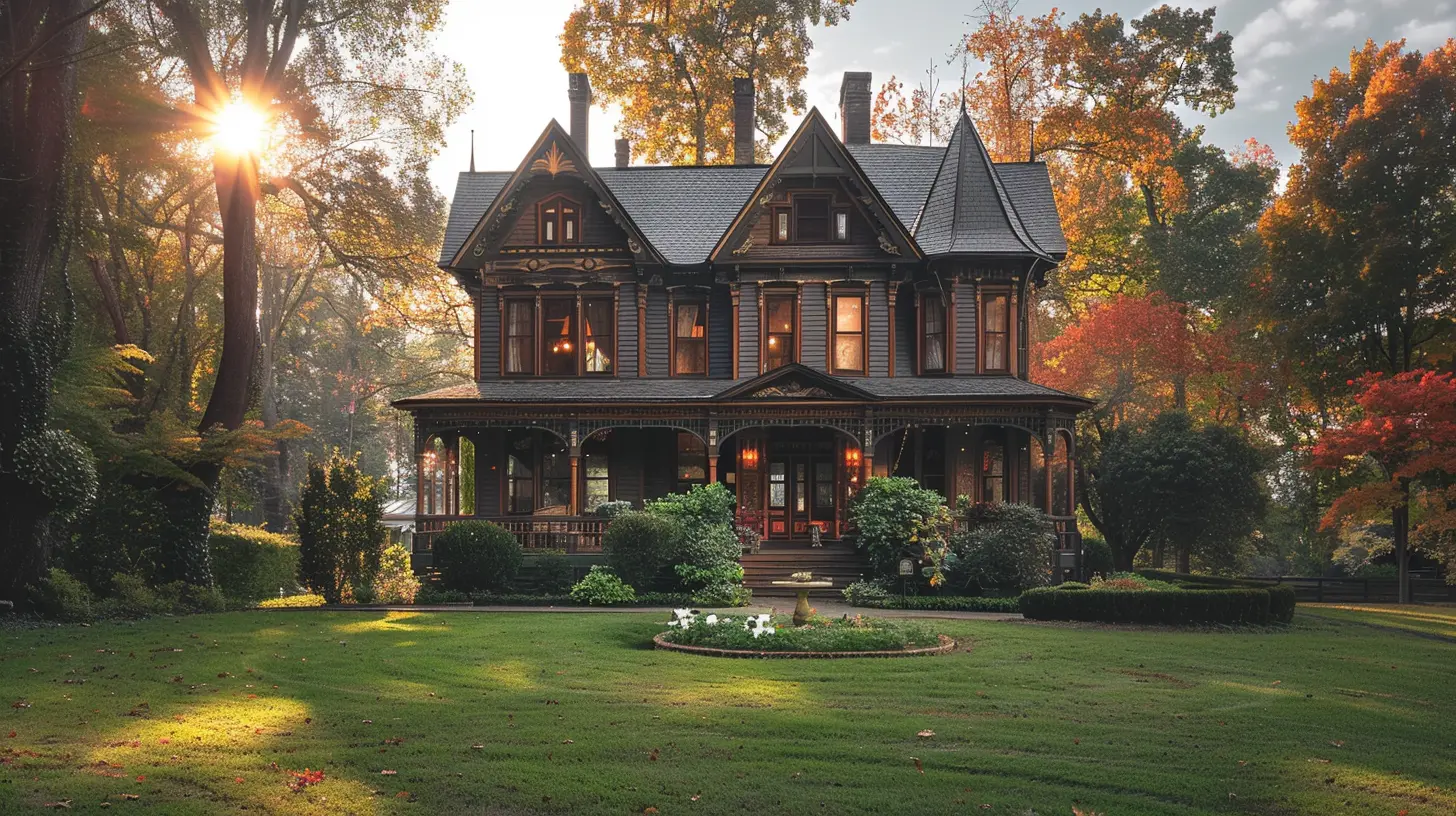
A Sense of Stability in a World of Change
We live in a world that’s constantly evolving—new trends, new technologies, new everything. While change can be exciting, it can also leave us feeling a bit untethered. Historic homes provide an anchor; they remind us of where we’ve been.Think of them like the wise old elders of the neighborhood, standing quietly as everything else shifts around them. They ground us, offering a sense of continuity and stability. Plus, let’s face it: there’s something comforting about knowing that people have lived and loved in these spaces for decades, maybe even centuries.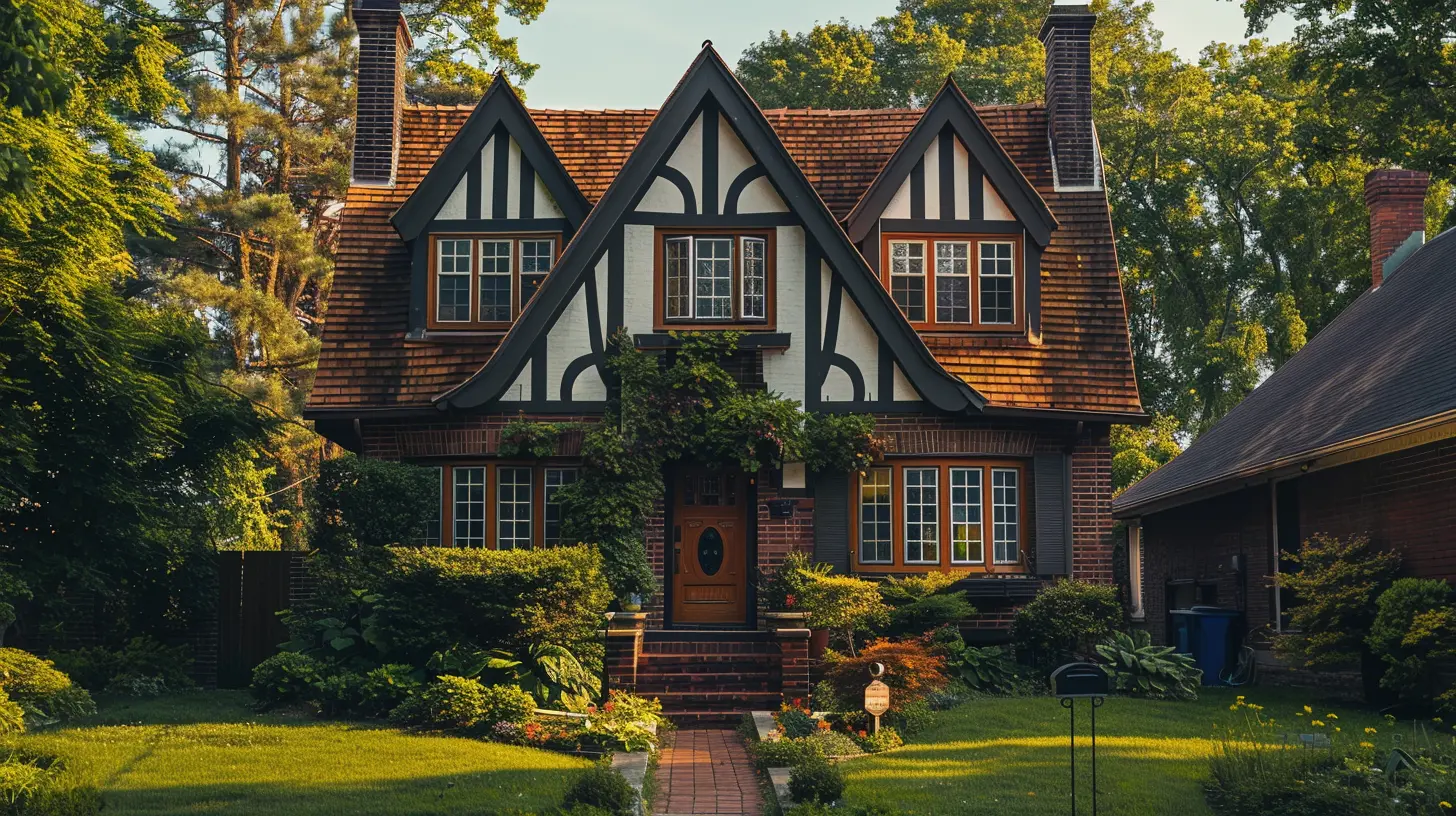
Boosting Community Pride and Engagement
Have you ever noticed how people rally around historic homes? Whether it’s a community fundraiser to restore an old gem or a group of neighbors petitioning to save a landmark, these homes have a way of bringing people together. Why? Because they represent something bigger than themselves—they’re a physical embodiment of shared memories and experiences.When a neighborhood boasts historic homes, it often sparks a sense of pride among residents. People want to take care of their streets, plant flowers, and keep things looking sharp. And when there’s pride in a community, engagement naturally follows. Neighbors connect, events are organized, and before you know it, you’ve got a thriving local culture that centers around these storied spaces.
Economic Benefits: Because History Pays
Now, let’s talk about something a little less poetic but just as important: money. Yep, historic homes often come with serious economic perks for a neighborhood. For one, they tend to increase property values. Buyers are willing to pay a premium for homes with character, charm, and a sense of history—especially if the neighborhood itself has a cohesive, historic vibe.And it’s not just homeowners who benefit. Local businesses often thrive in areas with historic homes. Think about it: charming coffee shops, boutique stores, and cozy restaurants love setting up shop in and around neighborhoods with character. It’s a win-win, really. The homes attract visitors, the businesses thrive, and the whole community prospers.
Preserving Sustainability Through Historic Homes
Here’s a fun fact: preserving historic homes is actually good for the planet. Forget demolishing an old house and sending tons of materials to a landfill—restoring a historic home is one of the greenest things you can do. Plus, many of these homes were built with high-quality, durable materials that are hard to come by today.And let’s not forget about the craftsmanship. A lot of historic homes were built to last, with features like thick hardwood floors and solid stone foundations. By maintaining and reusing these gems, we’re not just saving history—we’re also reducing waste and conserving resources. Talk about a win for everyone!
The Emotional Connection: Why We’re Drawn to the Past
Now, let’s get a little personal. Why do we feel such a magnetic pull toward historic homes? Maybe it’s because they’re a tangible link to the past in a world that often feels intangible and fleeting. Or maybe it’s the sense of nostalgia they evoke. After all, who doesn’t love imagining life in a simpler time?There’s also the charm factor. The creak of an original hardwood floor, the wavy glass in an old window, the hand-carved details you just don’t see anymore—it all feels special, doesn’t it? These homes remind us that imperfection can be beautiful. Life isn’t about being shiny and new; it’s about depth, character, and stories worth telling.
Challenges Worth Navigating
Okay, I’d be remiss not to mention that owning or preserving a historic home isn’t always sunshine and rainbows. It can be expensive, time-consuming, and sometimes downright frustrating. But here’s the thing: every challenge is worth it. The trade-off? A home—and a neighborhood—that feels like no other. Plus, knowing you’re contributing to the preservation of local history? That’s priceless.The Ripple Effect on Neighborhoods
Here’s the kicker: historic homes don’t just add to the character of a neighborhood—they define it. They’re the heartbeat, the visual history book, and the glue that ties everything together. When one historic home thrives, the whole neighborhood benefits. And when a neighborhood embraces its history, it fosters a sense of identity that’s hard to replicate.So the next time you pass by a historic home, take a moment to appreciate it. Maybe even give it a small nod of thanks—because without homes like that one, neighborhoods just wouldn’t feel the same.
Closing Thoughts
At the end of the day, historic homes are so much more than just old buildings. They’re storytellers, anchors, and works of art all rolled into one. They give neighborhoods a sense of character that can’t be manufactured or replaced. And whether you’re lucky enough to live in one or just admire them from afar, one thing’s for sure: our communities are richer because of them.So let’s cherish these treasures, care for them, and celebrate the way they make the places we call home truly special.
all images in this post were generated using AI tools
Category:
Historic HomesAuthor:

Kingston Estes
Discussion
rate this article
2 comments
Arlo Carr
Historic homes enrich neighborhood identity and charm.
February 28, 2026 at 5:33 AM
Kingston Estes
Absolutely! Historic homes add unique character and a sense of place, fostering community identity and charm that modern architecture often lacks.
Rocco McAndrews
Historic homes add timeless charm and personality, making neighborhoods vibrant and full of character!
February 10, 2026 at 4:04 AM
Kingston Estes
Absolutely! Historic homes truly enrich neighborhoods with their unique stories and architectural beauty, creating a vibrant community atmosphere.