Why Renters Are Settling Down in These Suburban Spots
8 November 2026
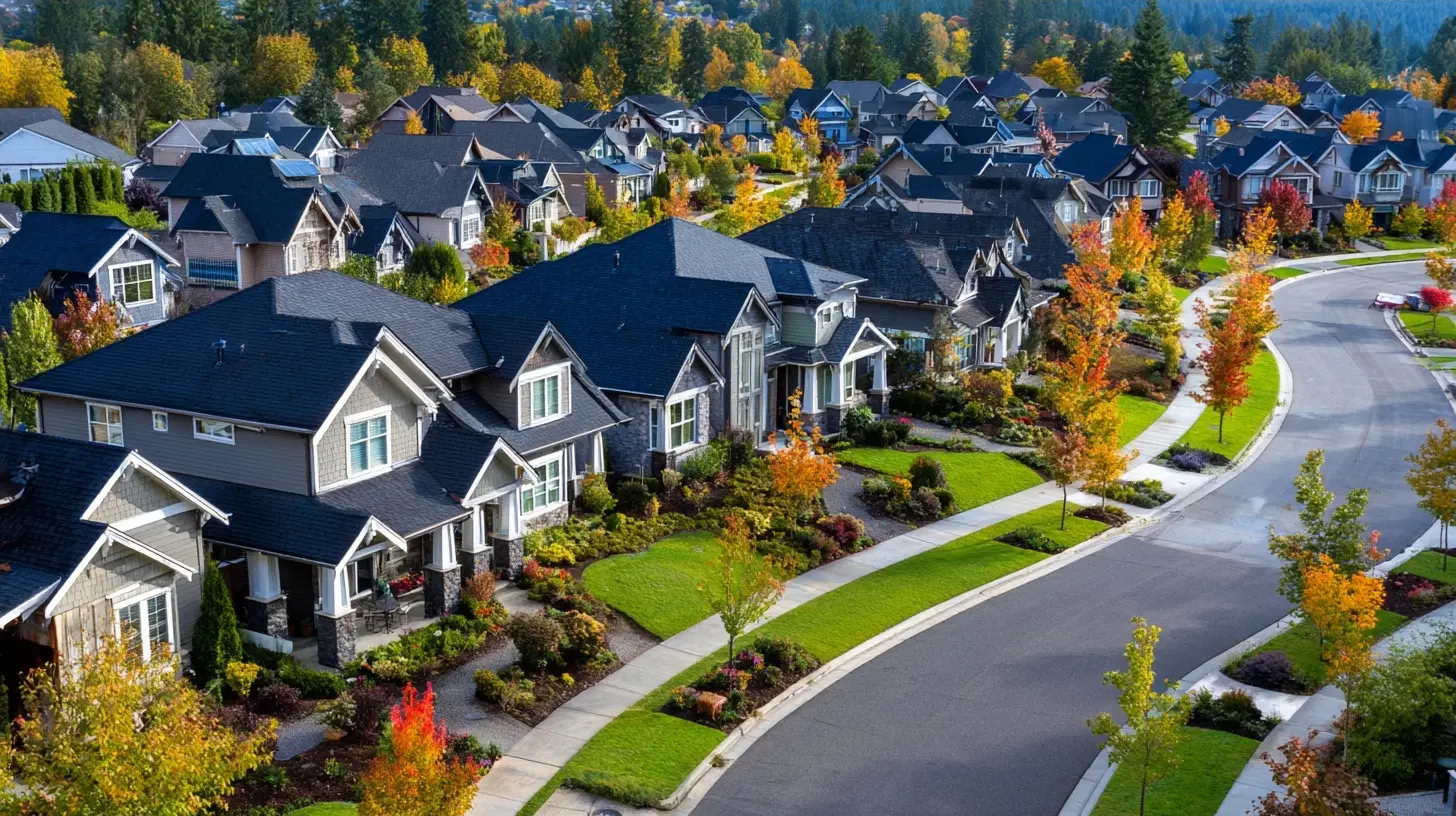
In recent years, a noticeable trend has emerged in the real estate market: renters are increasingly turning their attention to suburban areas. This shift is not merely a fleeting phenomenon but a fundamental change in how people view housing and lifestyle. As urban centers face challenges like rising costs and overcrowding, the suburbs are becoming more attractive. This article delves into the reasons behind this trend, the implications for both renters and landlords, and what potential renters should consider when making their next move.
The Appeal of Suburban Living
Affordability
One of the most compelling reasons renters are flocking to suburban areas is affordability. Urban living often comes with a hefty price tag, especially in cities with booming economies. Renters find that they can get significantly more space for their money in the suburbs. For example, a two-bedroom apartment in a city center may cost twice as much as a similar unit in a nearby suburb. This price difference allows renters to stretch their budget further, making it possible to save for future investments, such as home ownership.Space and Amenities
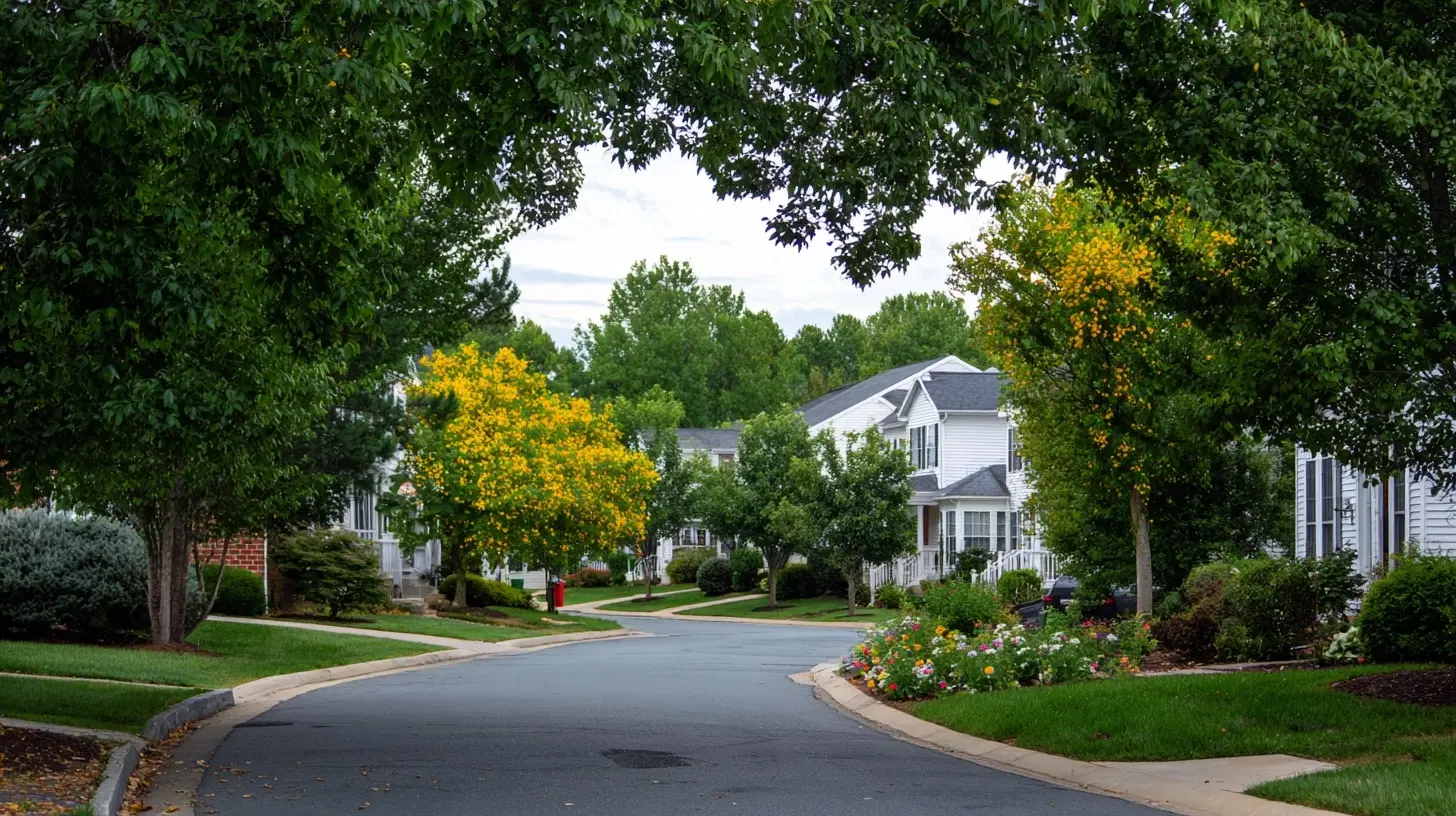
Suburban areas typically offer more space than urban environments. Many renters are seeking larger living spaces, especially those with families or those who work from home. Suburban homes often come with yards, gardens, and the potential for more privacy. This additional space can significantly enhance quality of life, providing areas for children to play or for adults to unwind after a long day.suburban neighborhoods often feature amenities that cater to families and individuals alike. Parks, recreational facilities, and community centers are common, allowing for a more active lifestyle. Renters appreciate the opportunity to engage in outdoor activities, attend community events, and enjoy a greater sense of belonging.
Quality of Life
The suburban lifestyle often promotes a slower pace of life compared to the hustle and bustle of the city. Many renters value this shift, especially those looking to escape the stress associated with urban living. Suburbs tend to have lower crime rates, which can lead to a greater sense of safety and security. This is particularly appealing to families, as parents want to ensure their children grow up in a safe environment.the suburban lifestyle often fosters a stronger sense of community. Neighborhoods may host events, such as farmers' markets or block parties, which encourage residents to connect with one another. This sense of community can be a significant draw for those feeling isolated in larger cities.
The Impact of Remote Work
Flexibility in Location
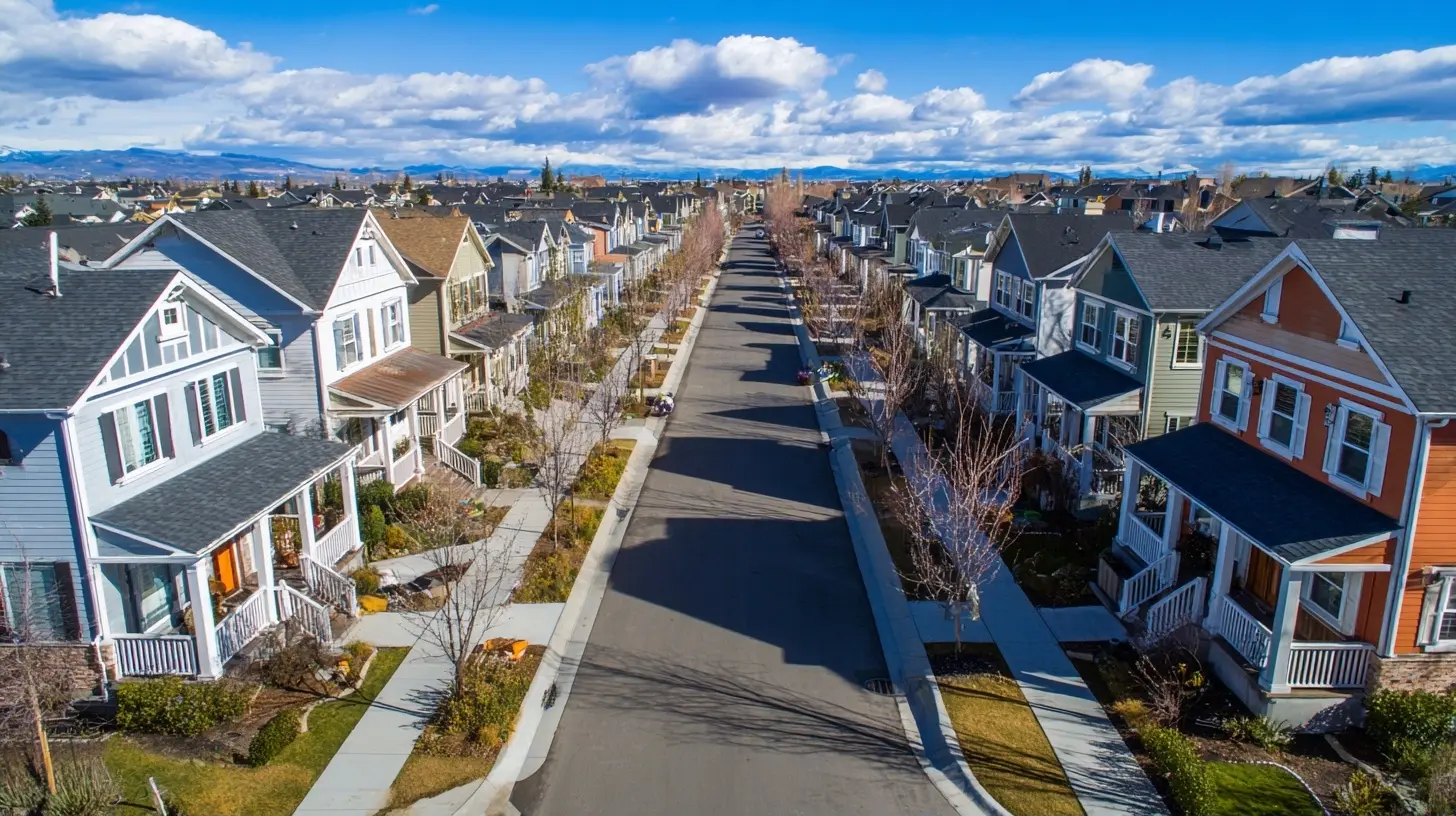
The rise of remote work has reshaped the way many people think about where they live. With the ability to work from anywhere, renters are no longer tethered to urban centers for job opportunities. This newfound flexibility allows them to seek out more affordable and spacious living arrangements in the suburbs.For instance, a tech worker in San Francisco can now choose to live in a suburb of Sacramento, where housing costs are considerably lower, while still maintaining their job. This trend has not only fueled demand in suburban areas but has also led to a re-evaluation of what constitutes a desirable living environment.
Balancing Work and Life
Remote work also enables individuals to focus on achieving a better work-life balance. Suburban living often allows for shorter commutes, less time spent in traffic, and a more relaxed atmosphere. Renters can invest their time into hobbies, family, or personal wellness rather than spending hours commuting. This shift has made suburban areas more appealing for those prioritizing quality of life over the status associated with urban living.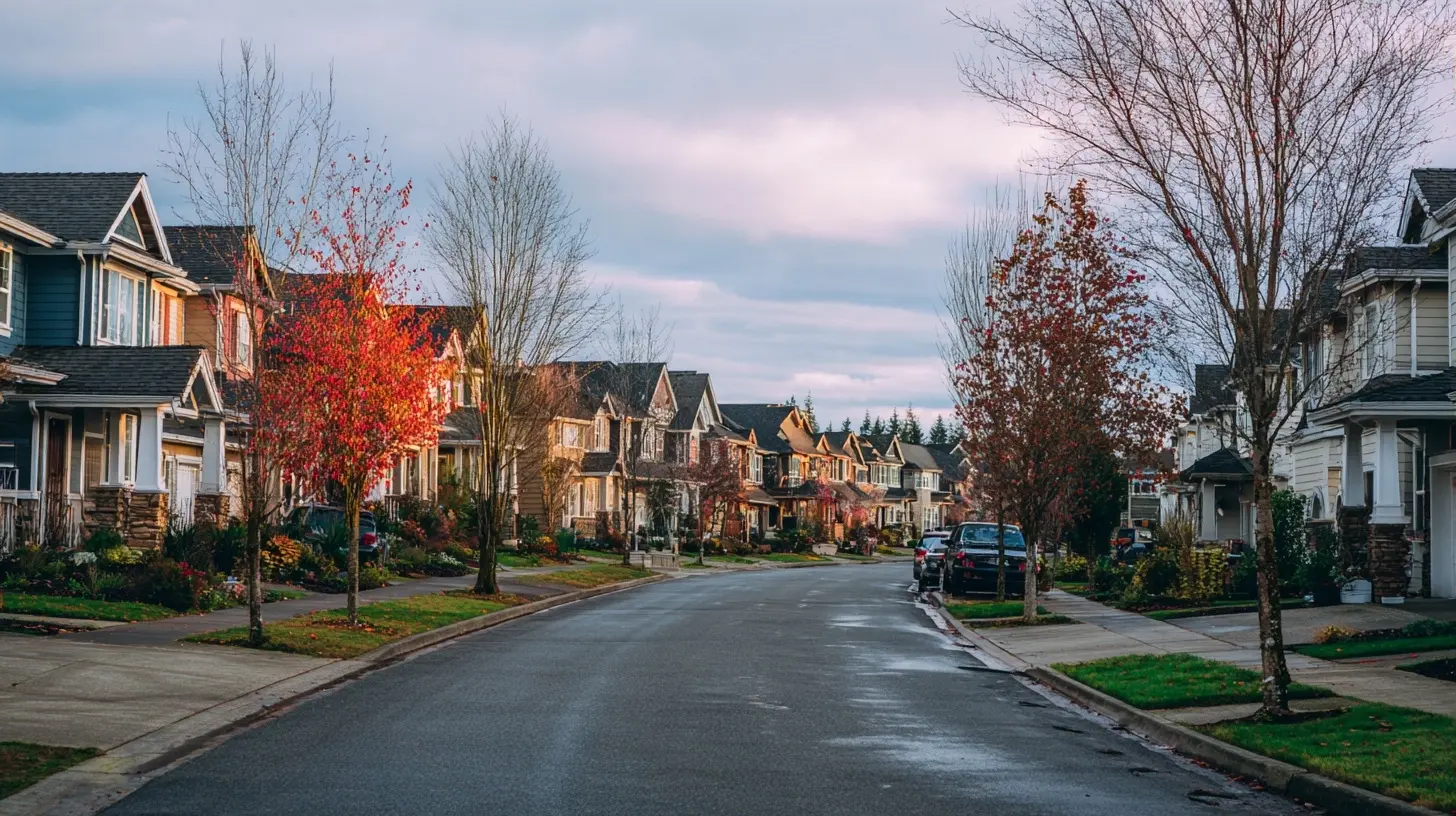
Considerations for Renters
Commute and Transportation
While the suburbs offer many benefits, potential renters should also consider the implications of commuting. Depending on the location, public transportation options may be limited, requiring reliance on personal vehicles. Renters should evaluate their commuting needs and how much time they are willing to spend traveling to work or other urban amenities.For example, if someone enjoys city nightlife or cultural activities, living in a suburb with limited public transport may require careful planning to ensure they can still enjoy those experiences. It's essential to consider how often they will need to travel into the city and what transportation options are available.
School Districts and Education
For families, the quality of local schools can be a significant factor in choosing a suburban area. Many suburbs boast highly rated school districts, which can be a deciding factor for parents. However, not all suburbs are created equal. Renters should research school rankings, available programs, and community resources before making a decision.even if a suburb has a good reputation for education, it is wise to visit schools and talk to other parents to get a feel for the environment. This firsthand information can provide deeper insights into whether a particular area is the right fit for a family.
Lifestyle Fit
Not every suburban area will suit every renter. It is crucial to assess lifestyle preferences before making a move. Some suburbs may lean more towards family-oriented environments, while others might cater to young professionals or retirees. Renters should consider what amenities are important to them, such as dining options, shopping, and recreational activities.For example, a young professional may thrive in a suburb that offers vibrant nightlife and trendy restaurants, while a family may prioritize proximity to parks and community events. Understanding the local culture and amenities can help ensure a smooth transition to suburban life.
Common Misconceptions About Suburban Living
It's Boring
One common misconception about suburban living is that it is boring or lacks excitement. While some suburbs may be quieter than urban centers, many offer a rich variety of activities, events, and social opportunities. Community organizations often host festivals, farmers' markets, and sporting events that can provide plenty of entertainment.many suburbs are increasingly developing their cultural scenes, with art galleries, music festivals, and local theaters. Renters should not dismiss a suburb based on preconceived notions but should instead explore what each area has to offer.
All Suburbs Are the Same
Another misconception is that all suburbs are homogeneous. In reality, suburbs can vary widely in terms of demographics, culture, and amenities. Some may be more family-oriented, while others cater to young professionals or retirees. It is essential for renters to research different suburban areas to find one that aligns with their lifestyle and values.Limited Access to Urban Amenities
While it is true that suburbs may not have the same density of urban amenities, many are strategically located near cities and are increasingly developing their own attractions. Shopping centers, restaurants, and entertainment venues are often within a short drive or commuter distance. Renters should look for suburbs that offer a balance of local conveniences while still being accessible to city life when desired.Best Practices for Finding the Right Suburb
Do Your Research
Before committing to a move, conduct thorough research on potential suburban areas. This includes looking at housing prices, local amenities, school ratings, and community engagement. Online resources, such as neighborhood reviews and local forums, can provide valuable insights.Visit in Person
Whenever possible, visit the suburban areas you are considering. Spend time exploring neighborhoods, visiting local shops, and talking to residents. This firsthand experience can help you gauge whether a particular suburb aligns with your lifestyle and preferences.Consider Future Growth
When choosing a suburb, consider its potential for growth and development. Areas experiencing revitalization or investment in infrastructure may offer better long-term value. Look for signs of growth, such as new businesses opening, transportation improvements, or community development projects.Evaluate Your Needs
Take the time to evaluate your personal and family needs. Consider factors such as proximity to work, school quality, and available recreational activities. Make a list of your priorities and use it as a guide when exploring suburban options.
The Future of Suburban Living
As trends continue to evolve, it is likely that suburban living will remain an attractive option for many renters. The combination of affordability, quality of life, and remote work flexibility has created a perfect storm for those seeking a change. with ongoing urban challenges such as congestion and rising costs, the suburbs may continue to draw interest.However, it is essential for renters to remain informed and thoughtful in their decision-making. Understanding the pros and cons of suburban living, as well as considering individual needs and preferences, will lead to a more fulfilling living experience.
the trend of renters settling down in suburban areas signifies a broader shift in lifestyle preferences. By examining the factors driving this movement and considering the various aspects of suburban living, renters can make informed decisions that align with their values and aspirations.
all images in this post were generated using AI tools
Category:
Neighborhood GuidesAuthor:

Kingston Estes