How to Build a Sustainable Tiny Home on a Budget
13 May 2026
Thinking of going tiny but don't want to break the bank? You’re not alone. More and more people are ditching big mortgages for small, sustainable tiny homes that offer financial freedom and a greener way of living. But how do you build a tiny home without burning through your savings?
Good news—it's 100% possible! With some smart planning, resourcefulness, and a little elbow grease, you can create a gorgeous, eco-friendly tiny home without going broke. Let’s break it down step by step. 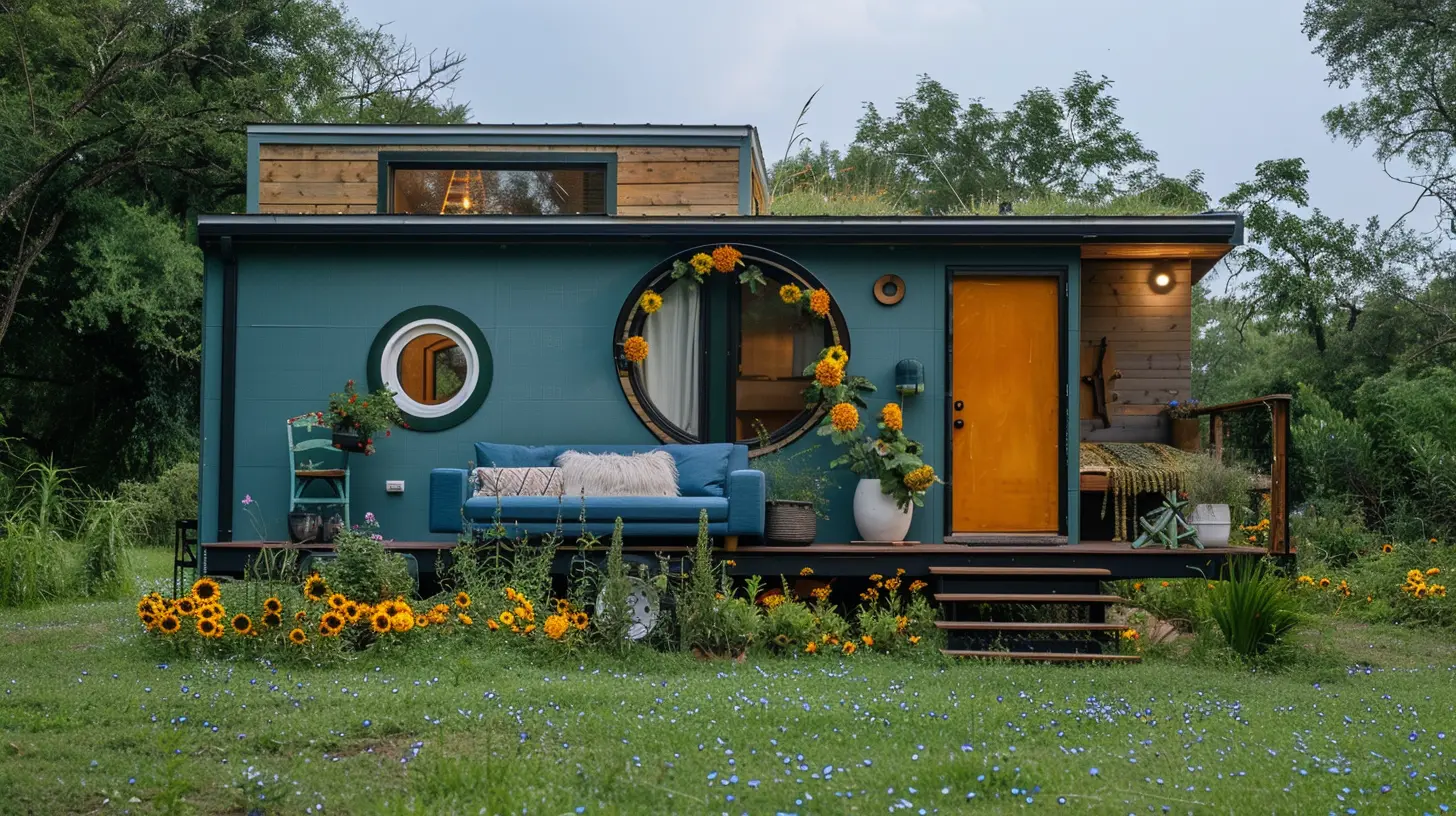
1. Plan Before You Build
Before you start hammering away, take a step back. The biggest mistake people make is diving in without a solid plan. A bad plan = wasted time and money.Set a Budget
First things first—know exactly how much you can spend. Tiny homes can cost anywhere from $10,000 to over $100,000. The difference? Materials, labor, and whether you're DIY-ing or hiring pros.- Decide on a maximum budget and stick to it.
- Factor in permits, tools, and unexpected costs.
- Look for ways to save on materials and labor.
Choose a Location Wisely
Where you put your tiny home matters. Some areas have zoning laws that make it tricky to park a tiny house. Before you start, check:- Local building codes and regulations
- Land options (Tiny house communities, RV parks, or private land)
- Utilities (Will you need off-grid solutions for water and electricity?)
If you're going fully off-grid, consider solar panels, rainwater collection, and composting toilets to cut costs and boost sustainability. 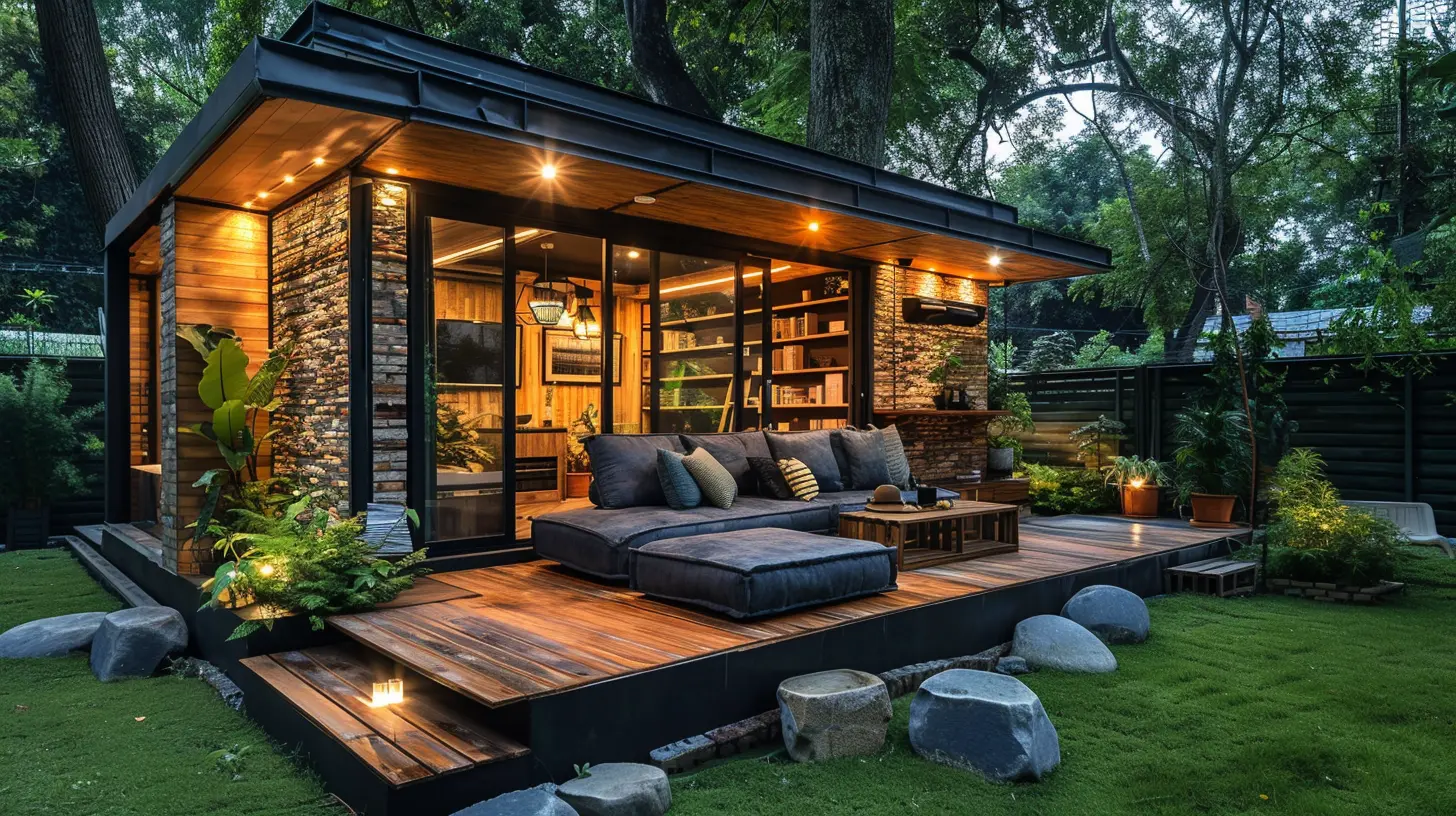
2. Use Affordable and Sustainable Materials
Materials make or break your budget. But going eco-friendly doesn't have to mean expensive. Here’s how to save big while staying green:Reclaimed and Recycled Materials
Why buy new when you can repurpose? Salvaged wood, old doors, and recycled metal can cut costs and add character to your home.- Check out local salvage yards, Craigslist, and Habitat for Humanity ReStores.
- Ask construction sites for leftover materials—they often throw out perfectly usable wood!
- Use reclaimed barn wood or pallets to give your home a rustic, stylish vibe.
Alternative Eco-Friendly Materials
Some sustainable materials are not only good for the planet but also cheaper in the long run.- Bamboo – Fast-growing, durable, and budget-friendly.
- Insulated Concrete Forms (ICFs) – Energy-efficient and great for tiny foundations.
- Recycled metal roofing – Lasts decades and reduces waste.
- Straw bales or cob – If you're feeling adventurous, these natural materials make amazing insulation!
DIY Where Possible
Hiring contractors is expensive. If you’ve got some handyman skills (or a YouTube tutorial), consider DIYing parts of your tiny home. Building your own furniture, kitchen cabinets, and even walls can save thousands.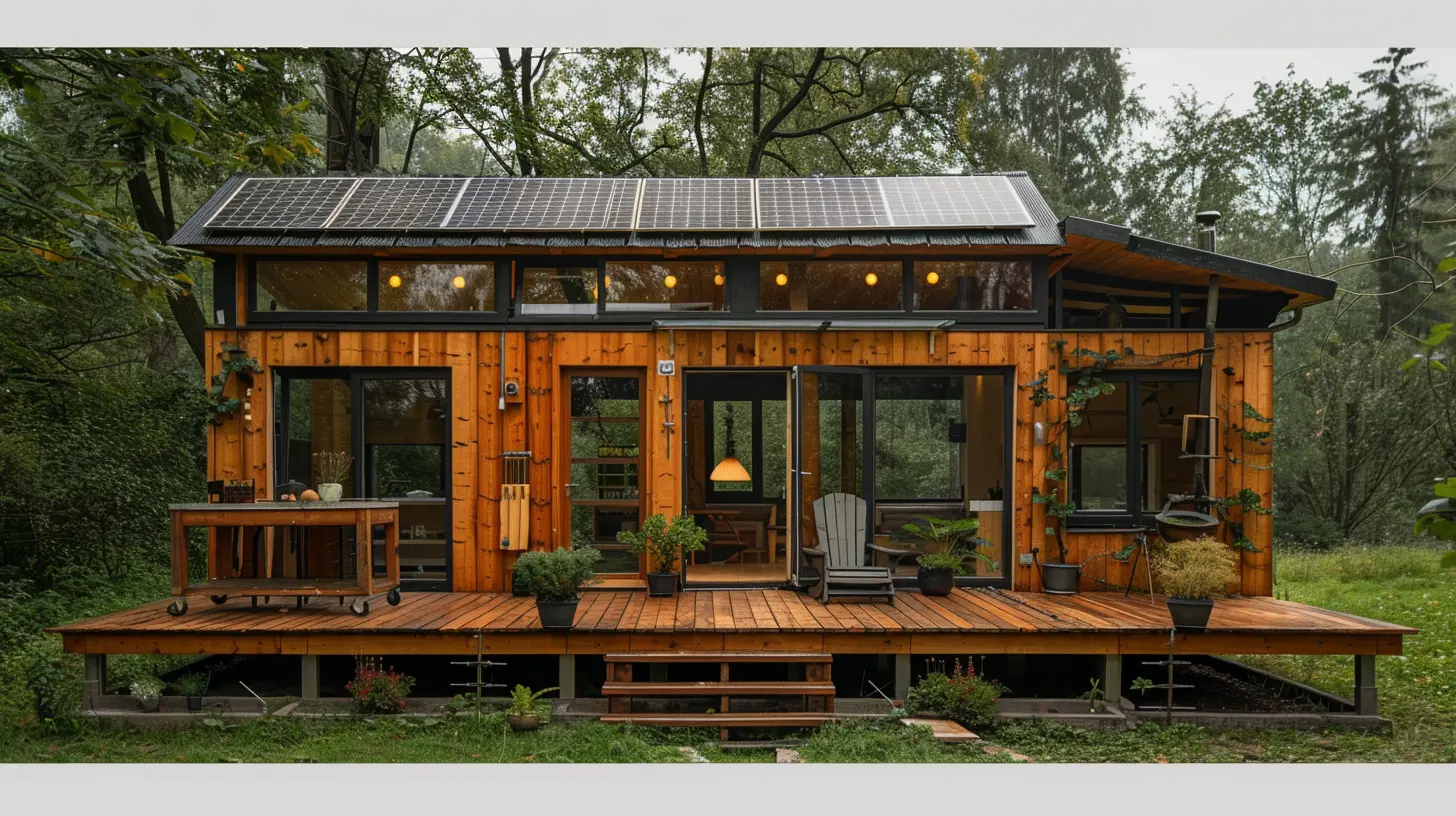
3. Smart Tiny Home Design for Maximum Space
A budget-friendly tiny home must be well-designed—otherwise, you’ll feel like you’re living in a shoebox.Multi-Functional Furniture
Your furniture should do double (or triple) duty. Instead of wasting precious space, invest in:- Murphy beds – Sleep at night, tuck it away during the day.
- Storage stairs – Steps that double as drawers? Genius.
- Folding tables – Use it for eating, working, or even as extra counter space.
- Convertible sofas – Perfect for guests or an afternoon nap.
Go Vertical
If you can’t expand outward, go upward! Use vertical storage solutions like:- Wall-mounted shelves to keep stuff off the floor.
- Hanging baskets and hooks to maximize kitchen and bathroom space.
- Lofted sleeping areas to create more living space below.
Big Windows & Mirrors
Small spaces can feel cramped, but large windows and mirrors create the illusion of space. More light = more open feeling. Plus, big windows help with passive solar heating (saving you money on energy bills).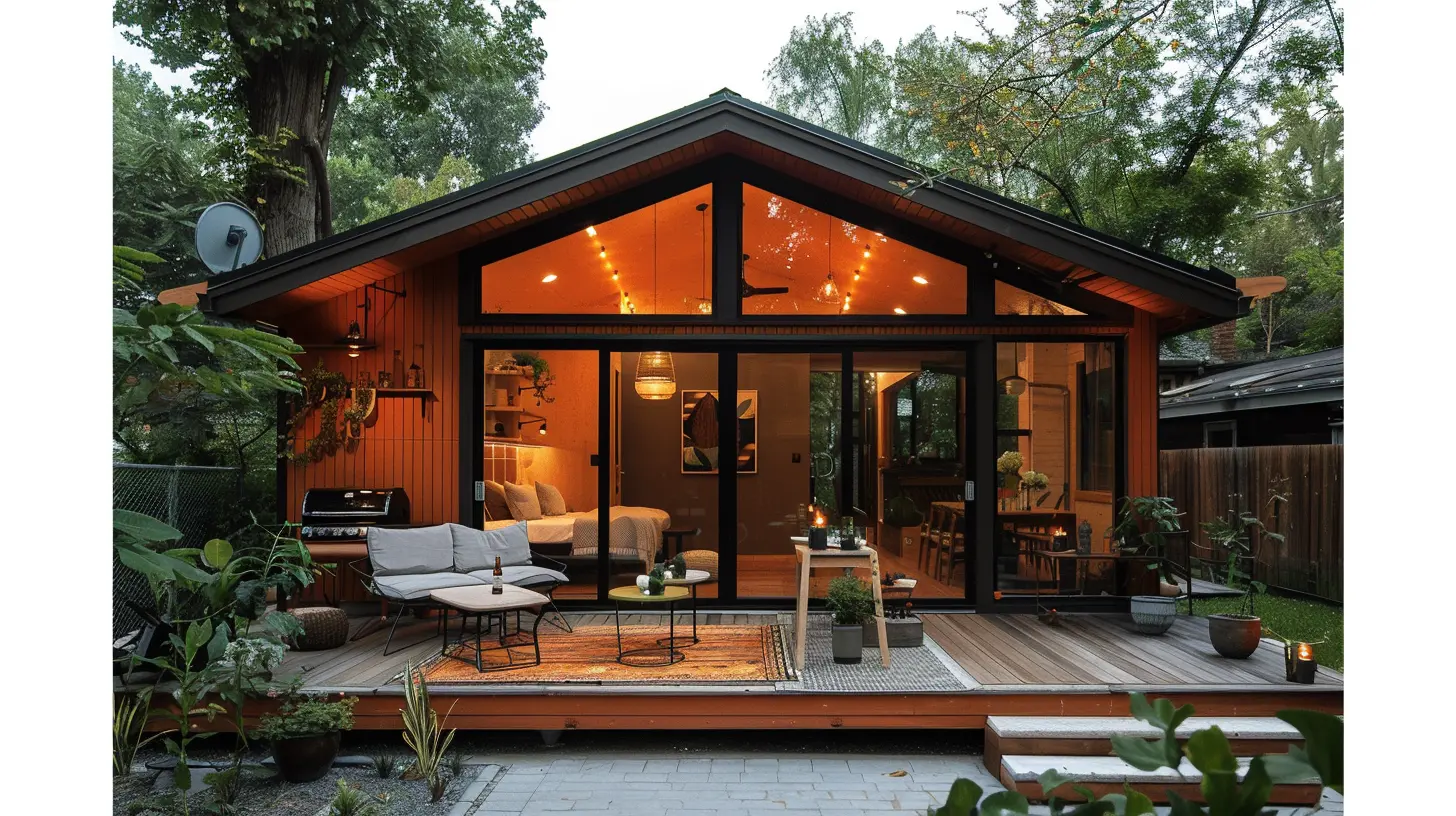
4. Save on Energy and Utilities
A sustainable home isn’t just about materials—it’s about how you power it. Keeping your energy costs low will save you money long-term.Solar Power
Going off-grid? Solar panels can be a game-changer. While the initial cost can be high, they pay for themselves in energy savings.- Start with a small solar setup and expand later if needed.
- Buy used or refurbished panels to save hundreds, if not thousands.
- Consider a solar generator for backup power.
Energy-Efficient Appliances
Tiny homes don’t need giant appliances. Opt for compact, energy-saving options, like:- Mini-fridges
- Induction cooktops (use less energy than gas)
- Tankless water heaters (only heat water when you need it)
- LED lighting = lower electricity bills
Water Conservation
Water is another major expense, but you can cut costs with smart choices.- Use a rainwater collection system for showering and dishwashing.
- Install low-flow faucets and showerheads.
- Go composting toilet—it’s cheap, eco-friendly, and needs no plumbing.
5. DIY Tiny Home Construction to Save Thousands
Labor is one of the most expensive parts of building a home. If you have even basic construction skills, you can DIY a lot of the work.Start with a Tiny Home Kit
Not super handy? No worries. Tiny home kits come with pre-cut materials and blueprints, so you don’t have to start from scratch. It’s cheaper than hiring a contractor and gives you a structured build process.Barter for Labor
If you can't do it all yourself, don’t hire expensive professionals—barter instead.- Trade skills with friends or neighbors.
- Offer small jobs in exchange for labor (yard work, babysitting, etc.).
- Join online DIY communities to find people willing to help out for free or cheap.
Use Free & Cheap Resources
Instead of paying for expensive blueprints, try:- Free open-source tiny home plans online.
- YouTube tutorials (literally everything you need to know is there).
- DIY blogs/forums to learn from other tiny home builders.
6. Don’t Forget Permits & Legal Considerations
The last thing you want is to finish your tiny home and then realize it’s illegal.Research Local Laws
Before you build, check:- Zoning laws—some places don’t allow tiny homes on wheels.
- Building codes—some areas require specific foundation types.
- Permit costs—these vary widely by location.
Some people classify their tiny homes as RVs to get around zoning laws. Just make sure that’s legal in your area!
Final Thoughts
Building a sustainable tiny home on a budget isn't just possible—it’s life-changing. With careful planning, smart material choices, DIY effort, and energy-efficient solutions, you can create a beautiful and eco-friendly home without drowning in debt.Less house, more life—that’s the tiny home dream, right?
all images in this post were generated using AI tools
Category:
Tiny HomesAuthor:

Kingston Estes
Discussion
rate this article
2 comments
Taryn Hayes
Building a sustainable tiny home on a budget? Sounds easy! Just sell your kidney and forget about those pesky building permits... Enjoy!
August 12, 2026 at 3:33 AM
Kingston Estes
I appreciate the humor! Building a sustainable tiny home takes creativity and smart planning, not body parts or shortcuts. There are budget-friendly ways to navigate permits too!
Holden Whitaker
Building a tiny home on a budget is like crafting your dream getaway with a sprinkle of creativity. Embrace the challenge, think outside the box, and remember, every small step counts. You can create a cozy, sustainable haven that suits your style. Happy building!
May 20, 2026 at 12:34 PM
Kingston Estes
Thanks for your inspiring words! It's all about those creative solutions and making the most of every little space. Happy building to you too!