Why Historic Neighborhoods Are Gaining Popularity with Homebuyers
13 August 2026
Buying a home is one of the biggest decisions most people make in their lives. And lately, a fascinating trend has been taking shape—more and more homebuyers are turning their attention toward historic neighborhoods. But why the sudden surge in interest?
Is it the charm of quaint cobblestone streets? The undeniable sense of nostalgia? Or maybe it’s the character-rich homes that stand out in a world filled with cookie-cutter new builds?
If you’ve been contemplating a move to a historic district or just wondering why these areas are so appealing, let’s dive into what’s making historic neighborhoods the new hotspot for homebuyers.
1. The Allure of Timeless Architecture
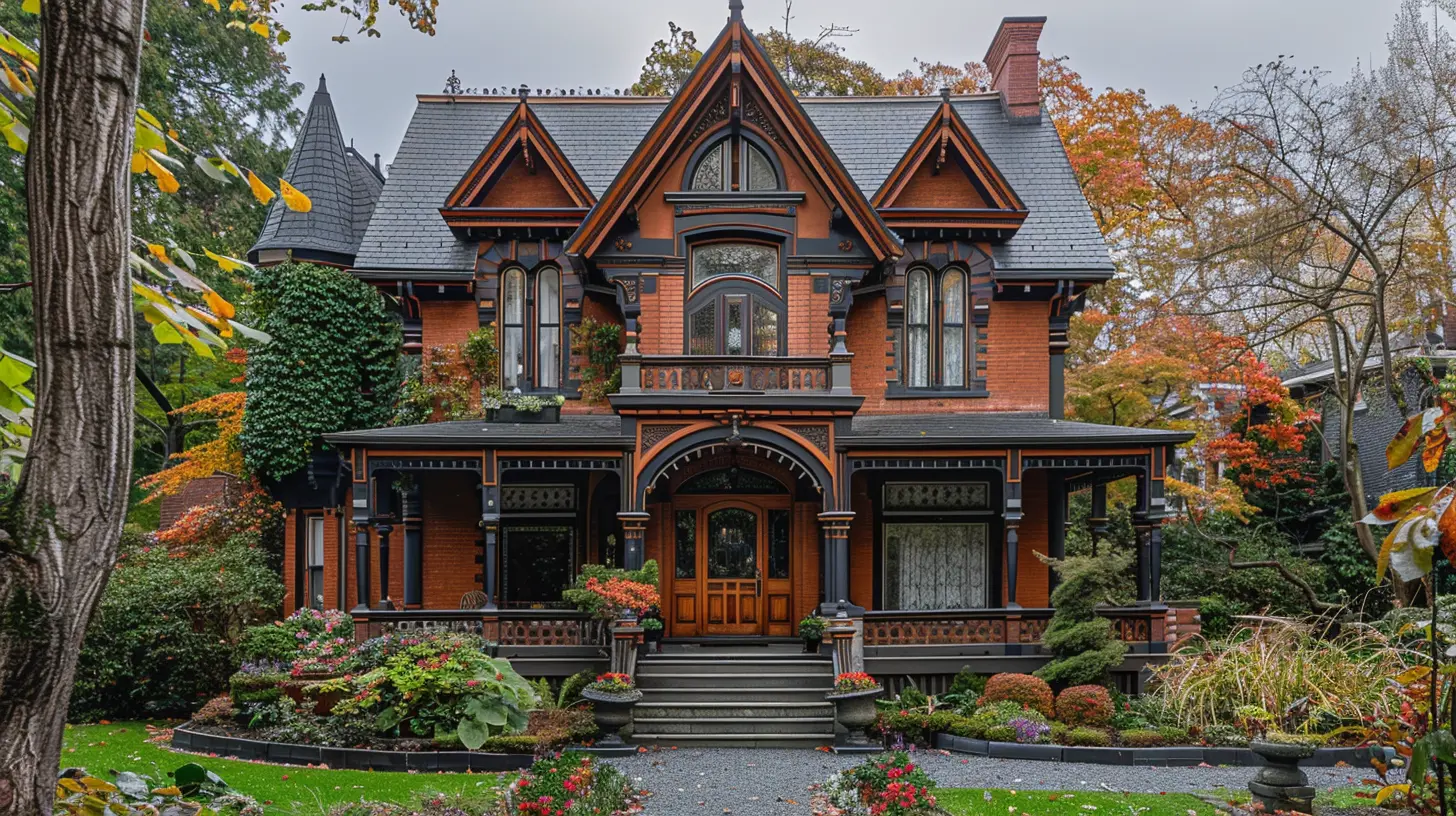
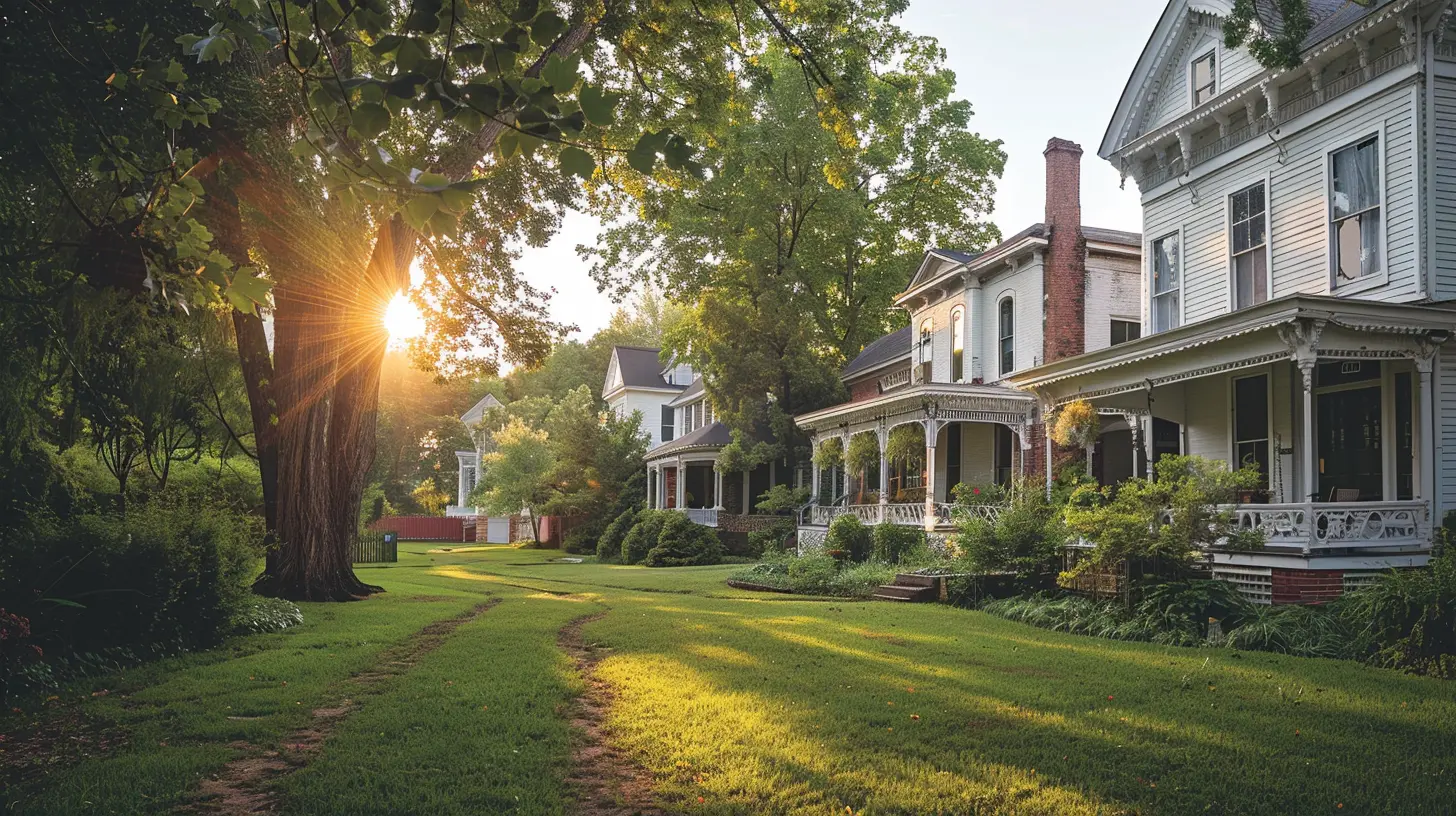
Let’s be honest—homes today just don’t have the same craftsmanship as they did decades (or even centuries) ago. In historic neighborhoods, you’ll find homes built with intricate details, handcrafted woodwork, stunning brick facades, and stained-glass windows—features that are hard to replicate in modern construction.These homes were designed to last for generations, and their vintage charm stands in stark contrast to many contemporary houses that often prioritize speed and cost-cutting over unique design.
For many buyers, the sense of owning a home with history and personality is priceless. It’s like having a one-of-a-kind piece of art—something that tells a story, unlike the mass-produced homes that all look the same.
2. A Strong Sense of Community
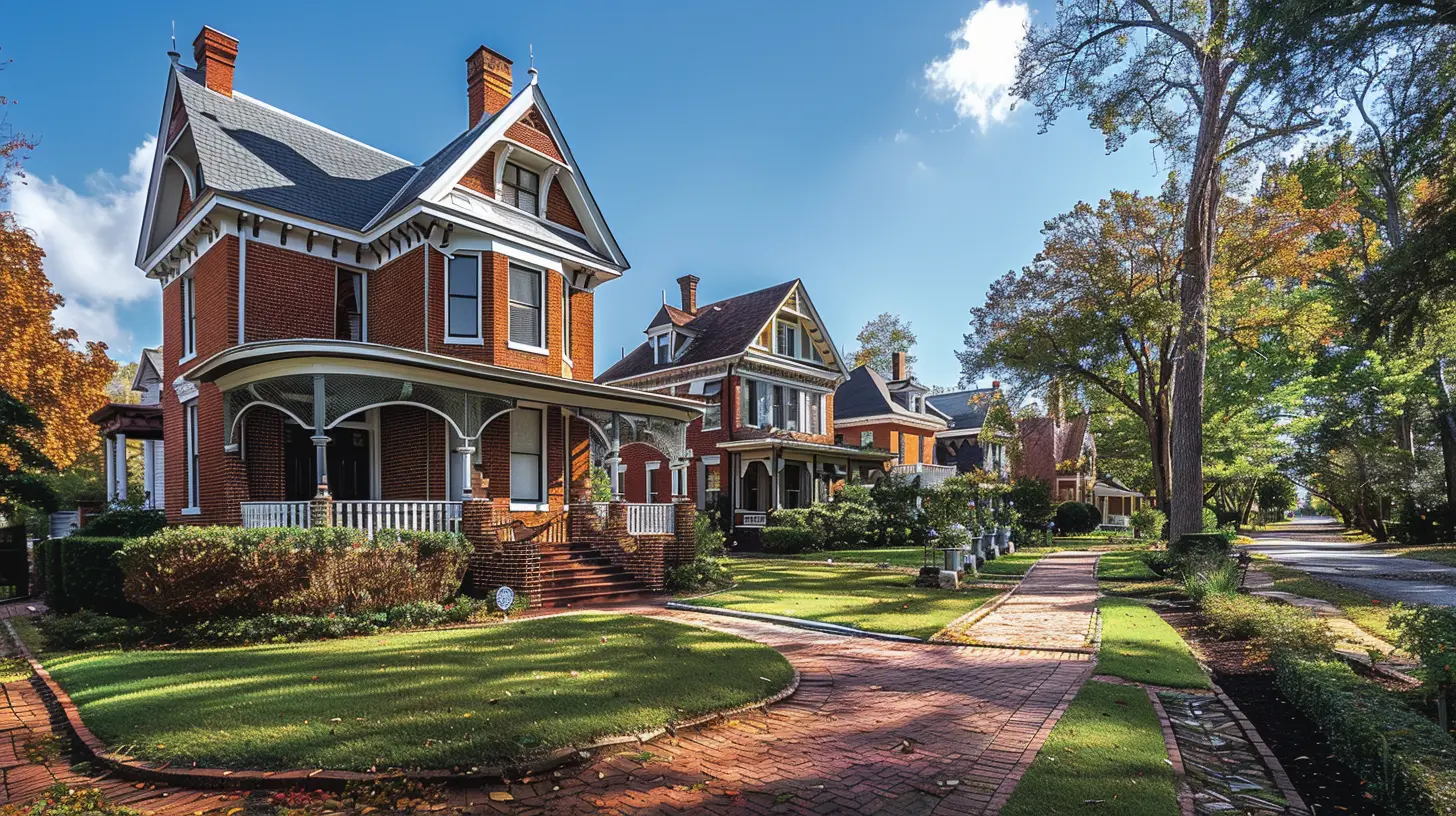
If you’ve ever visited a historic neighborhood, you might have noticed a different vibe compared to modern subdivisions. People actually know their neighbors, host neighborhood events, and take pride in maintaining the distinct character of their homes.Many historic districts have local organizations dedicated to preservation and community improvement, fostering a sense of belonging. It’s a refreshing alternative to the fast-paced, often impersonal nature of sprawling suburban developments.
Living in one of these neighborhoods feels more like being part of a close-knit family rather than just another resident in an overwhelming sea of houses.
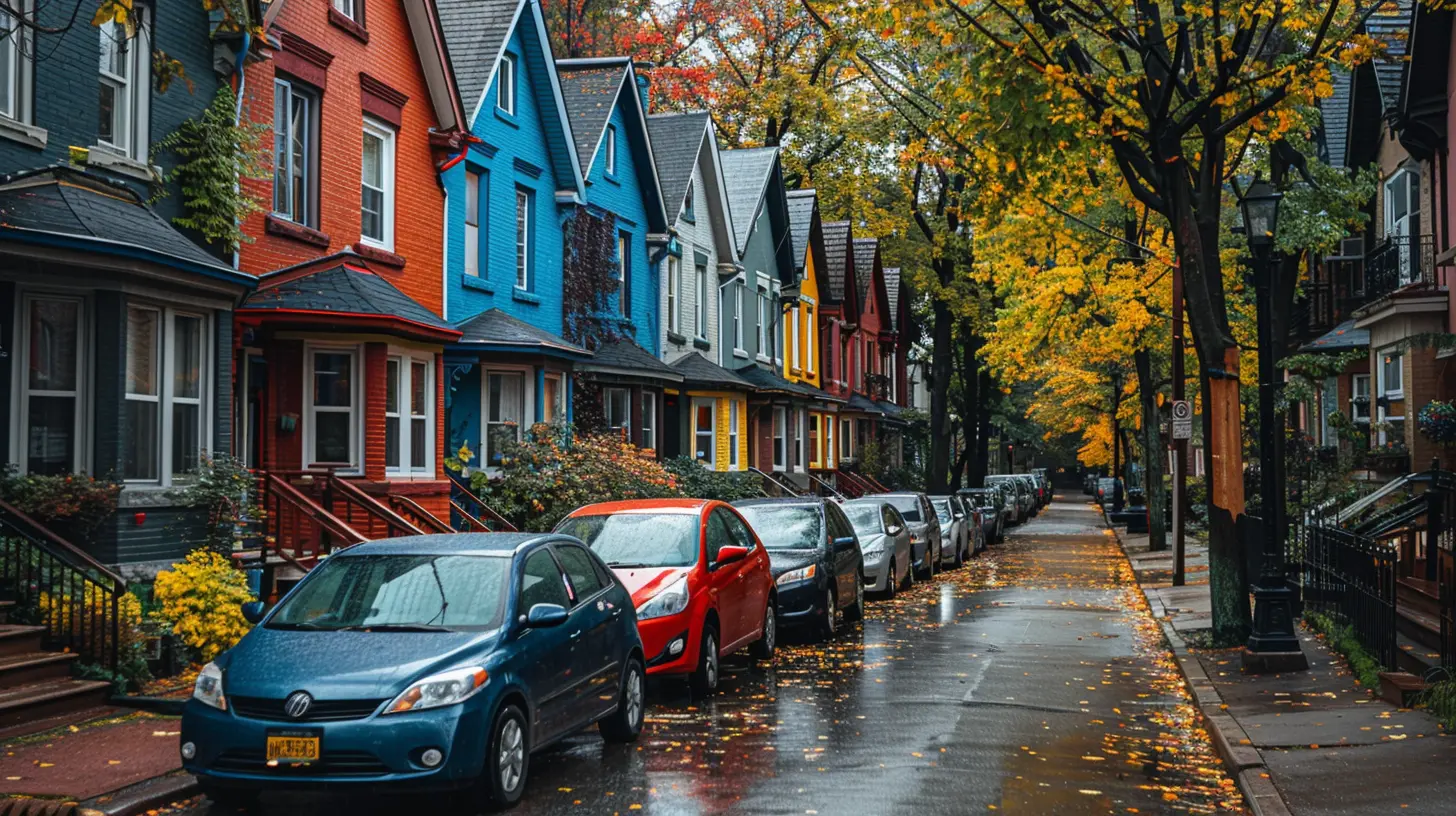
3. Walkability & Convenient Location
One major perk of historic neighborhoods? Many of them were developed before cars dominated city planning, meaning they’re often highly walkable.Think about it—many historic districts are located near city centers, allowing residents to walk to:
- Local markets
- Cafés and coffee shops
- Community parks
- Schools and libraries
- Entertainment venues
Instead of spending hours stuck in traffic, homeowners in historic areas enjoy the luxury of convenience, making daily life easier and more enjoyable.
4. Investment Potential & Property Value Appreciation
Historic homes aren’t just beautiful—they can also be a smart investment. Many of these neighborhoods have limited housing inventory, which keeps demand (and home values) high.Additionally, properties in designated historic districts often come with financial incentives, such as:
- Tax credits for preservation efforts
- Grants or low-interest loans for renovation projects
- Protection against overdevelopment, which helps maintain property values
Because of these factors, buying a home in a historic area can be more than just a lifestyle decision—it can also be a financially smart move in the long run.
5. A Unique Living Experience
Living in a historic neighborhood isn’t just about owning a house—it’s about immersing yourself in history. Every street has a story. Every building has a past.From grand Victorian mansions to charming Craftsman bungalows, historic homes offer something truly unique that modern homes simply can’t match.
Imagine owning a home with original hardwood floors that have been walked on by generations before you. Or a front porch that has seen countless summer evenings filled with laughter and conversation.
There’s a sense of soul and authenticity in these neighborhoods that many homebuyers find irresistible.
6. Sustainability & Eco-Friendliness
Surprisingly, choosing to restore and live in an older home can be a fantastic way to be eco-friendly. Instead of tearing down old structures to build new ones, buyers who invest in historic neighborhoods are reducing waste and preserving valuable materials.Additionally, many older homes were built using high-quality, long-lasting materials, making them more durable than some newer homes built with lower-grade materials.
And let’s not forget another sustainability perk—walkability. Since historic districts were designed with walkability in mind, residents rely less on cars, reducing their carbon footprint.
7. Government Protections & Preservation Efforts
Many historic neighborhoods are designated as historic districts, meaning they’re protected from reckless development. This helps maintain the neighborhood’s original character and prevents large-scale commercial projects that might disrupt the community’s charm.Certain zoning laws often protect historic homes from being demolished or significantly altered, which ensures these neighborhoods retain their beauty and allure for future generations.
For buyers who value stability and consistency, this is a big plus—knowing that the character of their neighborhood won’t suddenly change overnight due to overdevelopment.
8. The Emotional Connection to History
There’s something incredibly special about living in a home that has witnessed decades (or even centuries) of life. Whether it’s a turn-of-the-century brownstone in New York or a colonial home in Charleston, historic homes offer a deeper emotional connection than brand-new constructions.For some, it’s about honoring the past and preserving the stories of those who came before. For others, it’s about feeling rooted in a community that has stood the test of time.
Either way, historic neighborhoods provide an experience that simply can’t be replicated in modern developments.
Are Historic Neighborhoods Right for You?
Of course, living in a historic home isn’t for everyone. There are some considerations—maintenance costs can be higher, and renovations often come with more restrictions.However, for those who appreciate charm, character, and a strong sense of community, historic neighborhoods offer an unmatched living experience.
As more homebuyers seek authenticity over uniformity, it’s no surprise that these timeless communities are gaining popularity.
If you’re looking for more than just a house—but a home with soul and history—a historic neighborhood might be calling your name.
all images in this post were generated using AI tools
Category:
Historic HomesAuthor:

Kingston Estes
Discussion
rate this article
1 comments
Carmen Vaughn
Historic neighborhoods offer a unique charm and character that new developments often lack. Homebuyers are drawn to the rich stories and architecture, making these areas not just homes, but living pieces of history.
August 13, 2026 at 4:34 AM
Kingston Estes
I completely agree. The blend of history, unique architecture, and vibrant stories makes historic neighborhoods truly special. They offer a sense of connection that new developments often cannot replicate.