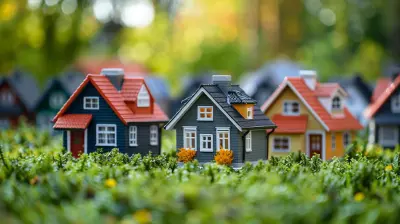
The Tiny Home Movement: A Cultural Shift Towards Minimalism
5 July 2026
Have you ever felt like your stuff is taking over your life? Maybe you’ve looked around and wondered why that extra room is collecting dust or how your garage became a storage unit for things you haven’t touched in years. If that sounds familiar, you're not alone — and you're definitely not crazy. In fact, you're part of a growing wave of people rethinking what “home” really means. Welcome to the tiny home movement — where less is more, and life gets a whole lot simpler.
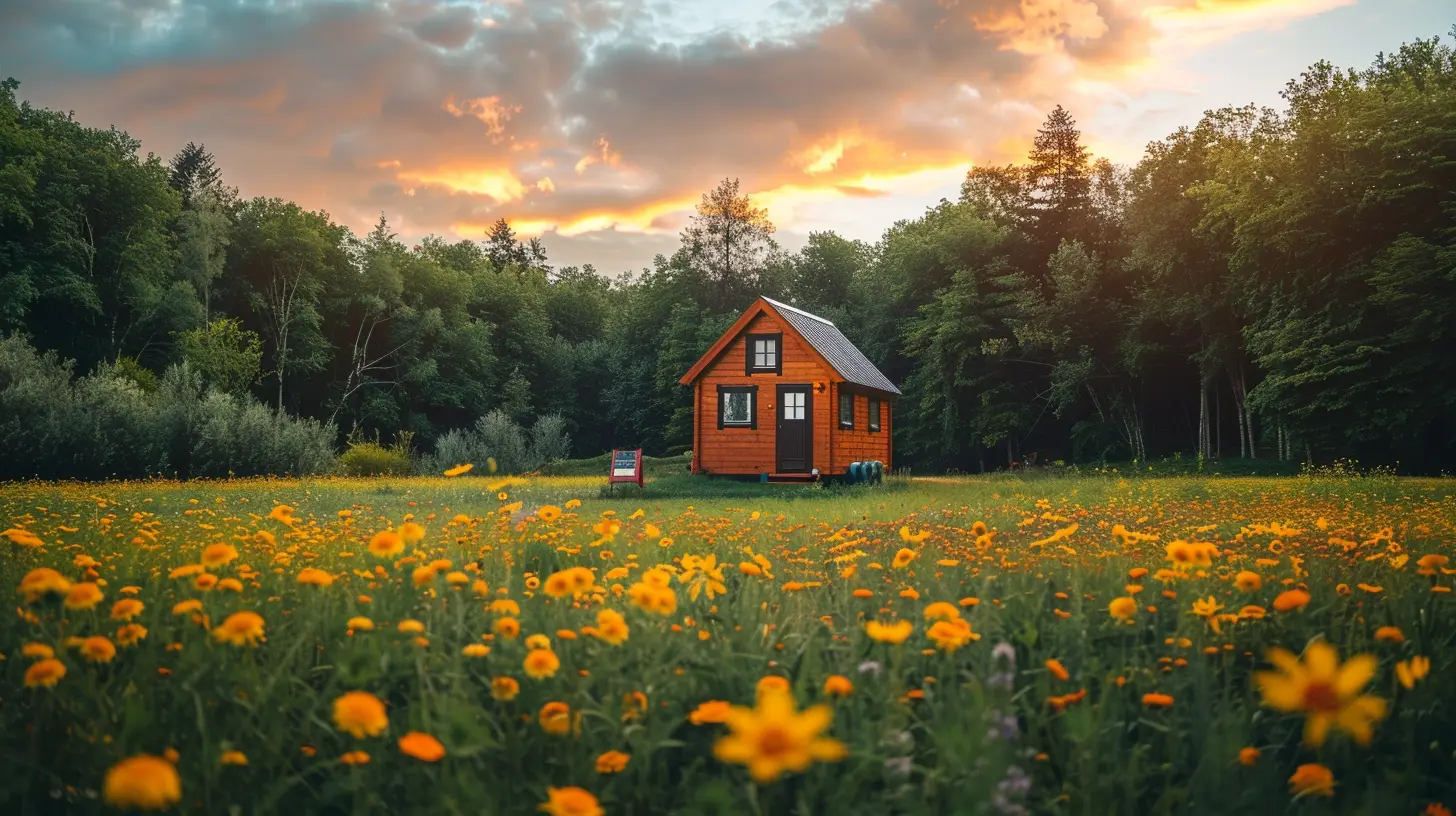
What is the Tiny Home Movement Anyway?
The tiny home movement is more than just buying a small house — it’s a lifestyle. A rebellion, even. Instead of focusing on square footage, granite countertops, and double garages, this movement celebrates simplicity, intention, and sustainability. It’s not just about where you live; it’s about how you live.Typically, a tiny home is anywhere from 100 to 400 square feet. That may sound impossibly small to some, but for many, it feels like freedom. These pint-sized powerhouses redefine what’s necessary, stripping life down to its essentials — and then making it beautiful.
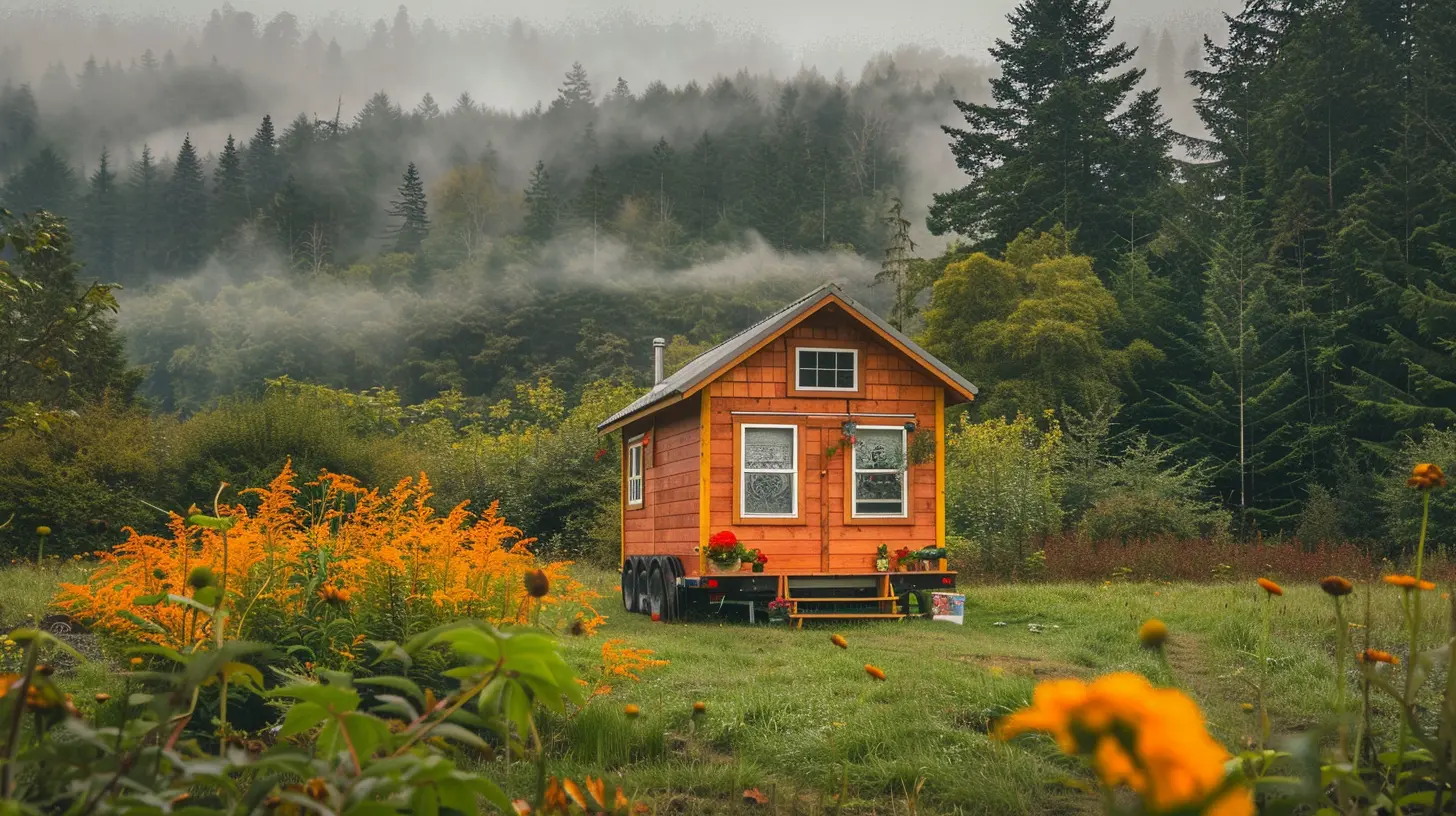
Why Are People Choosing Tiny Homes?
Escaping the Rat Race
Let’s face it: mortgages and bills can be soul-crushing. The average American spends over 30% of their income on housing. That’s a third of your hard-earned money! Tiny homes offer an escape hatch — a way to live affordably, own your space outright, and maybe even travel the world with the money you save.Financial Freedom
How often do you hear people say, “If I didn’t have to pay rent…”? Tiny homes can make that dream a reality. Many tiny homeowners build their places for less than $50,000 — some even under $10,000! That’s a drop in the bucket compared to traditional housing prices, especially in big cities where costs have skyrocketed.Living with Purpose
Ever feel like you're running on autopilot? The tiny home movement encourages people to press pause and ask: what really matters? It’s about shifting your focus from stuff to experiences, from consumerism to creativity. When your home is small, every item, every inch, every decision must be intentional.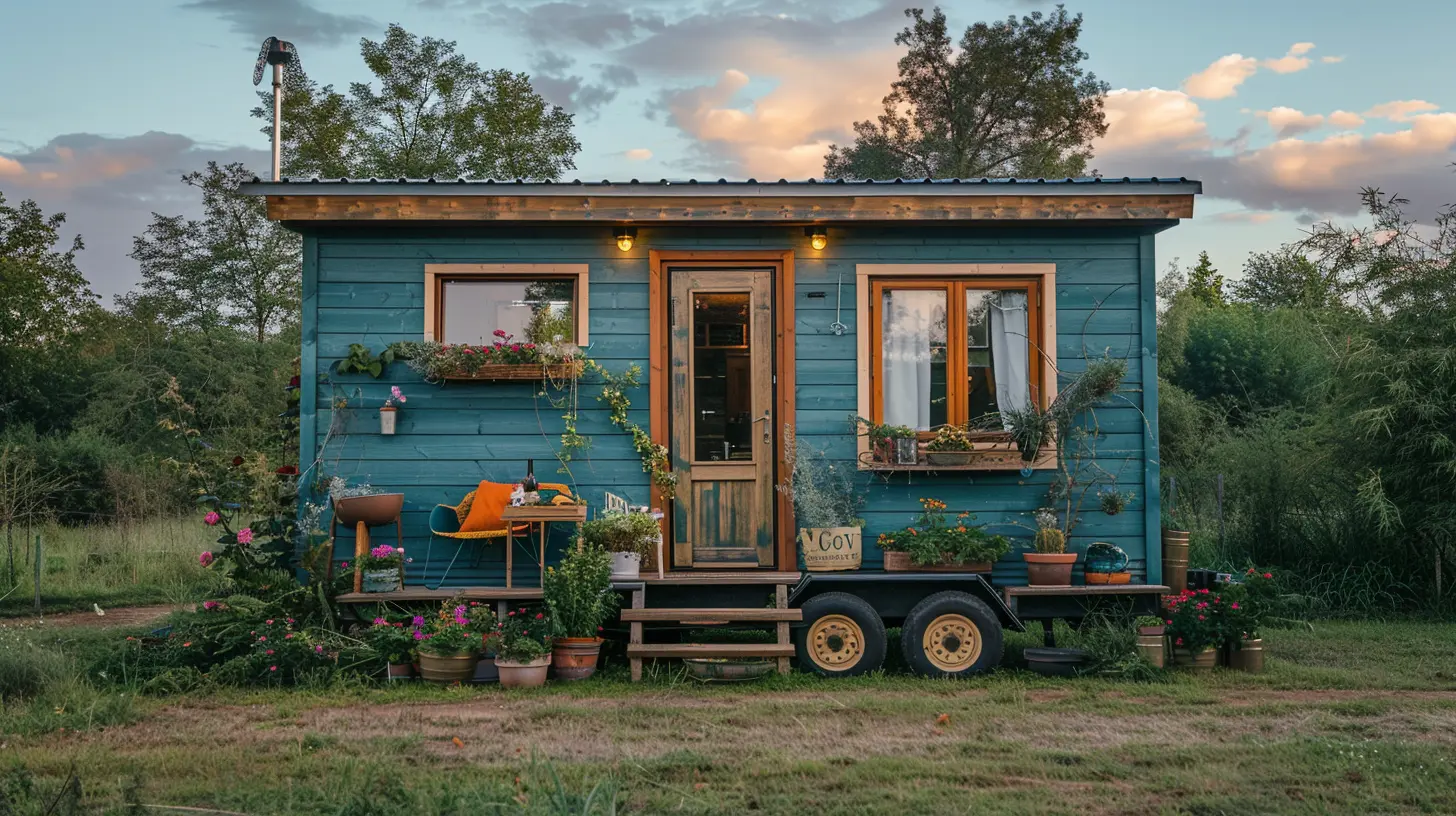
Minimalism and the Tiny Home Lifestyle
Minimalism isn’t about living with nothing — it’s about living with only what adds value to your life. Tiny homes and minimalism go hand-in-hand like peanut butter and jelly. You can’t cram your life full of clutter when your space simply won’t allow it.By downsizing your living space, you’re forced (in the best possible way) to reevaluate your priorities. What do you actually use? What do you truly love? Everything else is just noise.
More Space for What Matters
Funny enough, when people move into tiny homes, they often find they have more space — not physical space, but emotional and mental space. There’s less to clean, less to worry about, and way more time to live. You might spend more time outside, pick up hobbies you’d forgotten, or finally write that book or launch that business you’ve always dreamed about.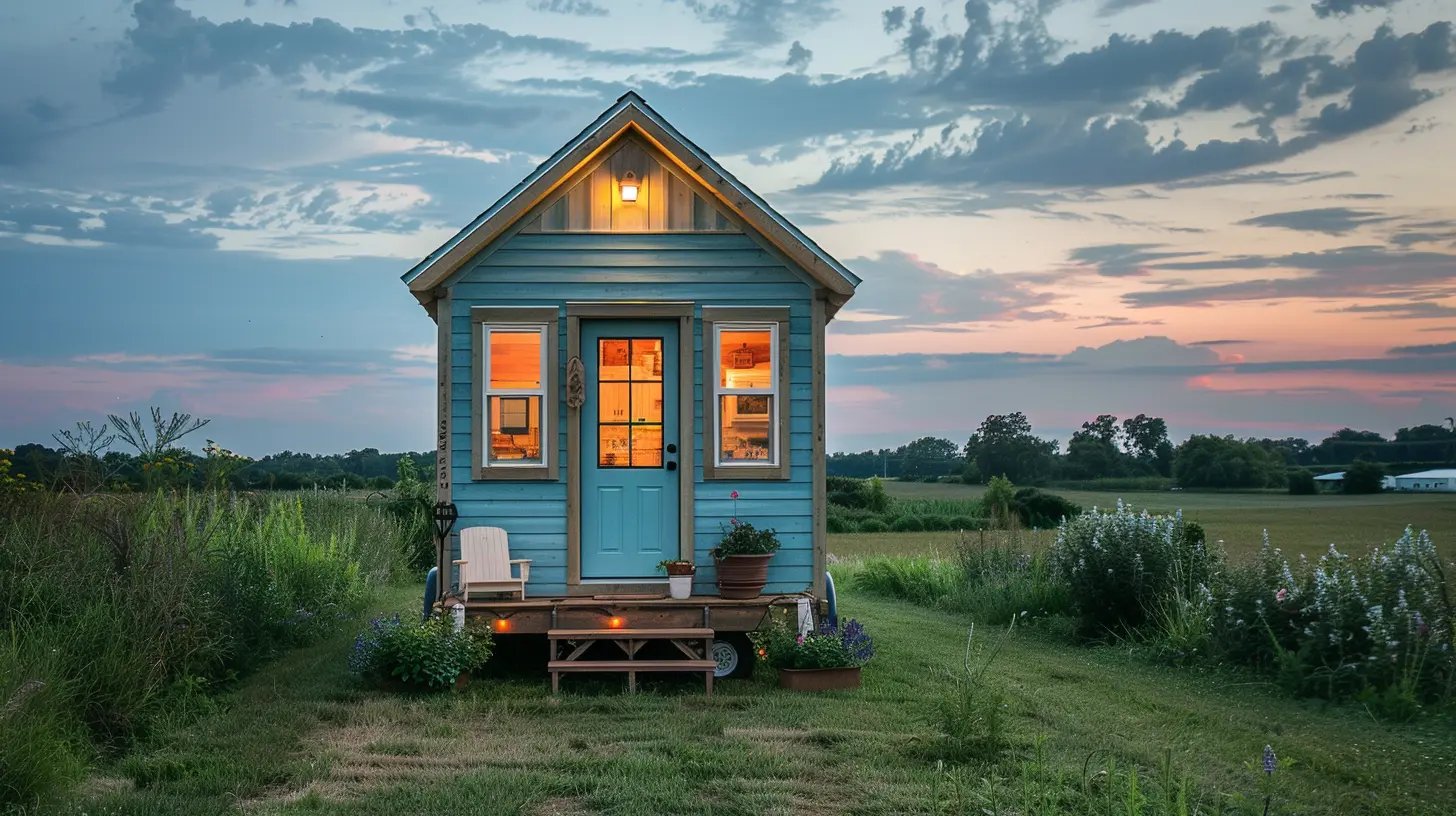
Sustainability: Being Kind to the Planet
Tiny homes are often built with eco-consciousness in mind. Solar panels, composting toilets, rainwater collection systems — these aren’t rare luxuries in the tiny home world; they’re standard choices.A tiny house uses a fraction of the electricity and water of a traditional home. Plus, with fewer materials required to build, the environmental footprint shrinks significantly. Going tiny means leaving a lighter footprint without losing out on comfort or style.
Upcycled and Recycled Materials
Many builders and DIYers in the tiny home movement get super creative with materials. Repurposed wood, salvaged windows, even shipping containers — all become foundations for cozy, functional homes. It’s the ultimate form of upcycling.Different Types of Tiny Homes
Not all tiny homes are built the same. Depending on your lifestyle and preferences, you’ve got options.Tiny Homes on Wheels (THOW)
These are the rock stars of the movement. Think of them as a cross between a house and an RV. You get mobility, flexibility, and the ability to take your home on the road. Want to wake up by the beach one week and in the mountains the next? THOWs make it possible.Stationary Tiny Homes
Prefer to stay rooted? Many people build tiny homes on a permanent foundation. This option can offer more space and comfort while still embracing the tiny home mindset.Container Homes
These innovative homes are made from recycled shipping containers. They’re sleek, modern, and stronger than you might think. Plus, they’re often more affordable and super durable.
The Rise of Tiny Home Communities
One of the most beautiful things to come out of the movement is the sense of community. Across the country (and the globe), tiny home villages are popping up. These communities are often built on shared values of sustainability, cooperation, and simplicity.Imagine living in a neighborhood where everyone knows each other, shares a community garden, and genuinely cares. That’s the vibe in most tiny home communities — and you don’t have to sacrifice privacy, either.
Challenges of the Tiny Lifestyle (And How to Tackle Them)
Alright, let’s be real: tiny living isn’t all sunshine and rainbows. Like any lifestyle, it comes with its own set of challenges. But with a little creativity and a lot of motivation, they’re all totally manageable.Limited Storage
This one’s obvious. There’s no attic or basement to throw stuff in. But that’s also the point, right? With the right storage hacks — under-seat benches, hanging organizers, multi-purpose furniture — you’d be amazed at how efficient your space can become.Zoning Laws and Legal Hurdles
In some areas, local laws haven’t quite caught up with the tiny home trend. It’s important to research your city or county’s zoning regulations before you build or park a tiny house. The good news? More and more places are embracing tiny living every year.Social Pressure
People might not get it right away — they may think you’re “downgrading” or going through a phase. But here’s the thing: the tiny home movement is not about impressing others. It’s about living YOUR best life. Stick with it, and you’ll likely inspire others to rethink their own lifestyles.
Who is Embracing the Tiny Home Lifestyle?
You might think tiny living is just for young millennials or free-spirited van-lifers, but the appeal is much broader.- Retirees are downsizing to live more affordably and travel more.
- Young professionals are choosing mobility over mortgages.
- Families are embracing minimalism and teaching their kids about sustainability.
- Digital nomads are living and working from anywhere, thanks to remote work.
This movement cuts across age, income, and geography. Anyone looking for more freedom, less debt, and a closer connection to their values can thrive in a tiny home.
The Future of the Tiny Home Movement
With inflation rising, urban sprawl growing, and climate change looming, the tiny home movement feels less like a trend and more like a necessity. It’s a cultural shift, a collective wake-up call — reminding us that happiness isn't found in square footage, but in living fully and authentically.Tiny homes are no longer just a Pinterest dream or a quirky lifestyle. They’re a smart, sustainable, and deeply human way to live.
So, Is Tiny Living Right For You?
That’s the million-dollar (or maybe $50,000) question, isn’t it? Tiny living isn’t for everyone, and that’s okay. But if you’re craving simplicity, freedom, and a deeper connection to what matters, it might just be the answer you've been searching for.Ask yourself:
- Do you want to spend less time cleaning and more time living?
- Are you tired of living paycheck to paycheck?
- Does the idea of owning a beautiful, debt-free home excite you?
- Do you want to reduce your environmental impact?
If you said "yes" to any of these, it might be time to think small — really small.
Final Thoughts: Big Dreams Come in Tiny Packages
The tiny home movement isn’t about giving things up — it’s about gaining control. It’s about living life on your own terms, in your own space, with your own values leading the way.At its core, this movement proves what we’ve known all along: happiness doesn’t come from stuff. It comes from meaning, connection, and the freedom to live life the way it was meant to be lived — simply, intentionally, and joyfully.
So next time someone tells you that bigger is better, just smile and think of your tiny house — where the coffee is strong, the vibes are peaceful, and every day feels a little more like home.
all images in this post were generated using AI tools
Category:
Tiny HomesAuthor:

Kingston Estes
Discussion
rate this article
1 comments
Amy McGarvey
The tiny home movement reflects a desire for simplicity and connection, challenging us to find contentment in less and prioritize experiences.
July 27, 2026 at 3:51 AM
Kingston Estes
Absolutely. The tiny home movement invites us to embrace simplicity and discover what truly matters in our lives. It's about living intentionally and valuing experiences over excess.