What’s Driving the Tiny House Movement?
27 October 2026
The tiny house movement is often described as a reaction to rising housing costs, but that explanation is incomplete. Cost pressure explains why people start looking. It does not explain why so many of them stay interested, adjust their lives around the idea, and defend the choice years later. Something deeper is at work: a shift in how a growing number of people define a good home, what they expect a house to do for them, and how much of their life they are willing to trade for square footage.
This article examines the forces actually driving the movement, from hard economic math to cultural and psychological currents. It also looks at where the movement runs into trouble, which assumptions about it are wrong, and what anyone considering a tiny house should weigh before committing.
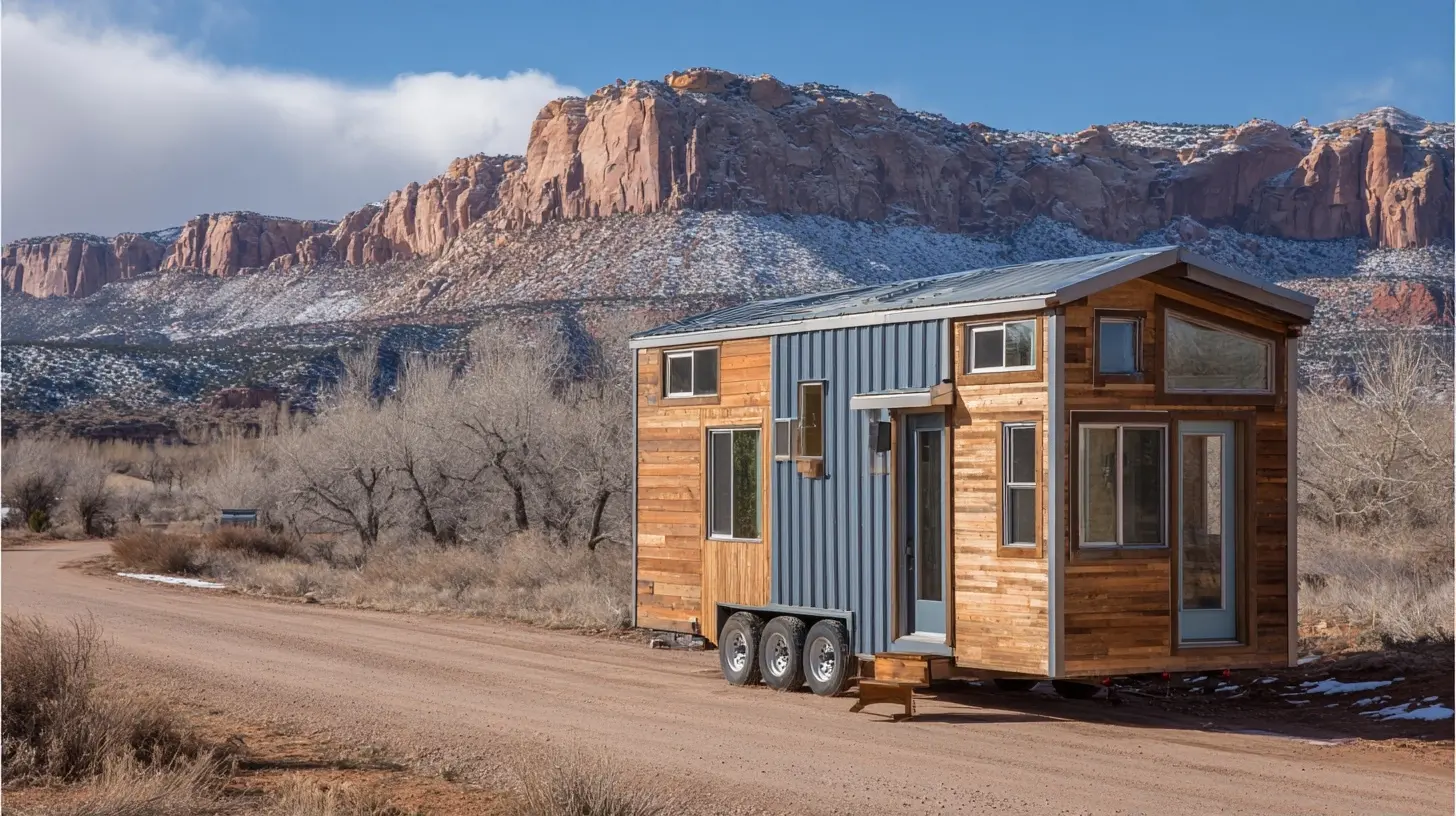
The Economic Engine: Housing Costs and the Math of Less
The most visible driver is straightforward arithmetic. In many markets, the gap between median household income and median home price has widened for decades. For a large share of buyers, especially younger ones, a conventional mortgage on a conventional house requires either a very high income, a long commute, family help, or all three. When the standard path stops working for a large group of people, alternatives get serious attention.A tiny house changes the equation in three ways.
First, it reduces the principal. A structure of a few hundred square feet costs a fraction of a conventional home, even at a higher cost per square foot. That higher per-square-foot cost is real and often overlooked: tiny houses frequently cost more per square foot than standard homes because kitchens, bathrooms, and utilities are compressed into a small footprint without shrinking their fixed costs. The savings come from buying fewer square feet, not cheaper square feet.
Second, it reduces the carrying cost. Less space means less to heat, cool, maintain, and furnish. Over a decade, those operating savings can be substantial, though they vary widely with climate, construction quality, and whether the home is on wheels or a foundation.
Third, and most powerfully, it reduces or eliminates the mortgage. For people who value freedom from debt over accumulation of equity, this is the core appeal. A paid-for small structure means monthly housing costs can drop to land rent, utilities, and taxes. That changes what kind of work a person can accept, how much they can save, and how much risk they can tolerate.
There is a trade-off worth stating plainly: a tiny house is usually a depreciating asset, not an appreciating one. Conventional homes often build equity; tiny homes on wheels typically do not, and lenders rarely finance them with standard mortgages. Anyone treating a tiny house purely as a financial move should compare it honestly against renting and investing the difference, not just against buying a conventional house.
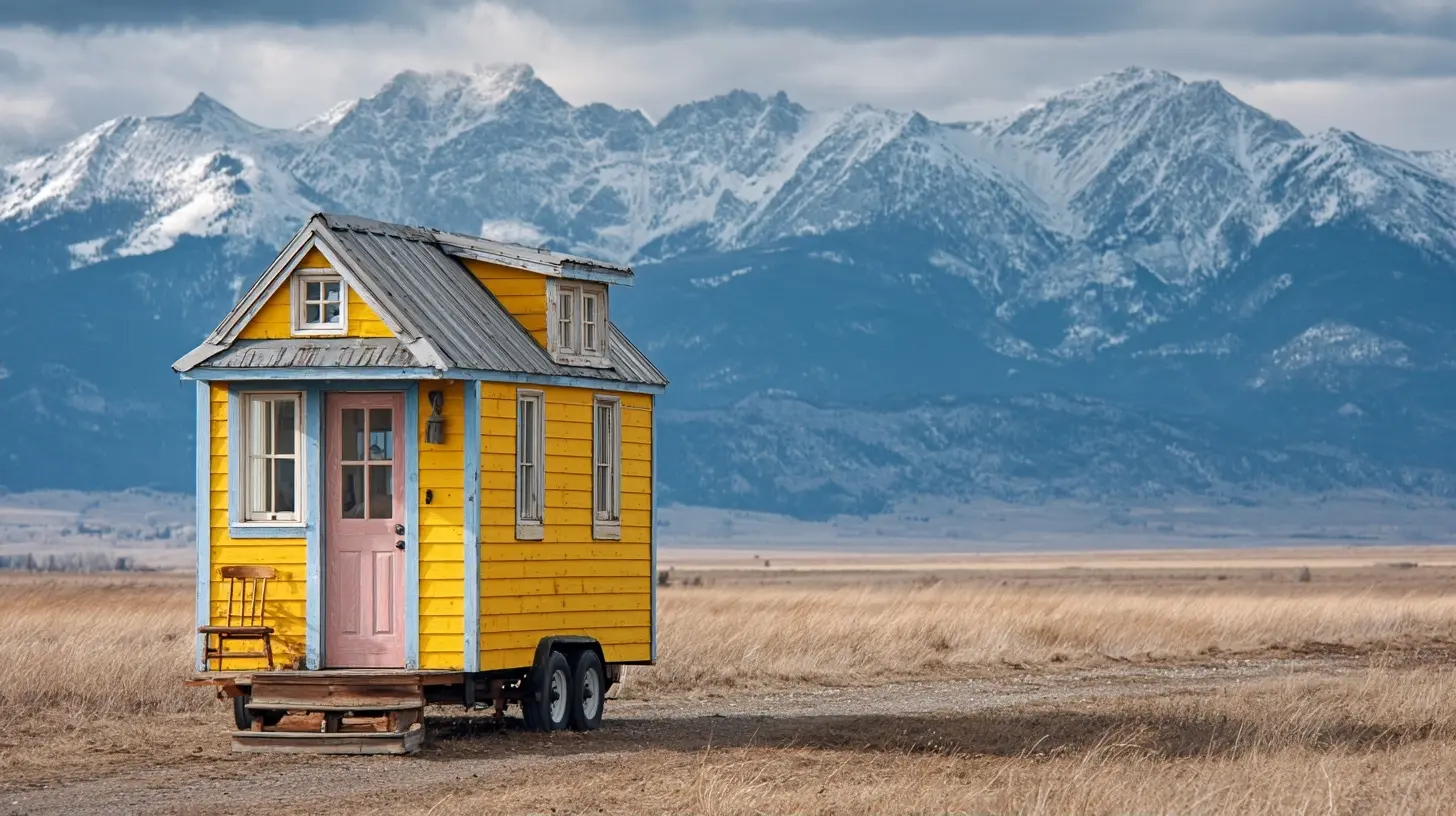
The Cultural Shift: Downsizing as a Status Choice
A generation ago, downsizing carried a whiff of sacrifice. Today, for a meaningful segment of the population, it reads as intentional and even aspirational. That reversal is one of the movement's most important engines, and it is cultural rather than financial.Several currents feed it. The minimalist aesthetic, popularized through design media and social platforms, made sparse, well-designed small spaces visually desirable. Environmental concern made smaller footprints feel responsible. And a broader rethinking of work and time, accelerated by remote work, made location flexibility more valuable than square footage for many households.
The result is that tiny houses now attract people who could afford more. That matters because it changes the movement's character. Early adopters were often driven by necessity or ideology. Today's interest pool includes professionals who want a second dwelling on family land, remote workers who want to move between regions, and retirees who want to free up capital. These groups have different needs, and the housing forms that serve them are diverging accordingly.
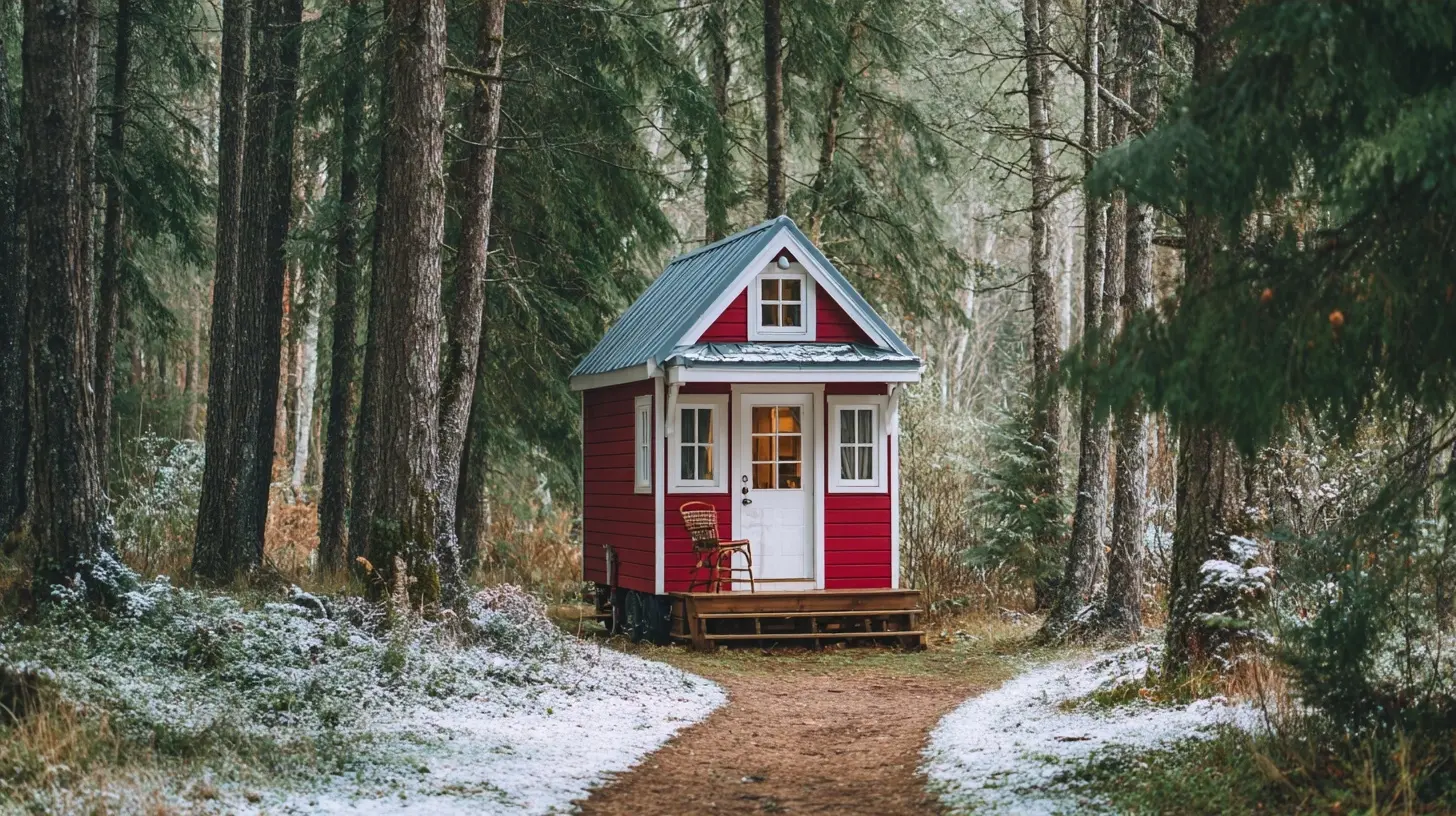
The Psychological Pull: Control, Simplicity, and Reclaimed Time
Ask tiny house dwellers what changed, and the answers often center on time and attention rather than money. A smaller home generates fewer decisions, fewer possessions, and less maintenance. For people who feel that their house owns them rather than the reverse, that relief is the product.There is a real mechanism here. Every object in a home demands some attention: storage, cleaning, repair, insurance, replacement. A conventional house with a garage, attic, basement, and spare rooms quietly accumulates obligations. Shrinking the container forces a periodic audit of what actually earns its place. Many people find that process clarifying, even liberating.
The caution is that simplicity is not automatic. Small spaces punish poor organization far more than large ones do. A tiny house with inadequate storage becomes cluttered and stressful quickly. The people who thrive in tiny homes tend to be those who genuinely enjoy systems, routines, and editing their possessions, not those who merely like the idea of doing so.
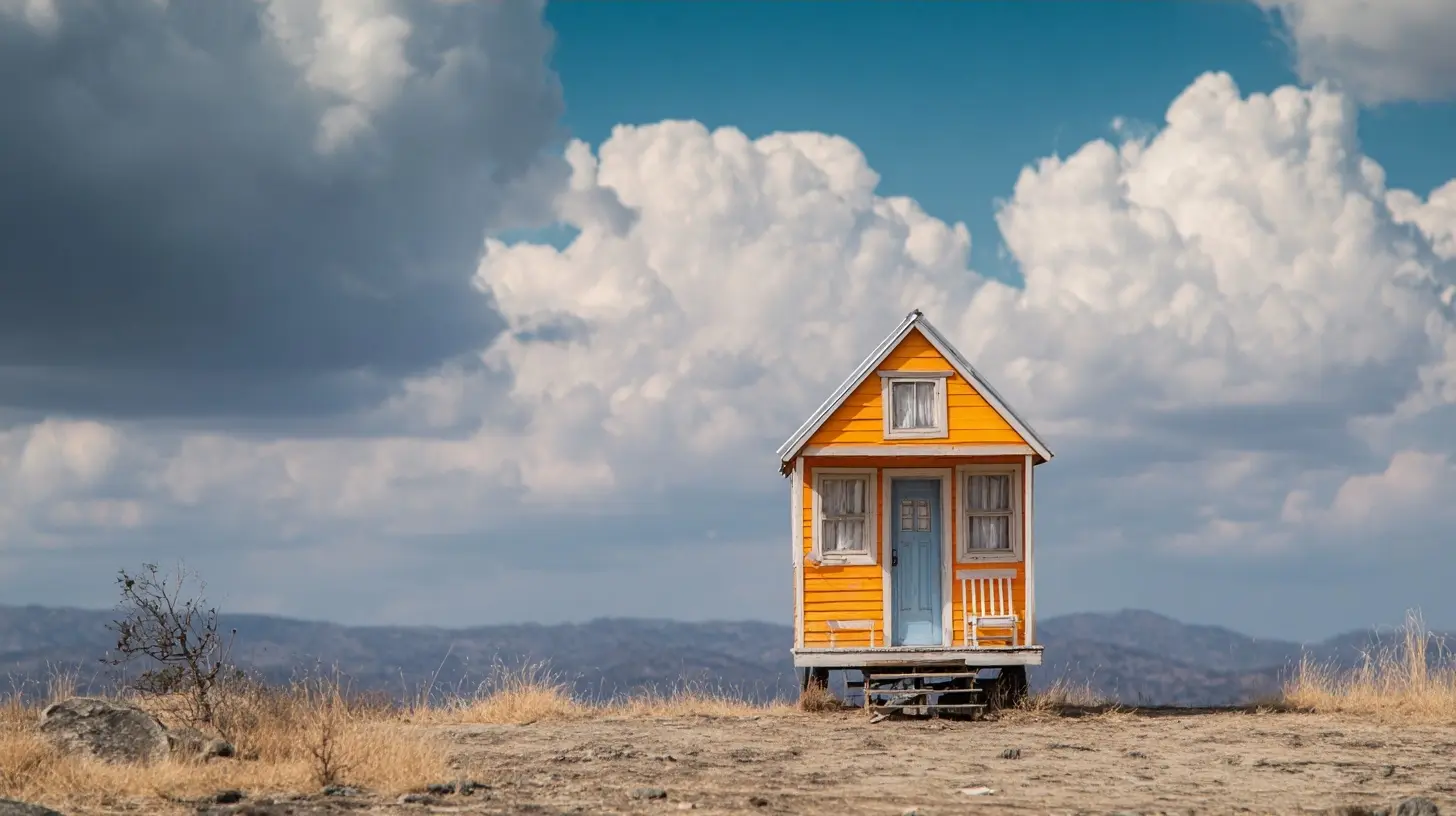
Design and Technology Made Small Living Viable
The movement would not have scaled without better tools. Three developments stand out.Efficient systems. Modern mini-split heat pumps, tankless water heaters, composting and incinerating toilets, and high-efficiency appliances make a few hundred square feet comfortable in ways that were difficult and expensive a generation ago. Solar panels and battery storage extend off-grid capability.
Better design literacy. Architects and builders now treat small structures as a design discipline rather than an afterthought. Multi-function furniture, lofted sleeping areas, thoughtful sight lines, and abundant glazing make small rooms feel larger. The best tiny homes borrow lessons from boat and caravan design, where every centimeter earns its keep.
Digital construction communities. Plans, build guides, and detailed cost breakdowns circulate widely, lowering the barrier for owner-builders. This is a double-edged benefit: access to information is high, but quality varies enormously, and mistakes that would be caught by an experienced builder often are not.
Technology also enables a hybrid model that deserves attention: the accessory dwelling unit. A small second dwelling on an existing lot, whether a converted garage, a backyard cottage, or a manufactured unit, captures many tiny-house benefits without the legal and logistical headaches of a mobile structure. For homeowners with space, this is often the more practical route.
The Regulatory Landscape: Where the Movement Meets Friction
The single biggest constraint on tiny houses is not construction. It is law.Most jurisdictions regulate housing through building codes, zoning ordinances, and minimum size requirements. A dwelling on wheels usually falls into a gray zone: too house-like to be a conventional recreational vehicle, too mobile to satisfy codes written for permanent structures. Where it is parked, how it is connected to utilities, and whether it counts as a residence all depend on local rules that vary enormously.
This produces a predictable pattern. Some regions have adopted appendix codes or local ordinances that explicitly accommodate tiny houses. Others effectively prohibit them through minimum square footage rules, parking restrictions, or prohibitions on full-time occupancy of accessory structures. A person who buys a tiny house without confirming where it can legally live has made an expensive mistake. This happens often enough that it should be treated as the first question, not the last.
The practical advice is unglamorous but essential: before designing or buying anything, contact the local planning and building department. Ask specifically about minimum dwelling size, occupancy rules for structures on wheels, utility hookup requirements, and any restrictions on long-term parking on private land. Get answers in writing where possible. Rules also change, so a location that works today may not work in five years.
Who the Movement Actually Serves
The tiny house movement is often marketed as a universal solution. It is not. It fits some situations well and others poorly, and being honest about that distinction is more useful than advocacy.Strong fits:
- People with secure remote income who value mobility and low fixed costs.
- Retirees or near-retirees who want to convert home equity into cash and reduce upkeep.
- Homeowners adding a backyard unit for family, guests, or rental income.
- People with access to land, whether owned, family-held, or in a community with permissive rules.
- Individuals in transitional periods who want a low-commitment housing option.
Weak fits:
- Families with young children who need space, storage, and room to grow.
- People whose work ties them to a specific high-cost metro with restrictive rules.
- Anyone who needs to build equity as a primary financial strategy.
- Households with extensive possessions, hobbies requiring space, or mobility limitations that small layouts complicate.
- People who want a turnkey purchase with conventional financing and resale.
The pattern is clear: tiny houses work best when the occupant has flexibility in location, income, or lifestyle, and access to land. Remove any of those, and the appeal weakens fast.
Common Misconceptions Worth Correcting
Several assumptions about tiny houses circulate widely and deserve scrutiny."A tiny house is cheap." The structure may be, but the total cost of ownership includes land or parking, utility connections, insurance, and often a tow vehicle. Many owners spend more than expected on site preparation and compliance.
"You can park it anywhere." In practice, legal full-time parking is the hardest part of the equation. Driveways, backyards, and rural land all come with rules.
"It's a shortcut to homeownership." Without conventional financing or appreciating value, a tiny house is closer to buying a vehicle than buying a home, financially speaking.
"Small means simple to build." Small structures demand precision. Mistakes are more visible, systems are more tightly integrated, and code compliance for things like egress, ventilation, and stairs is no easier at 300 square feet than at 3,000.
"It solves the housing crisis." Tiny houses can add units at the margins and serve specific populations well, but they are not a substitute for broad housing supply. Treating them as a systemic fix overstates what a niche product can do.
Practical Guidance for Anyone Considering the Leap
For readers seriously weighing a tiny house, a few principles separate good outcomes from costly ones.1. Solve the land question first. Identify a legal, year-round location before anything else. Everything downstream depends on it.
2. Decide between wheels and foundation early. Mobility offers flexibility but complicates financing, insurance, and code compliance. A foundation or accessory dwelling unit is often easier to permit and finance.
3. Build a realistic budget that includes the invisible costs. Site work, utility hookups, permits, insurance, storage for the things you keep, and a tow vehicle if applicable.
4. Trial the lifestyle before committing. Rent a small cabin or apartment for a month. The gap between the fantasy and the daily reality of small-space living is where most regrets originate.
5. Plan storage deliberately. Underestimate storage and the home will feel cramped within weeks. Overbuild it slightly.
6. Think about resale and exit. Who will buy this from you, and where? A design that appeals to a narrow audience is harder to sell.
7. Hire expertise where it matters. Structural, electrical, and plumbing work are poor places to learn by trial. Design and systems integration are worth professional input.
8. Check insurance early. Coverage for tiny homes, especially those on wheels, is not uniform. Confirm availability and cost before building.
The Movement's Next Chapter
The tiny house movement is maturing from a novelty into a recognized housing category with distinct submarkets: mobile dwellings, backyard cottages, small infill homes, and community models. As jurisdictions update codes and lenders experiment with new products, the legal and financial friction that once defined the movement is easing in some places while remaining stubborn in others.What will not change is the underlying insight that gave the movement its momentum: many people are willing to trade space for time, money, and freedom, provided the trade is legal, practical, and well designed. The movement's future depends less on convincing skeptics than on solving the unglamorous problems of land, regulation, and finance. Where those problems get solved, tiny houses stop being a statement and become simply another sensible way to live.
all images in this post were generated using AI tools
Category:
Real Estate ResourcesAuthor:

Kingston Estes

