What You Should Know Before Buying a Historic Property
18 January 2026
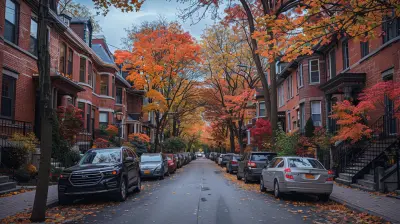
Buying a historic home is more than just a real estate transaction—it's a journey into the past, a chance to own a piece of history. But while these charming homes come with character and timeless appeal, they also bring unique challenges that modern homes simply don't have.
Before you dive into this grand adventure, there are a few things you should know to ensure that your dream home doesn't turn into a never-ending money pit. Let's take a deep dive into what it really means to own a historic property.
1. Historic Homes Have Strict Regulations
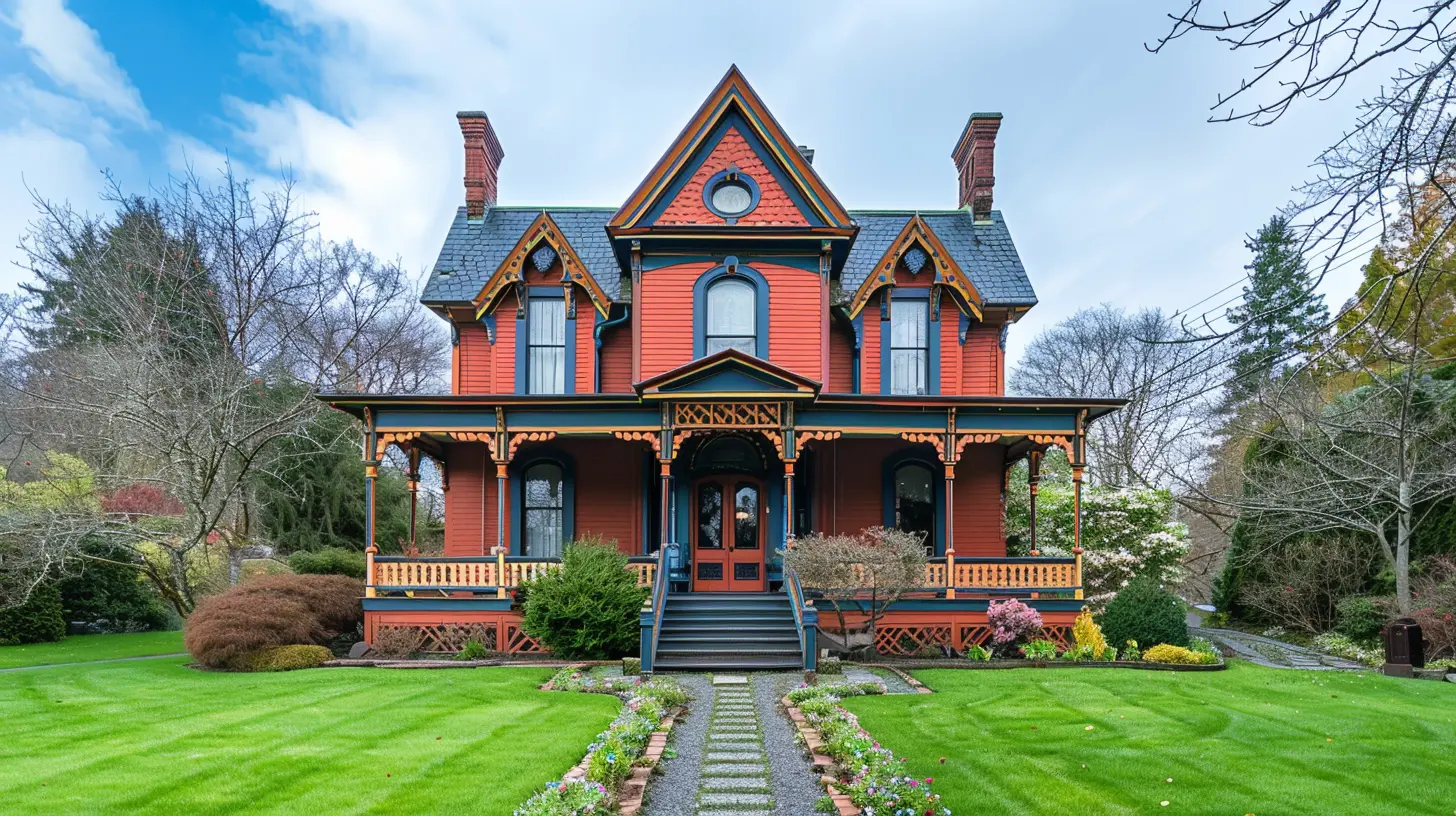
One of the biggest surprises new buyers face is the number of rules and restrictions that come with owning a historic home. Many of these properties are protected by local, state, or even federal regulations to preserve their original charm and architectural integrity.What does this mean for you? Well, if you're planning a major renovation, you can't just knock down a wall or install modern windows without approval. Some areas require you to get permits before making any changes, and in some cases, certain modifications might not be allowed at all.
Pro tip: Check if the home is listed on the National Register of Historic Places or falls under local historic district guidelines. This will give you a clear idea of what you can and cannot do.
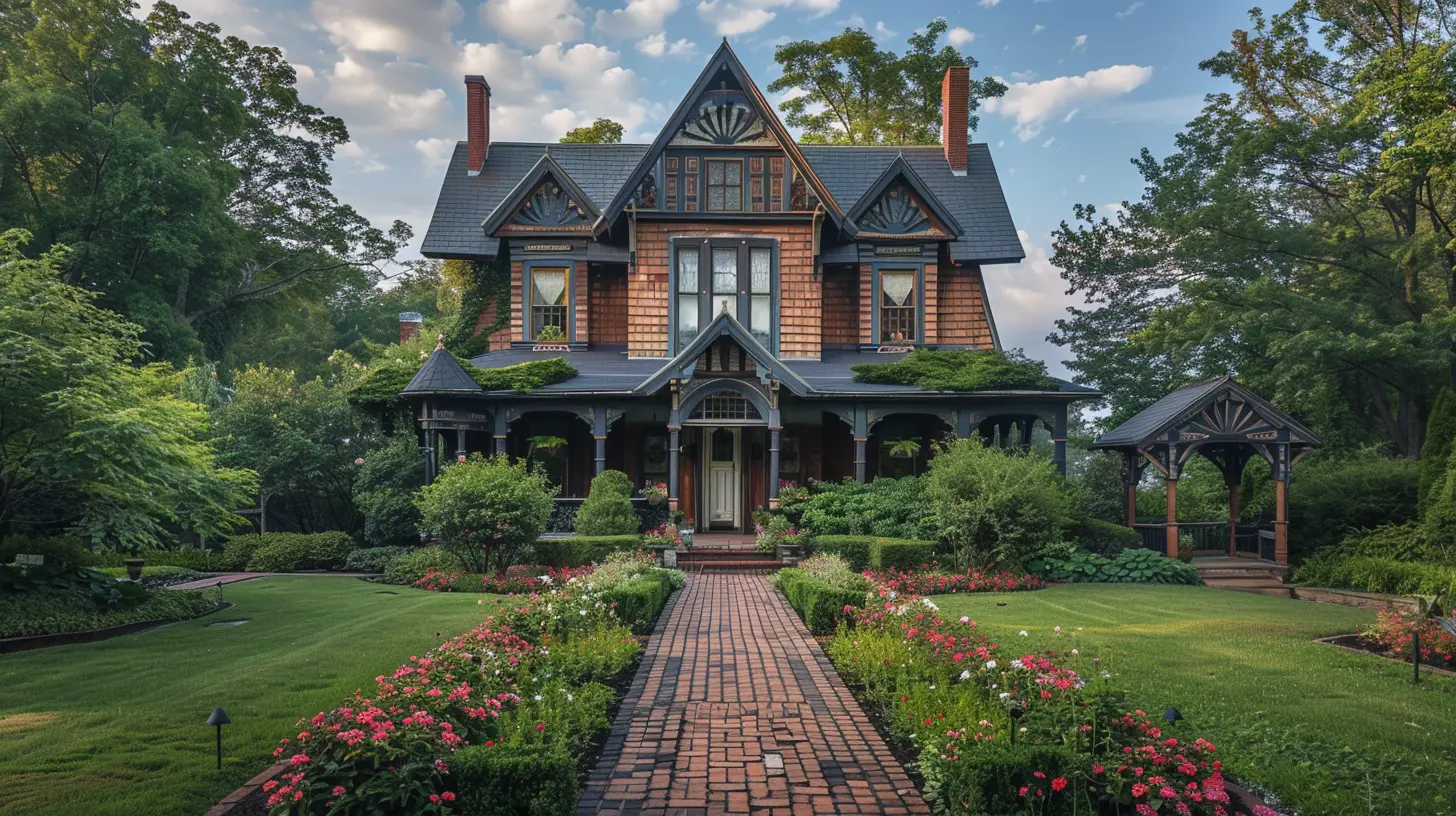
2. Renovations Can Be More Expensive Than You Think
Sure, an older home might have great bones, but it's also likely to come with a few surprises—some of which can be costly. Unlike newer homes built with modern materials, historic homes require specialized craftsmanship and period-accurate materials, which can add significantly to renovation costs.For example, let’s say you need to replace the windows. In a regular home, this might be a straightforward job. But in a historic home, you may be required to restore the original windows rather than replace them with modern ones. This means hiring skilled artisans who specialize in historic restoration, which isn't cheap.
Before buying, have a professional inspector who specializes in historic homes evaluate the property. This will help you understand what potential repairs or upgrades you’ll need and how much they might cost.
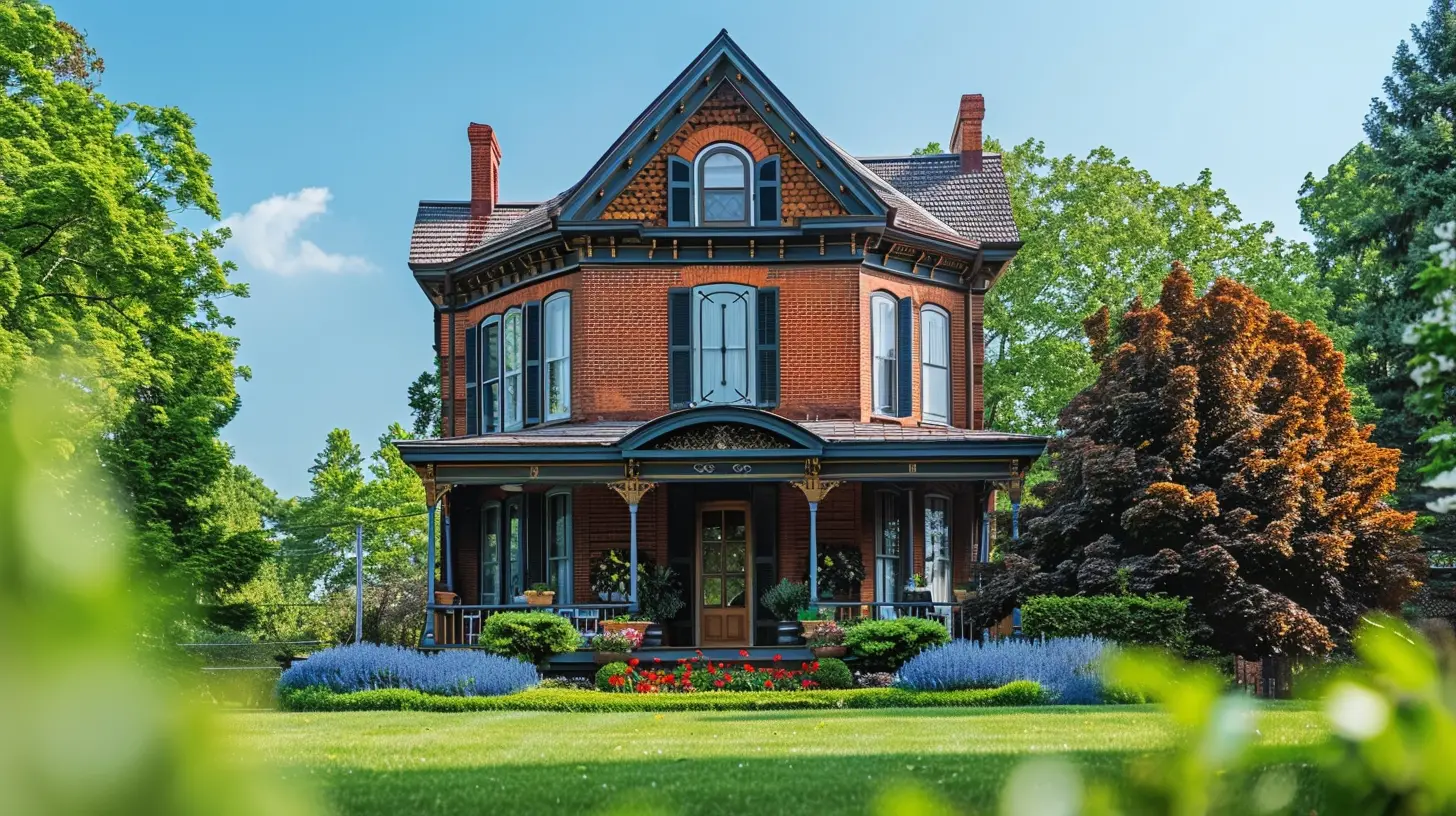
3. Maintenance Is a Long-Term Commitment
Owning a historic home isn’t like owning a brand-new house where you can set it and forget it. These properties often require ongoing maintenance to keep them in good shape.Think of it like owning a vintage car. You can’t just drive it without regular upkeep—otherwise, it'll start falling apart. The same applies to historic homes. From wood rot to foundation issues, there’s always something that may need attention.
Common Maintenance Issues in Historic Homes:
- Outdated Electrical Systems – Many historic homes still have knob-and-tube wiring, which can be a fire hazard.- Plumbing Challenges – Old pipes can corrode or leak, leading to major water damage.
- Roofing Concerns – Materials used in historic roofs may no longer be manufactured, making repairs tricky.
- Old HVAC Systems – Heating and cooling an older home can be less efficient and more expensive.
This doesn't mean you should shy away from buying a historic home, but it does mean you'll need to budget for ongoing maintenance.
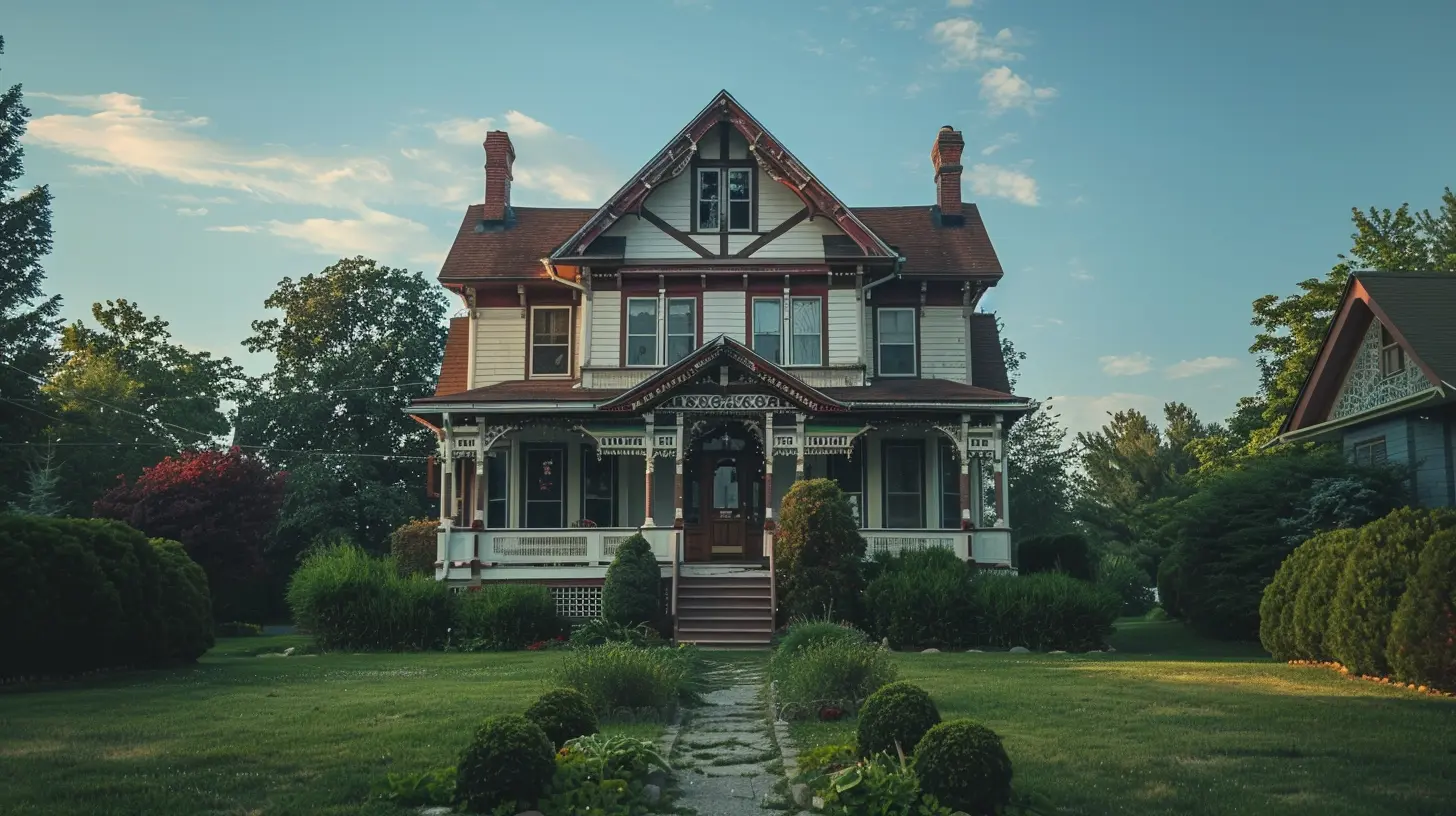
4. Insurance Can Be Tricky
Think insuring a historic home is the same as insuring a modern house? Think again. Because historic homes often require specialized repairs and materials, insurance costs may be higher. Some insurance companies are hesitant to cover older homes due to the risks associated with outdated wiring, plumbing, and structural issues.Before purchasing, shop around for historic home insurance policies and make sure you understand what is and isn't covered. Some policies may require you to restore the home to its original condition after any damage, which can make claims more expensive and time-consuming.
5. Financing May Be More Complicated
You’ve found the perfect historic home, but now you need to get financing. Depending on the property's condition and location, securing a mortgage might not be as simple as it would be for a newer home.Some lenders see historic homes as high risk, especially if they require extensive repairs. In such cases, you may need a specialized renovation loan, like an FHA 203(k) loan or a Fannie Mae HomeStyle loan, to cover restoration costs.
Before you fall in love with a historic home, talk to lenders and understand your financing options. Some lenders specialize in historic properties and may be more willing to work with you.
6. Tax Credits and Incentives Can Help
Here’s some good news—owning a historic home can come with financial perks! Many local, state, and federal programs offer tax incentives or grants for restoring and maintaining historic properties.For example, the Federal Historic Preservation Tax Incentive gives eligible homeowners tax credits for qualified renovation expenses. Some states and cities also have property tax reductions for historic home preservation.
Take some time to research what incentives might be available in your area. It could save you thousands of dollars in the long run!
7. You’re Buying More Than Just a House—You’re Buying a Story
Perhaps the most magical part of owning a historic home is that it comes with a rich history. Every old house has a story, and when you buy one, you become part of that legacy.Maybe your home was once owned by a famous figure or played a role in a significant historical event. Even if it wasn’t, just the thought of generations of families living there before you adds a layer of charm and nostalgia you won’t find in a cookie-cutter modern home.
Take time to research the history of your home. Visit your local historical society, look at old maps, or talk to longtime neighbors. Learning about the past can deepen your appreciation for your home and make you feel even more connected to it.
8. Neighbors and Community Matter
Historic homes are often located in historic districts, which means you’ll likely have passionate neighbors who deeply care about preserving the character of the area. While this sense of community can be wonderful, it can also come with expectations.If you plan on making big changes to your home, be prepared for opinions—both wanted and unwanted. Some residents see themselves as unofficial guardians of the area’s history, and they may resist modernization efforts that stray too far from traditional aesthetics.
A good idea? Before you buy, talk to people in the neighborhood. Ask them about any restrictions, homeowner expectations, or experiences they've had with renovations. It’ll give you a better sense of what you're stepping into.
9. It’s a Labor of Love
At the end of the day, buying a historic home is not just about owning a house—it’s about preserving a piece of history. It requires patience, dedication, and a willingness to invest in its upkeep.But if you’re passionate about history, architecture, and craftsmanship, the rewards far outweigh the challenges. There’s something incredibly special about walking through your front door and knowing you’re part of a home’s long and storied journey.
Final Thoughts
So, should you buy a historic property? If you’re ready for a home that comes with character, charm, and a bit of extra work, then absolutely! Just make sure you go in with your eyes wide open, do your research, and prepare for both the joys and challenges that come with historic home ownership.Owning a historic home isn’t just about where you live—it’s about honoring the past while creating new memories for the future. And that, my friend, is something truly special.
all images in this post were generated using AI tools
Category:
Historic HomesAuthor:

Kingston Estes
Discussion
rate this article
2 comments
Harlow Fields
Buying a historic property is a beautiful journey, but be prepared for unique challenges. Embrace its charm and stories.
February 11, 2026 at 3:19 AM
Kingston Estes
Thank you for your insight! Embracing both the charm and challenges is indeed essential when purchasing a historic property.
Yazmin Barrett
Absolutely love this! Buying a historic property is like adopting a piece of the past, but with all its quirks. It’s essential to embrace the charm while being prepared for the upkeep. Here’s to preserving history one beautiful home at a time!
January 18, 2026 at 5:02 AM
Kingston Estes
Thank you! Embracing the charm and quirks of historic properties truly makes for a rewarding journey in preservation. Cheers to honoring history!