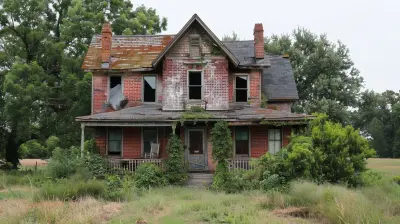
What Homeowners Insurance Typically Doesn’t Cover
17 May 2026
Owning a home is like holding a dream in your hands—a dream built on four walls and a sturdy roof. It’s your sanctuary, your haven from the chaos of the world. Naturally, you want to protect it, and that’s where homeowners insurance comes in.
But here’s the kicker: homeowners insurance isn’t the all-encompassing safety net many assume it to be. There are gaps hidden in the fine print, exclusions lurking in the details, and surprises that could surface when you least expect them.
So, what doesn’t homeowners insurance cover? Let’s peel back the layers and reveal the holes in this safety net so you’re not caught off guard when disaster knocks on your door. 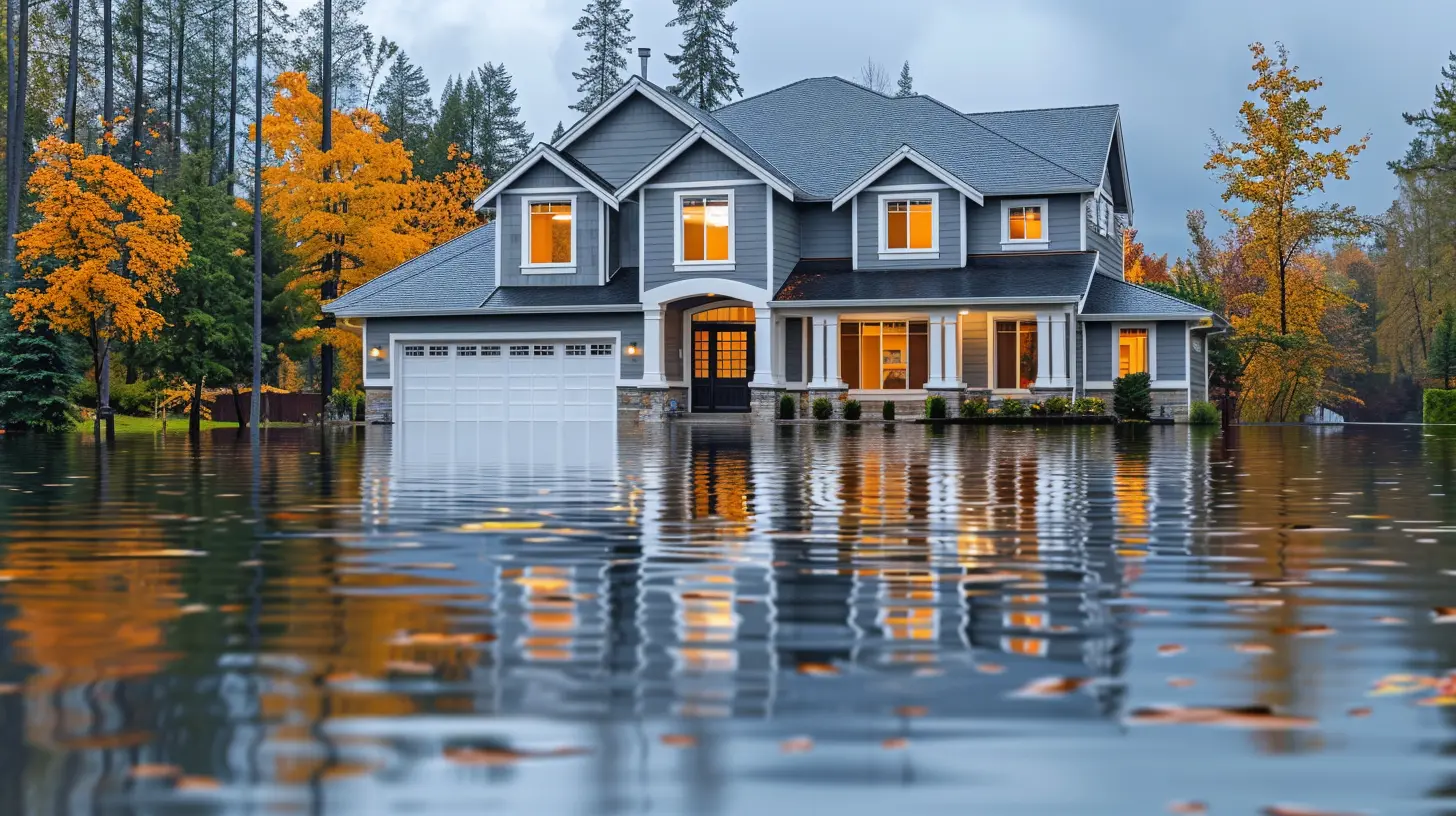
1. Flood Damage—A Rising Concern
Picture this: a heavy downpour, water creeping up your driveway, and before you know it, your basement is an indoor swimming pool. You rush to call your insurance company, only to hear the dreaded words: _“Sorry, but that’s not covered.”_Standard homeowners insurance does not cover flood damage. If you live in a flood-prone area, you’ll need a separate flood insurance policy through the National Flood Insurance Program (NFIP) or a private insurer. Even if you don’t live near a river or coast, flash floods can strike unexpectedly, and without coverage, you could be drowning in repair costs.
What You Can Do:
- Consider purchasing flood insurance if you live in an area with even a moderate risk.- Elevate electrical systems and appliances if your home is prone to basement flooding.

2. Earthquakes, Sinkholes, and Ground Shifts
The earth beneath us feels solid—until it doesn’t. An earthquake rattles your home, causing cracks in the foundation. A sinkhole suddenly swallows part of your yard. You check your policy, and boom—you realize earthquakes and ground movements aren’t included.Most standard policies exclude damage caused by earthquakes, landslides, and sinkholes, though some states require insurance companies to offer separate coverage for them.
What’s Your Move?
- If you live in an earthquake-prone zone (California, we’re looking at you!), investing in a separate earthquake insurance policy could save you from financial ruin.- In states like Florida, where sinkholes are a real threat, additional coverage might be essential.
3. Normal Wear and Tear & Maintenance Issues
Homes age, just like people. Roofs wear out, pipes corrode, and HVAC systems break down. But don’t expect your homeowners insurance to foot the bill for issues caused by neglect or everyday wear and tear.What’s Not Covered?
- Roof leaks from old, deteriorating shingles.- Plumbing problems due to old pipes rusting over time.
- HVAC failures because your system wasn’t regularly maintained.
Insurance is there for the unexpected—fires, theft, storm damage—not for general upkeep. If you don’t take care of your home, your insurance company won’t either.
How to Stay Ahead:
- Keep up with regular maintenance—clean gutters, inspect the roof, and service your HVAC system annually.- Fix minor issues before they turn into major, expensive problems.
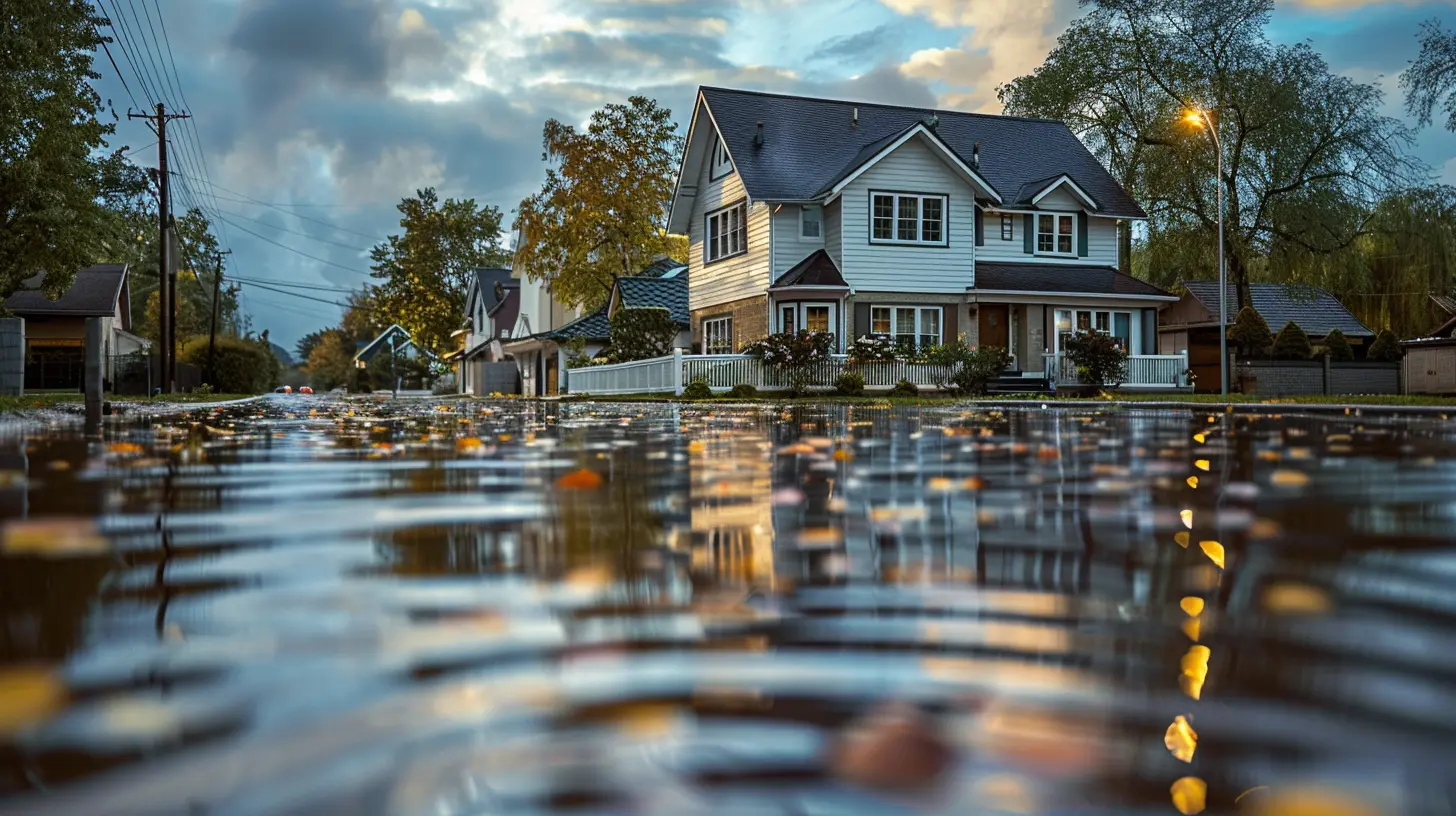
4. Sewer Backups—A Messy Surprise
Imagine waking up to the smell of raw sewage in your basement. A sewer backup can be a homeowner’s nightmare, and guess what? Standard homeowners insurance usually won’t cover the damage.Sewer backups can be caused by heavy rain, aging city sewer systems, or tree roots invading your pipes, and they can lead to thousands of dollars in damage to floors, walls, and furniture.
How to Avoid This Disaster:
- Add a sewer backup endorsement to your policy for extra protection.- Install a backwater valve to prevent sewage from flowing into your home.
5. Mold—A Silent Invader
Mold is like an uninvited guest that overstays its welcome. It creeps into damp corners, spreads through walls, and quietly wreaks havoc on your home and health. Unfortunately, most homeowners insurance policies won’t cover mold damage unless it’s a direct result of a covered event—like water damage from a pipe bursting.If mold develops due to a slow leak, humidity, or poor ventilation, the responsibility (and the cost) falls on you.
Your Best Defense:
- Keep your home well-ventilated and address leaks immediately.- Use dehumidifiers in damp areas to prevent mold growth.
6. High-Value Personal Belongings—Jewelry, Art, and Collectibles
That stunning diamond ring? The rare painting on your wall? The vintage coin collection tucked in your safe? Standard homeowners insurance offers limited coverage for valuables, often capping coverage at a few thousand dollars.If your prized possessions exceed this limit and are lost, stolen, or damaged, you could be left with a fraction of their value.
Protecting Your Treasures:
- Consider a personal articles floater or rider for valuable items.- Keep inventories and appraisals of high-value possessions.
7. Business Equipment & Home-Based Businesses
Running a business from home? Your homeowners insurance might not cover business-related equipment or liability. If a client slips and falls in your home office, or if expensive gear gets stolen, you could face significant losses.Solution:
- Get a home-based business endorsement or a separate business insurance policy.- Keep business and personal assets clearly separated.
8. Certain Dog Breeds & Pet-Related Liabilities
Not all furry friends are treated equally in the eyes of insurance companies. Some providers have breed restrictions, meaning if your dog bites someone, you might not be covered. Breeds commonly blacklisted include Pit Bulls, Rottweilers, and Doberman Pinschers.What You Can Do:
- Check your insurer’s pet policy before adopting a restricted breed.- Consider umbrella liability insurance if your dog is on the excluded list.
9. Acts of War & Nuclear Hazards
This one feels straight out of a dystopian novel, but it’s true—homeowners insurance won’t cover damages caused by acts of war or nuclear incidents. While the chances of these events occurring in everyday life are low, they’re considered way beyond standard risk factors.What Should You Do?
There’s not much the average homeowner can do besides hoping global events stay peaceful. Some high-risk areas, however, may offer limited government-backed coverage for extreme situations.10. Identity Theft & Cyber Crimes
In today’s digital world, cyber threats are just as real as physical ones. While someone breaking into your house is covered, someone breaking into your bank account or stealing your identity isn’t.How to Stay Secure:
- Look into identity theft insurance as an add-on to your homeowners policy.- Use strong passwords, two-factor authentication, and credit monitoring services.
Final Thoughts—Knowing What’s Covered & What’s Not
Homeownership comes with joys and responsibilities, but assuming your insurance policy will cover every disaster is like expecting an umbrella to protect you from a hurricane. It’s essential to read the fine print, ask the right questions, and fill in the gaps with additional coverage where needed.Understanding what homeowners insurance doesn’t cover can save you from heartache, financial strain, and unexpected surprises. Because in the end, your home is more than just a building—it’s where your life happens. And protecting it the right way? Well, that’s just smart planning.
all images in this post were generated using AI tools
Category:
Homeowners InsuranceAuthor:

Kingston Estes
Discussion
rate this article
1 comments
Arlo McVey
It's important to understand the limits of homeowners insurance. Knowing what's not covered can help you prepare for unexpected events...
May 18, 2026 at 3:52 AM
Kingston Estes
Absolutely, being aware of the gaps in coverage allows homeowners to better protect themselves and plan for the future. Good point!