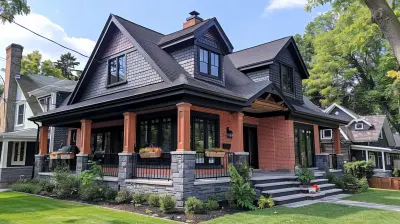
What Does Housing Affordability Look Like in Today's Market?
2 March 2026
Buying a home has always been a major financial milestone, but in today's market, it can feel more like a high-stakes game show—where prices are soaring, interest rates are fluctuating, and the cost of living keeps climbing. So, what does housing affordability really look like right now? Is it still possible to own a home without winning the lottery? Let’s break it down. 
Understanding Housing Affordability
Before we jump into the details, let’s define what “housing affordability” actually means. In simple terms, it refers to whether or not the average person can comfortably afford to buy or rent a home without becoming financially overwhelmed. Typically, affordability is measured by looking at household income, home prices, mortgage rates, and overall living costs.The general rule of thumb is that your housing expenses—whether rent or mortgage—should not exceed 30% of your gross monthly income. But with home prices skyrocketing in many areas, this golden rule is becoming harder to follow. 
The Current State of Housing Affordability
If you’ve been house hunting or even just browsing listings for fun (we all do it!), you’ve probably noticed that home prices are at an all-time high. But why is that? Let’s break it down.1. Home Prices Have Gone Up (A Lot)
Over the past few years, home prices have surged due to increased demand, low housing supply, and rising construction costs. In many cities, what used to be considered an “affordable” home now comes with a six-figure price tag that’s out of reach for many first-time buyers.According to recent data, the median home price in many parts of the U.S. now exceeds $400,000—a stark contrast to just a decade ago. That means buyers either need a higher income, a bigger down payment, or a serious willingness to downsize expectations.
2. Interest Rates Are Rising
Mortgage rates also play a huge role in affordability. For a while, we were spoiled with historically low interest rates (remember those 3% mortgage rates?). But now, interest rates have climbed back up, adding hundreds—or even thousands—of dollars to monthly mortgage payments.For example, a $350,000 home at a 3% interest rate was manageable for many. But now, with rates hovering around 6-7%, that same home costs significantly more per month, making it harder for buyers to qualify or afford their dream home.
3. Wages Haven’t Kept Up
While home prices and mortgage rates have climbed, wages haven’t increased at the same pace. The result? Many potential homebuyers feel like they’re chasing a moving target, with affordability slipping further and further away.In some cities, even with a decent salary, affording a modest home can feel impossible without financial help from family, a second job, or extreme budget sacrifices. 
What About Renting?
If buying a home feels out of reach, renting should be more affordable, right? Not necessarily. Rent prices have also surged, especially in major cities where demand far exceeds supply.In some areas, rental costs are so high that they rival monthly mortgage payments. This forces many renters into a cycle where they can't save enough for a down payment because too much of their income is going toward rent.
The result? A growing number of people are staying in rental properties longer and delaying homeownership until they can afford a home that actually meets their needs. 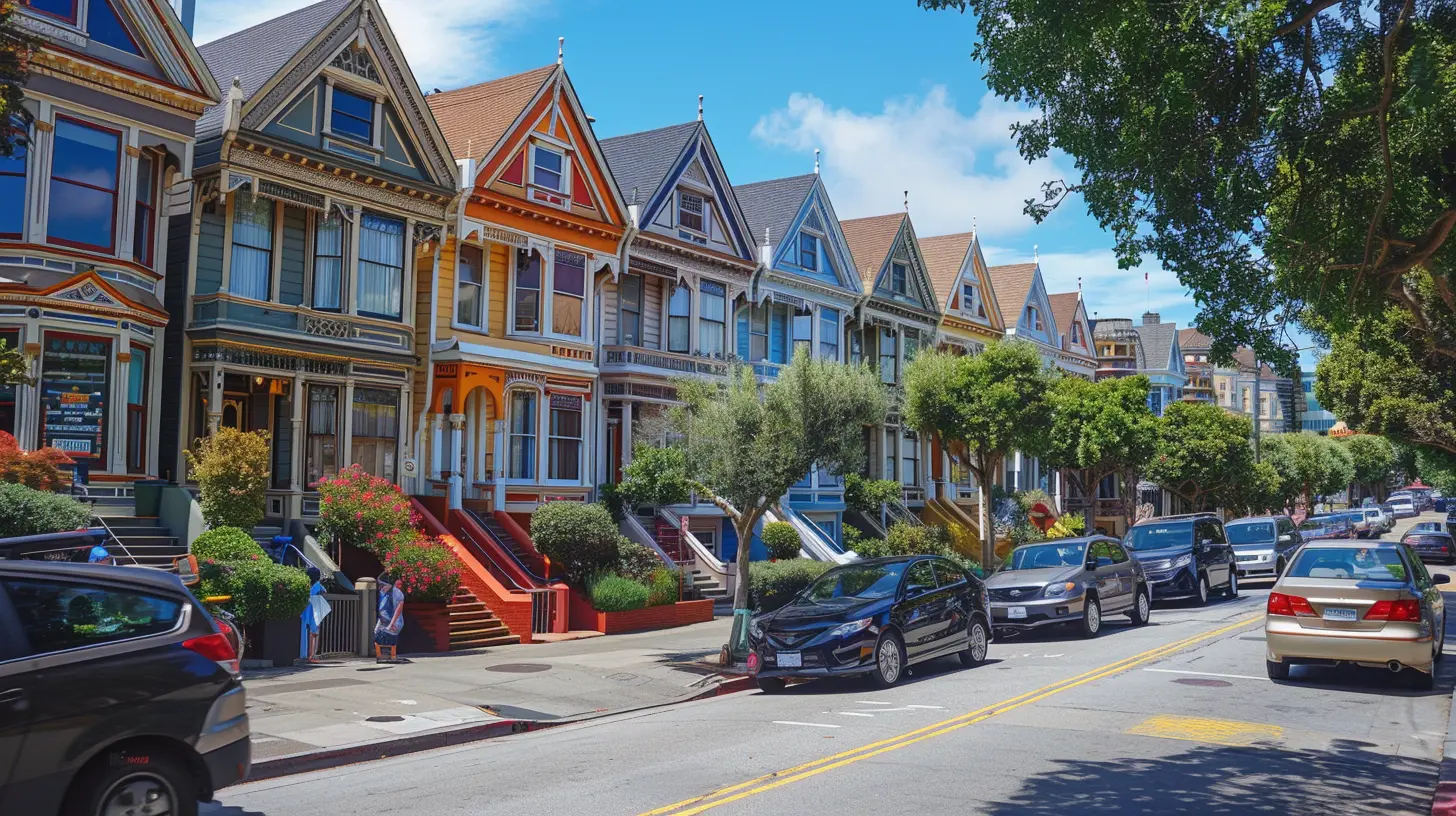
Is Homeownership Still Achievable?
Despite the challenges, buying a home is still possible—but it requires some adjustments to expectations and financial planning. Here’s how some buyers are making it work:1. Getting Creative with Financing
Some buyers are looking at alternative loan options, such as FHA loans, VA loans, or down payment assistance programs. These options can make it easier for first-time buyers to afford a home with a lower initial investment.2. Expanding Their Search Areas
Many buyers are broadening their search to more affordable suburbs, small towns, or even relocating to entirely different states where housing costs are lower.3. Considering “House Hacking”
This trend involves buying a multi-unit property or a home with extra space that can be rented out. Renting a portion of the home can help offset mortgage costs and make homeownership more affordable.4. Waiting for the Right Market Conditions
Some hopeful buyers are choosing to sit tight, save more, and wait for either interest rates to stabilize or home prices to cool off before jumping into the market.Tips for Navigating Today’s Housing Market
If you’re determined to buy a home in today’s market, here are a few tips to help you succeed:✅ Set a Realistic Budget – Factor in not just the mortgage payment but also taxes, insurance, and maintenance costs.
✅ Improve Your Credit Score – A higher score can help you secure a better interest rate on your mortgage.
✅ Save Aggressively for a Down Payment – The more you can put down upfront, the lower your monthly payment will be.
✅ Work with a Knowledgeable Realtor – A good real estate agent can help you find the best deals and guide you through the process.
✅ Stay Flexible – Being open to different locations, home sizes, or even fixer-uppers can increase your chances of finding an affordable home.
Final Thoughts
Housing affordability looks different today than it did just a few years ago. While it’s undeniably tougher to buy a home, it’s not impossible. With the right strategies, a solid plan, and a bit of patience, homeownership can still be within reach.At the end of the day, affordability isn’t just about numbers—it’s about finding a place that feels like home without stretching your finances to the breaking point. So whether you’re buying now or planning for the future, remember: it’s a marathon, not a sprint. Stay optimistic, stay informed, and most importantly, stay focused on what works for you.
all images in this post were generated using AI tools
Category:
Real Estate MarketAuthor:

Kingston Estes
Discussion
rate this article
2 comments
Gunner McGee
Ah, housing affordability in today’s market—it's like spotting a unicorn in a field of rainbows! Who wouldn’t want to shell out half their paycheck for a cozy shoebox with a view of a brick wall? But hey, at least it’s an “affordable” brick wall, right?
March 16, 2026 at 5:15 AM
Kingston Estes
You're spot on! The irony of "affordable" housing is hard to ignore, especially when it often feels like a compromise on space and quality. Thank you for highlighting the absurdity!
Ezra Wells
This article offers a timely insight into the challenges of housing affordability in today's market. It effectively highlights key factors affecting prices and accessibility, making it a valuable read for potential buyers and investors navigating these turbulent economic conditions.
March 3, 2026 at 4:56 AM
Kingston Estes
Thank you for your thoughtful feedback! I'm glad you found the article insightful and relevant to today's housing challenges.