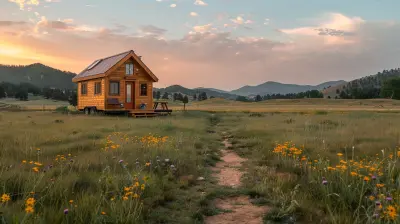
Tiny Homes: The Minimalistic Dream for Simplified Living
29 March 2026
Have you ever felt like your home owns you rather than the other way around? The clutter, the endless upkeep, the skyrocketing utility bills—it all adds up. That’s where tiny homes come in, providing a breath of fresh air for those looking to embrace a simpler, more intentional lifestyle.
Gone are the days when bigger meant better. Today, tiny homes are redefining what it means to live large—without actually living large. This movement is more than just a trend; it’s a revolution in the way we view homeownership, finances, and even freedom.
So, what exactly is the buzz about tiny homes? And why are more and more people ditching their oversized houses for these compact living spaces? Let’s dive in.
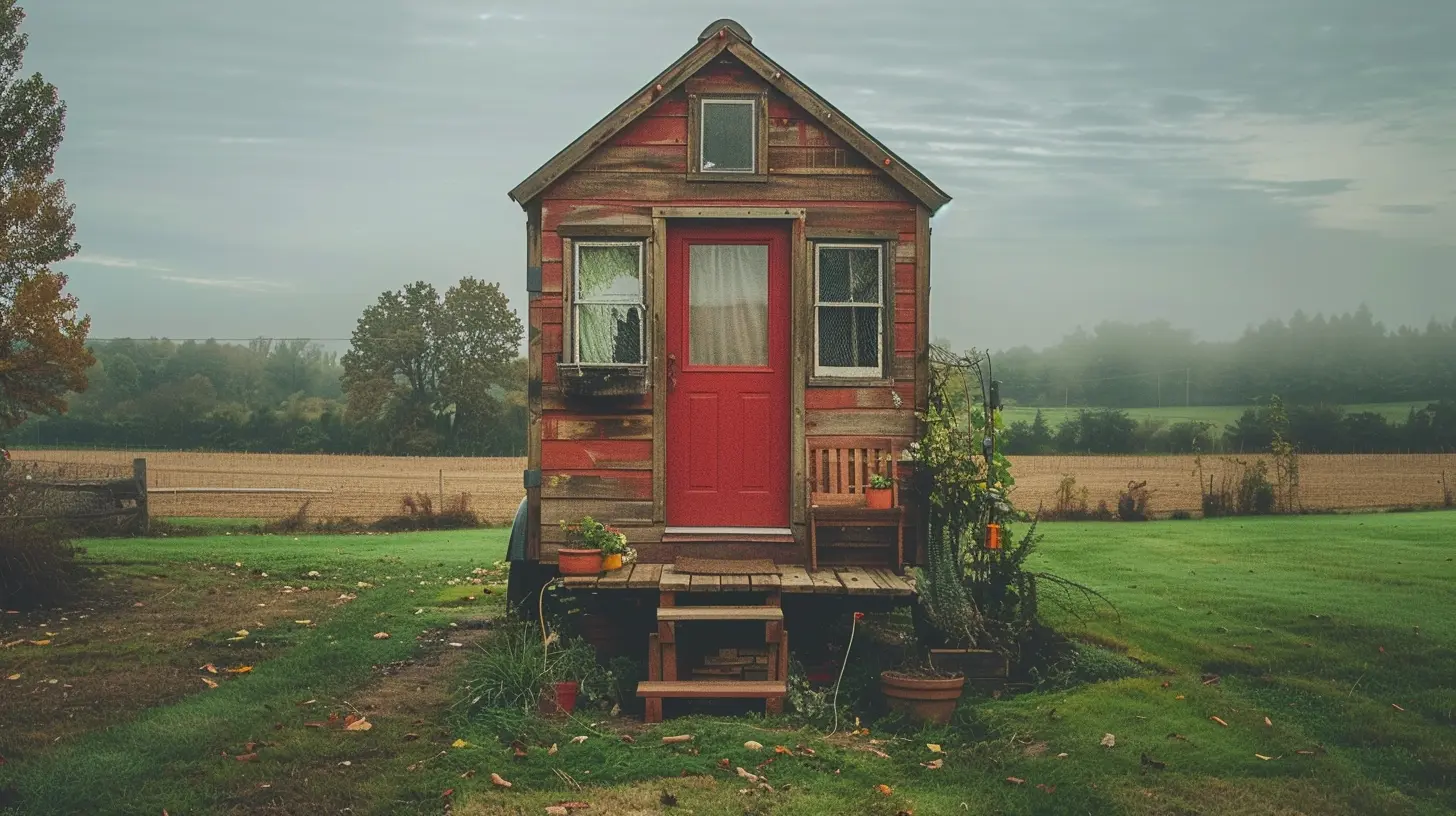
What Is a Tiny Home?
A tiny home is typically a small, fully functional living space ranging from 100 to 500 square feet. Unlike RVs or camper vans, these homes are built to feel like traditional houses, just on a much smaller scale. Some are placed on wheels for mobility, while others are fixed on foundations.Despite their size, tiny homes can include all the essentials—a kitchen, a bathroom, a sleeping area, and even a cozy living space. But what makes them truly special is their ability to provide a simpler, clutter-free lifestyle without sacrificing comfort.
Why Are Tiny Homes So Popular?
Let’s be real—tiny homes aren’t just cute; they’re practical. Here’s why so many people are making the switch:1. Affordability
Housing prices are through the roof, but tiny homes offer a much more budget-friendly alternative. You can own a fully functional, stylish home for a fraction of the cost of a traditional house. Forget about sky-high mortgages—many tiny homeowners buy their homes outright or with minimal financing.2. Lower Cost of Living
Beyond the initial purchase, tiny homes also save you money on property taxes, utility bills, and maintenance expenses. With a smaller space, heating and cooling costs drop significantly. Plus, you won’t be spending money on unnecessary furniture and décor.3. Minimalist Lifestyle
Tiny homes force you to declutter and prioritize what truly matters. Do you really need that collection of souvenir mugs or 12 different throw pillows? Living in a tiny home encourages mindfulness about possessions, making life feel less stressful and more fulfilling.4. Mobility and Freedom
Who says you have to stay stuck in one place? Many tiny homes are built on trailers, allowing homeowners to pack up and move wherever life takes them. Whether it’s the mountains, the beach, or a quiet countryside, your home goes with you.5. Eco-Friendly Living
Smaller spaces mean less energy consumption. Many tiny homes are built with sustainable materials and can even be equipped with solar panels, composting toilets, and rainwater collection systems. It’s a great way to reduce your carbon footprint while still living comfortably.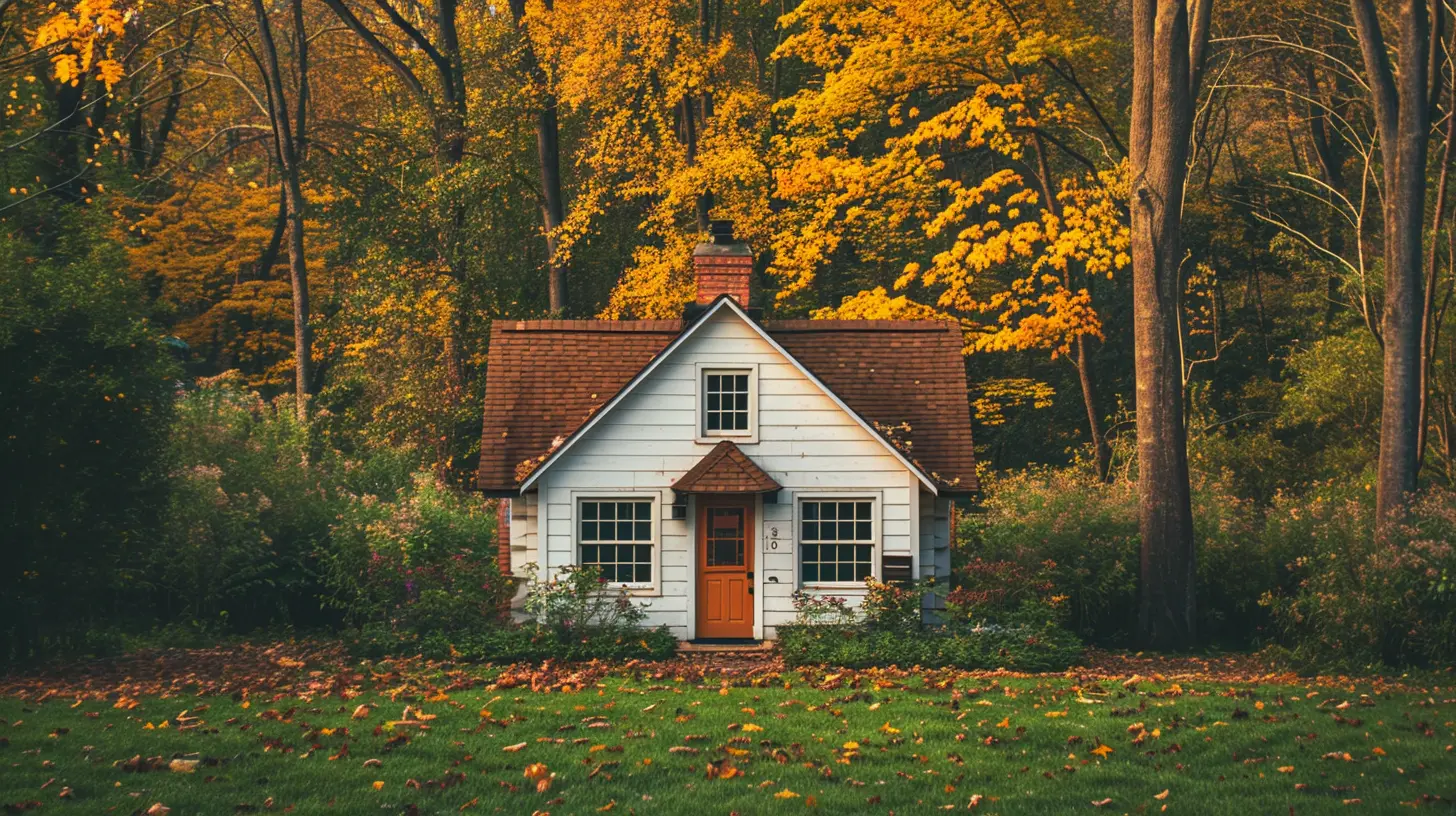
Common Types of Tiny Homes
Not all tiny homes are created equal. Here’s a look at some of the most popular styles:1. Tiny Houses on Wheels (THOWs)
For those who love the idea of mobility, tiny houses on wheels are the go-to option. Built on trailers, these homes can be hitched to a vehicle and moved from one location to another. They’re perfect for adventurers or people who don’t want to be tied to one specific spot.2. Tiny Houses on Foundations
Prefer to stay put? A tiny home on a foundation offers more stability while still keeping things compact and efficient. These homes are built like traditional houses and can be customized to fit the homeowner’s needs.3. Container Homes
Repurposing shipping containers into homes is a trendy and eco-friendly way to go tiny. These sturdy structures are cost-effective and can be designed in various ways, from sleek modern layouts to cozy, rustic vibes.4. Cabin-Style Tiny Homes
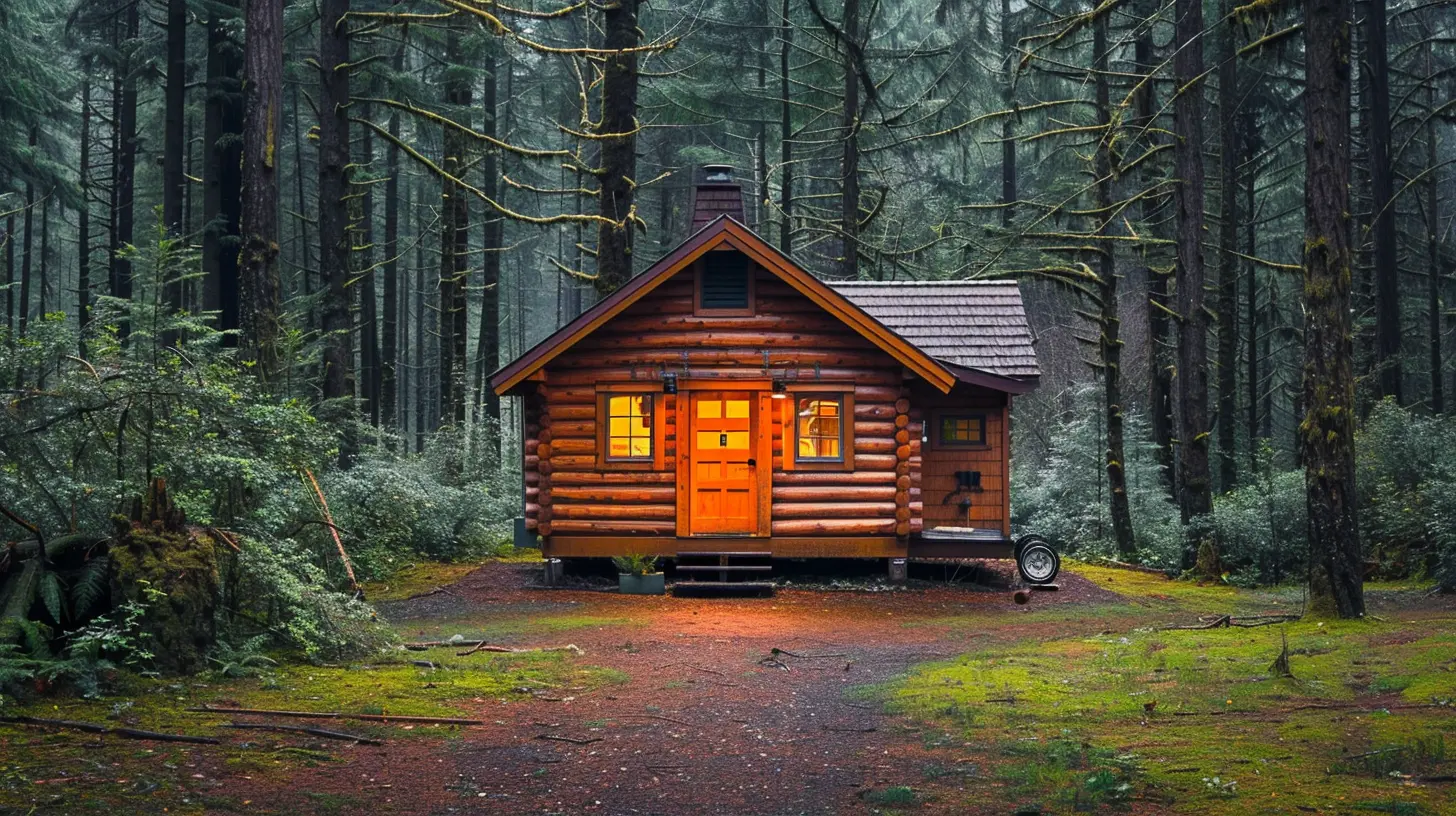
Love the idea of a little log cabin in the woods? Cabin-style tiny homes offer a rustic charm combined with modern minimalism. They’re perfect for those who crave a cozy, nature-inspired retreat.5. Micro Apartments
For city dwellers who want to embrace the tiny home lifestyle without giving up urban conveniences, micro-apartments are the answer. These are ultra-compact apartments designed to maximize every square inch of space.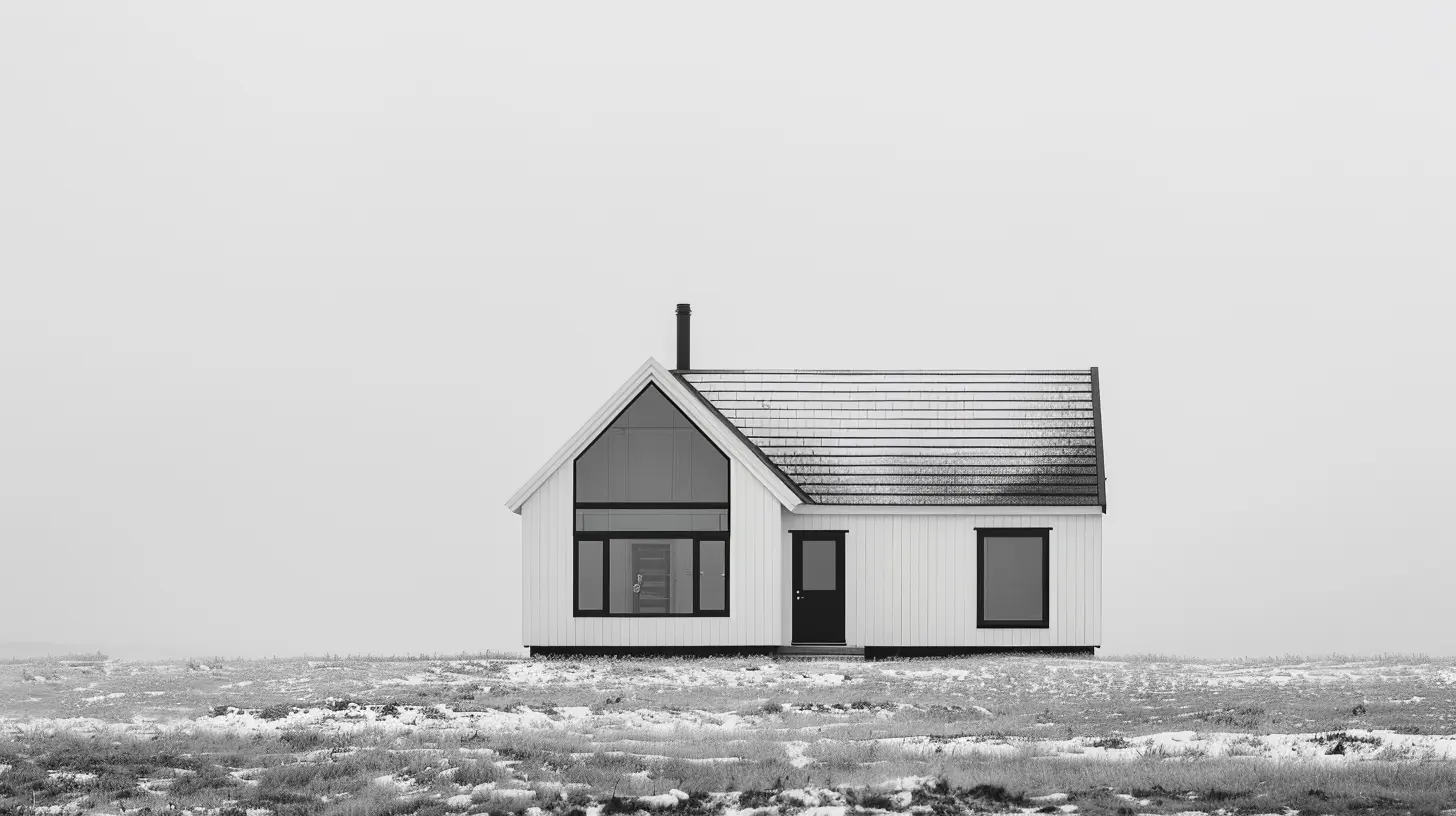
Challenges of Living in a Tiny Home
Tiny homes have a lot of perks, but let’s not pretend they’re perfect. Here are some challenges to consider:1. Limited Space
Living in a small space means you have to be extremely organized. Everything needs a designated spot, and clutter can quickly spiral out of control if you’re not careful.2. Zoning Laws and Regulations
Not all cities and towns welcome tiny homes. Some areas have strict zoning laws and building codes that make it difficult to legally park or place a tiny house. Always check local regulations before making the move.3. Downsizing Can Be Tough
Parting with sentimental items and extra belongings can be emotionally challenging. Going tiny requires a major mindset shift—one where you trade excess for simplicity.How to Transition to Tiny Living
If the tiny home lifestyle sounds appealing but intimidating, don’t worry—it’s all about preparation. Here are some steps to ease into it:1. Start Decluttering Now
You don’t have to wait until you move into a tiny home to start downsizing. Go through your belongings and donate, sell, or recycle anything you don’t use or truly need.2. Practice Small-Space Living
Try living in a small section of your current home to get a feel for what tiny living is like. Rent a tiny home for a weekend or stay in a compact Airbnb to test the waters.3. Plan Every Inch of Space
Storage is key in a tiny home. Look for multi-functional furniture (like beds with built-in drawers or foldable tables) and get creative with vertical space.4. Consider Off-Grid Options
If you’re interested in a more self-sufficient lifestyle, look into solar panels, rainwater collection, and composting toilets. These features can help you live comfortably without relying on traditional utilities.5. Choose the Right Location
Whether you want a mobile tiny home or a permanent setup, location is everything. Research places that are tiny-home friendly and offer the lifestyle you’re looking for.
Is a Tiny Home Right for You?
At the end of the day, tiny homes aren’t for everyone. If you love the idea of simplicity, financial freedom, and sustainability, it could be the perfect fit. But if you can’t imagine giving up your walk-in closet or full-size kitchen, you might struggle to adjust.The key is to understand your priorities and what truly makes you happy. If owning less and living more sounds like a dream come true, a tiny home might just be your perfect match.
all images in this post were generated using AI tools
Category:
Tiny HomesAuthor:

Kingston Estes
Discussion
rate this article
2 comments
Faryn McCloud
Great insights on tiny homes! They truly embody minimalism and provide an inspiring alternative for simplified living. Thank you!
April 8, 2026 at 12:51 PM
Kingston Estes
Thank you for your kind words! I'm glad you found the insights helpful. Tiny homes really do offer a fresh perspective on living simply.
Tilly Perez
This article beautifully captures the essence of tiny homes. Embracing minimalism not only simplifies life but fosters a deeper connection with what truly matters. Thank you for sharing!
April 5, 2026 at 10:26 AM
Kingston Estes
Thank you so much for your kind words! I'm glad the article resonated with you. Embracing minimalism truly can transform our lives.