How Revitalized Districts Are Creating New Urban Hubs
26 October 2026
Cities rarely grow by simply expanding outward. More often, they renew themselves from within, turning neglected industrial corridors, dormant waterfronts, and aging commercial blocks into the mixed-use districts that anchor modern urban life. This process, often called district revitalization, has become one of the most consequential forces in real estate. It reshapes property values, changes how people live and work, and determines which neighborhoods will thrive over the next several decades.
But revitalization is not a single act. It is a long, capital-intensive, politically sensitive process with a high failure rate. Plenty of cities have poured money into districts that never attracted the residents, businesses, or foot traffic they promised. Understanding why some revitalized districts become genuine urban hubs while others remain expensive empty stages is essential for developers, investors, planners, and anyone making decisions about urban property.
This article breaks down how revitalized districts actually create new urban hubs, what separates success from failure, and what to weigh before committing capital or policy to a revitalization effort.

What Makes a Revitalized District a True Urban Hub
A revitalized district is an area that has undergone deliberate physical, economic, and social renewal after a period of decline or underuse. An urban hub is something more specific: a place that draws people from beyond its own boundaries on a regular basis because it concentrates employment, culture, services, and public life in a walkable footprint.The distinction matters. A district can be revitalized in a cosmetic sense, with new facades and repaved sidewalks, without ever becoming a hub. Hubs share a few recognizable traits:
- Gravity. People arrive from other neighborhoods and even other cities, not just from the immediate blocks.
- Mixed use at close range. Housing, offices, retail, food, and civic space sit within a short walk of each other, so the district stays active across the day and evening.
- Transit or strong access. Hubs almost always sit on a transit node, a major road network, or a waterfront with regional draw.
- A sense of place. There is something specific to experience, whether architecture, a market, a cultural institution, or a streetscape that cannot be replicated elsewhere.
- Continuous management. Someone is responsible for programming, maintenance, and coordination long after the ribbon cutting.
When a revitalization effort produces all five, the district begins to function as a hub. When it produces only the first three, it often becomes a place people pass through rather than a place they seek out.
The Economic Logic Behind District Revitalization
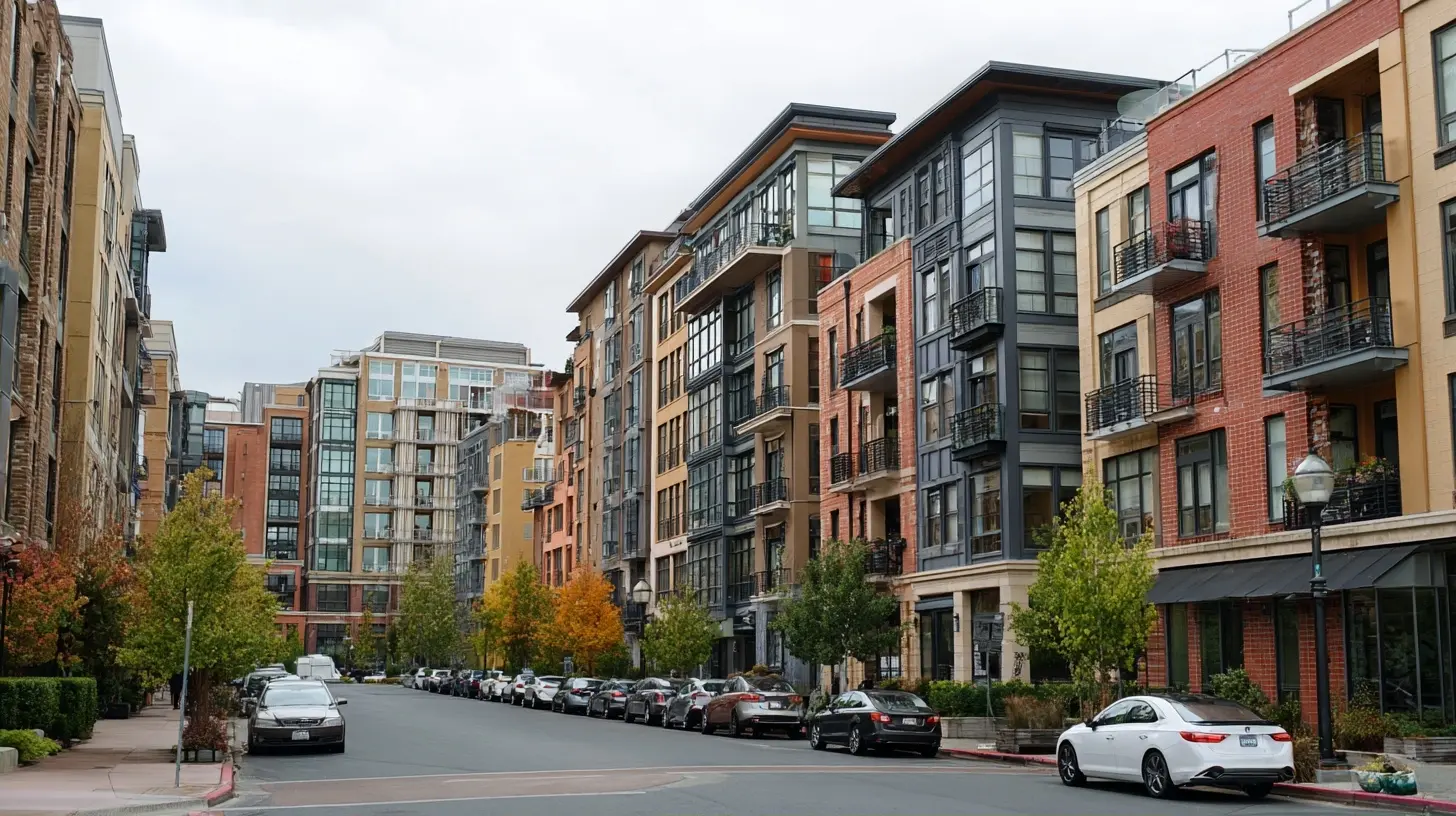
Why do cities and investors pursue revitalization in the first place? The core reason is that mature districts already contain enormous sunk value in infrastructure, buildings, and street networks. Reusing that value is usually cheaper and faster than building a new hub from scratch on greenfield land.Consider a decommissioned rail yard or a warehouse district. Roads, water, sewer, and power already exist. The buildings may be structurally sound, even if functionally obsolete. The location is often close to the city center because the industrial activity that once occupied it needed proximity to ports, rail, or labor. Redeveloping that land captures location value that would take decades to recreate elsewhere.
There is also a fiscal argument. Cities that already carry the cost of maintaining roads, pipes, and services in an underused district get little return on that spending. Revitalization increases the tax base and spreads infrastructure costs over more activity. For municipal governments, this is often the strongest motivation, even when private developers are the ones doing the building.
The trade-off is complexity. Greenfield development starts with a blank site. Revitalization starts with contaminated soil, fragmented ownership, aging utilities, existing tenants, and a community that remembers what the district used to be. The economic upside is real, but so is the execution risk.
The Ingredients That Separate Success From Failure
After decades of urban renewal experiments, clear patterns have emerged. Districts that become hubs tend to share certain fundamentals, and districts that stall tend to lack them.Anchor Institutions and Destination Uses
People need a reason to go somewhere new. Anchor uses, such as a university campus, hospital, museum, transit station, or major employer, provide that reason. They generate steady foot traffic that supports the smaller businesses around them.The key insight is that anchors work best when they are porous. A hospital surrounded by parking lots and fences generates traffic but not street life. A university that opens its ground floor to cafes, galleries, and public spaces feeds the district around it. Developers should ask not just whether an anchor exists, but whether it connects to the street.
A Critical Mass of Housing
Retail and services need customers within walking distance, and the most reliable customers are residents. Districts that add housing early tend to stabilize faster than those that lead with commercial space. This is one of the most common mistakes in revitalization: building retail first and hoping residents follow.Housing also creates the evening and weekend activity that makes a district feel alive. A district with offices only empties at six in the evening. Add housing, and the same streets support restaurants, gyms, and shops after hours.
Transit and Walkability
Hubs are places where people can arrive without a car and move around comfortably on foot. This is not a matter of ideology but of geometry. A district designed around parking garages and wide arterial roads spreads activity too thin to feel like a hub. A district with narrow blocks, frequent crossings, and transit access concentrates activity.Transit investment is often the single largest public lever. A new station can shift a district's prospects dramatically, but only if the surrounding land use allows density. A station surrounded by low-density parking will not produce a hub.
Public Space as Infrastructure
Plazas, parks, waterfront promenades, and pedestrian streets are not decoration. They are the connective tissue that lets a district host events, support outdoor dining, and give people a reason to linger. Successful districts treat public space as a primary investment, not an afterthought once the buildings are finished.Management and Programming
Buildings alone do not create activity. Someone has to run events, coordinate tenants, maintain cleanliness, and adapt as the district evolves. Business improvement districts, public-private partnerships, and dedicated place management organizations fill this role. Districts without sustained management often plateau after the initial wave of investment.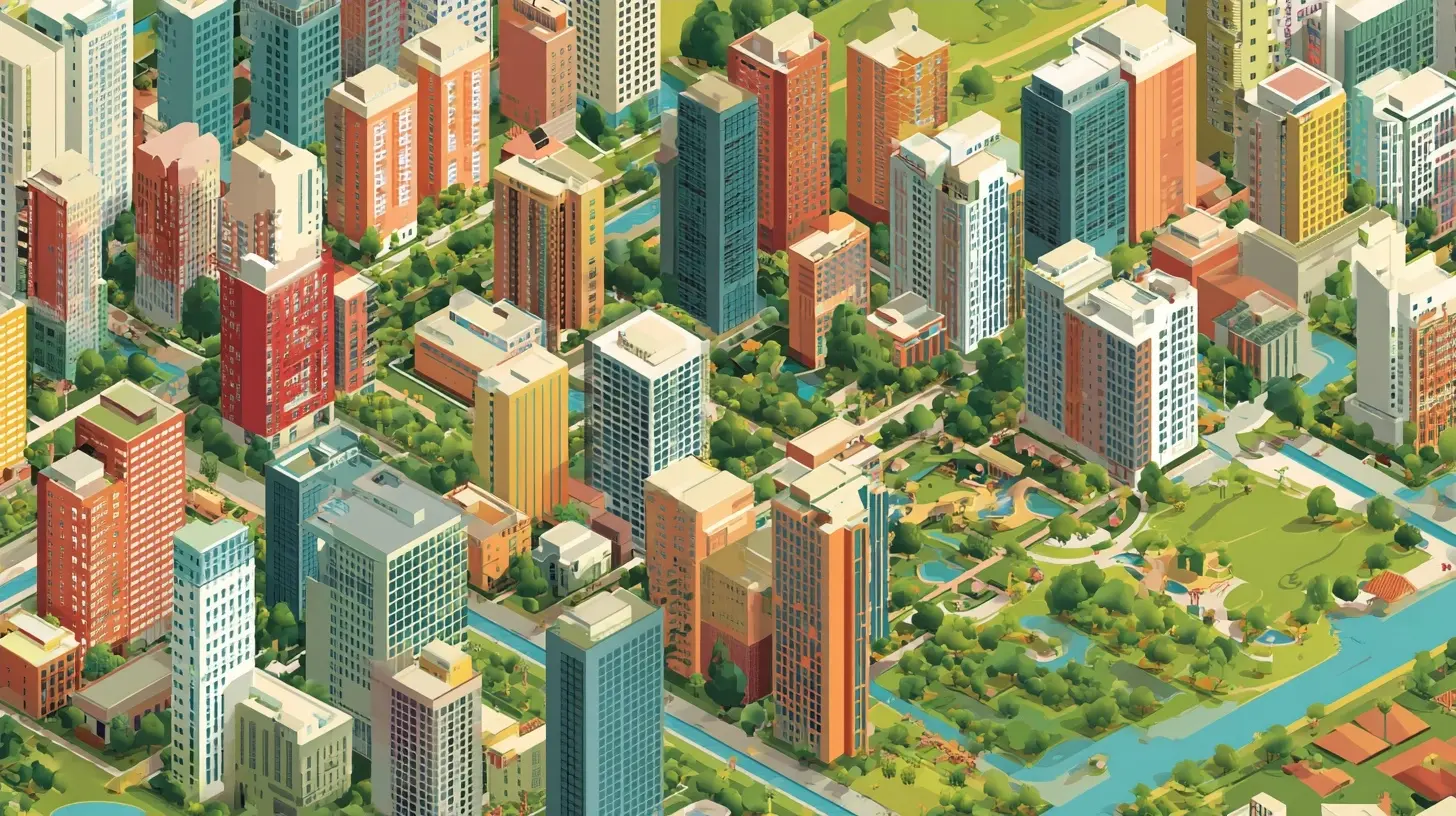
Real-World Patterns: How Different Districts Find Their Identity
Revitalized districts succeed in different ways depending on their history, geography, and existing assets. A few broad patterns are worth understanding because they carry different risk profiles and investment implications.Industrial and Warehouse Conversions
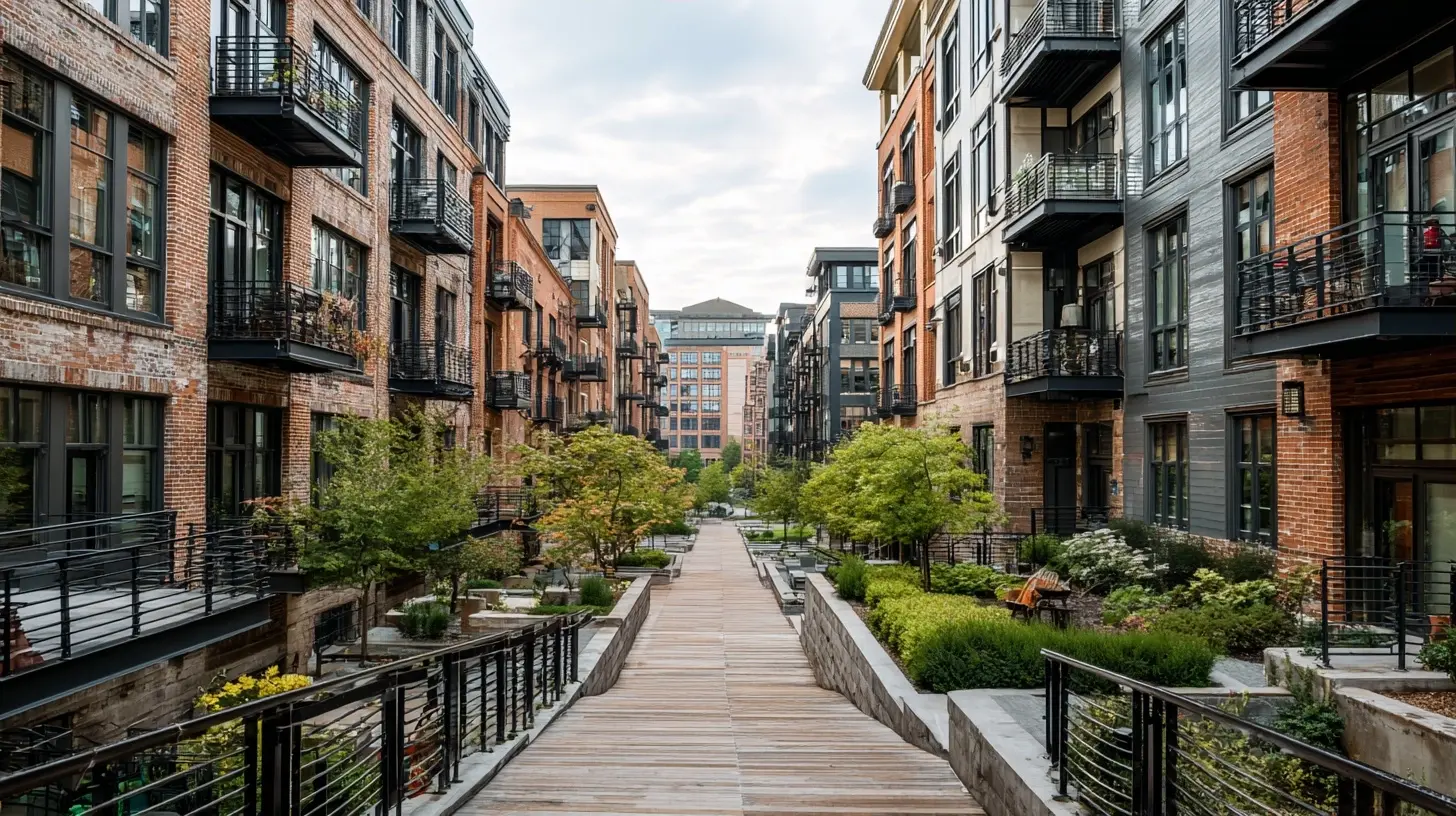
Former factories, warehouses, and rail yards offer large floor plates, distinctive architecture, and central locations. Converting them into lofts, offices, and markets has become a familiar formula. The advantage is character: heavy timber, brick, and industrial windows create spaces that new construction struggles to match. The disadvantage is cost. Structural upgrades, environmental remediation, and code compliance can push conversion costs above new build in some markets.These districts work best when they retain a genuine employment or maker component. Districts that become purely residential lose the daytime activity that made them interesting. Keeping light manufacturing, studios, or food production alongside housing creates a more balanced place.
Waterfront Regeneration
Ports and industrial waterfronts that relocate or shrink leave behind some of the most valuable land in any city. Waterfront districts benefit from views, open space, and a natural destination quality. They also face unique constraints: flood risk, environmental contamination, and often poor road and transit connections because the land was designed for freight, not people.Waterfront projects tend to be long and capital heavy. They work when public space leads the way, creating a destination before the private buildings are complete. They struggle when they become walled compounds of luxury towers disconnected from the rest of the city.
Transit-Oriented Districts
Districts built or rebuilt around a major transit station concentrate activity by design. The logic is straightforward: put density where access is highest. These districts can become hubs quickly because they inherit regional connectivity from day one.The risk is that transit-oriented development can become generic. If every station district has the same chain retail and identical apartment buildings, none of them develops a distinct identity. The most successful examples preserve local street patterns, incorporate existing businesses, and vary building types.
Cultural and Creative Quarters
Some districts revitalize around arts, music, food, or heritage. Cultural quarters can generate strong identity and tourism, but they are fragile. Artists and small venues often pioneer a district and then get priced out as it succeeds. Without deliberate protection, such as affordable workspace or long-term leases for cultural tenants, the very scene that created the district's appeal can disappear.The Role of Public Policy and Incentives
Government policy shapes revitalization more than most market participants acknowledge. Zoning determines what can be built. Infrastructure spending determines what is accessible. Tax incentives determine what is financially feasible.The most effective public interventions tend to be those that reduce uncertainty rather than those that simply subsidize construction. Upzoning a corridor, committing to a transit line, or cleaning up contaminated land removes barriers that would otherwise stall private investment. Direct subsidies can help, but they work best when tied to clear public outcomes such as affordable housing, public space, or ground-floor activation.
A common mistake is over-reliance on tax abatements that reward any development regardless of quality. These can produce buildings that do not contribute to street life or long-term district health. Performance-based incentives, which reward specific outcomes like affordable units, public amenities, or job creation, tend to produce better results.
Cities should also consider the sequencing problem. Public investment early in a district's life signals commitment and reduces risk for private developers. But public money spent too early, before a coherent plan exists, can be wasted on infrastructure that does not match eventual demand.
Common Mistakes and Misconceptions
Revitalization attracts strong opinions and plenty of myths. A few of the most damaging misconceptions deserve direct attention.Myth: New buildings alone revive a district. Physical renewal is necessary but not sufficient. Without programming, management, and a mix of uses, new buildings can sit empty or fail to generate street life.
Myth: Revitalization always means displacement. Displacement is a real risk, especially in districts with low-income residents and limited housing supply. But it is not inevitable. Policies such as inclusionary zoning, community land trusts, and protections for existing small businesses can preserve diversity. The outcome depends on choices, not fate.
Myth: Bigger projects are better. Mega-projects capture attention but often take so long that they miss the market. Phased, incremental development lets a district adapt as demand evolves and reduces the risk of a single failed anchor dragging down the whole effort.
Mistake: Ignoring existing businesses and residents. Districts have incumbent communities. Revitalization that displaces or alienates them loses local knowledge, social networks, and authenticity. Successful projects often work with existing businesses, helping them upgrade and stay rather than replacing them.
Mistake: Overbuilding retail. Retail follows rooftops, not the other way around. Districts that build large amounts of retail before housing is occupied often end up with vacant storefronts that undermine confidence in the whole project.
Mistake: Treating public space as a cost. Cutting public space to save money often backfires. The district loses the amenity that attracts residents and visitors, and the remaining buildings are harder to lease.
What Investors and Developers Should Evaluate Before Committing
For anyone considering investment in a revitalizing district, a structured evaluation helps separate genuine opportunity from hype. The following questions are a practical starting point.What is the anchor, and is it durable? A single employer can leave. A university, hospital, or transit station is more stable. Understand what draws people and how resilient that draw is.
Who controls the land, and how fragmented is ownership? Assembling multiple parcels takes time and money. Fragmented ownership can slow a district for years. A dominant landowner or a coordinated public agency can move faster.
What is the infrastructure capacity? Aging water, sewer, and power systems can require expensive upgrades. Check capacity before assuming a site can support the planned density.
What is the approval risk? Entitlement timelines vary enormously. A district with clear zoning and political support is a very different proposition from one requiring discretionary approvals.
Who will manage the district after completion? Place management, maintenance, and programming determine whether a district sustains its momentum. Understand who is responsible and how it is funded.
What is the phasing plan? Early phases should create visible activity and prove the concept. Later phases can build on that success. A plan that depends on everything being built at once is fragile.
The Social Dimension: Who Benefits From Revitalization
Revitalization is never purely technical. It redistributes opportunity, and the distribution is rarely neutral. Districts that become hubs attract investment, which raises rents and property values. Existing residents and businesses may benefit from improved services and amenities, or they may be pushed out.The most thoughtful revitalization efforts address this directly. Community benefits agreements, inclusionary housing requirements, small business support programs, and dedicated affordable workspace can spread the gains more broadly. These tools add cost and complexity, but they also reduce political risk and build the local support that long projects need.
There is also a practical argument. Districts that preserve a mix of incomes and business types tend to be more resilient and more interesting than those that become uniformly upscale. Diversity of use and user is part of what makes a hub worth visiting.
How to Tell Whether a District Is on Track
Once a revitalization effort is underway, stakeholders need signals to judge progress. A few indicators are more telling than headline investment figures.- Ground-floor occupancy. Are street-level spaces filled with active uses? Vacant ground floors signal weak demand regardless of how many cranes are visible.
- Time-of-day activity. Does the district have life in the morning, afternoon, and evening? Single-peak activity suggests an incomplete mix.
- Origin of visitors. Are people coming from outside the district? A hub draws from a wider catchment.
- Business survival rates. Are independent businesses lasting, or is there constant churn? High turnover suggests the district is not yet supporting its tenants.
- Public space use. Are plazas and parks actually occupied? Empty public space is a warning sign.
- Resident satisfaction. Do people who live there feel positive about the changes? Local sentiment affects long-term stability.
None of these indicators is decisive alone, but together they give a realistic picture of whether a district is becoming a hub or merely receiving investment.
Conclusion
Revitalized districts become urban hubs when physical renewal is matched by anchors, housing, access, public space, and sustained management. The process is slow, capital intensive, and politically delicate, but the payoff is a district that generates lasting economic and social value.The most important lesson is that revitalization is a system, not a project. Buildings matter, but so do the spaces between them, the people who use them, and the organizations that keep them active. Investors who understand this system, and policymakers who design for it, are far more likely to create places that endure rather than districts that shine briefly and then fade.
all images in this post were generated using AI tools
Category:
Neighborhood GuidesAuthor:

Kingston Estes