Tiny Homes as Vacation Rentals: A Guide to Earning Passive Income
30 May 2026
Tiny homes are taking the vacation rental market by storm. More and more travelers are looking for unique, affordable, and minimalist stays, making tiny homes an attractive option for short-term rentals. Not only do they offer a cozy retreat for guests, but they also provide property owners with a great way to earn passive income.
But is investing in a tiny home for vacation rentals really a good move? How do you get started, and what should you consider before taking the plunge? This guide breaks it all down, from the benefits and challenges to practical tips for success. 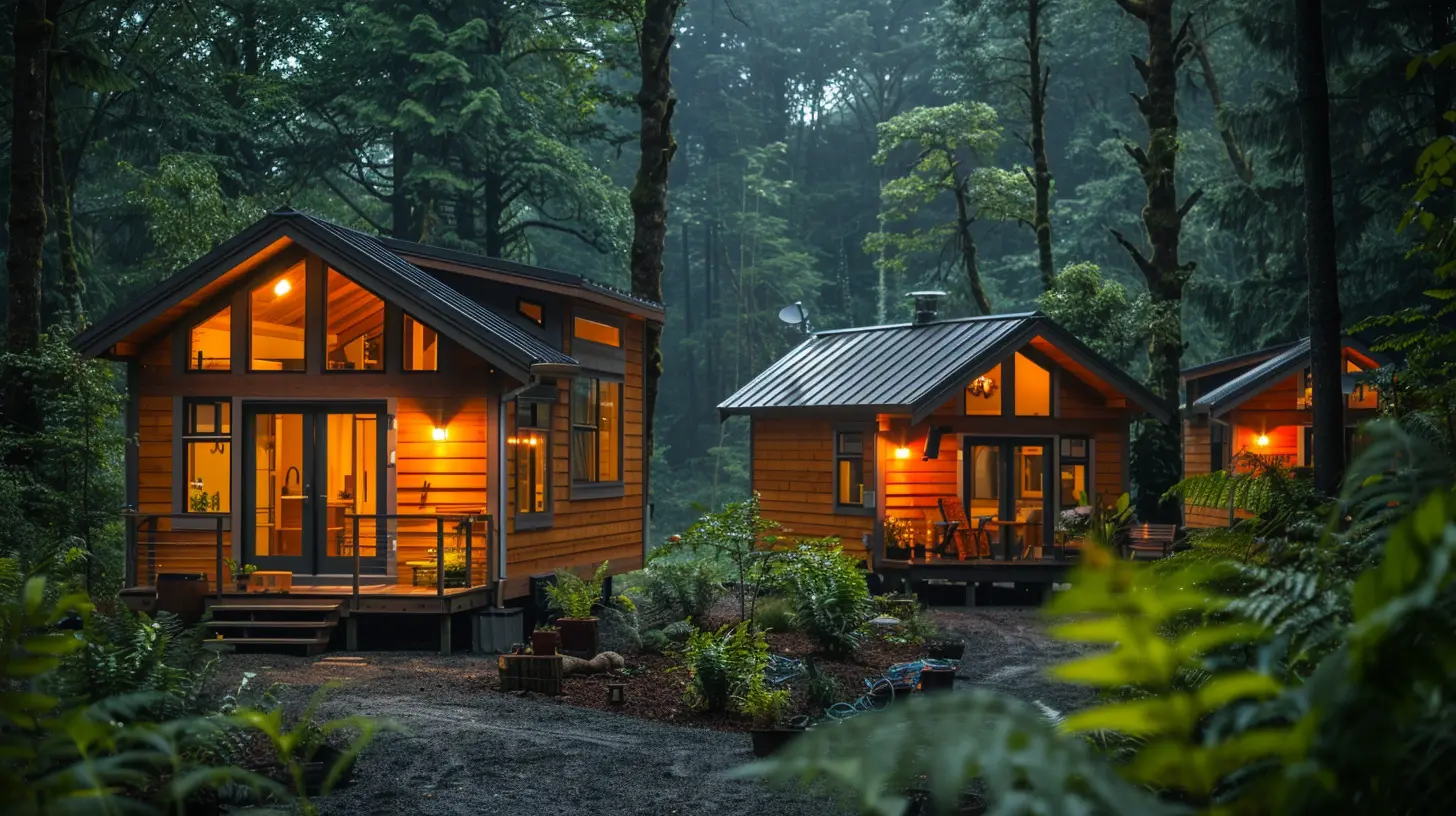
Why Tiny Homes Make Great Vacation Rentals
Before diving into the details, let’s talk about why tiny homes are a great investment for vacation rentals.1. Lower Upfront Costs
Compared to buying or building a traditional home, tiny homes are significantly more affordable. You can set one up for anywhere between $30,000 to $150,000, depending on location, size, and amenities. This makes it an appealing option for those wanting to get into the short-term rental market without spending a fortune.2. High Demand for Unique Stays
People love unique experiences when they travel. Hotels are predictable, but a tiny home offers something special—coziness, charm, and sometimes an off-the-grid or nature-surrounded vibe. These features make tiny homes highly attractive for platforms like Airbnb and Vrbo.3. Low Maintenance & Operating Costs
Since tiny homes are small, they require less cleaning, lower utility expenses, and fewer ongoing maintenance issues. This helps maximize profits while minimizing effort.4. Eco-Friendly and Sustainable
Many tiny homes are designed to be energy-efficient and eco-friendly. Guests who prioritize sustainability often seek out these accommodations, making tiny homes a great way to attract conscious travelers.5. Flexibility in Location
Tiny homes can be placed in various settings—rural areas, mountains, near lakes, or even in your backyard. If one location isn’t working out, some tiny homes are mobile, allowing you to relocate and find better demand.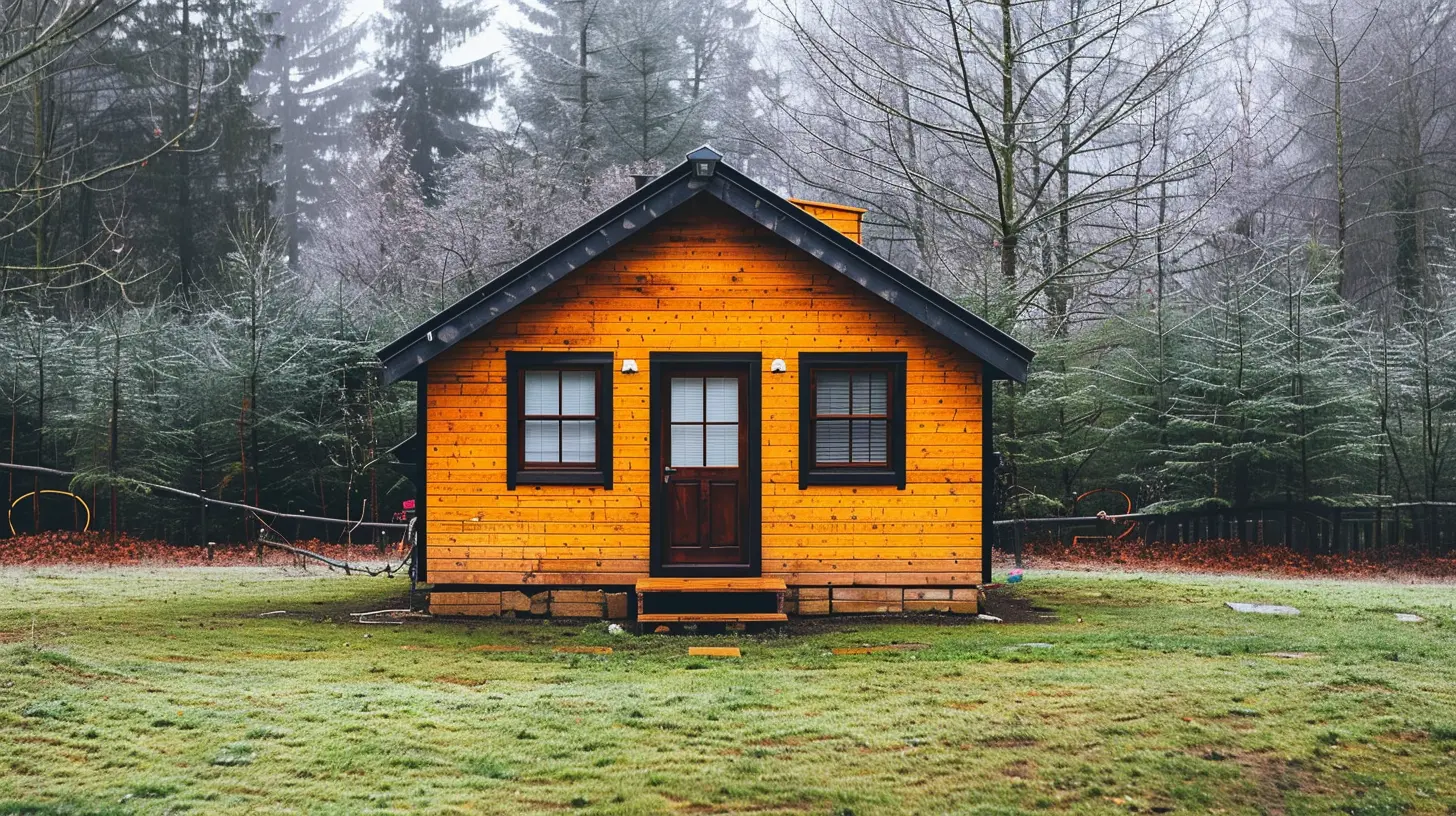
Challenges of Renting Out a Tiny Home
Of course, no investment is perfect. While tiny homes offer many advantages, there are also some hurdles to consider.1. Zoning and Legal Restrictions
One of the biggest issues with tiny homes is zoning laws and local regulations. Some areas have strict codes that limit where you can place a tiny home or whether you can rent it out. Always check with local authorities before making a purchase.2. Seasonal Demand
Depending on your location, your tiny home may see fluctuating demand. A mountain cabin might be great in the winter, but during the offseason, bookings could drop. Proper planning and marketing can help mitigate this issue.3. Limited Space May Not Be for Everyone
While many people love the idea of minimalism, some guests might find tiny homes too small for comfort, especially if they’re traveling with family or staying for extended periods. Ensuring your tiny rental is well-designed with smart storage and functionality can help.4. Initial Investment in Quality Infrastructure
If your tiny home is located somewhere remote, you may need to invest in off-grid utilities like solar panels, water collection systems, or composting toilets. While this can attract eco-conscious travelers, it does require an upfront investment.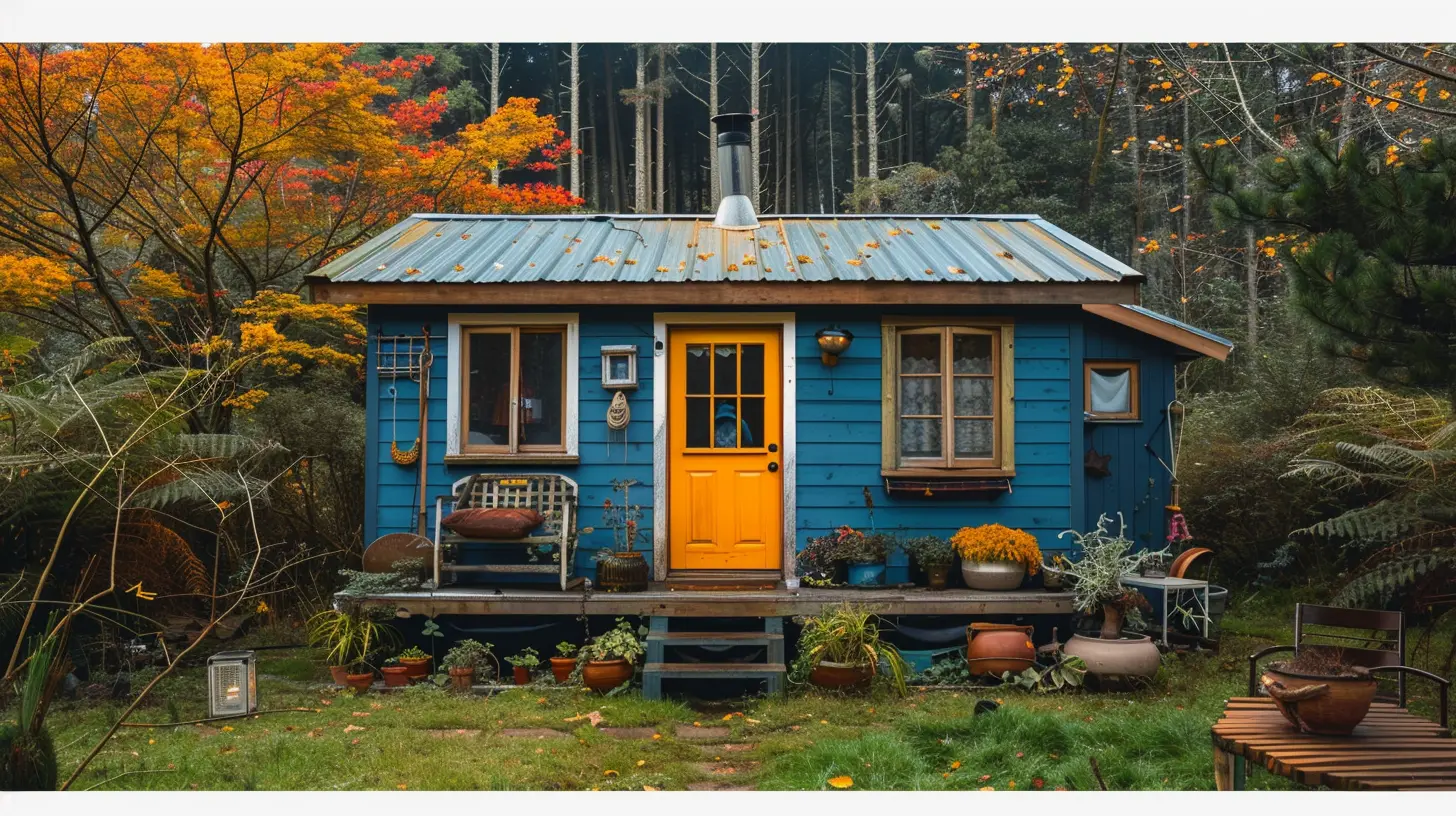
How to Get Started with a Tiny Home Vacation Rental
If you’re convinced a tiny home rental is the right move, here’s how to get started.1. Choose the Right Location
Finding the perfect location is crucial. Ideally, your tiny home should be somewhere peaceful, scenic, and easily accessible. Look for areas that attract vacationers—think mountains, forests, beaches, or locations near national parks.2. Decide on a Stationary or Mobile Tiny Home
Some tiny homes are built on foundations, while others are on wheels. If you want the flexibility to move your rental, a mobile tiny home might be the better choice. However, stationary homes often feel more stable and permanent.3. Design for Comfort and Functionality
A well-designed tiny home can feel much bigger than it actually is. Think about built-in storage, multi-functional furniture, cozy aesthetics, and high-quality materials. Guests will appreciate thoughtful design touches like:- Lofted beds to maximize space
- Foldable or hidden furniture
- Large windows for a spacious feel
- Outdoor spaces like patios or fire pits
4. Ensure Proper Utilities and Amenities
Nobody wants to stay somewhere without basic necessities. Whether you’re on-grid or off-grid, make sure your tiny home has:✔ Reliable electricity and water supply
✔ Well-functioning heating and cooling systems
✔ A fully-equipped kitchenette
✔ A bathroom with proper plumbing or a composting toilet
5. Furnish and Decorate for Maximum Appeal
Think about what kind of vibe you want your tiny home to offer. Cozy rustic cabin? Modern minimalist retreat? Luxury tiny escape? Whatever you choose, keep it stylish yet functional. High-quality linens, warm lighting, and unique decor pieces can make a big difference.6. List Your Tiny Home on Rental Platforms
Once everything is set up, it’s time to start making money! Platforms like Airbnb, Vrbo, and Booking.com are great places to list your tiny home. Make sure to:- Write an engaging, detailed listing description
- Take high-quality photos (natural lighting works best!)
- Set competitive, yet profitable pricing
- Highlight unique features that make your rental stand out
7. Market Your Tiny Home Rental
Don’t just rely on rental platforms to get bookings. Use social media, create a website, and encourage guests to leave reviews. Some additional marketing tips:- Use Instagram and Pinterest to showcase your tiny home’s aesthetics
- Offer discounts for early bookings or referrals
- Connect with travel influencers or bloggers for promotions
8. Deliver a Great Guest Experience
A good guest experience leads to positive reviews and repeat bookings. Make sure check-in is smooth, the space feels welcoming, and communication with guests is top-notch. A small welcome basket or a handwritten note can go a long way in making guests feel special.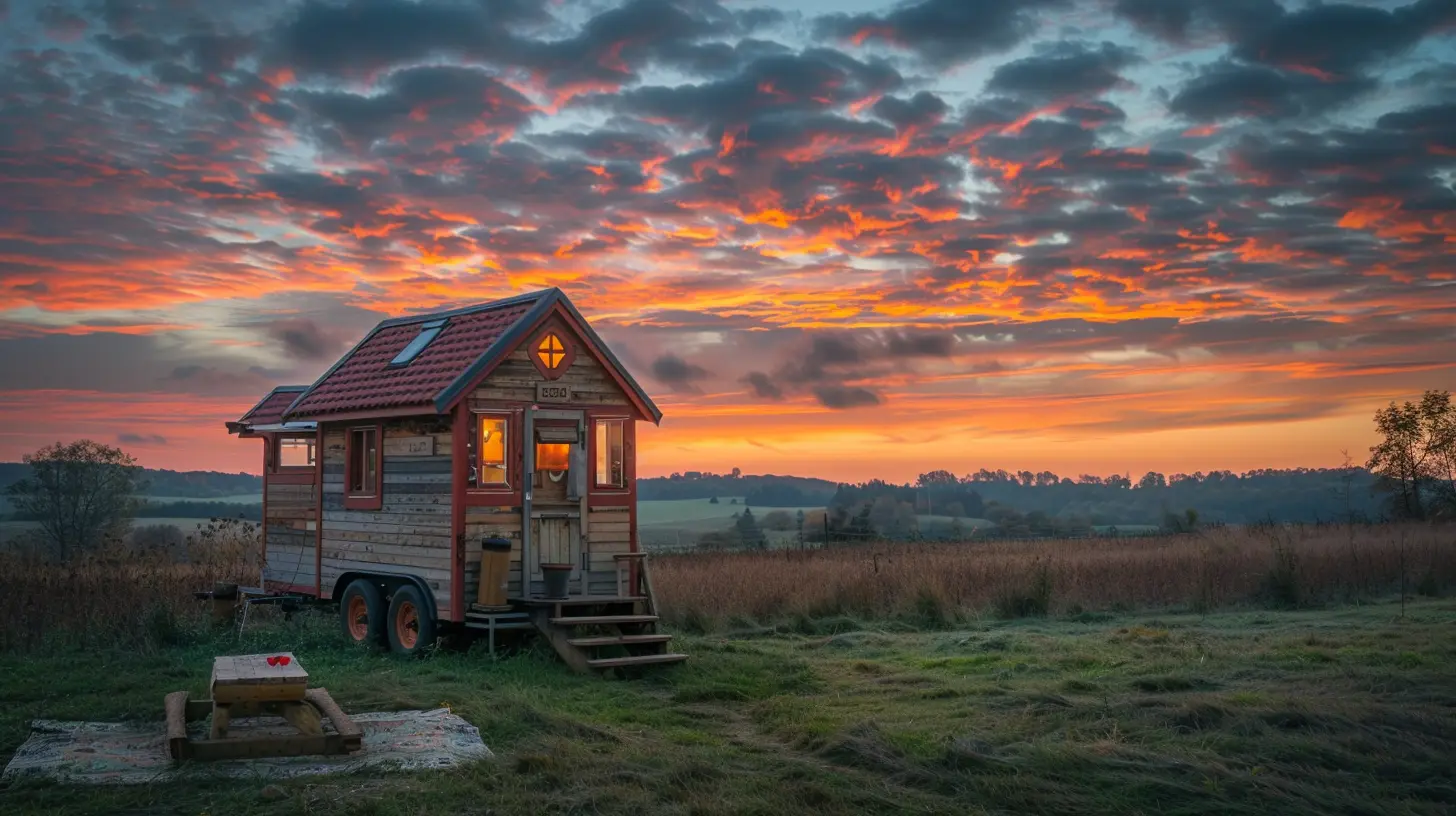
Financial Considerations & Expected ROI
Now, let’s talk numbers. How much can you realistically expect to make from a tiny home vacation rental?Upfront Costs
- Tiny Home Construction/Purchase: $30,000 - $150,000- Land Purchase (if needed): $10,000 - $100,000+
- Furnishing & Setup: $5,000 - $15,000
- Utilities & Maintenance Setup: $2,000 - $10,000
Potential Earnings
Depending on location and demand, a well-located, well-marketed tiny home can earn anywhere from $50 - $250 per night. Assuming a 60-80% occupancy rate, this translates to $15,000 - $50,000 per year in revenue. If you own multiple tiny homes, this income can add up quickly!Operating Expenses
- Cleaning & Maintenance: $100 - $300 per month- Property Taxes & Insurance: $1,000 - $5,000 per year
- Utilities (if applicable): $50 - $300 per month
With proper planning, most tiny home rental owners see a ROI within 2-5 years, making it a solid passive income investment.
Final Thoughts
Tiny homes as vacation rentals offer an exciting opportunity for passive income. They’re affordable to set up, in high demand, and relatively low-maintenance compared to traditional vacation properties. However, success requires careful planning—location, amenities, design, and marketing all play a huge role in profitability.If you love the idea of providing travelers with a cozy, Instagram-worthy retreat while making a steady income, investing in a tiny home vacation rental could be your next big move. So, are you ready to turn tiny into something big?
all images in this post were generated using AI tools
Category:
Tiny HomesAuthor:

Kingston Estes
Discussion
rate this article
1 comments
Yasmine Jordan
Love the tiny home trend!
June 3, 2026 at 3:35 AM
Kingston Estes
I appreciate your enthusiasm! Tiny homes definitely offer a unique charm and great potential for rentals.