The Environmental Benefits of Restoring Historic Properties
16 May 2026
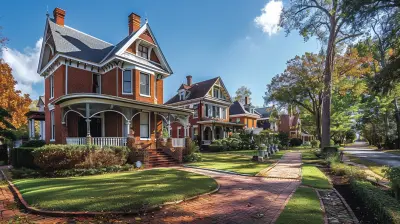
When we think about preserving history, we often picture grand old buildings, intricate architecture, and timeless charm. But did you know that restoring historic properties isn't just about nostalgia? It's also a big win for the environment!
Restoring historic buildings is like giving them a second chance while reducing waste, conserving resources, and minimizing carbon footprints. Let’s dive into the many ways restoring historic properties benefits the planet. 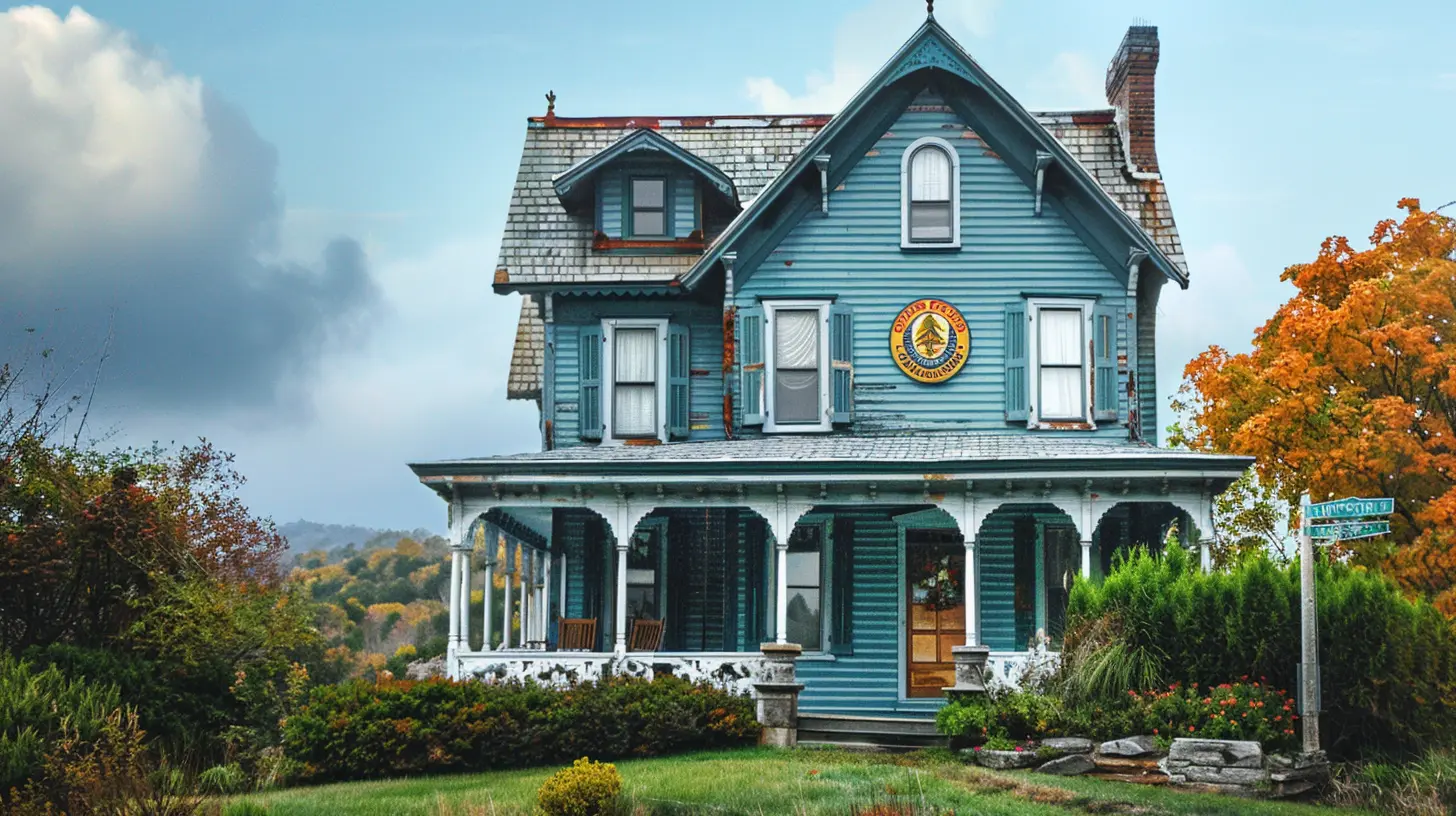
✅ Reducing Construction Waste
Every time a building is demolished, a massive amount of waste ends up in landfills. Bricks, wood, steel, concrete—these materials don’t just disappear. They pile up, making landfill sites overflow and contributing to pollution.When we restore a historic property instead of tearing it down, we minimize demolition waste. It's like upcycling, but on a much larger scale! Why throw away something when you can improve and reuse it?
? Fact: The Environmental Protection Agency (EPA) estimates that construction and demolition waste contributes to more than 600 million tons of debris annually in the U.S. Restoring historic buildings helps cut down on this staggering number. 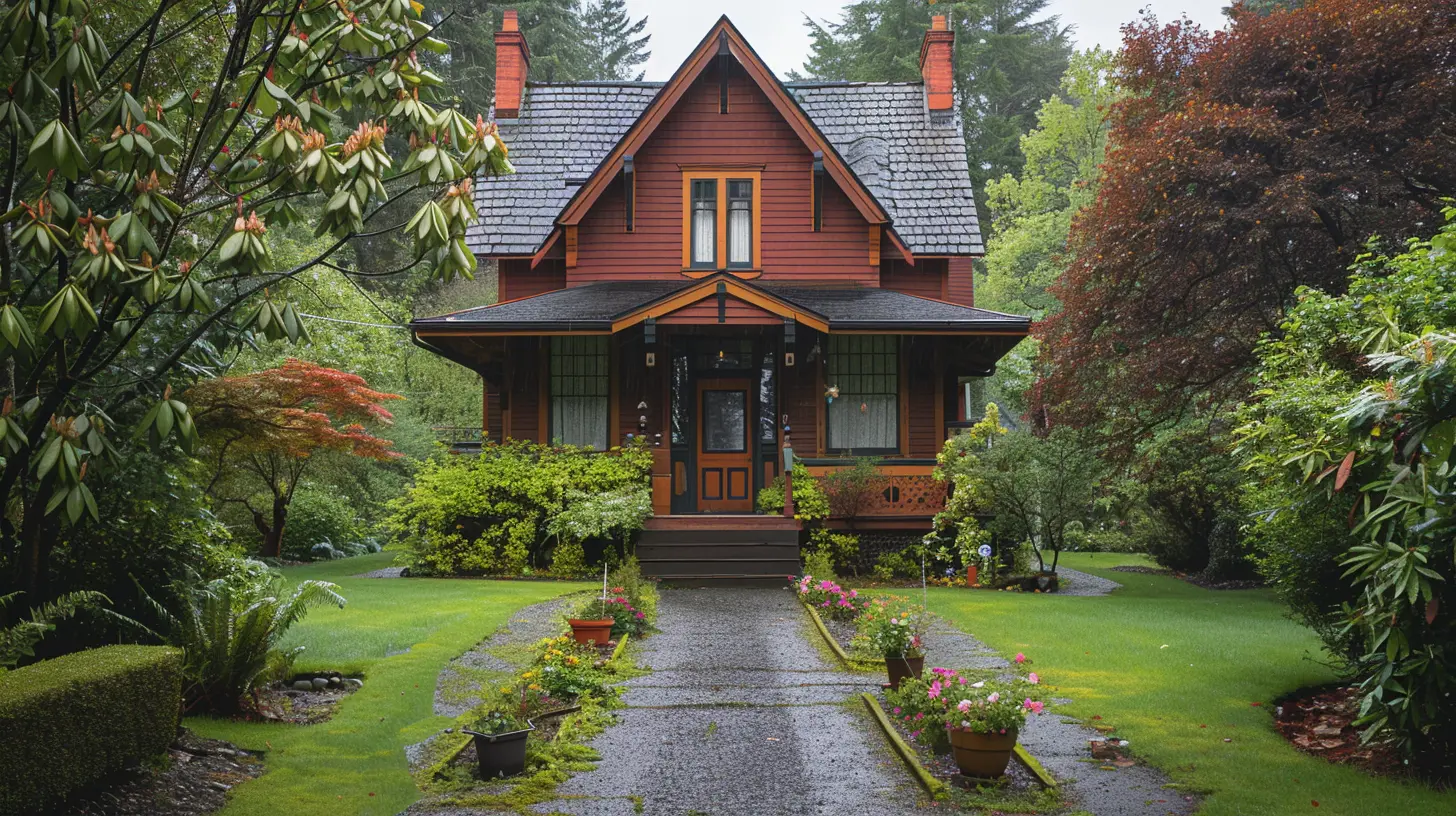
✅ Preserving Embodied Energy
Think about the energy it takes to build a new house from scratch—the mining, processing, transporting, and assembling of materials. This energy, known as embodied energy, is already present in existing buildings.By restoring instead of demolishing, we preserve this embodied energy. It’s like buying a vintage car and giving it some repairs instead of junking it for a brand-new one. The energy savings can be substantial, making restoration one of the most sustainable choices in real estate. 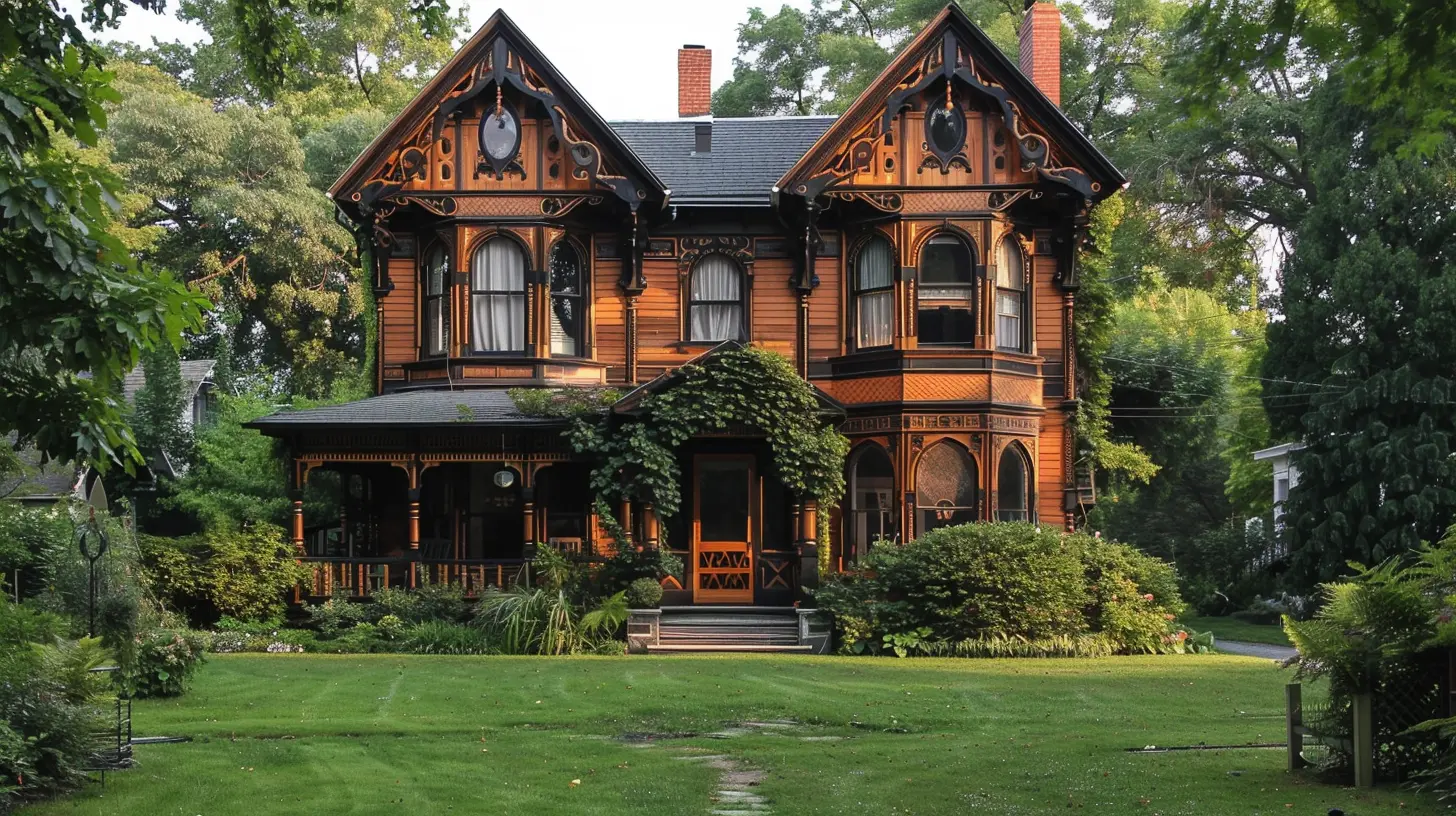
✅ Lowering Carbon Footprints
Constructing a new building is energy-intensive. From producing cement (a major CO₂ emitter) to transporting building materials, the carbon output quickly adds up.But when we restore a historic property, we're significantly reducing the need for new materials, which in turn lowers greenhouse gas emissions. Renovating an old building rather than constructing a new one can save up to 50-75% of the carbon emissions associated with new development. That’s a massive environmental win! 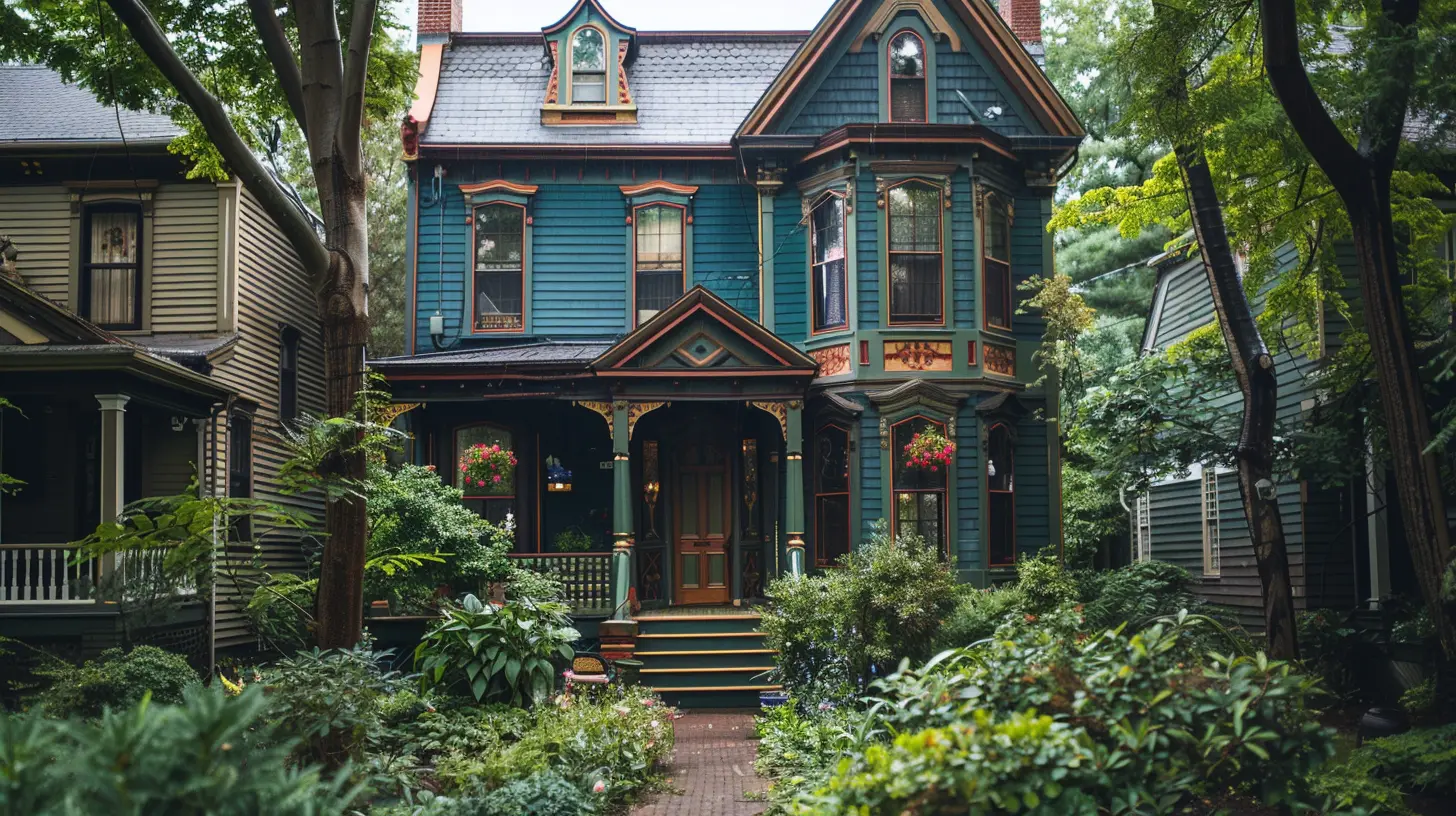
✅ Maximizing Energy Efficiency
Many people assume old buildings are energy hogs, but that’s not always the case. Older structures were often designed with natural ventilation, thicker walls for insulation, and thoughtful positioning for sunlight and shade.By integrating modern energy-efficient upgrades—like improved insulation, energy-efficient windows, and solar panels—we can turn these historic gems into energy-saving powerhouses without compromising their charm.
Example: The Empire State Building, an iconic historic structure, underwent energy-efficient retrofits that helped reduce energy costs by 38% and cut carbon emissions by 105,000 metric tons over 15 years. Imagine the impact if more historic buildings followed suit!
✅ Reducing Urban Sprawl
Urban sprawl—the rapid expansion of cities into surrounding natural areas—leads to deforestation, habitat destruction, and increased car dependency.Restoring historic properties encourages development within existing urban areas, reducing the need for new land consumption. It promotes walkable communities, decreases the strain on transportation infrastructure, and keeps cities vibrant and sustainable.
Would you rather see charming, well-preserved neighborhoods or endless rows of cookie-cutter suburbs stretching into once-pristine landscapes? The choice is clear.
✅ Supporting Sustainable Materials
Older buildings were often constructed with high-quality, locally sourced materials. Unlike many modern buildings that rely on synthetic or mass-produced materials, historic structures feature:- Hardwood beams (which are often stronger and more durable than today’s fast-grown timber)
- Handmade bricks and stone (built to last for centuries)
- Ornate metalwork (crafted with meticulous attention to detail)
By restoring historic properties, we extend the life of these high-quality materials instead of replacing them with newer, often less durable alternatives.
✅ Encouraging Adaptive Reuse
Adaptive reuse is a fancy way of saying, “Let’s repurpose this building instead of tearing it down.” Turning an old factory into modern loft apartments or a church into a trendy café are great examples.This approach not only keeps historic charm alive but also reduces the need for new construction materials. It’s like recycling, but with entire buildings!
Example: The Tate Modern museum in London was once a power station. Instead of demolishing it, architects transformed it into one of the world’s most famous art galleries—saving materials, energy, and history in the process.
✅ Boosting Local Economy with Green Jobs
Restoring historic properties creates jobs. Skilled tradespeople like carpenters, masons, and restoration experts get to work preserving architectural details and improving energy efficiency.Even better? These jobs focus on sustainability. Instead of mass-producing cheap materials in a factory, restoration work emphasizes craftsmanship, reducing waste and keeping local economies strong.
Plus, historic districts often attract tourism, boosting local businesses, restaurants, and cultural attractions. It’s a win-win for the community and the environment.
✅ Protecting Cultural Heritage While Going Green
Beyond the environmental benefits, restoring historic properties helps keep our culture alive. These buildings tell stories, and each restored brick or beam preserves a piece of history for future generations.Imagine losing the beauty of historic downtowns, old theaters, or iconic landmarks simply because maintaining them seemed too challenging. Instead of erasing history, restoration allows us to rejuvenate it—while being eco-conscious at the same time.
Final Thoughts
Restoring historic properties isn’t just a passion project for history buffs—it’s a smart and sustainable choice for anyone who cares about the environment. From reducing waste and conserving resources to lowering carbon footprints and preserving cultural identity, restoration is one of the most impactful ways real estate can contribute to a greener future.So, next time you see an old building in need of some love, think twice before assuming demolition is the best option. A little restoration can go a long way—for history and for the planet.
all images in this post were generated using AI tools
Category:
Historic HomesAuthor:

Kingston Estes
Discussion
rate this article
1 comments
Hope McKay
Restoring historic properties is such a smart move! Not only do we preserve our cultural heritage, but we also promote sustainability by reducing waste and energy use. It's rewarding to see these beautiful buildings get a second life while benefiting the environment... what a win-win!
May 17, 2026 at 2:46 AM
Kingston Estes
Absolutely! Restoring historic properties is a great way to honor our past while supporting a sustainable future. It truly is a win-win for both culture and the environment.