Interior Design Mistakes to Avoid in a Tiny Home
24 May 2026
Living in a tiny home can be an exciting and rewarding experience, but it also comes with its challenges—especially when it comes to interior design. When space is limited, every design choice plays a crucial role in functionality and aesthetics. A small mistake can quickly make your home feel cluttered, uncomfortable, or even impractical.
To help you make the most of your tiny home, let's dive into some of the most common interior design mistakes you should avoid. 
1. Ignoring Scale and Proportion
One of the biggest design mistakes in tiny homes is not paying attention to scale and proportion. It’s tempting to squeeze in oversized furniture because it looks comfy, but that can overwhelm the space.What to Do Instead:
- Opt for furniture that’s proportional to your space. Sleek, low-profile couches, compact dining tables, and multipurpose furniture will make your home feel open and functional.- Avoid bulky pieces that dominate the room; instead, go for space-saving designs like folding or stackable furniture.
2. Choosing Dark Colors
Dark colors may create a cozy ambiance, but in a tiny home, they can make the space feel even smaller and more confined.What to Do Instead:
- Stick to light, neutral shades like whites, beiges, and soft pastels. These colors reflect light and make your space feel more open.- If you love dark tones, use them sparingly—think accent walls, throw pillows, or rugs.
3. Cluttering Every Inch
It’s easy to accumulate too many decorations, but in a tiny home, even a little bit of clutter can make the space feel chaotic and suffocating.What to Do Instead:
- Follow the “less is more” rule. Keep only what you truly need or love.- Opt for multifunctional décor—such as storage ottomans or stylish baskets—that enhance aesthetics while serving a practical purpose.
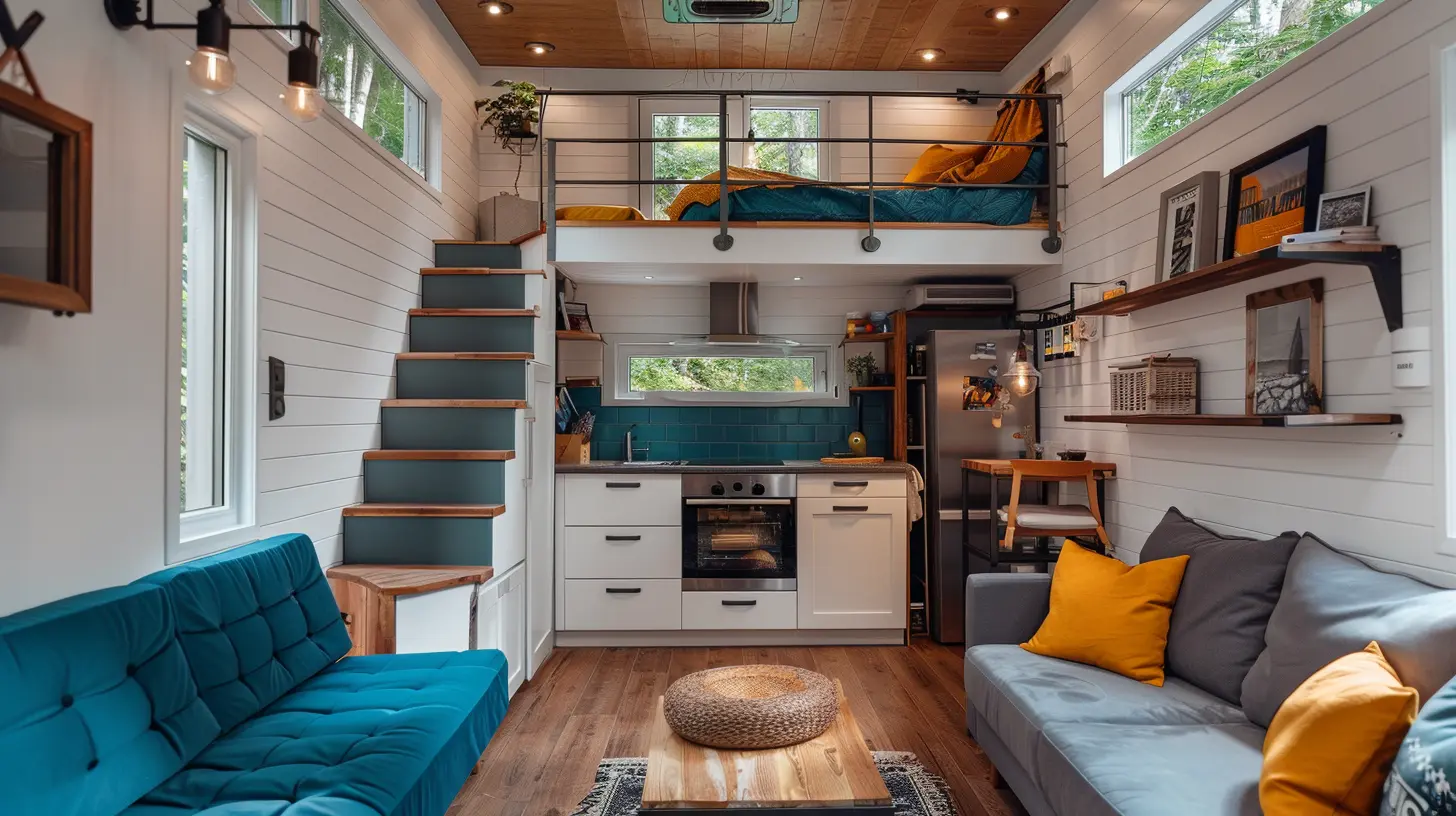
4. Not Utilizing Vertical Space
Many tiny homeowners focus too much on floor space while neglecting the walls, missing a golden opportunity for smart storage solutions.What to Do Instead:
- Install floating shelves, wall-mounted cabinets, and pegboards to create extra storage without taking up valuable floor space.- Consider lofted beds or hanging storage racks to keep essential items within reach without cluttering the main living area.
5. Overlooking Multi-Functional Furniture
Filling a tiny home with single-purpose furniture is a major space-wasting mistake. Every item in your home should serve multiple functions.What to Do Instead:
- Invest in furniture that offers storage, folds away, or serves multiple purposes. Examples include:- Sofa beds
- Drop-leaf tables
- Murphy beds
- Storage benches
- This ensures you maximize space without sacrificing comfort or style.
6. Ignoring Natural Light
Blocking natural light with heavy drapes or furniture placement can make your home feel even smaller and more enclosed.What to Do Instead:
- Use sheer curtains or light blinds to allow maximum sunlight to enter.- Position mirrors strategically to reflect natural light and create the illusion of a larger space.
- Keep large furniture away from windows to avoid blocking light flow.
7. Forgetting Proper Storage Solutions
A tiny home without proper storage quickly turns into a mess. Without designated spots for everything, clutter accumulates fast.What to Do Instead:
- Utilize hidden storage spaces like under-bed bins, built-in shelves, and ceiling-mounted racks.- Use vertical organizers inside cabinets to maximize capacity.
- Consider adding storage nooks in staircases, under seating areas, or even inside walls.
8. Using Too Many Patterns and Textures
Patterns and textures add character, but too many in a small space can make it feel visually overwhelming.What to Do Instead:
- Stick to a cohesive color palette and balanced textures.- If you love patterns, use them in small doses—like on cushions, rugs, or an accent wall.
- Keep larger surfaces (walls, flooring, and big furniture) simple to maintain a sense of spaciousness.
9. Not Having a Clear Layout
Without a well-planned layout, even a small space can feel disjointed and difficult to navigate.What to Do Instead:
- Arrange furniture with clear pathways in mind to maintain an efficient flow.- Define different zones for sleeping, dining, and lounging, using rugs or dividers if necessary.
- Avoid pushing all furniture against the walls—sometimes, floating furniture can make a space feel more intentional and balanced.
10. Neglecting Personalization
Just because you’re working with a small space doesn’t mean it has to feel generic. Some people focus too much on making their home look "bigger" and forget to add personality.What to Do Instead:
- Incorporate artwork, sentimental pieces, or unique furniture that reflects your style.- Add plants, books, or decorative elements that make the space feel inviting and personal.
- Keep it cozy while maintaining a clutter-free, organized vibe.
Final Thoughts
Designing a tiny home is all about making intentional choices. Every piece of furniture, every color, and every layout decision needs to serve a purpose. By avoiding these common interior design mistakes, you can create a small space that feels airy, functional, and uniquely yours.If you’re working with a tiny home, let these tips guide you toward a space that’s both beautiful and practical. After all, great design isn’t about square footage—it’s about making the most of what you have!
all images in this post were generated using AI tools
Category:
Tiny HomesAuthor:

Kingston Estes
Discussion
rate this article
1 comments
Renata McGrady
Great insights on maximizing space in tiny homes. It's easy to overlook some of these design pitfalls. Simple changes can make a big difference for comfort and style. Thanks for sharing!
May 30, 2026 at 4:09 AM
Kingston Estes
Thanks for your comment! I'm glad you found the tips helpful. Small changes really can transform a space.