The Impact of Gentrification on Investment Opportunities
12 March 2026
Gentrification—it's a word that sparks debates, fuels urban transformation, and sends real estate investors into a frenzy. Love it or hate it, there's no denying its impact on neighborhoods, communities, and, most importantly, property values. If you're looking to invest in real estate, gentrification can be either your golden ticket to massive ROI or a risk that requires a strategic approach.
So, let’s break it down: What exactly does gentrification mean for investment opportunities? How can you navigate this ever-changing landscape? And most importantly—how do you make money from it without losing sleep at night? 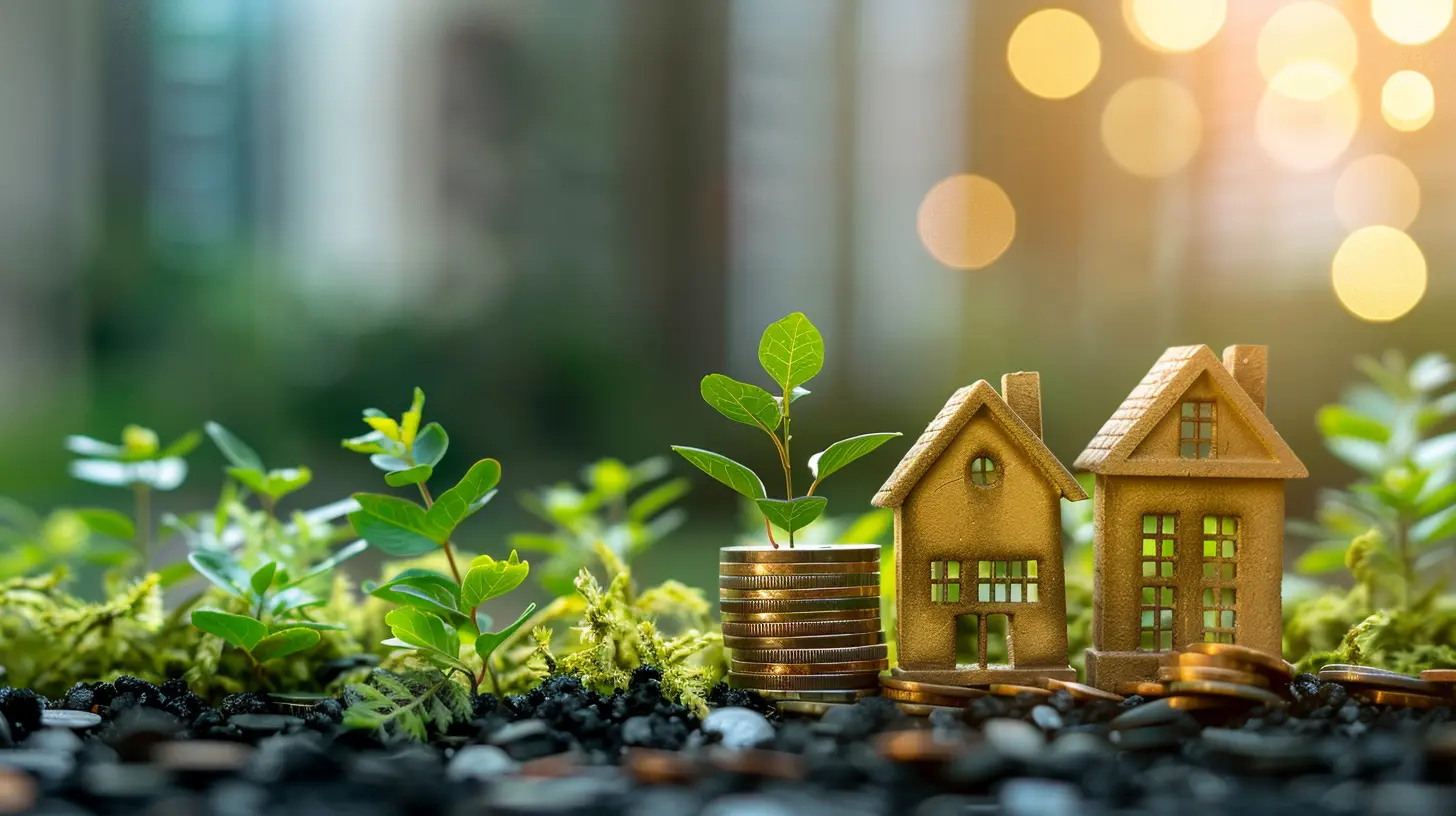
What is Gentrification, Really?
Picture this: A neglected neighborhood with rundown buildings, abandoned lots, and a reputation that makes Uber drivers nervous. Then, slowly but surely, trendy cafes pop up, young professionals move in, and property values skyrocket like a SpaceX rocket. That, my friends, is gentrification in action.At its core, gentrification is the transformation of a previously undervalued area into a more desirable and higher-cost neighborhood. It often starts when investors, developers, and new residents (usually with higher incomes) bring in fresh energy and economic growth. The result? Rising home prices, increased rent, and sometimes a cultural shift that displaces long-time residents.
So, is this a good or bad thing? Well, that depends on where you stand. 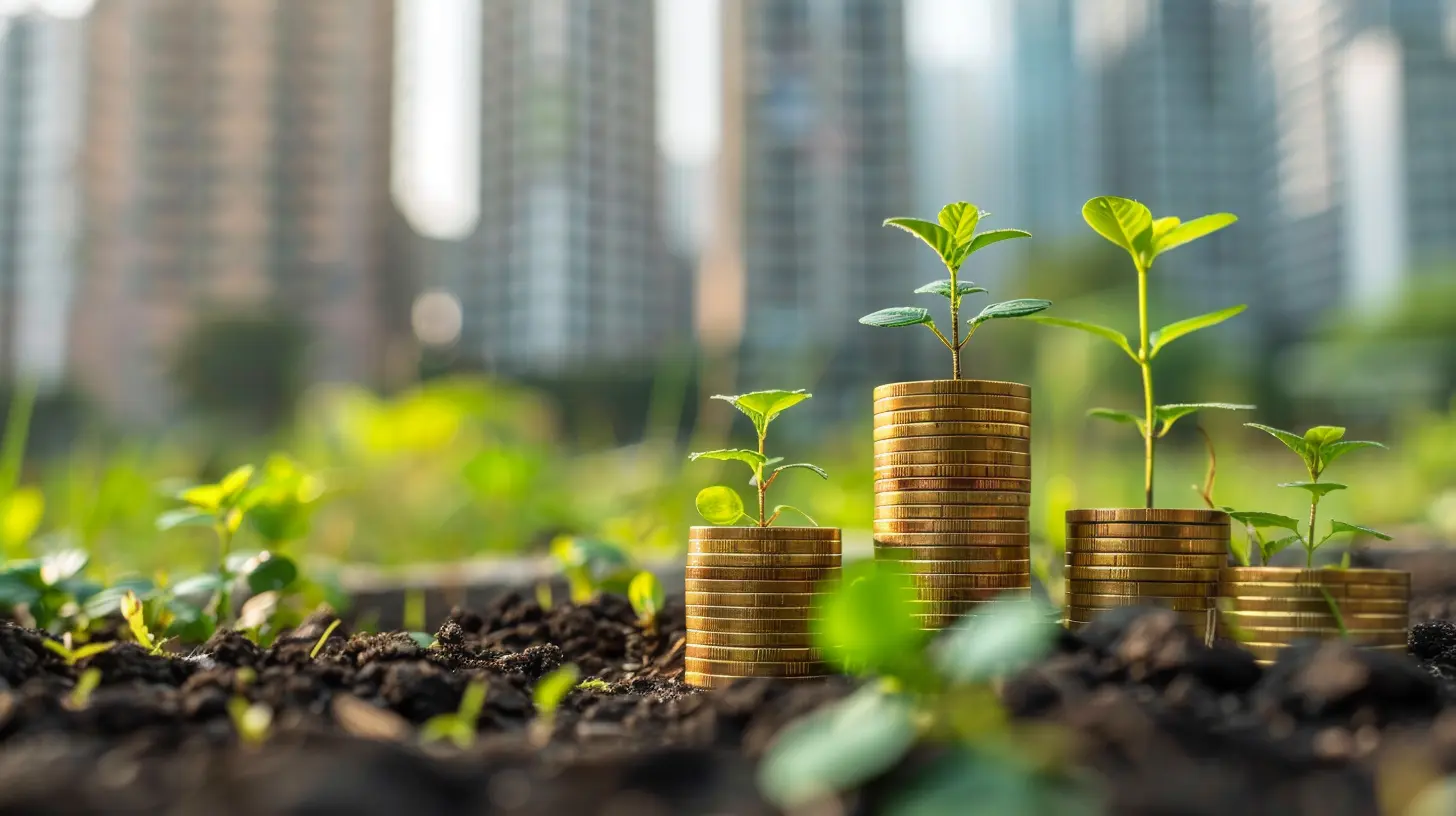
The Good, The Bad, and The Ugly of Gentrification
Like a double-edged sword, gentrification comes with both benefits and drawbacks. Let’s weigh both sides before you break out your checkbook.The Upside for Investors
If you’re an investor, gentrification is pretty much music to your ears. Here’s why:- Skyrocketing Property Values – Buying in an up-and-coming neighborhood means you’re getting in at a discount. As demand rises, so does your property’s value—hello, equity!
- Higher Rental Income – As more affluent renters move in, landlords can command higher rents. This leads to improved cash flow and better return on investment (ROI).
- New Business Growth – Gentrification brings in businesses, restaurants, co-working spaces, and entertainment hubs, making the area more desirable.
- Lower Crime Rates – While this is not always the case, many gentrifying neighborhoods experience lower crime rates due to increased investment in infrastructure and policing.
The Downside for Communities
Now, let’s not overlook the elephant in the room. Gentrification isn’t all lattes and farmer's markets. It often comes at the expense of long-time residents who are priced out of their own neighborhoods.- Rising Cost of Living – Property taxes, rents, and everyday expenses surge, making it difficult for lower-income families to stay.
- Cultural Displacement – With every new kombucha bar, the original charm and culture of the neighborhood can fade away.
- Pushback from Locals – Many residents resist gentrification because they view it as a force that uproots communities rather than improves them.
From an investor's perspective, understanding these impacts is crucial because community resistance can shape the success (or failure) of your real estate venture. 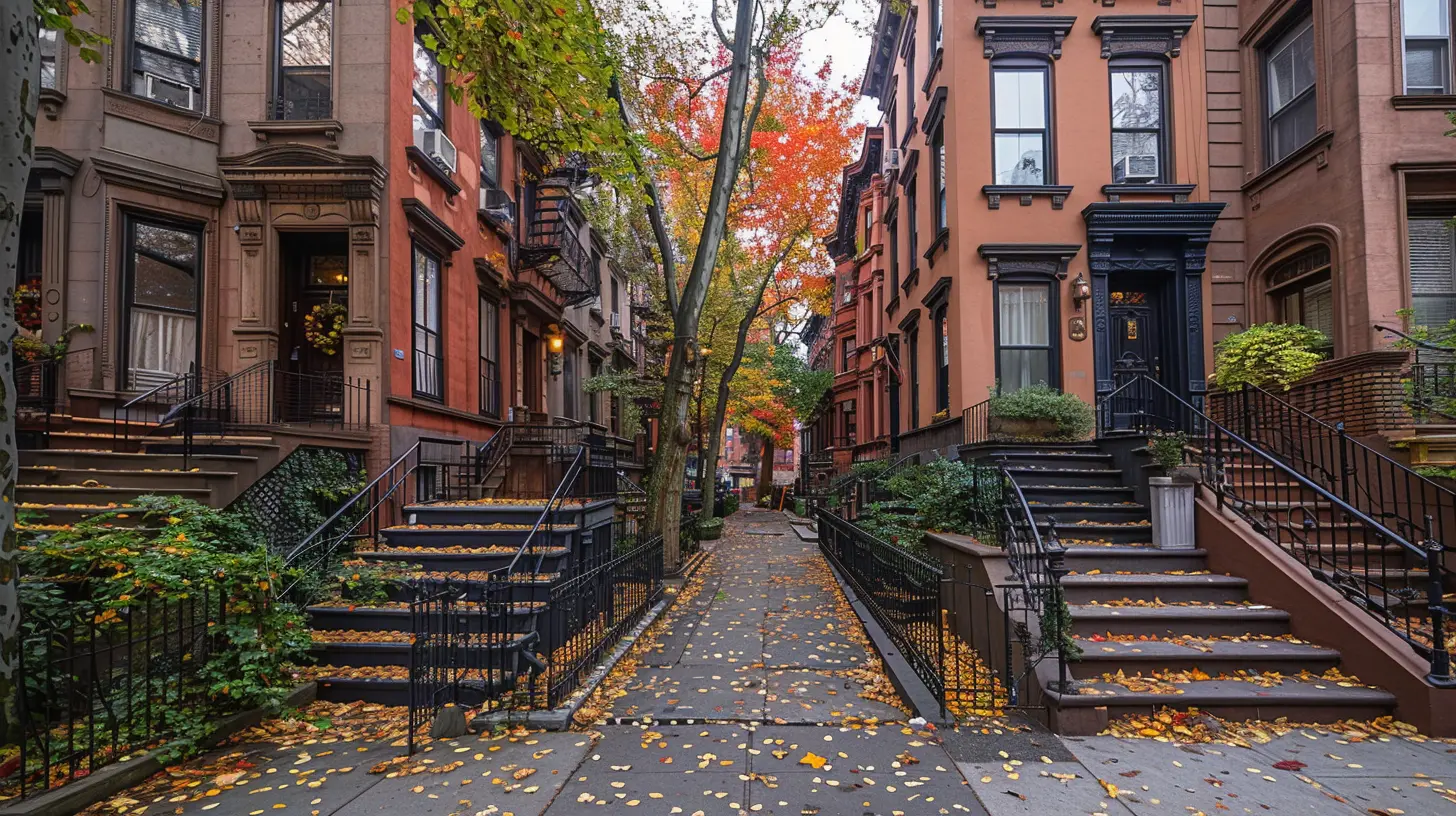
How Gentrification Creates Investment Opportunities
Alright, now that we’ve got the basics covered, let's talk investment strategies. If you play your cards right, gentrification can be your best friend when it comes to making a solid real estate move.1. Spotting Emerging Markets
Timing is everything. Getting into a neighborhood before gentrification hits full swing can yield massive profits. But how do you identify these areas?Look for:
✔️ Rising rent and property prices
✔️ Hipster coffee shops and organic grocery stores (yes, really)
✔️ Increased infrastructure projects like new transit lines
✔️ Art galleries, coworking spaces, and boutique stores popping up
A simple trick? Follow the artists. They tend to move into affordable areas first, sparking community growth that leads to gentrification.
2. Fix-and-Flip Strategy
If you’ve ever binge-watched HGTV, you know that buying a fixer-upper in a gentrifying area can be a gold mine. By renovating an older home and selling it at a premium, you can capitalize on the rising demand for updated living spaces.However, avoid over-improving a home beyond the neighborhood’s price range. You don’t want to be the only mansion on the street—it’s like bringing a Ferrari to a monster truck rally.
3. Buy-and-Hold Strategy
Not everyone is in the game for quick flips. If you prefer long-term wealth building, a buy-and-hold strategy in a gentrifying neighborhood can be extremely lucrative.- Purchase a rental property before property values surge.
- Rent it out while the neighborhood transforms.
- Enjoy increased rental income and property appreciation over time.
Once gentrification is in full swing, you’ll own a property in a prime location with premium rents.
4. Investing in Multi-Family Units
Gentrification often leads to an influx of young professionals looking for urban living spaces. Investing in multi-family properties in transitioning neighborhoods can generate steady rental income and long-term growth potential.- Duplexes, triplexes, and small apartment buildings are key gems.
- You can live in one unit and rent out the others (house hacking, anyone?).
- As rents increase, your investment scales accordingly. 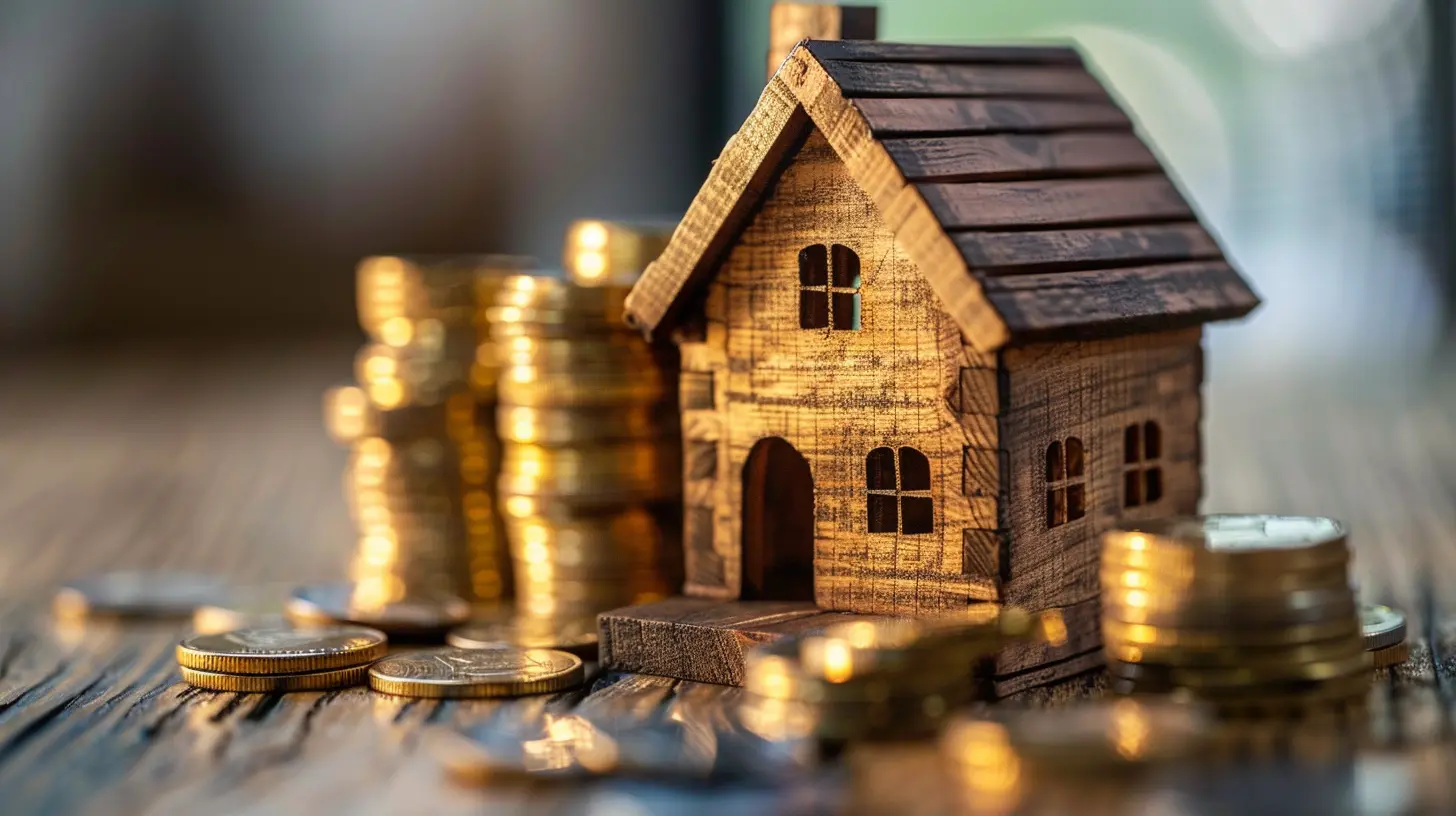
The Risks Investors Should Watch Out For
Sure, gentrification presents a buffet of opportunities, but it's not without risks. Here are some pitfalls to avoid:1. Overpaying for Future Potential
Many investors make the mistake of buying at a premium hoping prices will continue to rise. However, if the neighborhood doesn’t fully gentrify, you’re stuck with an overpriced property.2. Community Resistance and Political Pushback
Some cities introduce policies to slow down gentrification, including rent control laws and zoning restrictions. Always be aware of local regulations before investing.3. Timing the Market Incorrectly
Jumping in too early means waiting years for transformation, while getting in too late leaves minimal room for appreciation. Conduct thorough market research before diving in.Final Thoughts: Is Gentrification a Smart Investment Play?
Gentrification can be a real estate investor’s dream—or a nightmare if you don’t do your homework. It offers massive upside potential with rising property values, increased rental income, and long-term appreciation. However, it’s not without ethical concerns and financial risks.If you’re looking to invest in a gentrifying area, understand the market, know the risks, and always have an exit strategy. Most importantly, consider ways to invest responsibly—supporting affordable housing initiatives and engaging with the community can help create a win-win situation for both residents and investors.
So, is gentrification the golden ticket to real estate success? Well, that depends on how well you play the game.
all images in this post were generated using AI tools
Category:
Investment PropertiesAuthor:

Kingston Estes
Discussion
rate this article
2 comments
Daria Perez
Great insights on gentrification! Understanding its effects on investment opportunities is crucial for making informed decisions. Thanks for shedding light on this important topic in real estate!
March 22, 2026 at 12:37 PM
Kingston Estes
Thank you for your kind words! I'm glad you found the insights helpful. Gentrification definitely plays a significant role in shaping investment landscapes.
Carla McMillan
Gentrification can transform neighborhoods, creating unique investment opportunities. Embrace the potential for positive change and community growth. With mindful investment, we can help shape vibrant, inclusive spaces that benefit everyone. Let’s build the future together!
March 12, 2026 at 7:38 PM
Kingston Estes
Thank you for your thoughtful comment! Gentrification can indeed bring both challenges and opportunities. Emphasizing mindful investment is key to fostering inclusive growth that benefits all community members.