The Environmental Impact of Tiny Homes: A Greener Way to Live
30 December 2025
Let’s talk about tiny homes. Yes, those adorable little houses that look like they sprung straight from a Pinterest board — the ones you daydream about while stuck in traffic or paying off your third utility bill of the month. But behind their charm, these miniature dwellings pack a serious eco-friendly punch.
In this article, we’re going to dive deep — and maybe even get a little muddy — into the environmental impact of tiny homes. Are they really the superheroes of sustainable living? Spoiler alert: they might be. But stick around, because we’re unpacking every nook and cranny (pun totally intended) to see just how green these pocket-sized abodes really are.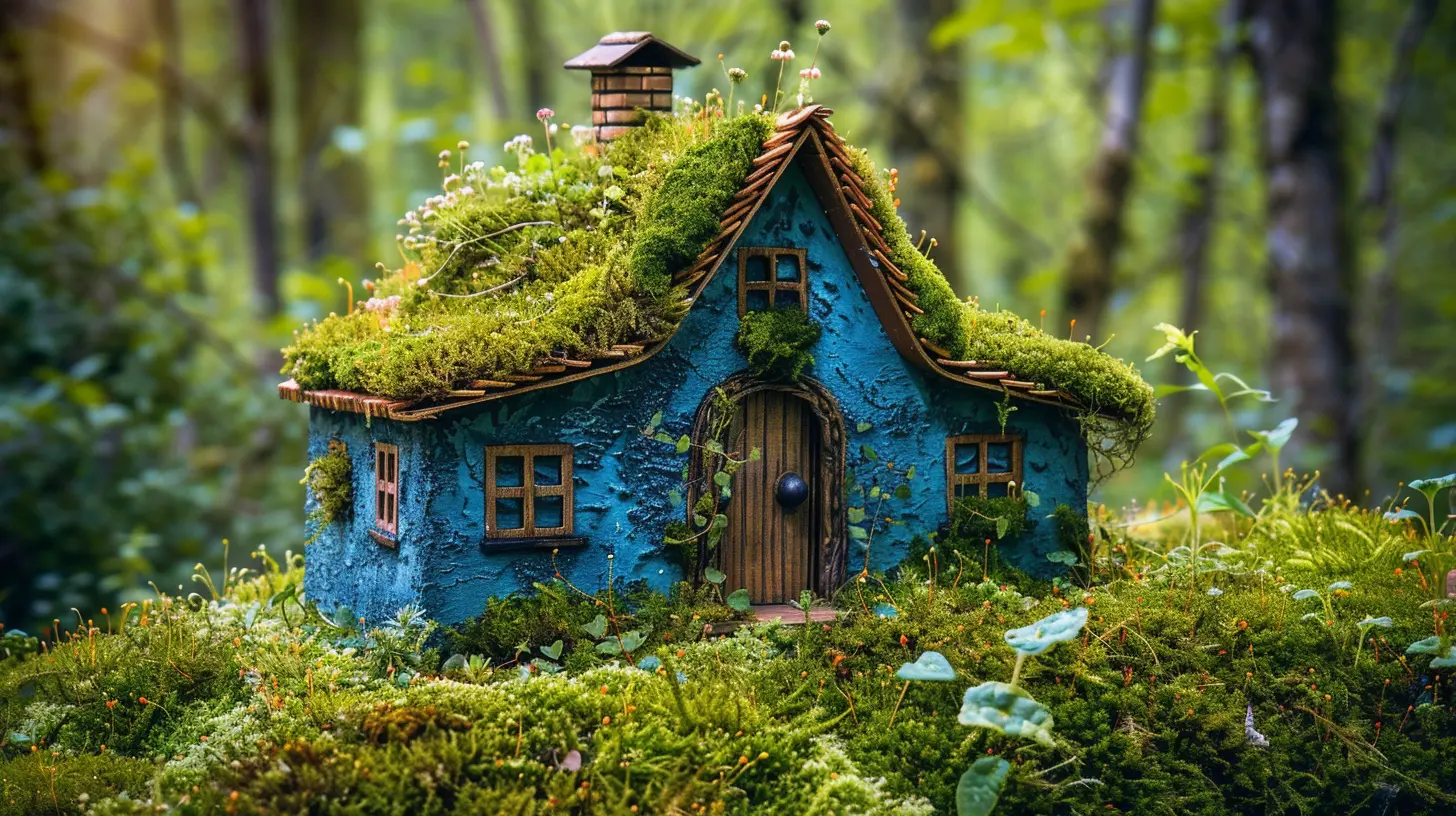
What Exactly Is a Tiny Home?
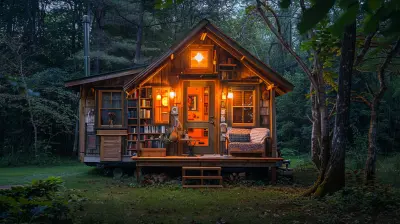
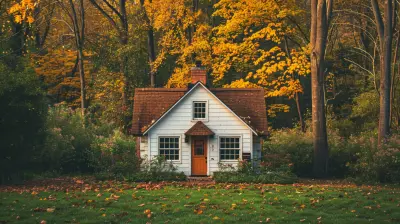
Before we start throwing around buzzwords like “sustainable” and “carbon footprint,” let’s get on the same (small) page.A tiny home generally refers to a house that measures between 100 to 400 square feet. Yep, that’s about the size of a studio apartment — or your average inbox after a long weekend. They come in all flavors: on wheels, off-grid, container-converted, custom-built, or even plopped on top of a friend’s backyard.
But size isn’t the only thing that makes them special. It’s the less is more lifestyle they promote — minimalism, intentionality, and sustainability are all part of the package.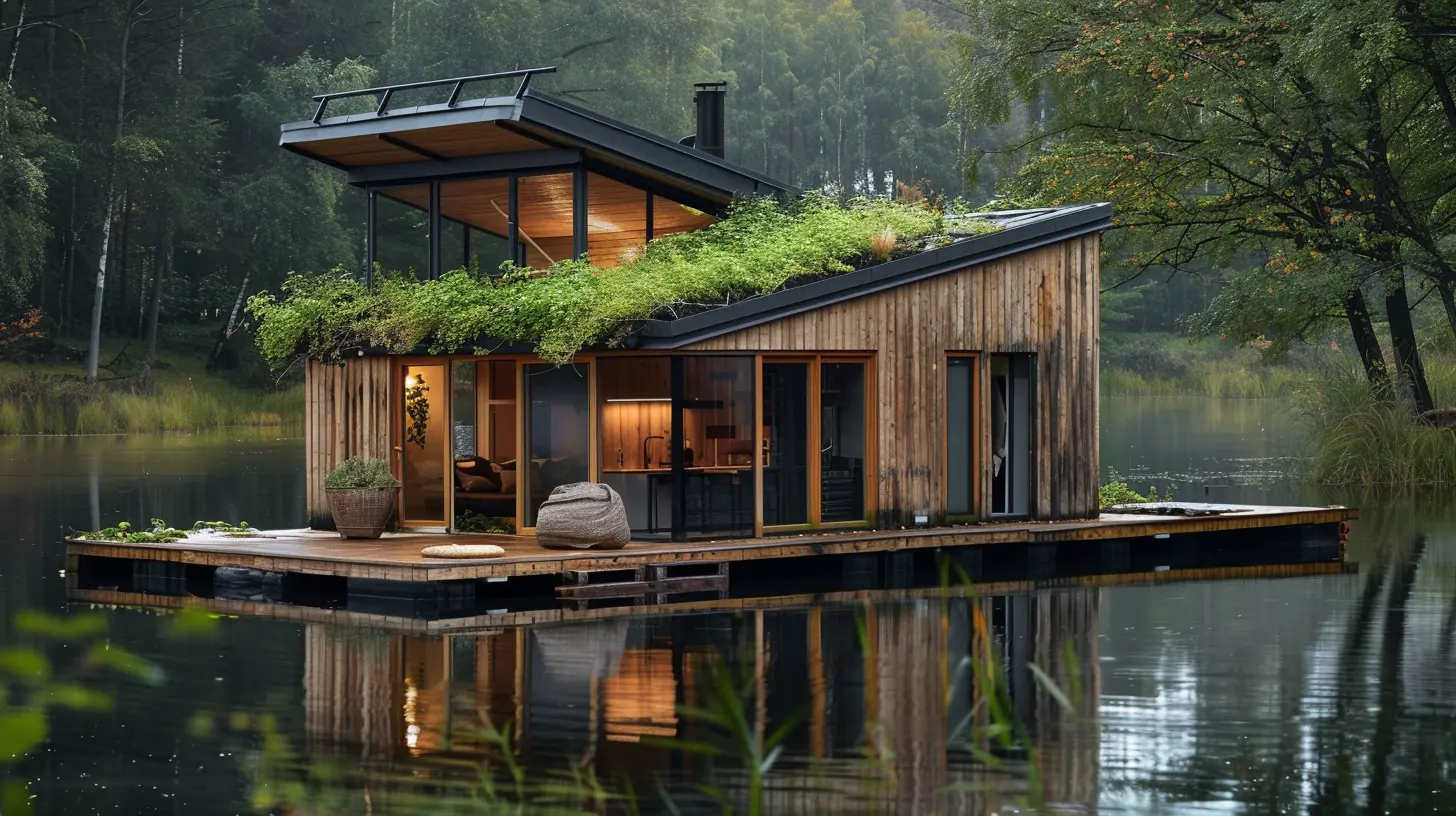
Why Are People Going Tiny?
We could say it’s because tiny homes are Instagram-worthy, or because people are trying to Marie Kondo the heck out of their lives. But there’s more to it.Tiny living appeals to people looking to:
- Escape the rat race
- Cut costs and debt
- Reduce clutter (both physical and mental)
- Live more sustainably
So yes, while tiny homes may be trendy, their environmental benefits are not just smoke and mirrors. Let’s unpack those now, shall we?
Shrinking Footprints — Literally
Less House, Less Energy
Think about it — heating or cooling a 2,500 square foot house takes serious energy (and wallet pain). But a tiny home? You’re working with way less volume. Less space means fewer BTUs needed for climate control, which equals lower energy consumption.Some tiny home dwellers use solar panels, composting toilets, and rainwater systems to live completely off-grid. Energy independence? Check. Lower utility bills? Double check.
Smaller Footprint = Smaller Footprint
Yes, you read that right. A small physical footprint often translates to a small ecological one. Tiny homes typically disturb less land, use fewer building materials, and require less infrastructure than your average suburban sprawl. There’s little need for sprawling lawns that guzzle water or lengthy driveways needing concrete.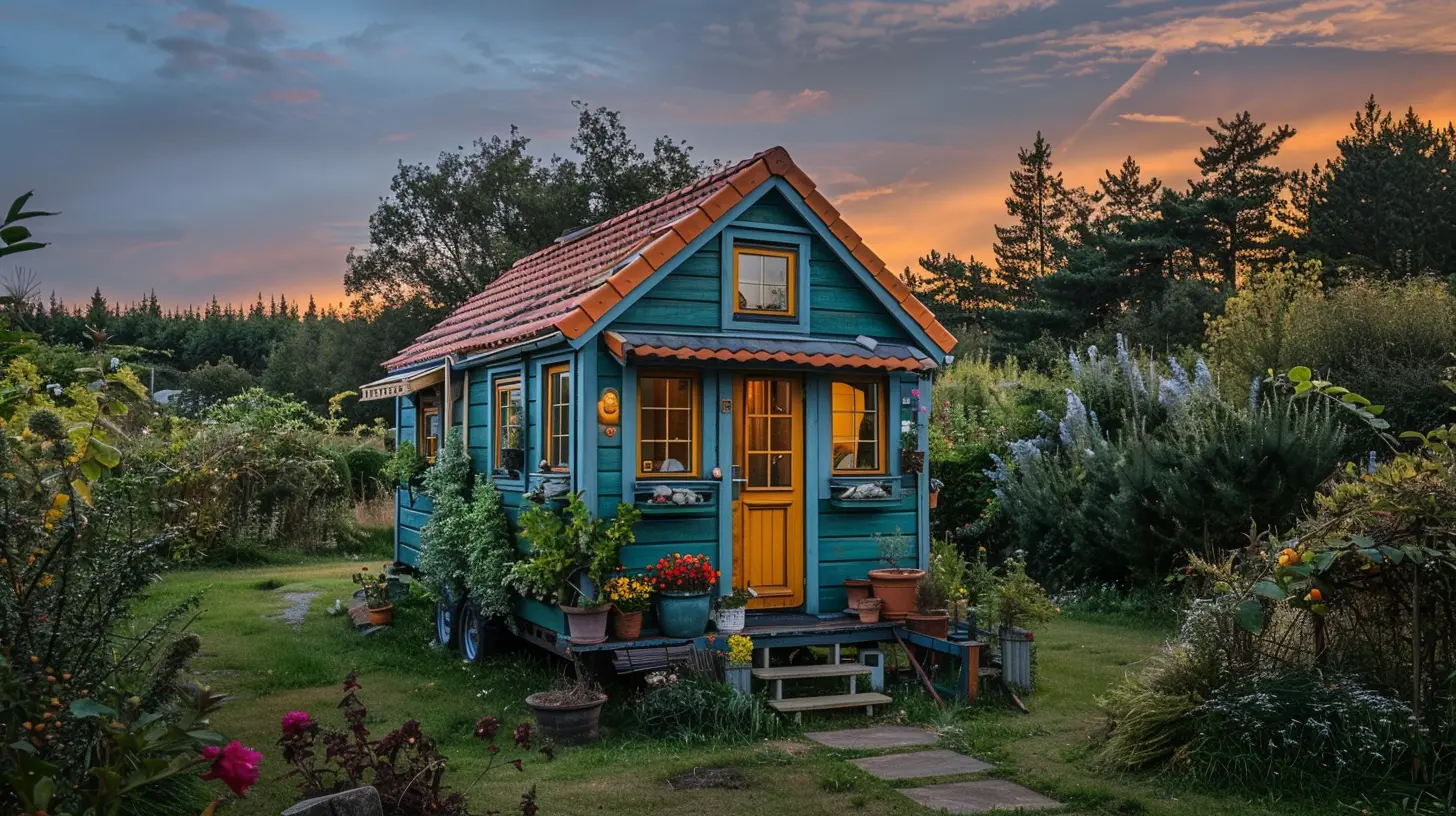
Construction: It’s What’s (Not) Inside That Counts
Fewer Materials, More Thought
Traditional home construction can be a bit like a buffet — lots of waste, overconsumption, and questionable choices. Tiny homes flip that on its head. Because there’s limited space, every material, fixture, and finish is chosen with purpose. That often means:- Reclaimed wood floors
- Recycled steel roofing
- Energy-efficient windows
- Non-toxic insulation
Builders and DIY-ers often try to source locally and sustainably, reducing the carbon emissions tied to transporting materials long distances.
Less Waste, More Impact
In the U.S., construction and demolition waste makes up about 600 million tons annually. Tiny homes use fewer resources and generate far less waste. It’s like comparing a snack-size bag of chips to the bulk-bin aisle — one is clearly gentler on the environment (and your stomach).Utilities and Off-Grid Living
Water Usage Who?
One of the big wins in tiny home living is how much water you simply don’t use. It’s not rocket science — fewer sinks, smaller showers, and optional composting toilets all lead to drastically reduced water bills and less strain on water resources.Rainwater catchment systems and greywater recycling are popular among tiny home dwellers. That means even the water you do use gets a second life — watering plants, flushing toilets, or washing that one pot you use for everything.
Energy-Sipping Appliances
Because space is tight, so are energy needs. Most tiny homes are decked out with compact, energy-efficient appliances. Think baby-sized fridges, mini-split heating and cooling systems, induction cooktops, and LED everything.There’s even the option to go off-grid entirely. Solar panels meet most energy needs in sunnier locations, giving your home a near-zero carbon footprint — something traditional houses dream of when they sleep at night (if they could dream).
Mobility = Less Commuting?
Here’s a quirky but real benefit: some tiny homes are on wheels. So guess what that means? You can (theoretically) live closer to work, nature, or wherever your heart desires at different times of the year.Instead of commuting 45 minutes to the office, what if your house was the office… and parked five minutes from your favorite hiking trail? Less driving = fewer emissions. It’s mobility with a mission.
Downsizing = Upsizing Happiness?
The Ripple Effect of Less Stuff
Let’s face it — when your closet is the size of a mini-fridge, impulse buying slows way down. Tiny homes promote a minimalist mindset, which reduces overall consumption. That means less demand for fast fashion, throwaway gadgets, and unnecessary home decor runs to Target (we've all been there).This “live with less” mentality spills over into travel habits, food choices, and lifestyle expectations. People living tiny often say they feel lighter, freer, and more connected to their environment. And let’s be honest, how many McMansion owners can say the same?
Community and Zoning Challenges
Okay, let’s not paint everything green and sparkly — tiny homes face hurdles, especially when it comes to zoning laws and building codes. Many cities and HOAs (Homeowners Associations) aren’t exactly rolling out the welcome mat for tiny houses just yet.But the good news? Change is brewing. More municipalities are recognizing tiny homes as Accessory Dwelling Units (ADUs) or creating special zoning ordinances for tiny house villages. This progress not only makes tiny living more accessible but also fosters community-based solutions for homelessness and affordable housing.
So yes, tiny homes aren’t just for dreamy Instagram influencers. They're becoming part of real, tangible answers to housing and environmental issues.
The Not-So-Tiny Takeaways
Let’s wrap this up like a cozy sleeping loft blanket. Tiny homes are:- Much more energy-efficient than traditional homes
- Built with significantly fewer raw materials
- Designed to reduce water and energy consumption
- Encouraging of minimalism and mindful consumption
- Often powered by renewable energy sources
- Paving the way for sustainable housing solutions
Of course, tiny living isn’t for everyone. You’ve got to be okay with tight spaces, less privacy, and possibly a composting toilet. But for those who can embrace the compact lifestyle, the environmental benefits are hard to ignore.
So, the next time someone tells you good things don’t come in small packages, tell them about tiny homes. They're small, mighty, and might just save the planet — one square foot at a time.
Final Thoughts: Is Tiny Living the Future?
We’re standing at a crossroads — one paved with climate anxiety, rising costs of living, and an overwhelming desire to feel in control again.The tiny home movement isn’t just about houses; it's about habits. It’s a lifestyle shift that says, "Hey, maybe we don't need more stuff to be happy." After all, the less we consume, the less we waste — and that’s a win for everyone, including Mother Earth (she’s had a rough few centuries, give her a break).
So whether you’re ready to hitch a tiny house to your Prius or you’re just dipping your toes into minimalism, the tiny home trend offers one very big thing: hope.
And hey, that’s not so tiny after all.
all images in this post were generated using AI tools
Category:
Tiny HomesAuthor:

Kingston Estes
Discussion
rate this article
2 comments
Galina Burton
I love the idea of tiny homes! They not only save space but also help reduce our carbon footprint. It's inspiring to see how simple living can lead to a more sustainable and eco-friendly lifestyle!
January 19, 2026 at 11:18 AM
Kingston Estes
Thank you! I’m glad you find tiny homes inspiring; they truly offer a sustainable path toward simpler living and a reduced carbon footprint.
Jane McAndrews
Great article! Tiny homes truly exemplify sustainable living, reducing environmental footprints while promoting minimalism. Excited to see more people embracing this eco-friendly lifestyle!
December 31, 2025 at 5:10 AM
Kingston Estes
Thank you for your feedback! I’m glad you enjoyed the article and share the enthusiasm for tiny homes and sustainable living.