The Comeback of Downtown Living in 2026's Market
4 September 2026
For the better part of a decade, downtowns across the United States and much of the Western world felt like a ghost of their former selves. The pandemic emptied office towers, shuttered storefronts, and sent residents scrambling for suburban backyards with home offices. Headlines screamed about the "death of the city." But if you have been paying attention to the 2026 market, you already know that narrative was not just premature; it was flat wrong.
Downtown living is not just back. It is back with a vengeance, but it is not the same downtown we left behind in 2019. The revival is quieter, more intentional, and surprisingly more affordable in certain pockets than many people realize. As a real estate professional who has watched this cycle turn over the last five years, I can tell you that the 2026 downtown buyer is a different animal than the one who bought in 2015. And if you are thinking about making the move yourself, understanding this new landscape is the difference between a brilliant investment and a costly mistake.
Let us walk through what is actually happening, why it is happening now, and how you can position yourself to take advantage of this resurgence without getting burned.
The Structural Shift: Why Downtowns Are Not Just Recovering, They Are Reinventing
To understand the 2026 comeback, you have to look past the simple metric of "people moving back." The real story is about the fundamental repurposing of downtown space. We are not seeing a return to the old model of a nine-to-five business district that empties out at night. Instead, we are seeing a hybrid environment where residential, commercial, and entertainment uses are blending in ways that were previously impossible.Consider the office market. In 2023 and 2024, vacancy rates in many central business districts hit historic highs, with some cities like San Francisco and Los Angeles reporting over 30 percent of their office space sitting empty. Conventional wisdom said this was the end. But what actually happened was a massive wave of office-to-residential conversions, fueled by local governments finally cutting through the red tape that had made such projects economically unviable for decades.
New York's City of Yes initiative, which passed in late 2024, is a prime example. It eliminated outdated zoning rules that prevented residential use in many commercial districts. Chicago, Philadelphia, and even smaller metros like Cleveland and Pittsburgh have followed suit with their own incentive packages. The result is that in 2026, we are seeing a supply of new downtown housing units that did not exist three years ago, and much of it is coming from buildings that were once considered obsolete.
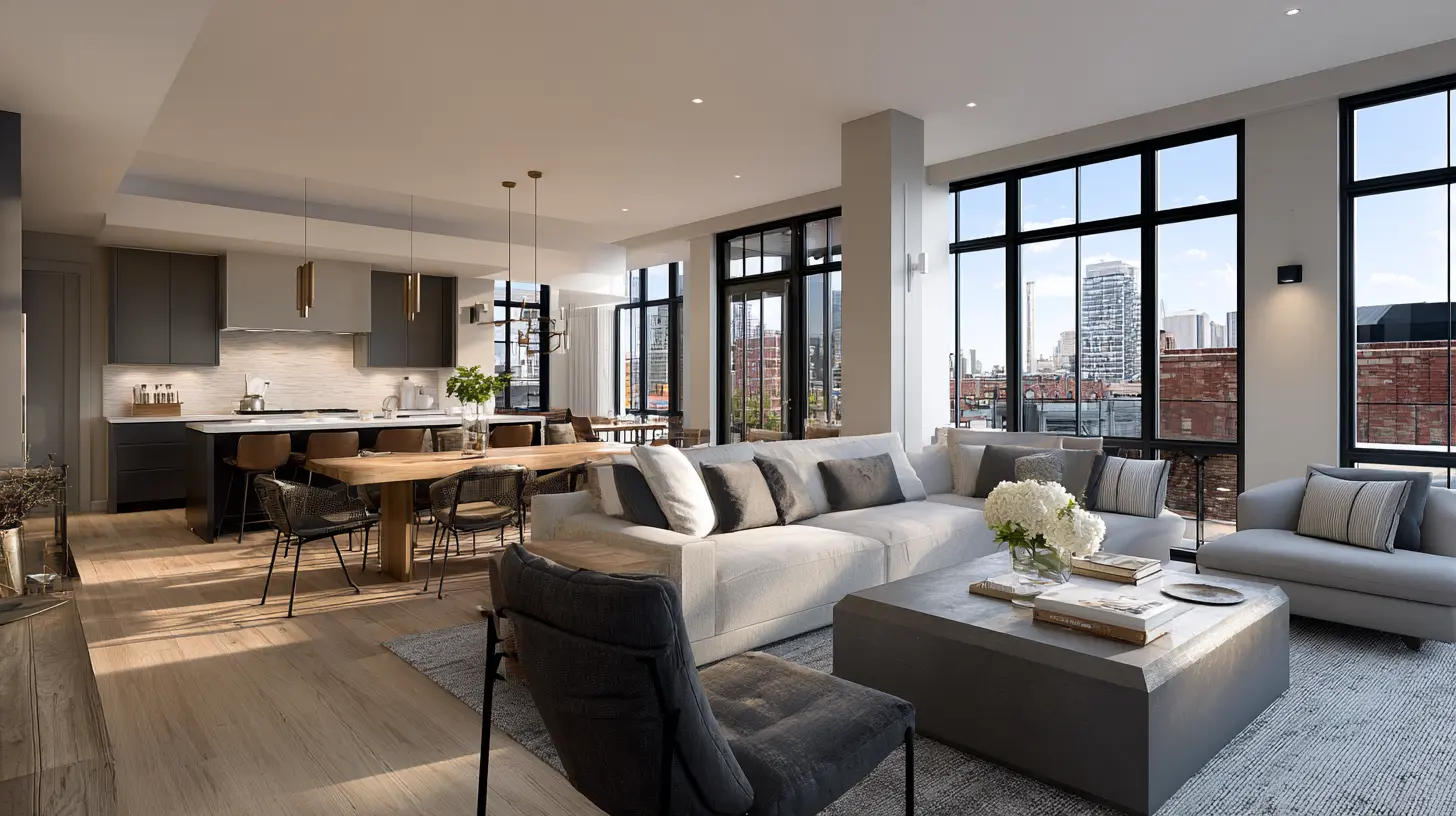
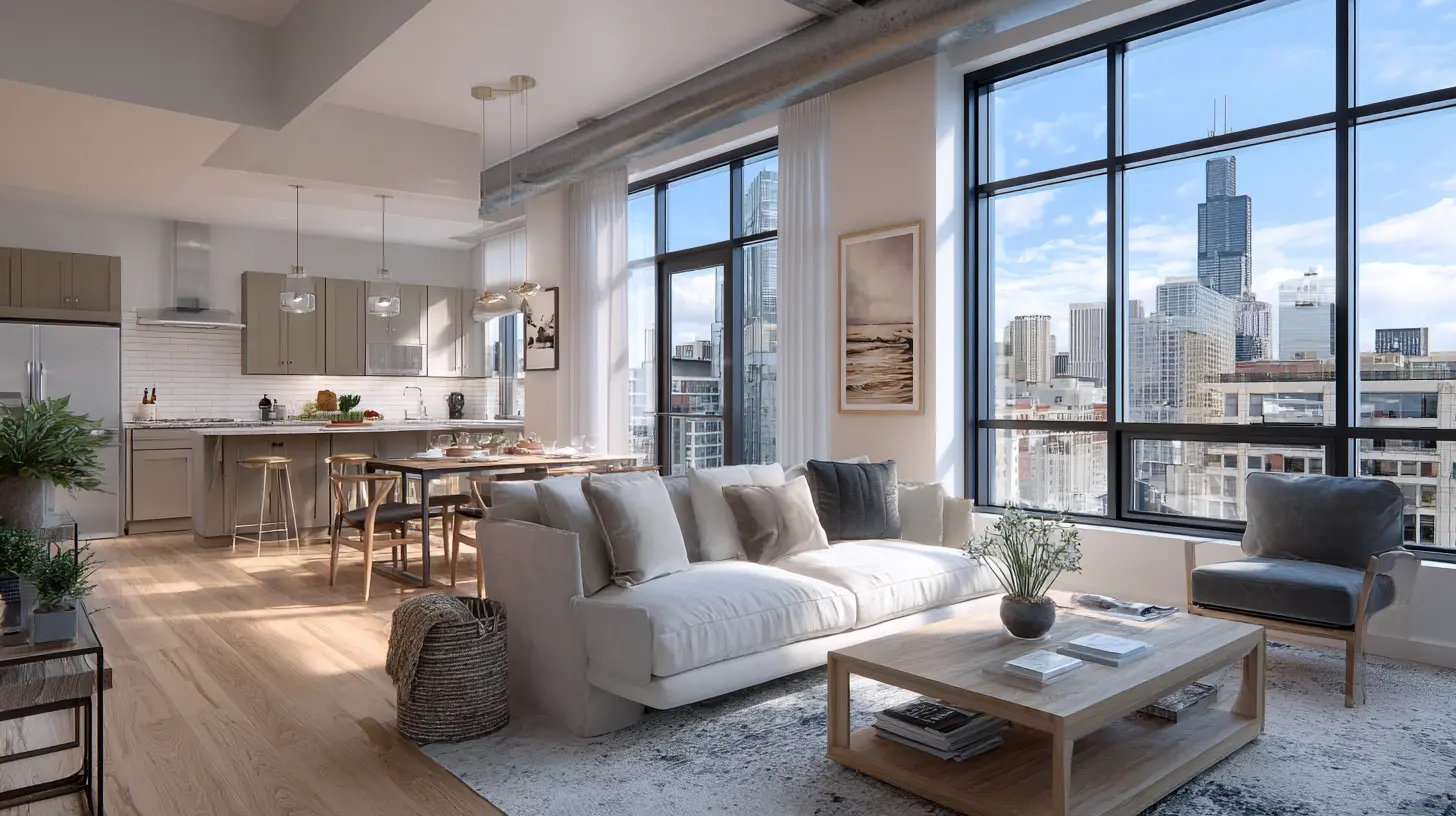
This matters for you as a buyer or renter because conversion units are often priced below brand-new construction. You are getting high ceilings, big windows, and solid bones in buildings that were built for a different era. The trade-off is that layouts can be quirky. You might have a bedroom that was once a corner office with no window that opens, or a kitchen placed where a filing room used to be. But for many people, that character is exactly the appeal.
The Demographic Driver: Who Is Actually Moving Downtown in 2026?
The common assumption is that downtown living is for young, single professionals who want to be near nightlife. That was true in the mid-2010s, but the 2026 cohort is far more diverse. Let me break down the three main groups driving demand.First, you have the empty nesters and pre-retirees. These are people in their late fifties and sixties who sold their large suburban homes during the peak of the 2021-2022 market boom. They have substantial equity, they are tired of maintaining lawns and driveways, and they want walkability, cultural amenities, and access to good healthcare. For them, downtown is not about partying. It is about living in a place where they can walk to a farmer's market, a theater, or a medical center without getting in a car.
Second, there is the remote and hybrid workforce, but not the ones you might expect. The early remote workers who fled to the suburbs in 2020 are now dealing with teenagers who have graduated and jobs that have become more demanding about in-person presence. A 2025 survey by the American Planning Association suggested that nearly 40 percent of workers in major metros are under a three-day-a-week hybrid schedule. That means living two hours away is no longer practical. Downtown offers a shorter commute for the days you do go in, plus the ability to work from a coffee shop or a co-working space on the days you do not.
Third, and this is the surprise, is the young family segment. Downtown school districts in places like Denver, Seattle, and even parts of Manhattan have invested heavily in new educational facilities and family-friendly programming. Parents are realizing that raising kids in a dense urban environment teaches independence and resilience. The trade-off is less private outdoor space, but many new developments are addressing this with rooftop playgrounds, shared courtyards, and partnerships with nearby parks.
The Financial Reality: Pricing, Rents, and the Hidden Costs
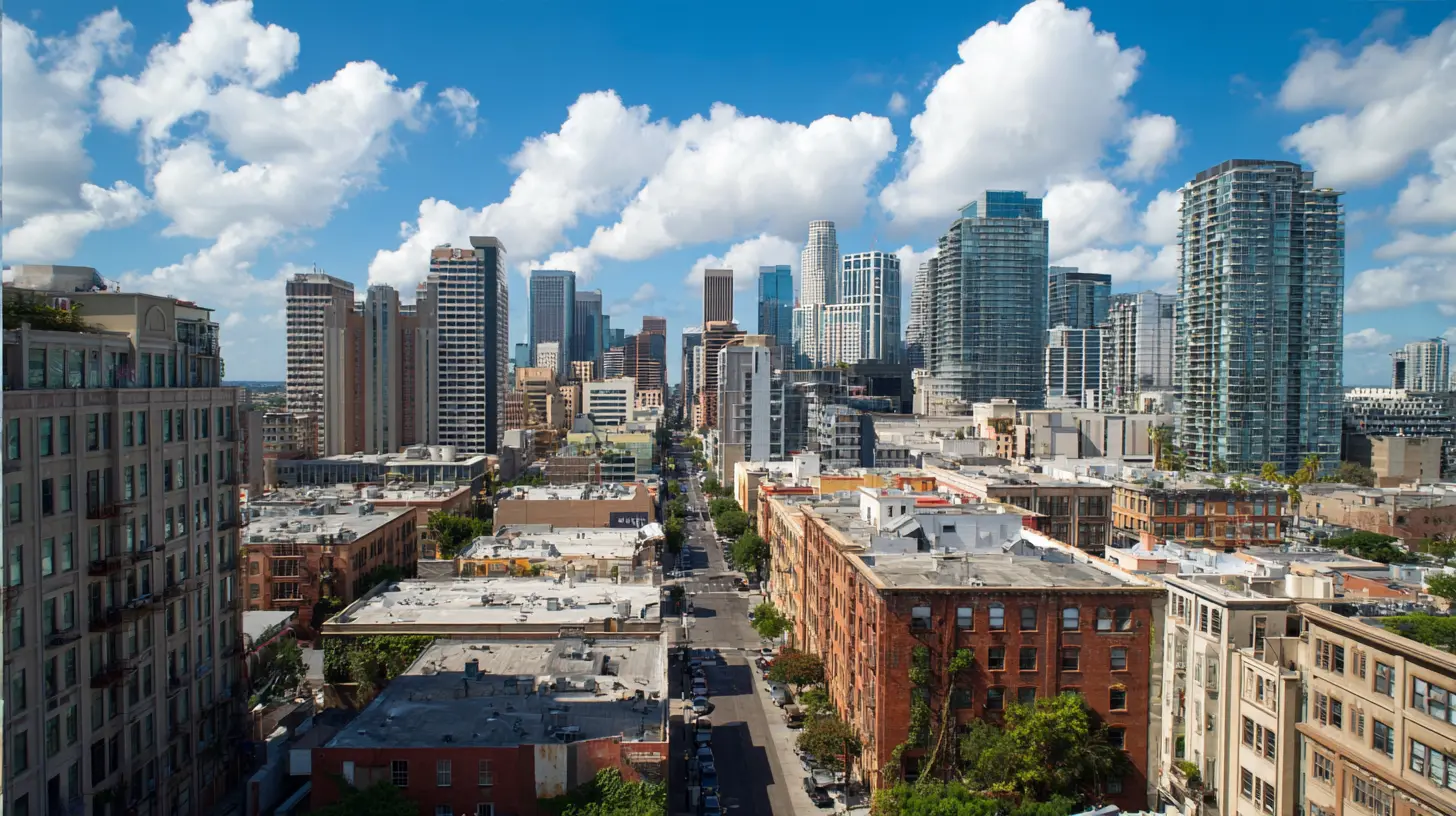
Let us talk numbers, because this is where most of the misinformation lives. In early 2026, the average price per square foot for downtown condos in major metros is still about 15 to 20 percent below the 2019 peak when adjusted for inflation. That is not true everywhere, but it is true in most markets that had an office glut.For example, in downtown Chicago, you can find two-bedroom condos in converted office buildings for under 400,000 dollars, which is remarkable when you consider that similar units in River North were selling for 550,000 in 2018. In Miami, the story is different because downtown has been on a tear, but even there, the rate of price appreciation has slowed to a more sustainable single-digit pace.
Rents are another matter. Downtown rents have risen faster than prices in the last eighteen months, driven by people who want to test the waters before committing to a purchase. A one-bedroom in a converted building in downtown Philadelphia might rent for 2,200 dollars a month, up from 1,900 in 2024. That rental pressure is actually good news for buyers because it signals strong demand and supports future price growth.
But here is the cautionary tale. Downtown living has hidden costs that suburban living does not. Parking is the most obvious one. If you own a car, expect to pay 200 to 500 dollars a month for a parking spot, unless your building includes it in the HOA fee. And you will need to think hard about whether you even need a car. Many downtown residents in 2026 are going car-free or car-light, using a mix of transit, ride-share, and car-sharing services. That can save you 800 dollars a month or more when you factor in insurance, maintenance, and depreciation.
Another hidden cost is the HOA fee itself. In converted office buildings, these fees can be higher than in purpose-built residential towers because the systems, like elevators and HVAC, are oversized for residential use. A fee of 1.20 dollars per square foot per month is common, meaning a 1,200-square-foot condo will run you nearly 1,500 dollars a month just in association fees. You must factor that into your affordability calculation, and you must read the reserve study carefully to ensure the building is not facing a special assessment for a new roof or elevator overhaul.
The Amenity Arms Race: What You Are Actually Paying For
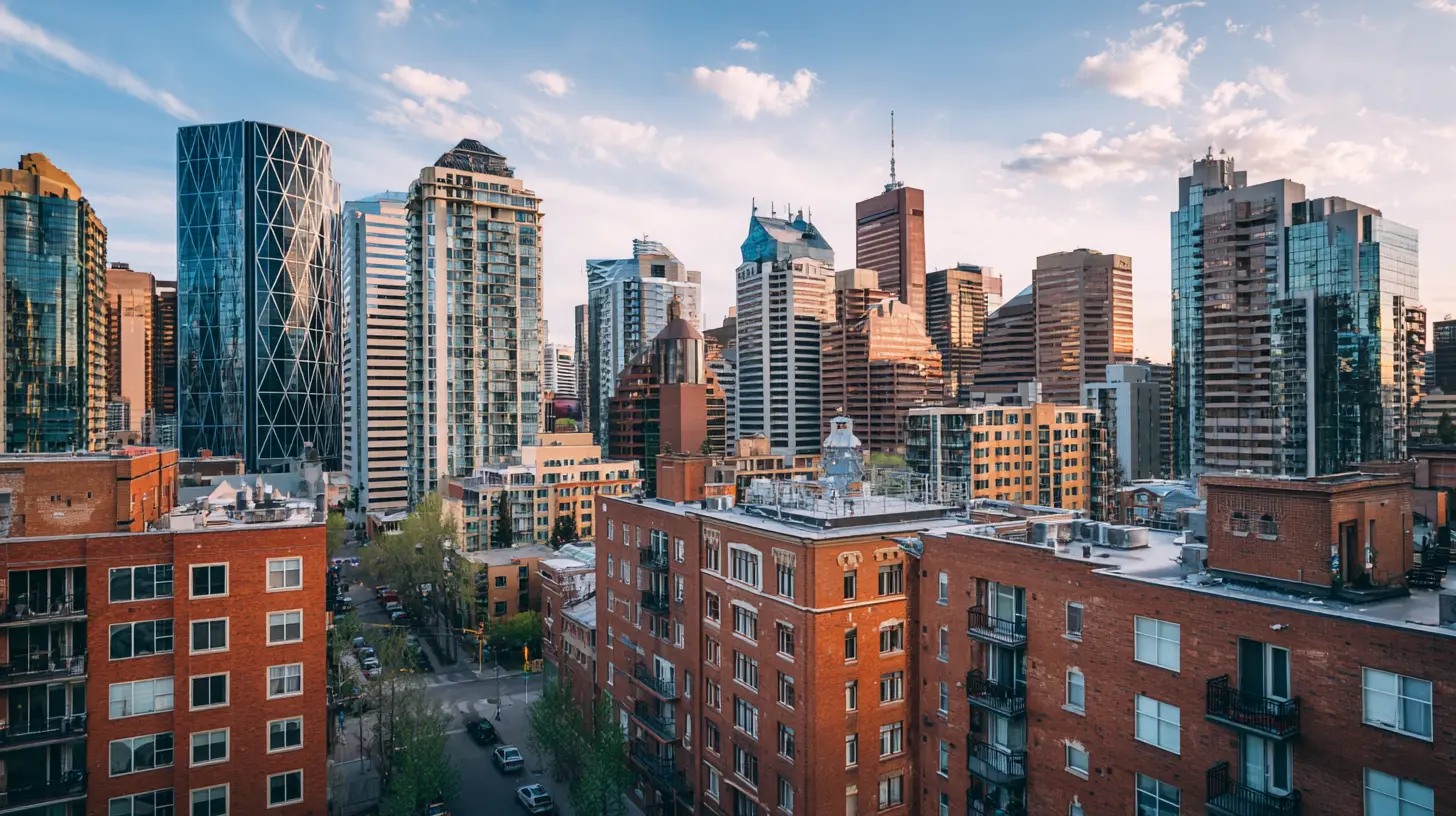
Every new downtown development in 2026 seems to promise the same list of amenities: a fitness center, a rooftop lounge, a dog wash, and a package room. The truth is that amenities are the easiest place to waste money if you do not use them. But there is a new generation of amenities that are genuinely changing the calculus for downtown living.The most important is the dedicated co-working space. In the past, you had to leave your apartment to find a quiet place to work. Now, many buildings offer a full floor of private offices, meeting rooms, and shared desks included in your rent or HOA fee. This is a massive value proposition for hybrid workers. It eliminates the need for a separate office lease and gives you a professional environment without the commute.
Next is the concierge service that goes beyond holding packages. The best buildings in 2026 are offering grocery delivery coordination, pet walking services, and even booking of on-site guest suites for visiting family. These services are not just luxury fluff. For an empty nester who travels frequently or a family with two working parents, they solve real logistical problems.
But beware of the amenity trap. A building with a 50-meter lap pool, a movie theater, and a wine cellar will have higher fees, and those fees will increase faster than inflation. You are better off in a building with fewer, but better-managed, amenities. Look for a building that has a strong reserve fund and a board that is not afraid to cut underused amenities to keep fees stable. A simple rooftop with grills and a fire pit is often more valuable than an indoor basketball court that gets used twice a month.
The Location Nuance: Not All Downtowns Are Created Equal
This is the most critical point I can make. When we say "downtown living," we are talking about a wide spectrum of experiences. The downtown of Houston, Texas, is not the downtown of Portland, Oregon, and the decisions that make sense in one will fail in the other.Let us look at the Sun Belt versus the Rust Belt, for example. In Sun Belt cities like Dallas, Austin, and Phoenix, downtown living is heavily car-dependent. The urban core is spread out, transit is limited, and the heat makes walking less pleasant for much of the year. In those markets, the best downtown properties are those with excellent on-site parking and proximity to a highway, not just to a light rail stop. The revival there is real, but it is a different kind of urbanism.
In contrast, the older, denser cities of the Northeast and Midwest, like Boston, Chicago, and Washington D.C., have walkable street grids and robust transit systems. There, the value is in being within a ten-minute walk of a grocery store, a train station, and a park. The trade-off is older buildings with more maintenance issues, but the lifestyle is genuinely car-free.
You also have to consider the secondary downtowns. Places like Nashville, Charlotte, and Columbus have seen their downtown populations explode because they offer a lower cost of entry than the coastal giants while still providing a vibrant core. In these markets, you can often find a downtown condo for half the price of a comparable unit in New York or San Francisco, and the rental market is strong enough that you can turn it into an investment property later.
The Common Mistakes Buyers Make in a Rebound Market
Every market cycle brings its own set of mistakes, and the 2026 downtown comeback is no exception. Let me walk you through the five most common errors I see clients make, so you can avoid them.The first mistake is assuming that because prices are lower than 2019, they are a bargain. You have to look at the trajectory, not just the level. If a building has been on the market for 90 days and the price has been cut three times, there is a reason. It could be a bad layout, a noisy location, or a special assessment looming. Do not buy a problem just because it is cheap.
The second mistake is ignoring the office vacancy in the immediate vicinity. You might find a beautiful condo in a converted building, but if the block next door has a 30-percent vacant office tower, your property value will stagnate. Look for areas where the commercial vacancy rate is below 15 percent, or where you see active construction and new tenants moving in.
The third mistake is underestimating the noise and the light. Downtown living means sirens, trash trucks, and late-night bar crowds. You can mitigate this with double-paned windows and higher floors, but you cannot eliminate it. Visit the property at different times of day, especially on a Friday night and a Sunday morning. If you are a light sleeper, this lifestyle may not be for you, no matter how great the floor plan looks.
The fourth mistake is over-leveraging yourself on the assumption that prices will keep rising. The 2026 market is recovering, but it is not a speculative bubble. Interest rates are still elevated compared to the 3-percent mortgages of the early 2020s, and price growth is likely to be moderate, in the 3 to 5 percent annual range. Buy because you want to live there, not because you expect to flip it in two years.
The fifth mistake is failing to understand the rental market if you are buying as an investment. Downtown rental demand in 2026 is strong, but it is driven by a specific profile: young professionals and empty nesters who want short-term flexibility. This means your ideal tenant is not a family with school-age children who will stay for five years. It is a single person or a couple who will stay for one to two years. You need to price your rent accordingly and budget for higher turnover costs.
The Best Practices for a Successful Downtown Purchase
So, how do you do this right? Let me give you a practical playbook based on what has worked for my clients over the last two years.First, define your "radius of necessity." Write down the five things you need to have within a fifteen-minute walk. For most people, that is a grocery store, a pharmacy, a transit stop, a coffee shop, and a green space. If a property does not have all five within that radius, cross it off your list. This simple filter will eliminate 60 percent of the inventory and save you hours of wasted viewings.
Second, get pre-approved for a mortgage before you even start looking, and be realistic about your down payment. In a conversion building, lenders often require 20 percent down because the building may have a lower appraisal than the purchase price. If you only have 10 percent, you may need to look at purpose-built residential buildings instead, which have more conventional financing.
Third, hire a real estate attorney who specializes in condominium law, not just any closing attorney. The association documents for a converted office building are complex. You need someone who will review the conversion documents, the estoppel certificate, and the meeting minutes to ensure there are no pending lawsuits or budget shortfalls.
Fourth, negotiate on the HOA fee, not just the price. Sellers are often more flexible on paying a year of HOA fees upfront or covering a special assessment than they are on lowering the purchase price. This can save you thousands of dollars in the first year and improve your cash flow.
Fifth, and this is the one people hate to hear, be patient. The best deals in a rebound market come from distressed sellers who bought at the peak in 2021 or 2022 and are now underwater or simply tired of carrying the costs. These properties are not advertised widely. They are often sold through off-market listings or quiet deals. Build relationships with a few local agents who specialize in downtown condos, and tell them exactly what you are looking for. The right deal will come, but it may take three to six months.
The Lifestyle Question: Is Downtown Living Right for You?
This is the question that no financial analysis can answer. Downtown living is not objectively better or worse than suburban living. It is a trade-off, and you have to be honest with yourself about your preferences.If you value privacy, a large yard, and the ability to work on your car in the garage, downtown will frustrate you. If you value spontaneity, cultural access, and not owning a lawnmower, downtown will liberate you.
The best way to test this is to rent for a year before you buy. Find a short-term lease in the neighborhood you are considering. Live through a summer and a winter. See how you feel when you have to haul your groceries up three flights of stairs because the elevator is broken, or when you step outside at 11 p.m. and the street is alive with people. If that energy invigorates you, you are a downtown person. If it drains you, you will know that too, and you will have saved yourself from a costly mistake.
The 2026 market is a unique window. We have a convergence of lower prices, better building stock through conversions, and a genuine demand from multiple demographic groups. This window will not stay open forever. As the office inventory gets converted and the desirable units get snapped up, prices will firm up and the bargains will disappear.
If you are on the fence, I would encourage you to look at the numbers, but also to trust your gut. The downtown comeback is not a marketing slogan. It is a structural shift in how we live and work, and it is creating opportunities that were not available even five years ago. The key is to approach it with open eyes, a clear budget, and a realistic understanding of the trade-offs. Do that, and you might just find that downtown is not where you have to live, but where you want to live.
all images in this post were generated using AI tools
Category:
Real Estate NewsAuthor:

Kingston Estes
Discussion
rate this article
2 comments
Josephine Rivera
This article offers a thoughtful perspective on the resurgence of downtown living. It's encouraging to see how urban areas are adapting to meet the needs of residents in 2026. Exciting times are ahead for those looking to embrace city life once more. Great insights!
September 13, 2026 at 4:47 AM
Kingston Estes
Thank you for your kind words! I'm glad you found the insights valuable. Exciting times indeed for urban living!
Wren Allen
The resurgence of downtown living in 2026 signals a shift in urban preferences. Increased remote work flexibility and a desire for vibrant community spaces are driving this trend. As infrastructure improves, expect higher demand for city-centered real estate investments.
September 11, 2026 at 3:13 AM