The Role of Homeowners Insurance in Protecting Against Natural Disasters
14 August 2026
Owning a home is one of the biggest investments you'll ever make. But what happens when Mother Nature decides to throw a tantrum? Whether it’s hurricanes, wildfires, floods, or earthquakes, natural disasters can wreak havoc on your property in an instant. This is where homeowners insurance steps in as your financial safety net, helping you pick up the pieces when disaster strikes.
But let’s face it—insurance policies can be confusing, filled with fine print and complicated terms. So, what exactly does homeowners insurance cover when it comes to natural disasters? And what steps can you take to ensure you're fully protected? Let’s dive in.
What Is Homeowners Insurance?
Homeowners insurance is a type of policy designed to protect your home, personal belongings, and liability in case of unexpected events. It covers a variety of risks, including fire, theft, and yes—many natural disasters.The goal? To help you recover financially after your home or belongings suffer damages. Without it, rebuilding costs could leave you in financial ruin.
How Homeowners Insurance Protects Against Natural Disasters
1. Coverage for Common Disasters
Most standard homeowners insurance policies cover a range of natural disasters, but not all of them. Here’s a breakdown of what is typically included:- Windstorms and Hurricanes – Damage from strong winds caused by storms or hurricanes is usually covered. However, if you live in a hurricane-prone area, you may need a separate hurricane deductible.
- Wildfires – Fires, including those caused by natural disasters, are generally covered under a standard homeowners policy.
- Hailstorms and Tornadoes – Wind and hail damage are typically included in your coverage, helping pay for repairs to your roof, siding, and windows.
- Lightning Strikes – If lightning damages your home or causes a fire, your insurance will likely help cover the repairs.
2. What’s Not Covered? (And How to Fix That)
Unfortunately, not all natural disasters are covered by a standard homeowners insurance policy. Some of the most notable exclusions include:- Flooding – Standard policies do not cover flood damage. If you live in a flood-prone area, you'll need a separate flood insurance policy through the National Flood Insurance Program (NFIP) or a private insurer.
- Earthquakes – Earthquake coverage is generally not included. However, you can purchase a separate earthquake policy to protect against tremors, aftershocks, and structural damage.
- Landslides and Sinkholes – These are typically excluded from standard policies, but additional coverage can be purchased if you live in a high-risk area.
If you’re unsure whether you're covered for these scenarios, reviewing your policy with your insurance provider is a smart move.
Additional Coverage Options for Extra Protection
1. Flood Insurance
If you live near a body of water, flood insurance is a must. Even if you think you're safe, flash floods can occur anywhere. Without it, you could be responsible for thousands in repair costs.2. Earthquake Insurance
Living near a fault line? Earthquake insurance can provide coverage for damages to your home's structure, personal property, and additional living expenses if you have to relocate during repairs.3. Extended Replacement Cost Coverage
After a major disaster, rebuilding costs can skyrocket due to high demand for materials and labor. Extended replacement cost coverage ensures your insurance pays beyond your policy limits, giving you additional financial breathing room.4. Loss of Use Coverage
If your home is deemed unlivable after a natural disaster, loss of use coverage helps pay for temporary housing, food, and other expenses while repairs are being made.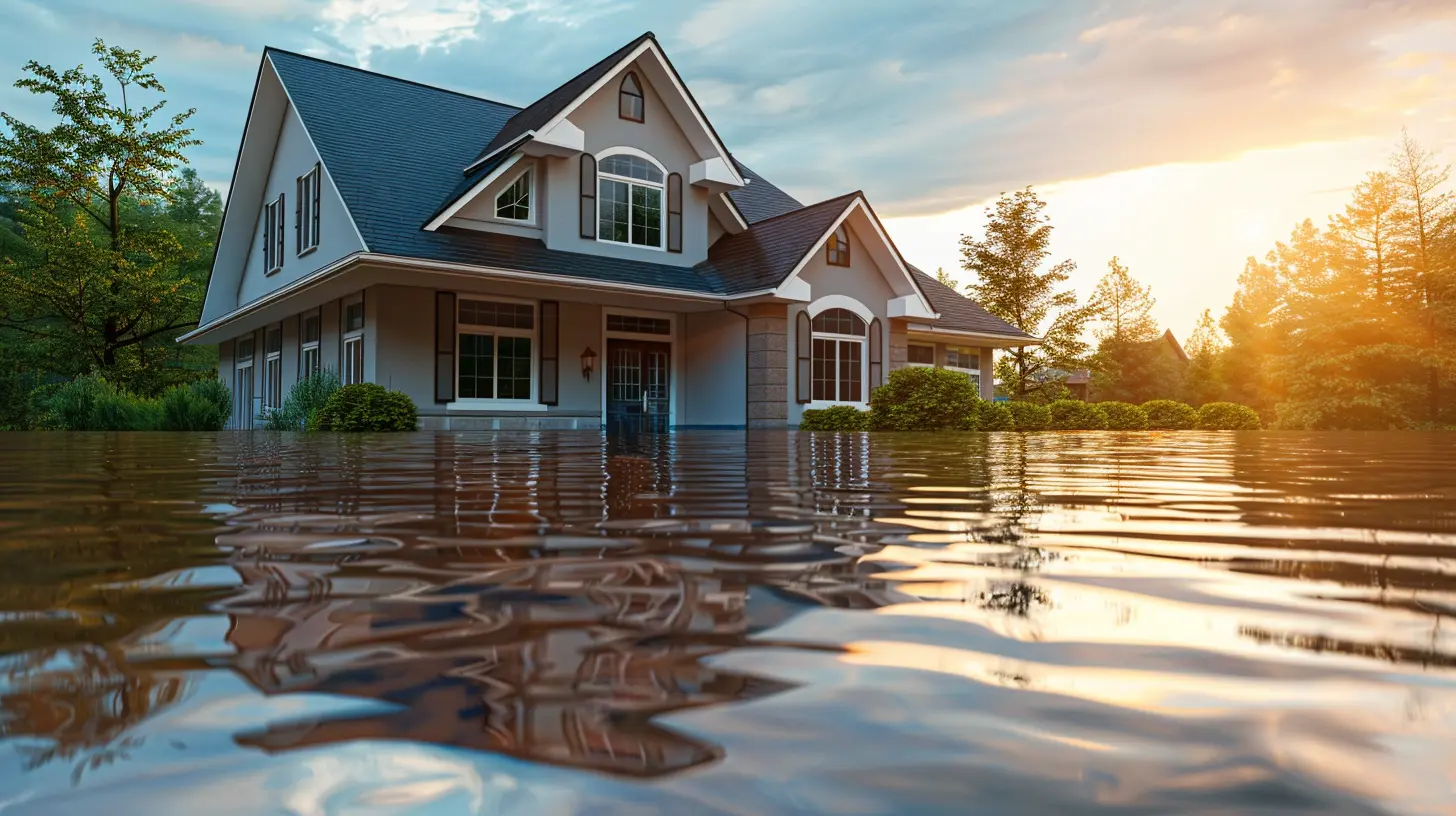
How to Ensure You Have Sufficient Coverage
1. Review Your Policy Regularly
Insurance needs change over time. Maybe you've renovated your home, added expensive furniture, or moved to an area with higher disaster risks. Regularly reviewing your policy ensures you're not underinsured when disaster strikes.2. Understand Your Deductibles
Every insurance policy comes with a deductible—the amount you must pay before coverage kicks in. Some natural disasters, like hurricanes, have separate deductibles that can be significantly higher than your standard deductible. Make sure you know what you’ll owe out of pocket.3. Keep an Updated Home Inventory
Could you list every single item in your home off the top of your head? Probably not. Keeping an updated home inventory with photos and receipts makes the claims process much smoother in case of a loss.4. Work with an Insurance Agent
A professional can help you tailor your coverage based on your location, home value, and risk factors. It might cost a little more, but having the right coverage is worth every penny when disaster strikes.Filing a Claim After a Natural Disaster
So, disaster has hit—now what? Here’s a step-by-step guide to filing a homeowners insurance claim:1. Document the Damage – Take photos and videos of the destruction before making any temporary repairs.
2. Contact Your Insurance Company ASAP – The sooner you file a claim, the faster you can get assistance.
3. Make Temporary Fixes – If possible, cover holes, broken windows, or leaks to prevent further damage.
4. Gather Receipts – If you've spent money on temporary housing or repairs, keep your receipts. Some expenses may be reimbursed.
5. Meet with the Adjuster – Your insurance company will send an adjuster to assess the damage and determine the payout amount.
The Bottom Line – Is Homeowners Insurance Enough?
While homeowners insurance provides a crucial safety net, it doesn’t cover everything. For full protection against natural disasters, you may need additional policies tailored to your specific risks.If you’re unsure where you stand, now is the time to review your policy, ask questions, and make updates if necessary. Because when it comes to protecting your home, being proactive today can save you from financial devastation tomorrow.
all images in this post were generated using AI tools
Category:
Homeowners InsuranceAuthor:

Kingston Estes
Discussion
rate this article
1 comments
Trinity Hunter
Imagine a storm sweeping through, leaving chaos in its wake. Will your home stand strong or succumb to nature's fury? Homeowners insurance might just be the lifeline you never knew you needed in these uncertain times...
August 20, 2026 at 2:22 AM