The Challenges and Rewards of Full-Time Tiny Home Living
7 April 2026
Tiny homes have surged in popularity as more people embrace minimalism, sustainability, and financial freedom. But while the idea of full-time tiny home living sounds dreamy—cozy spaces, lower costs, and a simpler life—the reality isn’t always as picture-perfect as Instagram makes it seem. There are unique challenges that come with downsizing your life, but for those who embrace the tiny home movement, the rewards can be truly life-changing.
If you're considering making the switch from a traditional home to a tiny house, buckle up. This journey is filled with both triumphs and trials. Let’s take a deep dive into the good, the bad, and everything in between when it comes to tiny home living. 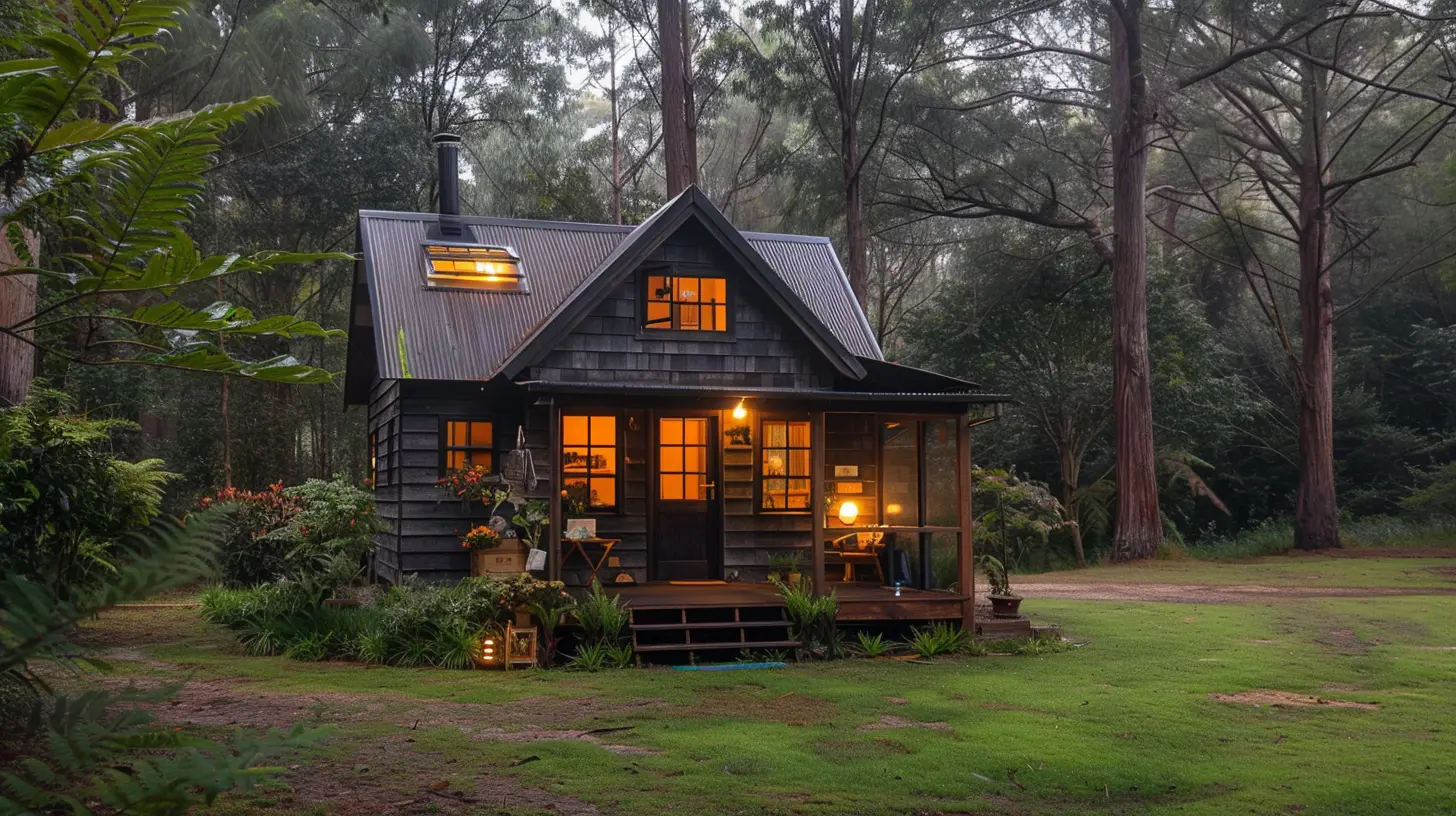
The Challenges of Full-Time Tiny Home Living
1. Limited Living Space
One of the most obvious challenges? Space—or more accurately, the lack of it. Going from a spacious home or apartment to a few hundred square feet can be a shock to the system.- Storage Woes – There’s no attic, basement, or oversized closet to stash away seasonal clothes, keepsakes, or extra kitchen gadgets. You have to be ultra-intentional about what you own.
- Personal Space? Hard to Find – If you live with a partner, family, or pets, privacy can be a rare luxury. Imagine trying to have a quiet work call while your spouse is cooking two feet away.
The key here is smart design. Every inch must serve a purpose. Hidden storage, multifunctional furniture, and vertical space utilization become essential.
2. Zoning and Legal Issues
Owning a tiny home doesn’t automatically mean you can park it anywhere. Zoning laws and building codes vary wildly depending on location.- Some Areas Don’t Allow Tiny Homes – Many cities still have strict minimum square footage requirements for residential properties.
- RV vs. Foundation Homes – If your tiny home is on wheels, it often falls under RV regulations, meaning full-time residency might not be legal in some areas.
Before diving in, research zoning laws, tiny home-friendly communities, or purchase land where tiny homes are permitted.
3. Utilities and Infrastructure Challenges
Traditional homes are hooked up to city water, sewer, and power. Tiny homes? Not always so simple.- Off-Grid Struggles – If you’re living off the grid, you’ll need reliable solar panels, a composting toilet, and water collection systems. These can be costly upfront and require maintenance.
- Limited Power and Water – Running multiple appliances at once isn’t always feasible. Long showers? Probably not happening.
While off-grid living offers independence, it also demands self-sufficiency and problem-solving skills to keep things running smoothly.
4. Downsizing Is Harder Than You Think
You don’t realize how much stuff you have until you have to get rid of most of it. Sorting through belongings can be emotionally draining.- Sentimental Attachments – Letting go of items with memories attached is tough. Do you really need that 10-year-old concert T-shirt?
- Practicality vs. Luxury – Some things simply won’t fit. Say goodbye to excessive kitchenware, massive book collections, or an extensive wardrobe.
This process forces you to evaluate what truly matters. It’s about prioritizing necessities over excess.
5. Social Stigma and Misconceptions
Not everyone understands or supports the tiny home lifestyle.- “Why Would You Live Like That?” – Some people see tiny homes as cramped, impractical, or even a step backward.
- Family and Friends May Not Approve – Your loved ones might question your decision, making it difficult if you lack a support system.
Over time, proving that tiny living enhances your quality of life helps shift these perceptions. 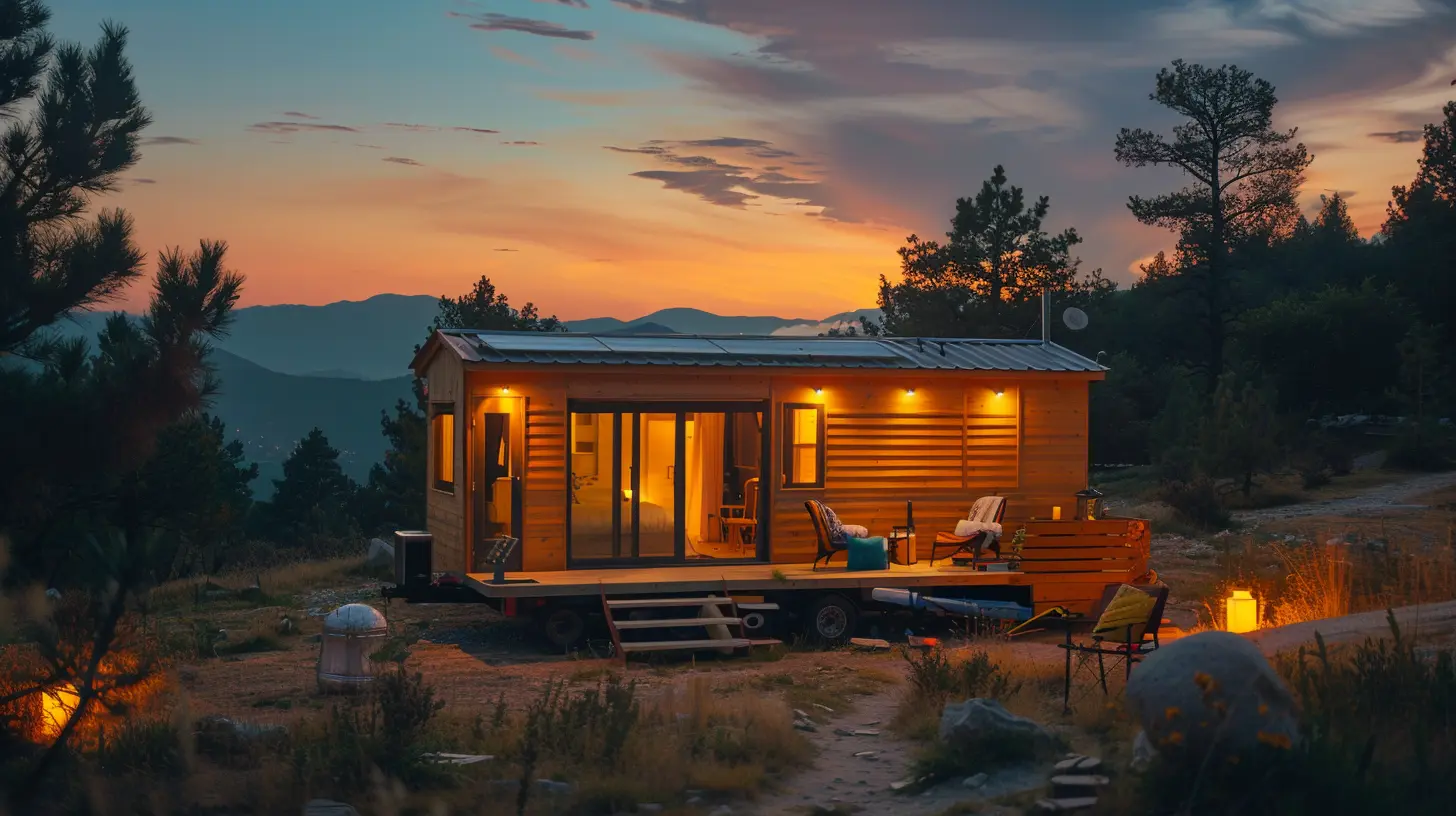
The Rewards of Full-Time Tiny Home Living
Now, for the good stuff—why so many people swear by tiny homes as a life-changing decision.1. Financial Freedom
Tiny homes cost significantly less than traditional houses, which means:- No More Crushing Mortgages – Many tiny house owners pay upfront or have minimal loans.
- Lower Bills – Reduced energy use, lower property taxes, and minimal maintenance costs save money in the long run.
This financial relief allows for more experiences—travel, hobbies, and a less stressful lifestyle.
2. Simplicity and Minimalism
Tiny living redefines the meaning of "enough."- Less Stuff, Less Stress – There’s no space for clutter, forcing you to keep only what truly serves you.
- More Time for What Matters – With fewer belongings to clean and manage, you gain time to focus on relationships, passions, and experiences.
In a world obsessed with consumerism, living with less can feel incredibly liberating.
3. Eco-Friendly Lifestyle
Tiny homes have a much smaller carbon footprint.- Energy Efficiency – Many tiny homes use solar panels and are designed for optimal energy conservation.
- Less Waste – Consuming less space and resources naturally leads to a more sustainable way of living.
For those passionate about environmental sustainability, tiny living is an excellent way to walk the talk.
4. Mobility and Flexibility
If you have a tiny home on wheels, the world becomes your backyard.- Travel with Your Home – Want to move? Your house comes with you. No need to pack boxes or hire movers.
- Freedom to Change Locations – Experience different environments without the hassle of buying and selling homes.
For digital nomads and adventurers, this lifestyle is a dream come true.
5. A Stronger Sense of Community
Tiny home living often leads to deep connections with like-minded individuals.- Tiny House Communities – Many areas have vibrant tiny home villages where residents share resources and support one another.
- More Social Interaction – Downsizing often means spending more time outside, engaging with neighbors and nature.
Without the distractions of maintaining a large home, relationships and meaningful interactions take center stage. 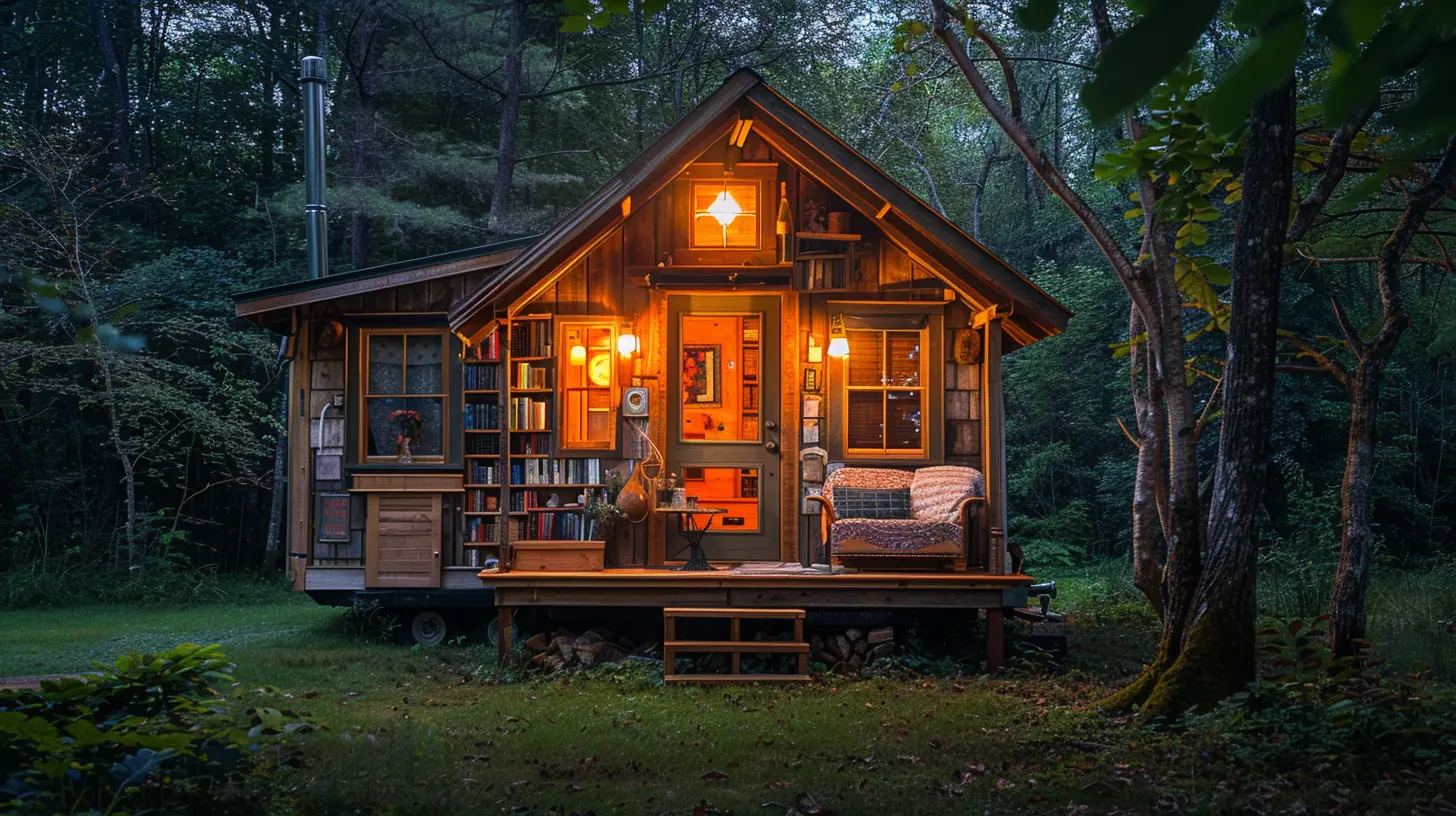
Is Tiny Home Living Right for You?
Tiny houses aren't for everyone. The lifestyle comes with sacrifices, but the rewards can be life-changing for those who embrace it.Ask yourself:
- Can you handle small spaces and close quarters?
- Are you okay with fewer material possessions?
- Are you willing to deal with zoning and legal hurdles?
- Do you value financial freedom and minimalism over traditional luxuries?
If your answers lean toward “yes,” tiny living might be your calling. 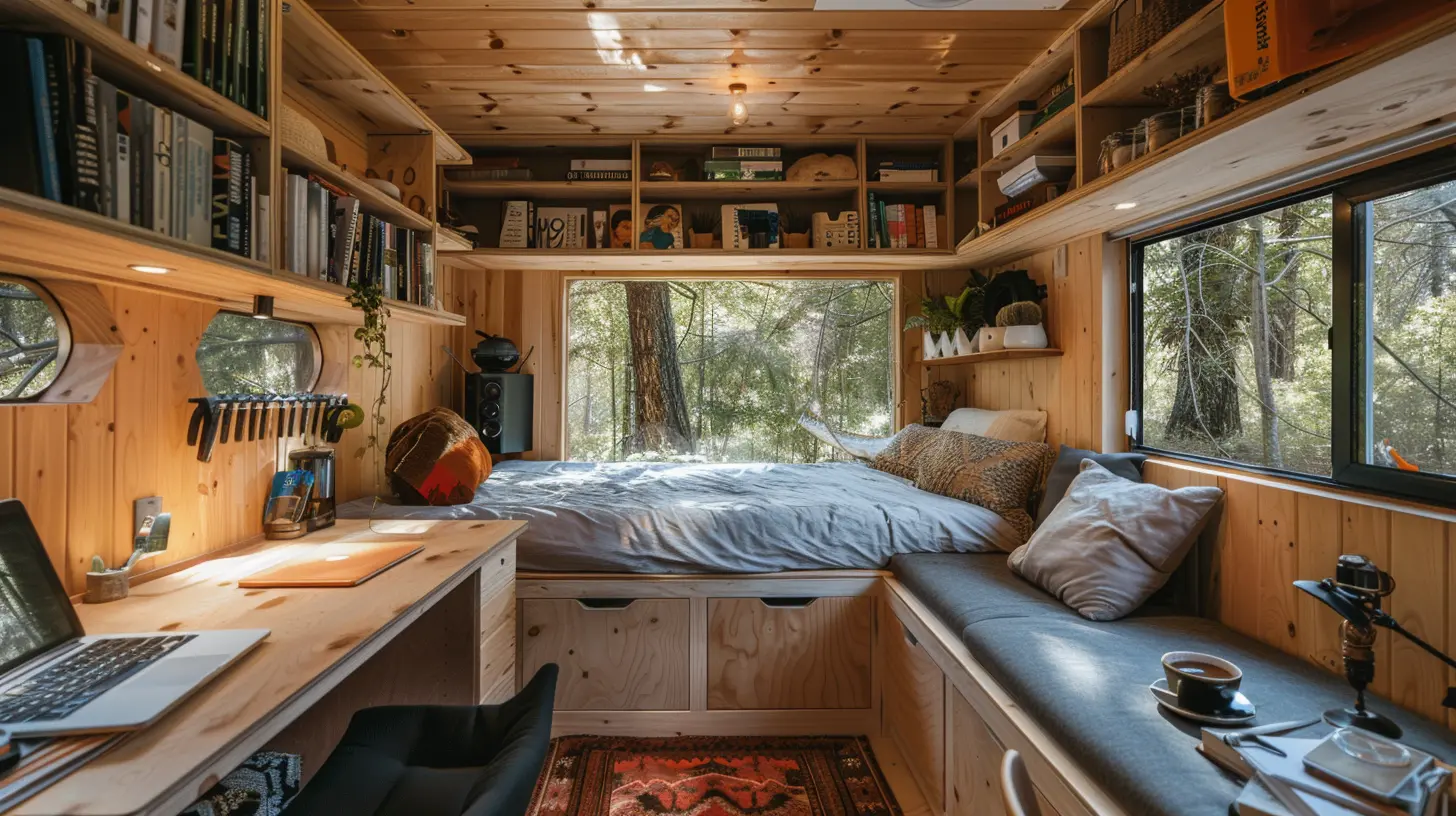
Final Thoughts
Full-time tiny home living is a bold lifestyle choice. It challenges your perspective on what’s truly necessary while offering unparalleled freedom, financial relief, and a sense of fulfillment rarely found in traditional housing.Sure, it’s not always easy—there are legal headaches, tight spaces, and moments of frustration. But for those who stick with it, the rewards far outweigh the struggles.
Ultimately, tiny home living isn’t just about having a small house—it’s about crafting a life that prioritizes happiness, simplicity, and meaningful experiences over square footage.
all images in this post were generated using AI tools
Category:
Tiny HomesAuthor:

Kingston Estes
Discussion
rate this article
2 comments
Maisie McMahon
Tiny home living balances minimalism's allure with significant space and lifestyle challenges.
April 12, 2026 at 4:16 AM
Kingston Estes
You're right. Tiny home living offers a unique blend of freedom and hurdles that really reshape how we think about space and lifestyle. Thanks for sharing your thoughts!
Lola Gates
This article expertly highlights the unique challenges and rewards of full-time tiny home living. It provides valuable insights for anyone considering this lifestyle, balancing simplicity with the need for space and comfort.
April 7, 2026 at 1:01 PM
Kingston Estes
Thank you for your feedback! I'm glad you found the article helpful in exploring the nuances of tiny home living.