Sustainable Real Estate Development with Energy-Efficient Technologies
19 February 2026
Let’s be real—real estate is booming, but at what cost? Traditional construction practices are notorious for guzzling up resources, generating mountains of waste, and leaving one heck of a carbon footprint. But hey, we’re in the 21st century, where sustainability isn't just a fancy buzzword—it’s the future.
Sustainable real estate development is no longer a "nice-to-have"—it's the golden ticket to long-term property value, lower utility bills, and, oh yeah, saving the planet. So, let’s dive into why energy-efficient technologies are shaking up the real estate game and how they are the new must-have for savvy developers and homeowners alike.
Why Sustainable Real Estate Development Matters
Let’s face it—climate change is here, and the housing industry is one of the biggest culprits in resource depletion and carbon emissions. From inefficient HVAC systems to outdated insulation, traditional buildings are energy hogs.But here’s the kicker—sustainable real estate isn’t just about hugging trees and feeling good about it. It’s about smart investments, lower costs, and building properties that not only stand the test of time but also increase in value.
By integrating energy-efficient technologies into new builds and renovations, developers can reduce their environmental impact, attract eco-conscious buyers, and cut down on operating costs. Win-win, right?
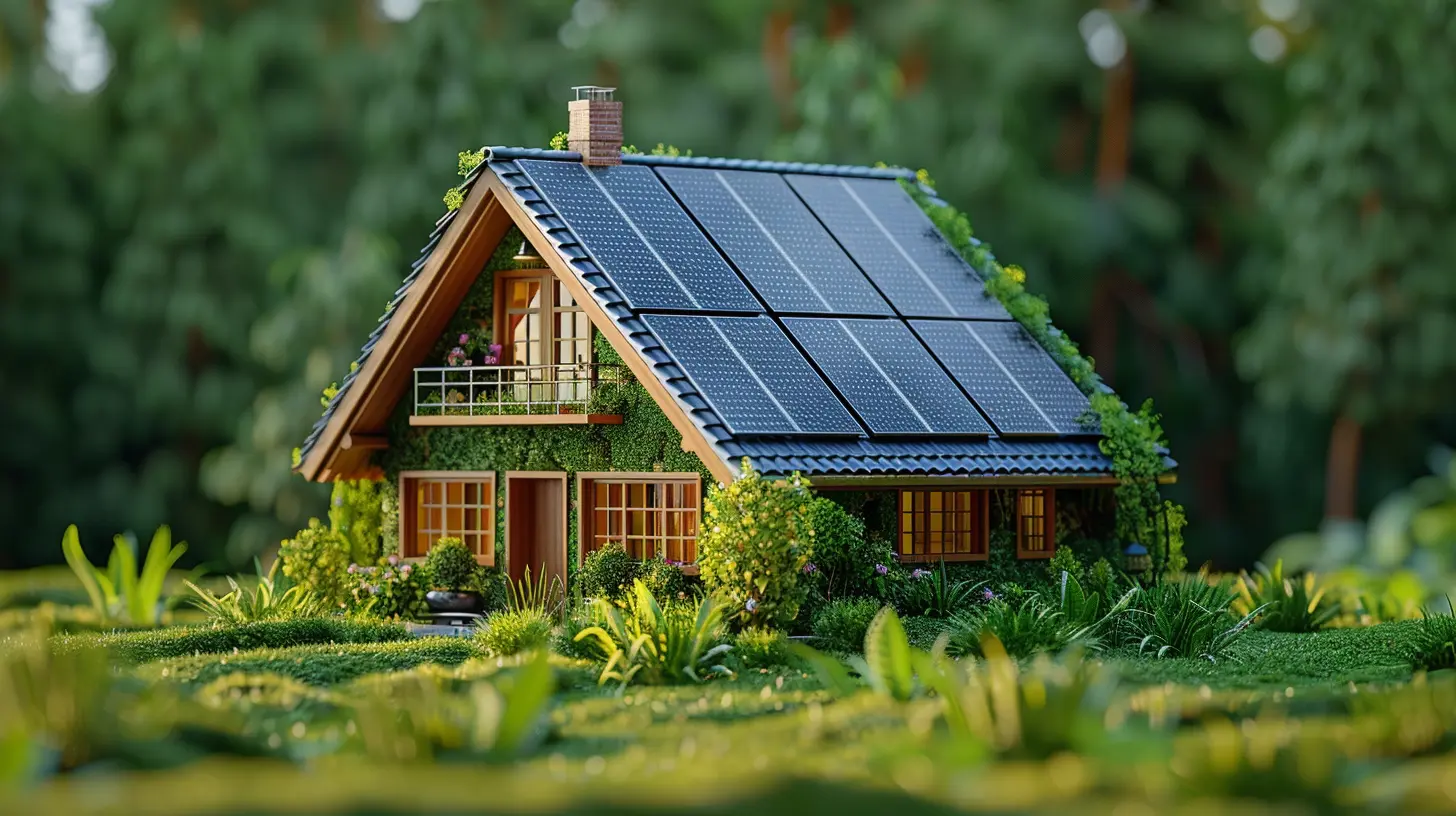
The Game-Changing Energy-Efficient Technologies
Now, let's talk tech! Energy efficiency isn't just about swapping out incandescent bulbs for LEDs (though that helps). It's about building smarter, greener, and more resilient structures. Here are the top technologies revolutionizing sustainable real estate development:1. Solar Power: The Undisputed King of Green Energy
If you're still skeptical about solar panels, what rock have you been living under? Solar energy has gone from an expensive novelty to a mainstream powerhouse. With tax incentives, rebates, and advances in solar panel efficiency, it's a total no-brainer for new developments.Benefits of solar tech in real estate:
- Lower Energy Bills: Harvest the sun’s power and slash electricity costs.
- Grid Independence: Say hello to energy resilience, especially in areas prone to power outages.
- Boosted Property Value: Homes with solar panels sell faster and at higher prices.
2. Smart Thermostats: Because No One Has Time for Manual Adjustments
Traditional thermostats? So last decade. Smart thermostats like Nest and Ecobee learn your habits and auto-adjust to save energy while keeping your space comfortable.How they make a difference:
- Reduce Wasted Energy: No more heating an empty house.
- Lower Carbon Footprint: Use only the energy you need.
- Control from Anywhere: Adjust temp settings from your phone—because convenience is everything.
3. Energy-Efficient Windows: More Than Just a Pretty View
Windows aren’t just for looking outside; they play a huge role in energy efficiency. Traditional windows let heat escape in winter and trap excess heat in summer, jacking up energy use.Enter energy-efficient windows:
- Low-E Glass: Reflects heat while letting in natural light.
- Double and Triple Glazing: Insulates against extreme temperatures.
- UV Protection: Minimizes fading of furniture and flooring.
4. High-Performance Insulation: The Silent Hero of Energy Efficiency
Insulation isn’t sexy, but it’s a game-changer. A well-insulated home requires less heating and cooling, saving tons of energy (and cash).Types of high-performance insulation:
- Spray Foam: Seals gaps like a pro.
- Rigid Foam Boards: Perfect for walls and ceilings.
- Reflective Insulation: Great for hot climates, deflecting heat away from the home.
5. Geothermal Heating and Cooling: Earth Knows Best
Geothermal systems tap into the ground’s constant temperatures to heat and cool buildings efficiently. Forget fossil fuels—these systems use underground pipes to circulate heat naturally.Why it’s awesome:
- Super Energy Efficient: Uses 25-50% less energy than conventional HVAC systems.
- Low Maintenance: Fewer moving parts mean fewer breakdowns.
- Long-Term Savings: High upfront cost, but major long-term returns.
6. Water Recycling Systems: Because Every Drop Matters
Water shortages are a growing crisis, and sustainable buildings need to be part of the solution. Rainwater harvesting and greywater recycling can cut down on water wastage big time.Options to consider:
- Rainwater Collection Systems: Store rainwater for irrigation, toilets, and more.
- Greywater Recycling: Reuse water from sinks, showers, and washing machines.
- Low-Flow Fixtures: Cut water waste without sacrificing performance.
7. Smart Lighting: Because Wasting Electricity is so 2005
Lighting accounts for a big chunk of energy consumption in properties. Enter smart lighting systems that adjust brightness, color, and even turn off when nobody’s around.Why smart lighting is a must:
- Energy Savings: Auto-dimming and motion sensors optimize usage.
- Longer Bulb Life: LED and smart bulbs last years longer than traditional ones.
- App & Voice Control: Control lights remotely—because flipping a switch is too much work.
Sustainability in Construction: The Building Blocks of a Greener Future
It’s not just about what happens after the building is done—sustainability starts during construction.- Green Building Materials – Bamboo, recycled steel, and sustainable concrete reduce environmental impact.
- Prefabrication & Modular Construction – Cuts waste and speeds up build time.
- Passive Design Techniques – Maximizes natural airflow, lighting, and thermal insulation, minimizing artificial energy use.
The Financial Perks of Sustainable Real Estate
Still think sustainability is just fluff? Think again. Energy-efficient homes and commercial buildings bring in serious financial perks:- Higher Property Value – Eco-friendly homes attract buyers willing to pay a premium.
- Tax Incentives & Rebates – Governments love green energy and will reward you for it.
- Lower Utility Bills – Reduced energy and water usage equals more savings.
The Future of Sustainable Real Estate Development
If developers and homeowners don’t hop on the sustainability train now, they’ll be left in the dust. The future of real estate is green, smart, and energy-efficient.With rapid advancements in technology, lower costs, and a growing demand for eco-friendly properties, sustainable real estate development isn’t just the future—it’s happening NOW.
So, whether you're a developer, investor, or homebuyer, it's time to think long-term. Energy-efficient technologies are here to stay, and they’re transforming the real estate market from the ground up. Are you ready to be part of the revolution?
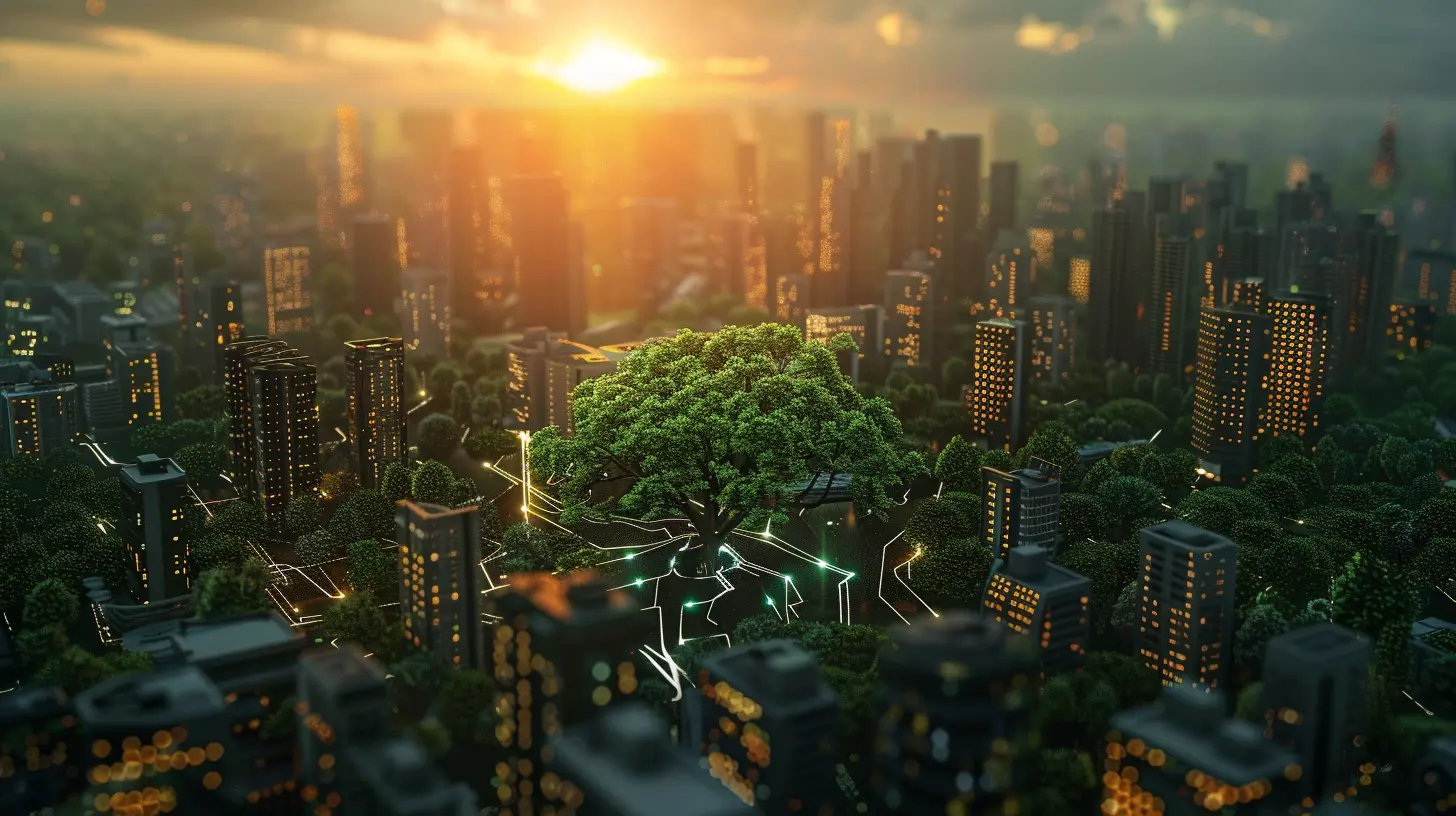
all images in this post were generated using AI tools
Category:
Real Estate TechnologyAuthor:

Kingston Estes
Discussion
rate this article
2 comments
Shelby McIlwain
Integrating sustainability transforms our future and environment.
March 8, 2026 at 3:39 AM
Kingston Estes
Absolutely! Integrating sustainability is key to creating a resilient future and enhances our environment through energy-efficient real estate development.
Zanya Matthews
Great read! Embracing sustainable real estate and energy-efficient technologies is a win-win. Not only does it benefit our planet, but it also leads to cost savings and happier homeowners. Let’s build a greener future!
February 26, 2026 at 3:51 AM
Kingston Estes
Thank you! I'm glad you enjoyed the article. Embracing sustainability truly paves the way for a brighter, greener future for everyone.