Storage Solutions That Add Style and Function
26 November 2026
Storage is one of those things homeowners tend to think about only when it fails. A closet rod sags under too many coats, the garage becomes a maze of boxes, and the kitchen counters disappear under appliances. But storage done well is not just about putting things away. It shapes how a home feels, how it functions day to day, and even how it looks. The right storage solutions can turn dead space into a design feature, reduce visual clutter, and make a house easier to live in.
This article looks at storage from a practical and design-minded angle. It covers the decisions that matter most, the trade-offs between different approaches, and the mistakes that turn good intentions into wasted money. Whether you are planning a renovation, fixing a single problem area, or rethinking how your whole home works, the guidance here should help you make choices you will be happy with years from now.
Why Storage Deserves Design Attention
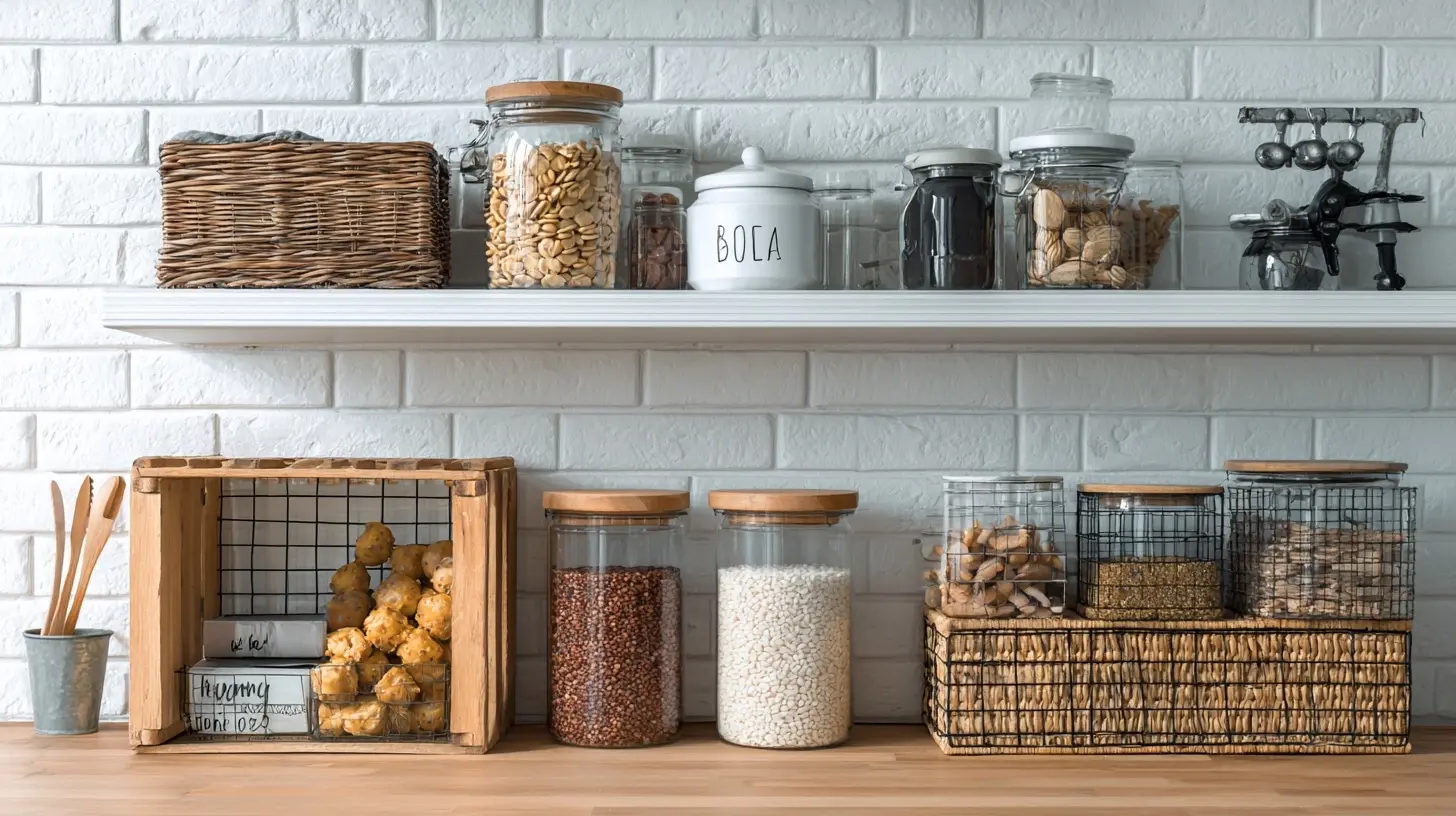
Most people treat storage as a utility. They buy shelves, bins, and organizers and hope the clutter disappears. That approach works for a while, but it rarely lasts. Storage that ignores design tends to look messy even when it is full, and storage that ignores function tends to be beautiful but useless.The better way to think about storage is as built-in furniture. A well-designed cabinet, a window seat with drawers underneath, or a floating shelf system does two jobs at once. It holds what you need, and it contributes to the room's character. When storage is treated as part of the architecture rather than an afterthought, homes feel calmer and more intentional.
There is also a financial angle. Buyers notice storage. A home with thoughtful closets, a functional mudroom, and a garage that actually fits a car tends to command more interest than a comparable home where storage is an afterthought. Storage is one of the few upgrades that improves daily life and resale value at the same time.
Start With an Honest Audit, Not a Shopping Trip
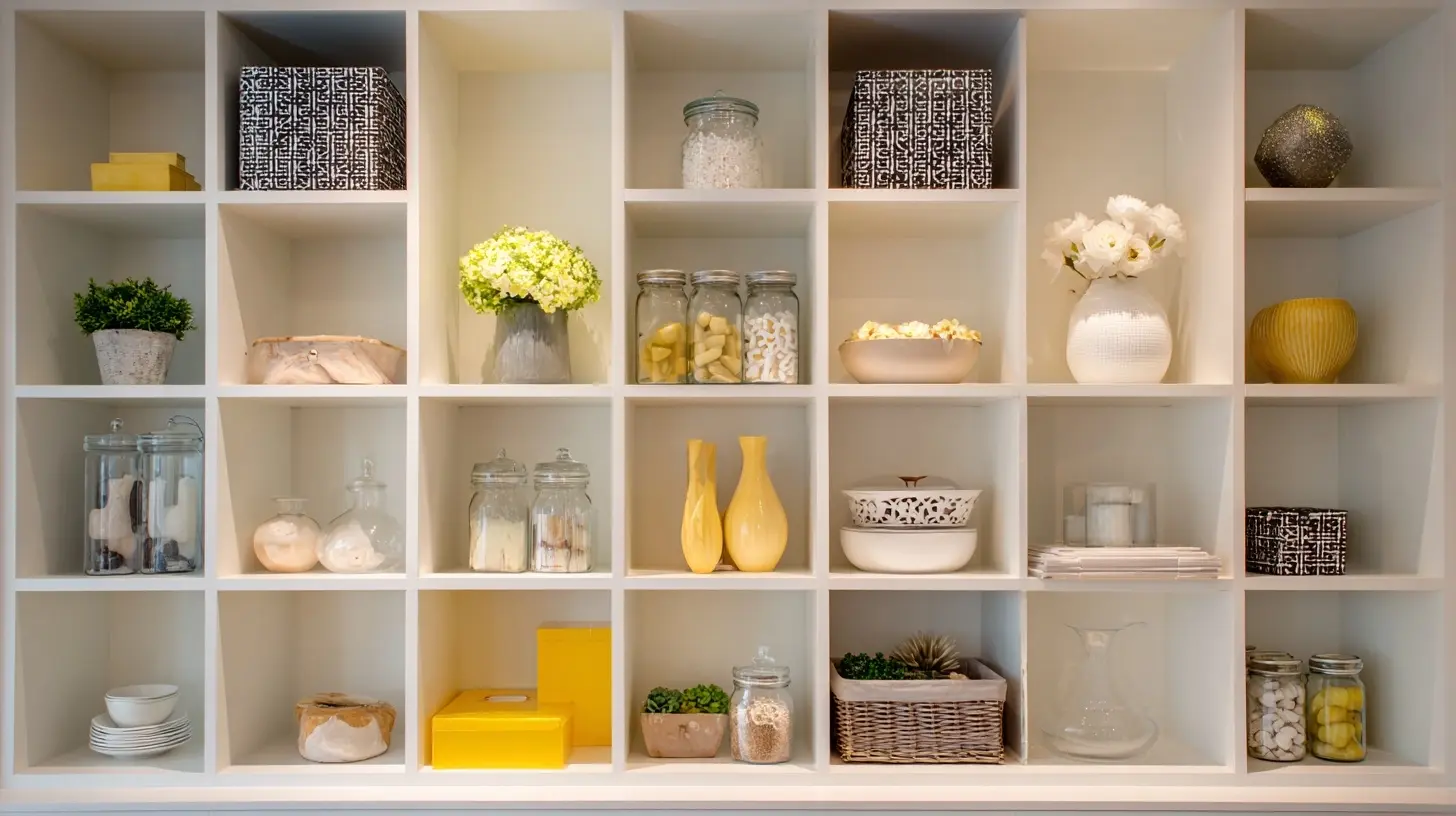
The most common mistake in storage projects is buying containers before understanding what needs to be contained. People see a sale on matching bins, fill them with whatever is nearby, and end up with a system that fits the bins rather than the belongings.Before spending anything, take an inventory. Walk through each room and note what is stored there, how often it is used, and whether it belongs in that room at all. A surprising amount of clutter is simply misplaced. Tools in the hall closet, winter coats in a bedroom, and paperwork scattered across the kitchen usually mean the home lacks a proper landing zone, not that it lacks shelves.
Group items by frequency of use. Daily items should live at arm's reach. Weekly items can go slightly higher or lower. Seasonal items belong in less convenient locations such as high shelves, under beds, or the garage. This single principle, applied consistently, eliminates most of the frustration people feel with their storage.
Also measure before you plan. Cabinet depths, door swings, and ceiling heights determine what will actually fit. A common disappointment is ordering a shelving unit that looks right online but blocks a light switch or prevents a door from opening fully. A tape measure and fifteen minutes of planning prevent that.
Built-In Storage: The Case for Going Permanent
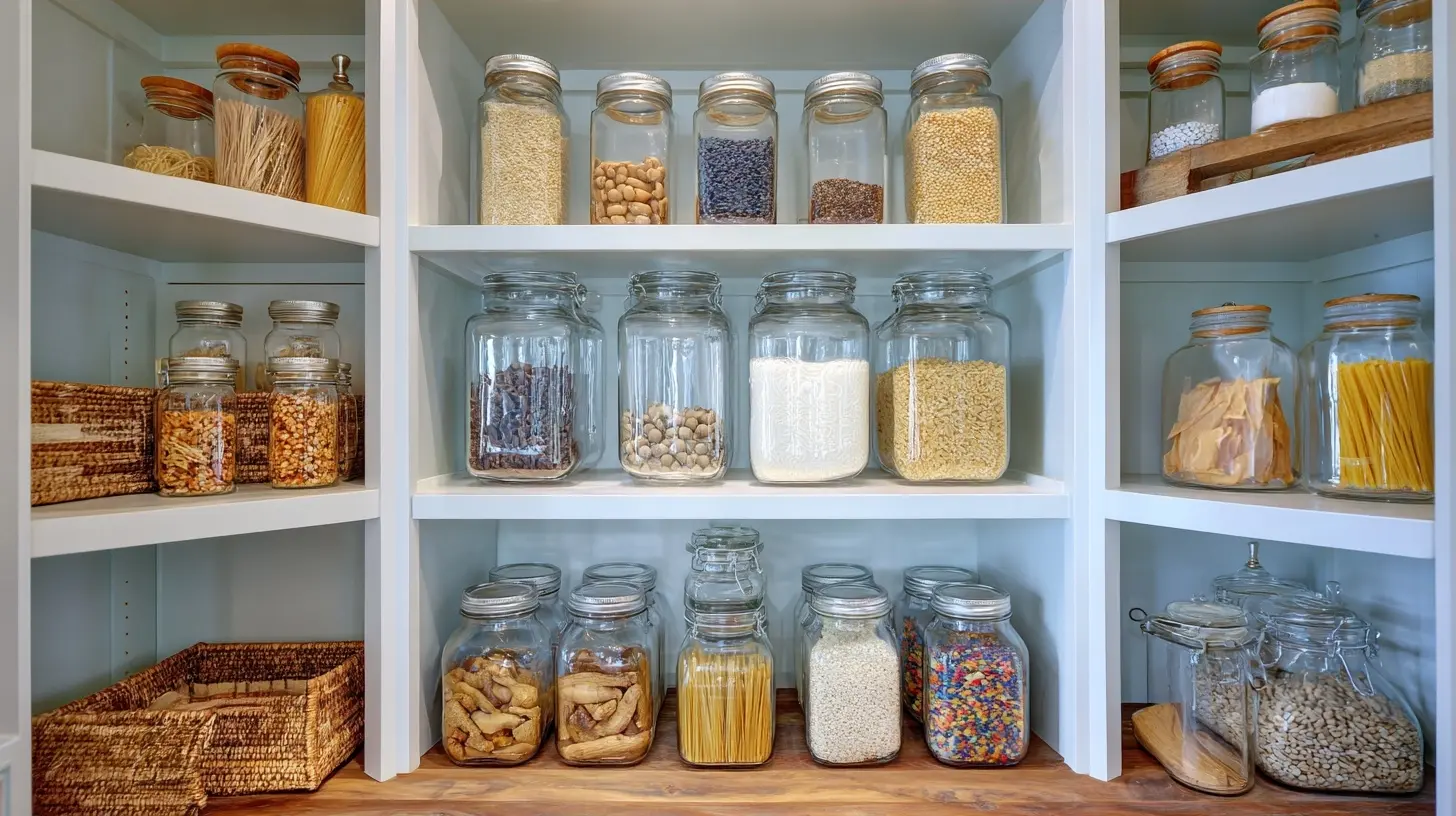
Built-in storage is attached to the structure of the home. Think closet systems, under-stair drawers, window seats, and floor-to-ceiling bookcases. It is typically more expensive than freestanding furniture, but it usually delivers more value per square foot because it uses space that freestanding pieces cannot reach.Where Built-Ins Shine
Built-ins work best in spaces with awkward geometry. Sloped ceilings, alcoves, and the area under stairs are difficult to furnish but excellent candidates for custom storage. A staircase that rises over an empty closet-sized void is wasted space unless someone frames it in and adds drawers or a small desk.Built-ins also suit rooms where visual calm matters. A wall of closed cabinets in a living room hides games, blankets, and electronics while reading as architecture rather than furniture. In a home office, a built-in desk paired with overhead shelving keeps the workspace cohesive.
The Trade-Offs to Weigh
The main drawback is permanence. Built-ins are difficult and expensive to change. If your needs are likely to shift within a few years, such as a nursery that will become a study, modular systems offer more flexibility. Built-ins also require professional installation in most cases, which adds cost and disruption.A middle path exists. Semi-custom closet systems and modular wall units attach to the wall but can be reconfigured. They cost more than freestanding furniture and less than full custom cabinetry, and they suit homeowners who want a fitted look without a permanent commitment.
Freestanding and Modular Storage: Flexibility Without the Commitment
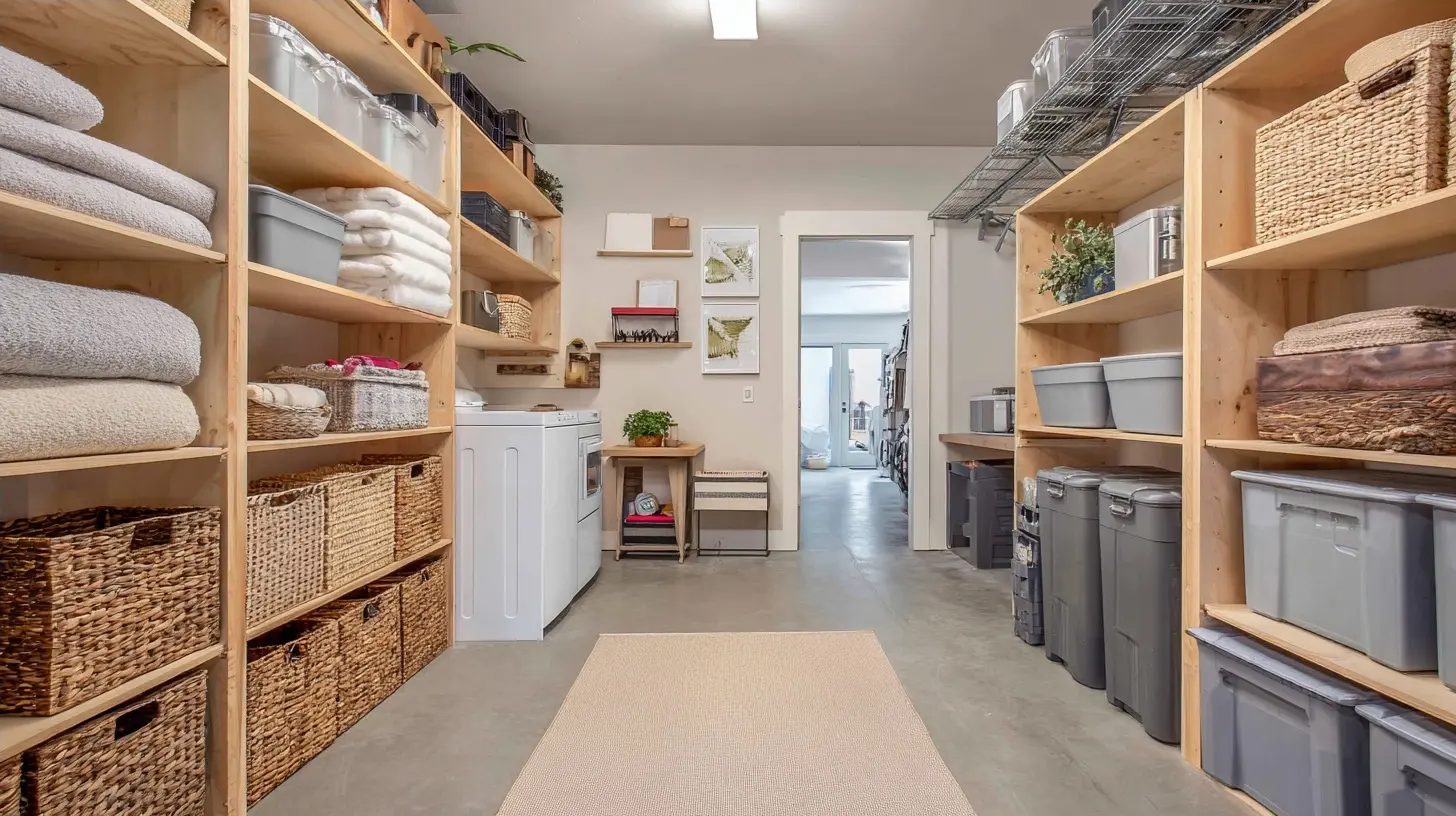
Freestanding storage includes bookcases, armoires, sideboards, and shelving units. Modular systems are the hybrid: standardized components that can be added to, rearranged, or moved between rooms.The advantage is obvious. You can start small and expand. You can take it with you when you move. You can reconfigure it when your needs change. For renters or for homeowners in the early stages of settling into a property, this flexibility is worth a lot.
The limitation is efficiency. Freestanding pieces rarely use wall space as completely as built-ins. Gaps above and beside units waste room, and tall bookcases can look precarious in a home with young children unless they are anchored to the wall. Anchoring is not optional, by the way. It is a safety requirement, and any shelving taller than a young child should be secured.
A practical approach many designers use is to mix the two. Built-in storage handles the fixed, high-volume needs such as closets and kitchen pantries. Freestanding and modular pieces handle the items that change over time, such as toys, books, and hobby supplies. This combination keeps the home adaptable without sacrificing efficiency.
Room-by-Room Storage That Earns Its Keep
Entryways and Mudrooms
The entryway is where clutter accumulates fastest because it is where the outside world comes in. Shoes, bags, mail, keys, and coats all land there. A functional entryway needs a landing surface, hooks or a closet for outerwear, and a place for shoes that is not the floor.Bench seating with storage underneath is one of the most useful additions you can make. It provides a place to sit while putting on shoes and hides the shoes themselves. Add a shelf above the hooks for baskets, and the entryway becomes a self-contained system. If space allows, a tall cabinet for cleaning supplies and pet gear keeps those items out of sight without cluttering the hall closet.
Kitchens
Kitchen storage is about workflow as much as volume. The classic work triangle, the path between sink, stove, and refrigerator, still guides good design. Storage should support that path. Pots and pans belong near the stove. Dishes belong near the sink or dishwasher. Spices belong within reach of the cooking surface.Drawers generally outperform cabinets with doors for lower storage. It is easier to see and reach items in a deep drawer than to crouch and dig through a dark cabinet. Pull-out shelves achieve a similar effect in existing cabinets and are one of the most cost-effective upgrades a kitchen can get. Vertical dividers for baking sheets and cutting boards use space that would otherwise be dead.
Bedrooms and Closets
Closets fail for predictable reasons. There is usually one rod, one shelf, and no plan. The fix is to think in zones. Hanging space for long garments, double-hang space for shirts and pants, shelving for folded items, and drawers for small accessories. A closet system that assigns each zone a purpose typically fits significantly more in the same footprint than a rod and shelf ever could.Under-bed storage deserves mention because it is often overlooked. Shallow drawers or rolling bins fit beneath most beds and are ideal for off-season clothing and linens. The key is choosing containers that slide out easily and labeling them so you do not forget what is inside.
Bathrooms
Bathroom storage has to handle moisture, which rules out some materials and demands ventilation. Open shelving looks airy but collects dust and dampness. Closed cabinets and drawers are more practical for most bathrooms. A recessed medicine cabinet adds storage without stealing wall space, and a vanity with deep drawers beats one with a single cabinet door almost every time.Garages and Utility Areas
The garage is often the largest storage space in the home and the least organized. Wall-mounted track systems with hooks and bins free up floor space and keep tools visible. Overhead racks hold bulky seasonal items such as holiday decorations and camping gear. The goal is to keep the floor clear enough that the space can still do its primary job, whether that is parking a car or serving as a workshop.
Materials and Finishes: Style Follows Durability
Storage surfaces take a beating. Shelves hold weight, drawers slide, and cabinet fronts get touched constantly. Choosing materials for durability first and appearance second is the practical order of operations, though the best solutions manage both.Painted wood and medium-density fiberboard are common for built-ins because they accept paint well and cost less than solid hardwood. In high-moisture areas such as bathrooms and laundry rooms, plywood with a moisture-resistant finish or marine-grade materials hold up better. Solid wood is beautiful and repairable but expensive, and it can move with seasonal humidity changes.
Hardware matters more than people expect. Soft-close hinges and drawer slides reduce noise and wear. Heavy-duty slides are essential for deep pot drawers and file storage. Cheap hardware is the most common reason a good storage system starts to feel broken within a few years, and upgrading it is usually inexpensive relative to the total project cost.
For open shelving, consider what will be visible. Open storage is a design commitment because everything on it becomes part of the room's look. Baskets, matching bins, and a limited color palette keep open shelves looking intentional. If you prefer to hide the contents, closed cabinets are the better choice, no matter how good the shelves look in a photograph.
Lighting and Labeling: The Details That Make Systems Work
Two details separate storage that works from storage that frustrates. The first is lighting. A closet without light becomes a place where things disappear. Battery-powered motion lights, LED strips under shelves, and simple puck lights make a meaningful difference and cost little. In pantries and deep cabinets, lighting is close to essential.The second is labeling. Labels sound mundane, but they solve a real problem: memory. People forget what is in the bin at the back of the top shelf. A simple label, written or printed, removes the guesswork. Labels also help other household members put things back correctly, which is where most storage systems quietly fail.
Common Mistakes and Misconceptions
A few myths deserve correcting because they lead people astray.The first is that more storage always solves clutter. It does not. Storage capacity without a system simply allows more accumulation. The goal is not to store more but to store deliberately. If an item has not been used in a year and has no sentimental or seasonal value, storage space is not the answer. Letting it go is.
The second is that matching bins equal organization. Matching containers look tidy, but if the contents are not grouped logically, the system collapses. Sort first, measure second, buy containers third.
The third is that hidden storage is always better. Closed storage reduces visual noise, but it also hides problems. A pantry where expired food disappears into the back is worse than open shelves that force you to see what you have. The right balance depends on the room and the item.
The fourth is ignoring vertical space. Walls above eye level and the space above doors are frequently empty. High shelves for seasonal items and ceiling-mounted racks in garages use space that costs nothing extra.
Budgeting and Sequencing Your Project
Storage projects range from a few hundred dollars for shelving and bins to tens of thousands for custom cabinetry. The sequencing matters as much as the budget.Start with the rooms that cause the most daily friction. For most households that is the entryway, the kitchen, and the primary closet. Fixing those first delivers the biggest improvement in daily life. Decorative storage for living rooms and bedrooms can follow.
Get at least two quotes for any built-in work, and ask specifically about hardware quality, warranty terms, and how the installer will handle wall damage and paint touch-ups. Those details are where budgets quietly grow.
Finally, leave room to adapt. Storage systems work best when they have a little slack. A closet packed to the ceiling on day one has no capacity for a new coat or a new hobby. Designing to roughly eighty to ninety percent capacity keeps a system usable and prevents the slow creep back to clutter.
Bringing It Together
Good storage is a quiet kind of design. When it works, nobody notices it. The entryway stays clear, the kitchen functions, the closet holds what it should, and the garage fits the car. Achieving that takes more thought than a trip to the container store, but the payoff is a home that feels calmer, looks better, and works harder every single day. Start with an honest audit, choose built-in or modular storage based on how permanent your needs are, invest in hardware and lighting, and resist the urge to fill every last inch. Style and function are not competing goals in storage. They are the same goal, approached with care.
all images in this post were generated using AI tools
Category:
Home ImprovementAuthor:

Kingston Estes