Soundproofing Your Home for Peace and Quiet
18 November 2026
In a world bustling with noise, achieving tranquility in your home can seem like an elusive dream. Sound pollution can disrupt your peace, affect your mental health, and interfere with daily activities. Whether it is loud neighbors, traffic, or even the sounds of nature, the quest for a quiet home is a common concern. In this guide, we will delve into effective soundproofing techniques, the science behind sound transmission, and practical tips to create a peaceful sanctuary within your walls.
Understanding Sound Transmission
Before diving into solutions, it's crucial to understand how sound travels. Sound is essentially a vibration that moves through different mediums, such as air, walls, and floors. There are two primary ways sound can reach your ears:Airborne Sound
Airborne sound travels through the air and can penetrate walls, ceilings, and floors. Common sources include music, voices, and traffic noise.Impact Sound
Impact sound occurs when objects hit surfaces, creating vibrations that travel through solid structures. This category includes footsteps, dropped items, or furniture being moved.Understanding these distinctions will inform the methods you choose for soundproofing your home.
Why Soundproofing Matters
The benefits of soundproofing extend beyond mere comfort. A soundproof home can enhance privacy, improve focus, and even boost property value. In a market where many homebuyers prioritize tranquility, well-executed soundproofing can be a significant selling point.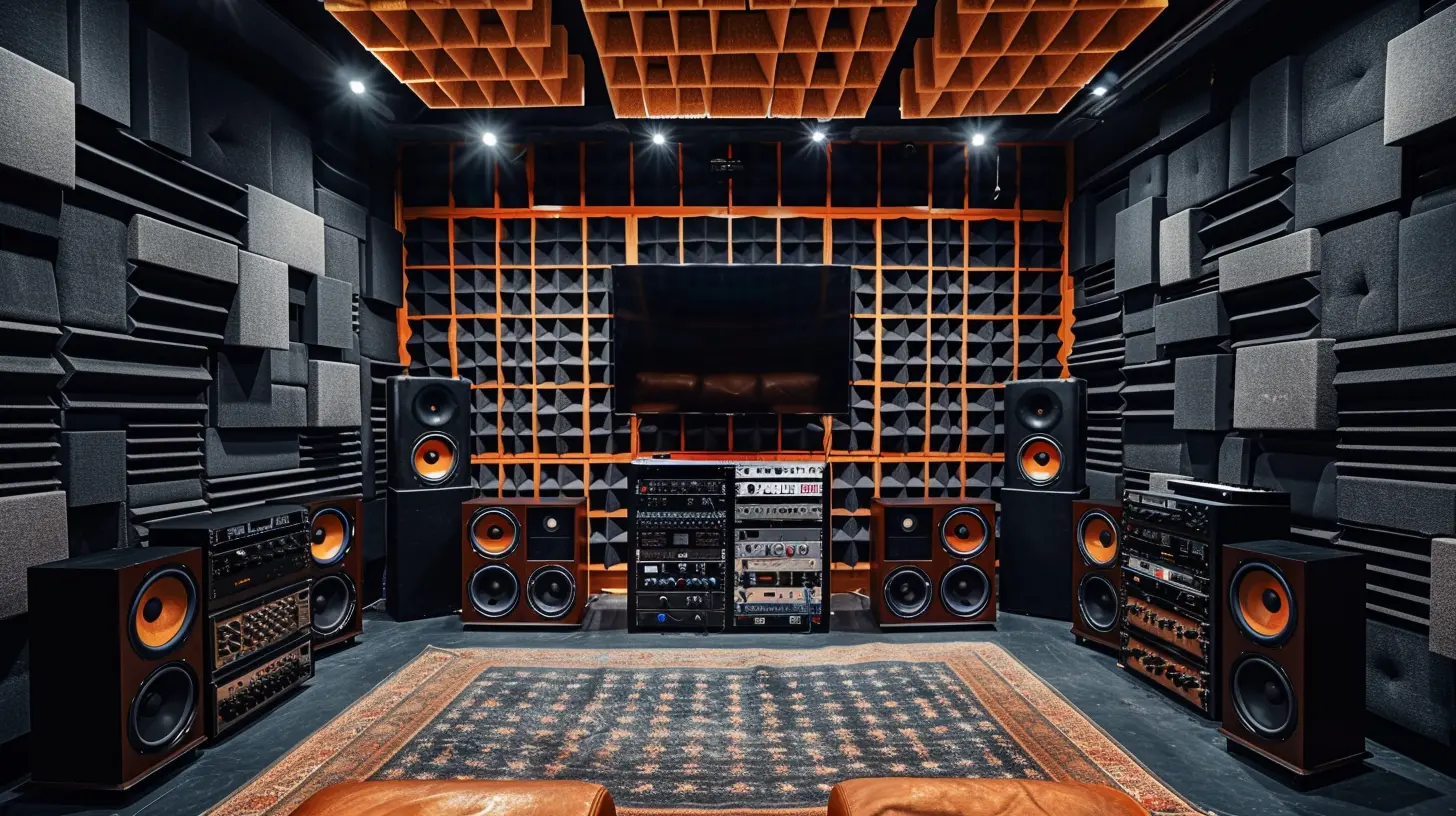
Techniques for Soundproofing
There are several methods to effectively soundproof your home. These techniques can range from simple DIY solutions to comprehensive renovations. Below are some of the most effective strategies:1. Insulation
Why It Works
Insulation materials, such as fiberglass or foam, can significantly reduce sound transmission. These materials trap sound waves, preventing them from passing through walls and ceilings.Best Practices
- Choose the Right Material: Fiberglass batts have a good sound absorption rating, while foam panels can be effective for particular applications.- Install in Walls and Ceilings: Adding insulation during construction or renovation can help create a quieter environment.
2. Soundproofing Panels
Overview
Acoustic panels can absorb sound and reduce echo within a room. They are particularly effective in spaces where sound bouncing is a concern, such as home theaters or recording studios.Trade-offs
While these panels are effective, they can be visually unappealing if not chosen carefully. Select colors and designs that complement your decor to maintain aesthetic appeal.3. Double Glazing Windows
Benefits
Double glazing involves installing two layers of glass with a gap in between. This design reduces both airborne and impact noise significantly.Considerations
- Cost: Double glazing can be a considerable investment, but it also offers energy efficiency benefits.- Installation: Professional installation is recommended to ensure a proper seal.
4. Door Seals
Why They Matter
Doors are often overlooked when soundproofing a home. Gaps around doors can let in an alarming amount of noise.Solutions
- Weatherstripping: Adding weatherstripping around the edges of doors can block sound effectively.- Solid Core Doors: If possible, replace hollow core doors with solid core options for better sound insulation.
5. Area Rugs and Soft Furnishings
Simple Fixes
Soft furnishings can absorb sound, making them a straightforward and cost-effective solution. Area rugs, curtains, and upholstered furniture can dampen noise significantly.Tips for Effectiveness
- Layering: Combine multiple materials for better sound absorption. Thick rugs over hardwood floors can make a noticeable difference.- Strategic Placement: Place rugs and curtains in areas where sound tends to bounce, such as near windows or open spaces.
6. Creating Sound Barriers
The Concept
Sound barriers are structures specifically designed to block sound transmission from one area to another. These can be walls, fences, or even landscaping.Implementation
- Use Heavy Materials: Concrete or brick barriers are more effective than wooden ones.- Height Matters: Taller barriers will block more sound, especially if placed strategically between noise sources and your home.
Common Mistakes in Soundproofing
Despite your best intentions, certain common pitfalls can hinder your soundproofing efforts.1. Overlooking Small Details
Small gaps around windows, doors, and even electrical outlets can allow sound to seep through. Addressing these small issues is crucial for effective soundproofing.2. Ignoring the Ceiling and Floors
Many people focus mainly on walls. However, ceilings and floors can also transmit noise, especially in multi-story homes. Soundproofing between floors can be vital in apartment living.3. Relying Solely on One Method
Using just one soundproofing method may not yield the desired effect. A combination of techniques is often necessary for optimal results.Real-World Examples
Case Study: Apartment Living
In an urban setting, a young couple found their peaceful nights disrupted by street noise. They opted for a multi-faceted approach:- Installed double glazed windows to combat traffic noise.
- Added thick curtains to further reduce sound during the night.
- Placed a heavy area rug in their living room, which helped absorb sound from their upstairs neighbors.
The result was a significant decline in their stress levels and the ability to enjoy their home without constant interruptions.
Case Study: Home Office
A freelance writer struggled with distractions from family noise while working from home. They implemented soundproofing techniques such as:- Acoustic panels on the walls to reduce echo and absorb sound.
- A solid core door to block noise from common areas.
- A white noise machine to mask background sound effectively.
These changes allowed them to focus better and increase productivity.
Best Practices for Soundproofing
1. Assess Your Needs
Evaluate where the noise is coming from and what areas of your home are most affected. This assessment will guide your soundproofing decisions effectively.2. Set a Budget
Soundproofing can vary in cost, so setting a budget upfront can help determine which methods are feasible for your situation.3. Consult Professionals
For extensive projects, consider hiring a contractor with experience in soundproofing. They can provide insights and solutions that might not be immediately apparent.Conclusion
Soundproofing your home is a worthwhile investment that can enhance your quality of life. By understanding the dynamics of sound, employing a combination of techniques, and avoiding common pitfalls, you can create a peaceful sanctuary. Whether you are dealing with a noisy neighborhood or just seeking to enjoy a bit more silence, the right soundproofing solutions can bring you the tranquility you desire.
all images in this post were generated using AI tools
Category:
Home ImprovementAuthor:

Kingston Estes