Protecting the Legacy of Historic Homes in Rural America
8 October 2026
Let’s talk about something close to heart—historic homes. These old, creaky, character-filled beauties have stood the test of time, weathered storms (literally and figuratively), and carry stories in their walls. In rural America, historic homes aren’t just buildings—they’re living pieces of history. They’re a glimpse into the past, a reminder of simpler times, and a testament to the hardworking folks who came before us.
But here’s the thing: these homes are disappearing. Yep, we’re losing pieces of our history to neglect, modernization, and sometimes just sheer bad luck. Protecting the legacy of historic homes in rural America isn’t just about saving structures; it’s about preserving memories, culture, and identity. So, let’s dig in and chat about how we can do a better job of taking care of these treasures.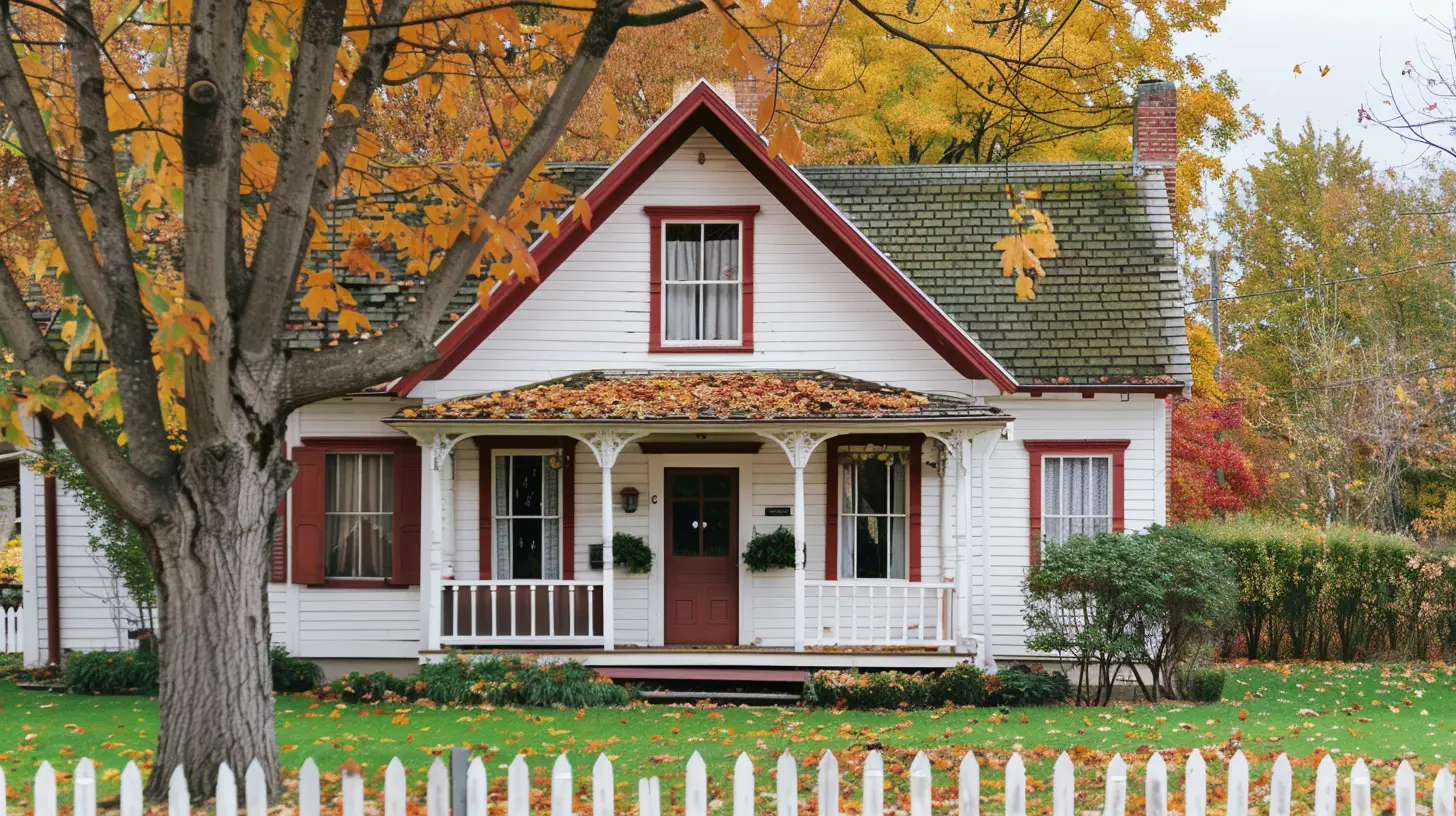
Why Historic Homes Matter
Okay, let’s address the obvious question: why should we care about old homes? Well, for starters, they’re more than just “old.” Historic homes are time capsules. They capture the architecture, craftsmanship, and way of life from a bygone era. Think about how much love and effort went into building something that still stands after 100+ years—no shortcuts, just pure skill and dedication.These homes also connect us to our roots. In rural America, where traditions run deep, historic homes often tell the stories of farming families, pioneers, or small communities that built the foundation of the nation. They have quirks, personality, and soul—something modern cookie-cutter houses will never have. Lose them, and we lose a piece of who we are.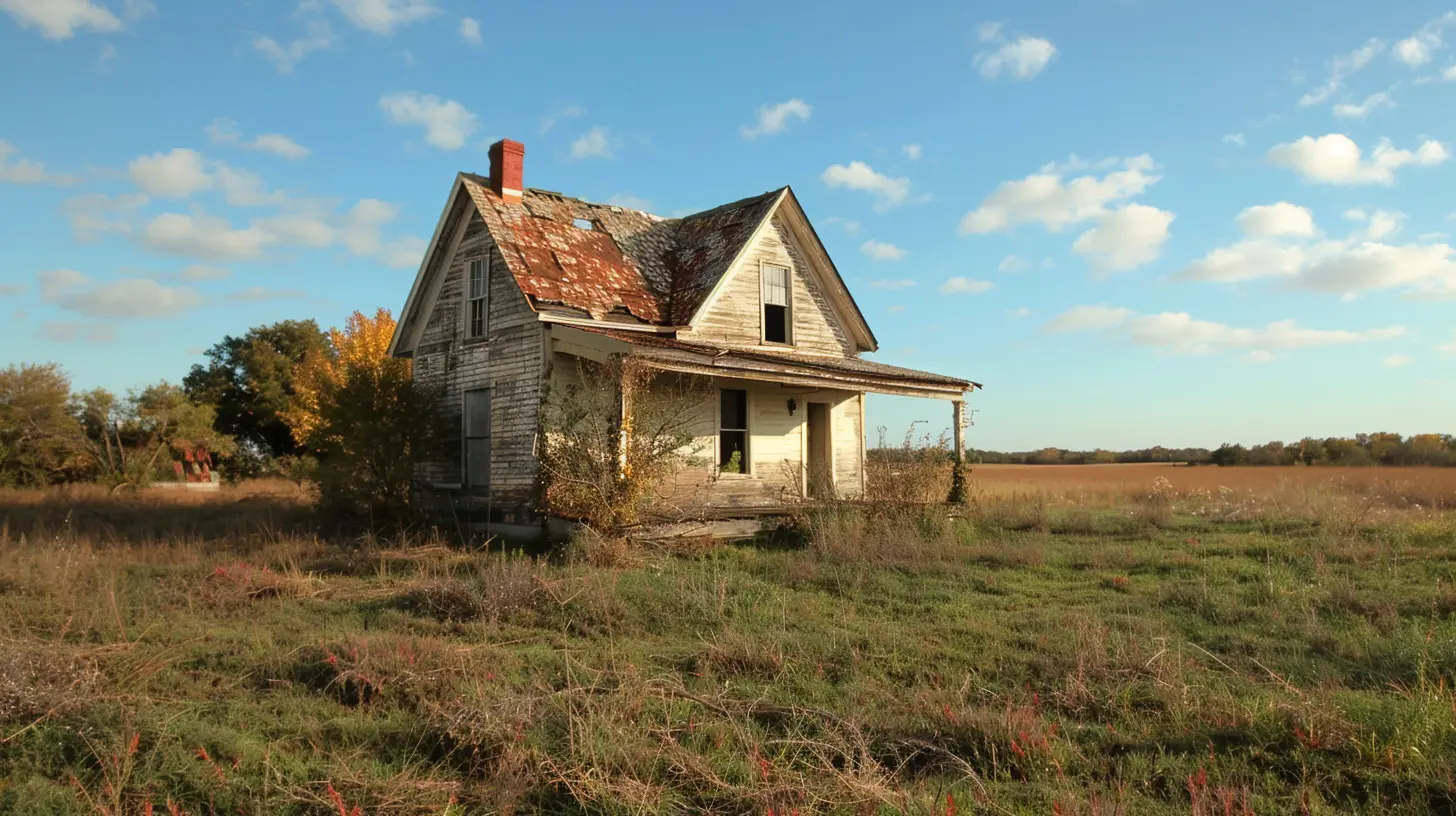
The Challenges of Maintaining Historic Homes
Let’s be real: owning a historic home isn’t always sunshine and rainbows. These properties come with their share of headaches. First off, maintenance costs can be through the roof (pun intended). Between preserving original materials and meeting restoration rules, things can get pricey. The roof might need a special type of wood, or the windows might need to be custom-made. It’s not as simple as swinging by the nearest home improvement store.Then there’s the issue of neglect. Not everyone sees the value in these homes, and sometimes they’re abandoned or fall into disrepair. Over time, weather, pests, and age take their toll. Before you know it, that charming little farmhouse is a crumbling shell of its former self.
And let’s not forget urbanization. As cities expand, rural areas are shrinking, and historic homes are at risk of being replaced by modern developments. It’s a tough pill to swallow, but it’s the reality we’re up against.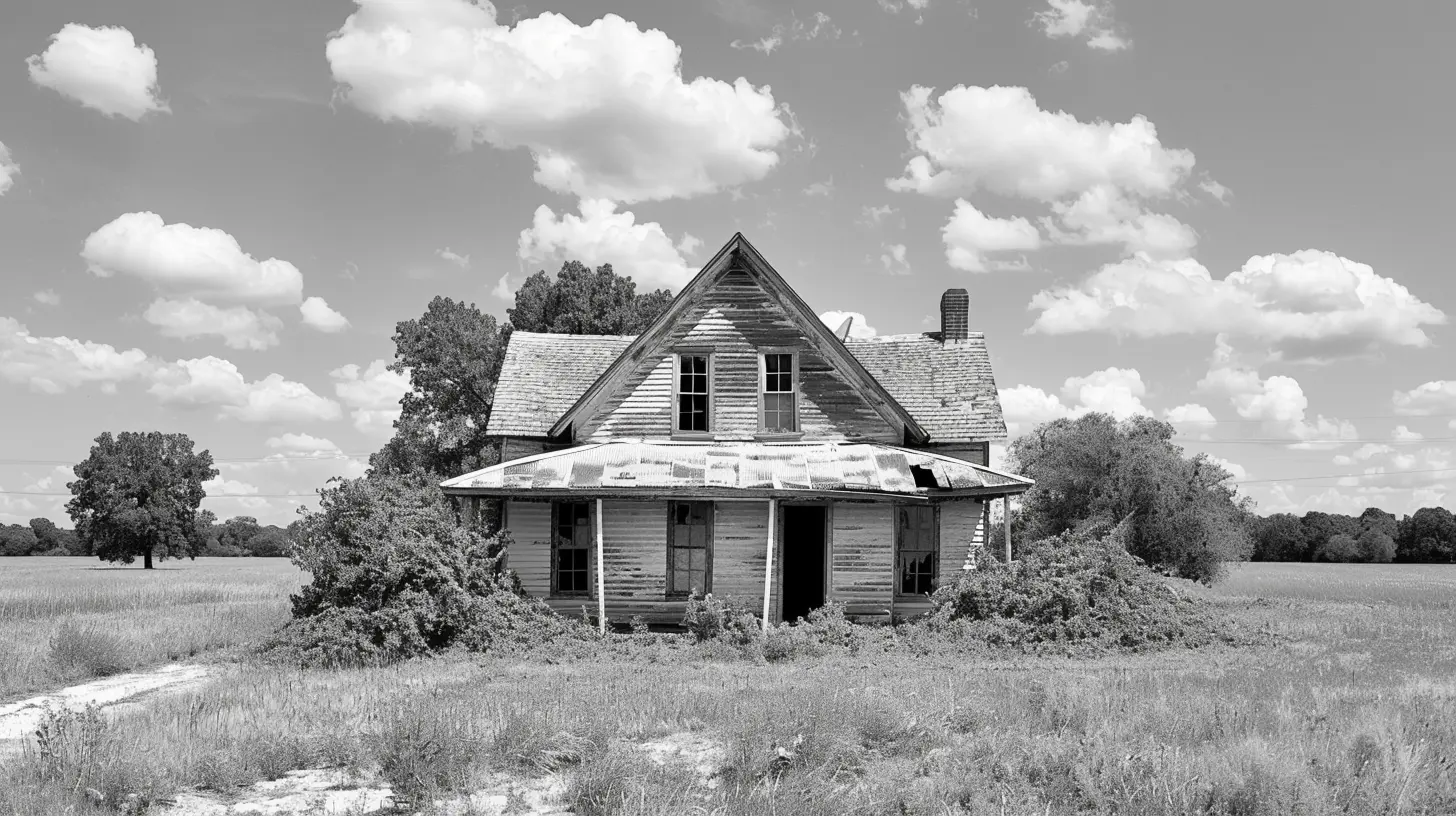
How to Protect Historic Homes
So, what can we do to stop historic homes from fading away? The good news is, there’s plenty! Whether you own one, live near one, or just appreciate their beauty, there are ways to help.1. Advocating for Preservation Laws
Local governments play a big role in protecting historic homes. Advocating for preservation ordinances can ensure these properties are safeguarded against demolition or unsympathetic renovations. Reach out to local officials, attend city council meetings, and speak up about the importance of saving these homes.2. Investing in Restoration
If you’re lucky enough to own a historic home, consider investing in its restoration. Sure, it’s not cheap, but think of it as saving a piece of history. Plus, there are grants and tax incentives out there designed specifically for restoring historic properties. Every dollar you spend is a step toward keeping the legacy alive.3. Educating the Community
People can’t protect what they don’t understand. Hosting community events, open houses, or educational workshops can raise awareness about the significance of historic homes. When people see the beauty and history up close, they’re more likely to rally behind the cause.4. Partnering with Nonprofits
There are nonprofit organizations dedicated to preserving historic places—groups like the National Trust for Historic Preservation or state-specific preservation societies. Partnering with them can bring in resources, expertise, and funding to help protect rural America’s historic gems.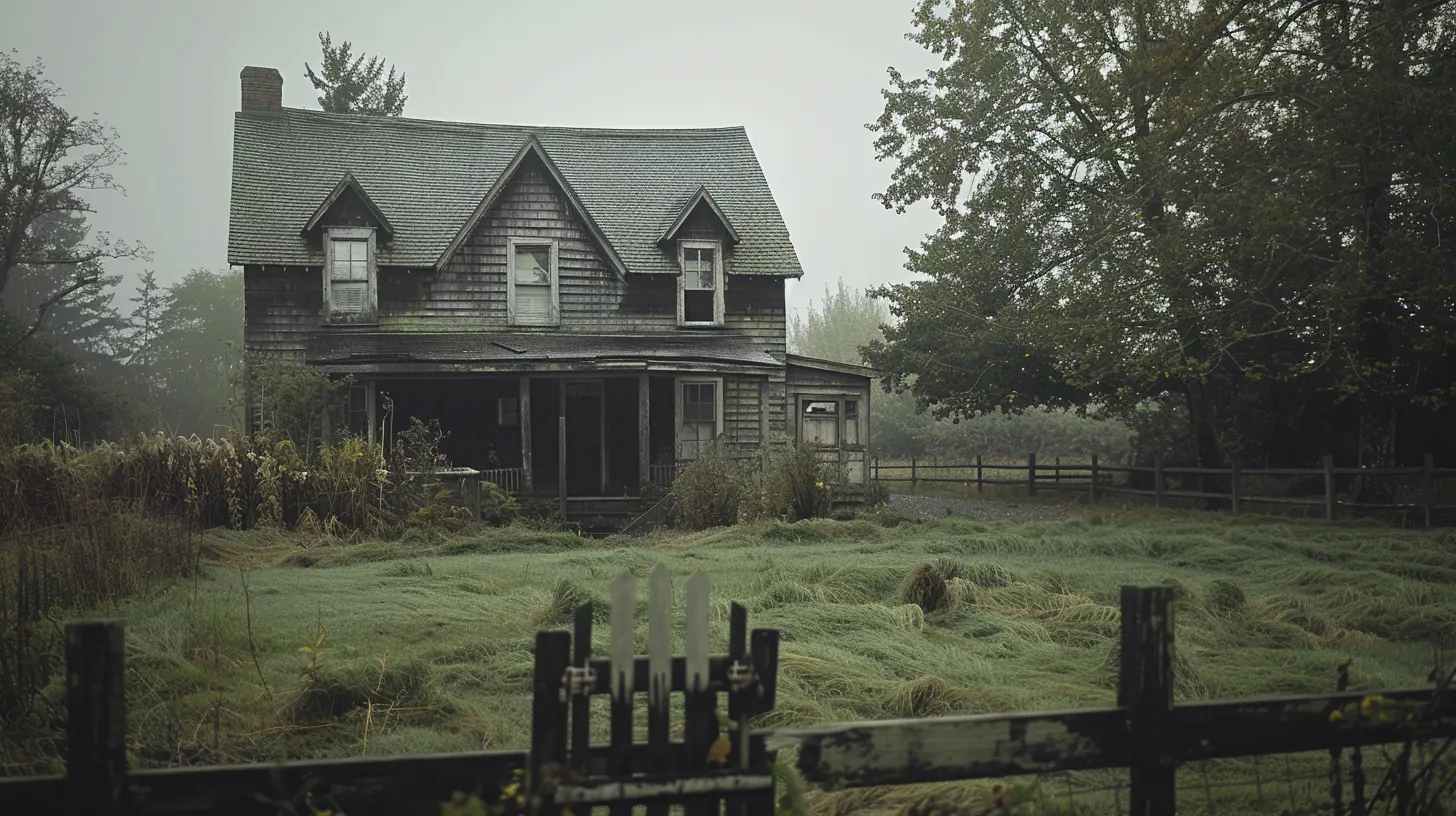
The Role of Technology in Preservation
Here’s something cool: technology is becoming a game-changer in historic home preservation. With 3D scanning, we can digitally preserve the structure of homes, ensuring they’re documented in case of future damage. Drones can inspect roofs and hard-to-reach areas without risking more damage. And let’s not forget social media—it’s a powerful tool to spread awareness, share stories, and even crowdfund restoration projects.Balancing Modern Living with Historic Charm
Now, let’s address the elephant in the room: modern living. As much as we love the charm of historic homes, there’s no denying we also love our Wi-Fi, central air, and other modern conveniences. So, how do you strike a balance?The key is thoughtful updates. You can preserve the character of the home while discreetly incorporating modern features. For example, you might install a smart thermostat but hide modern wiring behind original walls. Or, you could refinish original hardwood floors and add cozy rugs instead of covering them with modern carpet. It’s about blending old and new in a way that respects the home’s history.
Stories that Inspire Action
Sometimes, all we need is a good story to light a fire under us. Take the story of a small-town farmer in Kansas who restored his family’s 150-year-old home. It wasn’t easy—he had to put in years of work and spend a decent chunk of change—but now, that house is the pride of the town. It’s used as a community center for gatherings, and people come from all over to admire it.Or consider places like Madison, Indiana, where a local historical society saved multiple historic homes from demolition. They turned them into rental properties, proving that preservation can also be practical and profitable. These stories remind us that it’s not just about saving homes—it’s about saving what they represent.
How You Can Get Involved
Even if you don’t own a historic home, there are still ways to make a difference. Volunteer with heritage organizations or donate to preservation funds. Share stories of historic homes on social media—seriously, a single Instagram post can reach thousands. And the next time you’re house hunting, consider looking at historic properties. Sure, they might need a little extra TLC, but the rewards are worth it.A Legacy Worth Protecting
At the end of the day, historic homes in rural America are worth fighting for. They’re more than just old buildings—they’re storytellers, time travelers, and pieces of art rolled into one. Protecting them isn’t just about saving bricks and mortar; it’s about preserving the soul of our communities.So, let’s take action. Let’s rally together to ensure these homes stand tall for generations to come. Because once they’re gone, they’re gone for good. And that’s a legacy we can’t afford to lose.
all images in this post were generated using AI tools
Category:
Historic HomesAuthor:

Kingston Estes