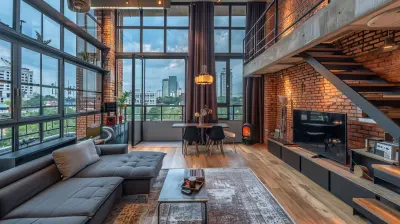
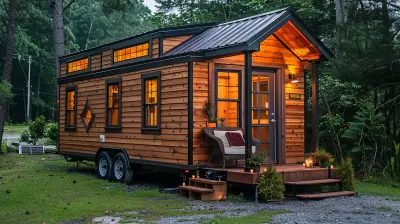
Maximizing Natural Light in Your Tiny Home Design
11 July 2026
Let’s face it—tiny homes are adorable, efficient, and all the rage. But they come with their own set of challenges, right? One of the biggest ones? Lighting. Specifically, natural lighting. When space is tight and walls are few, finding smart ways to let the sunshine in can make your tiny home feel ten times bigger. Seriously, natural light can turn your cozy nook from a potential cave into a bright, airy sanctuary.
So how do you make the most out of natural light in your small space? Let’s dive deep into practical, stylish, and surprisingly simple ways to maximize natural light in your tiny home design.
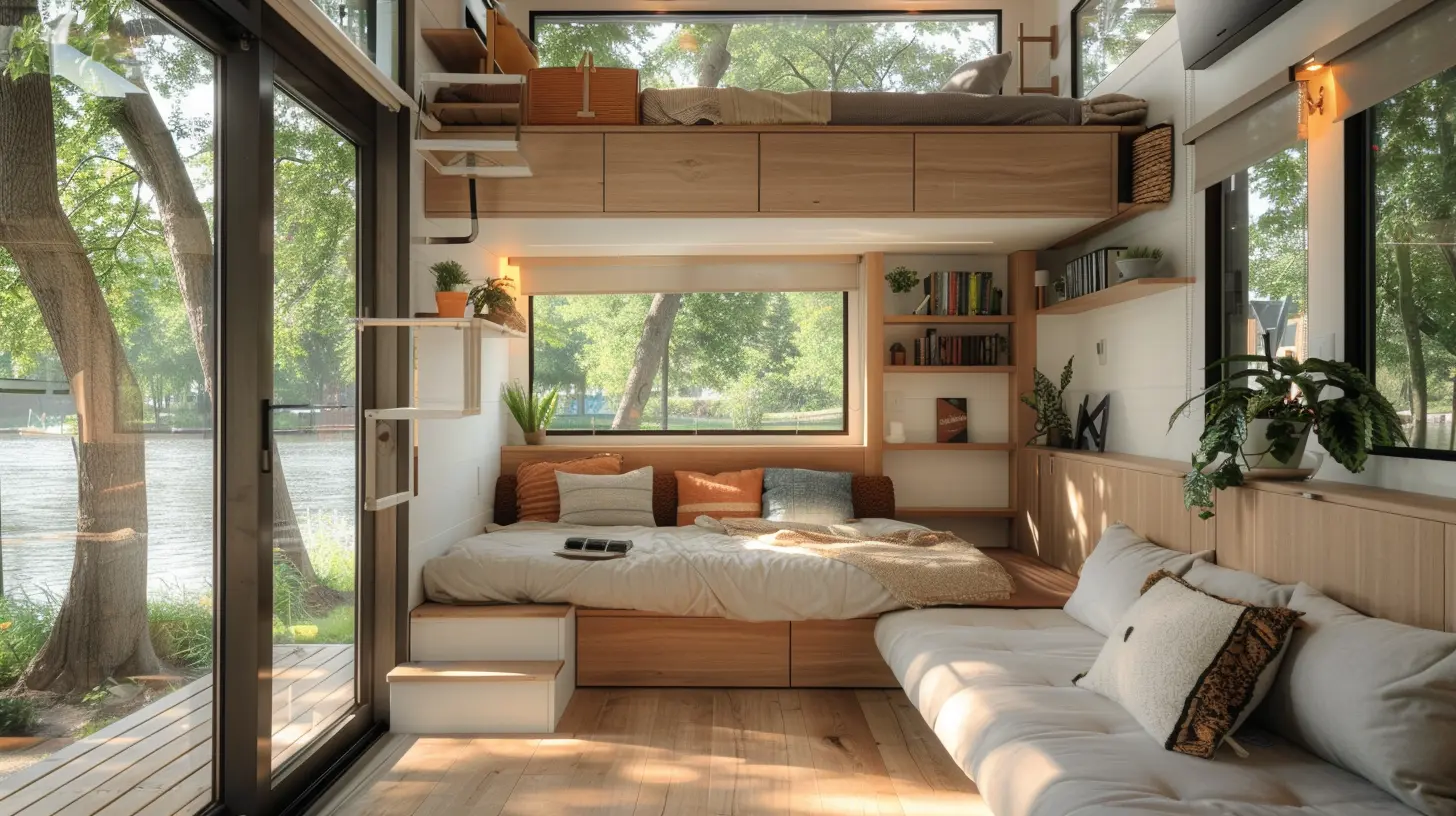
Why Natural Light Matters (Especially in Small Spaces)
Before we get into the nitty-gritty, it's important to understand why natural light is such a game changer—especially in tiny homes.- Creates Illusion of Space: Bright rooms feel more open. A well-lit tiny home instantly feels larger and less cramped.
- Boosts Mood: Ever notice how a sunny day lifts your spirits? That’s not a coincidence. Natural light helps regulate your circadian rhythm and can banish those gloomy vibes.
- Energy Efficiency: More light from outside means you rely less on artificial lighting. That equals lower energy bills and a greener lifestyle.
- Better Aesthetics: Natural light enhances your decor—colors pop, textures stand out, and your home just feels more “you.”
Now that we’ve established why it matters, let’s talk about the how.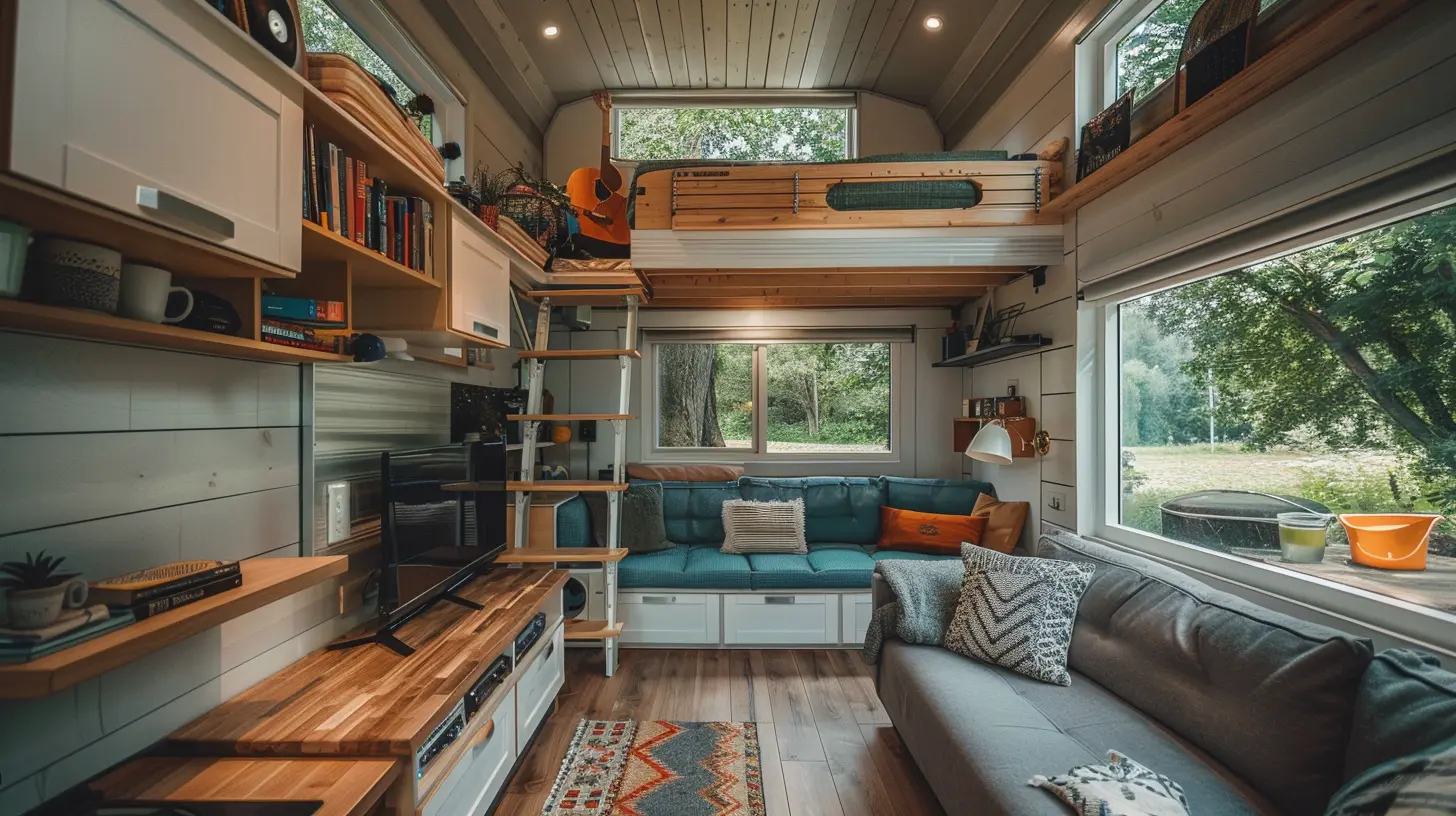
1. Prioritize Window Placement
Think of windows as the lifelines of your home’s light flow. You’ve got to be strategic here.Position for the Sun
Place larger windows on the south side if you're in the northern hemisphere—that's where you’ll catch the most consistent daylight year-round.Avoid the “Window Wall” Trap
Sure, one giant window may look cool, but it’s way more effective to spread out multiple smaller windows. This distributes light more evenly and removes shadows from corners, making the room feel brighter overall.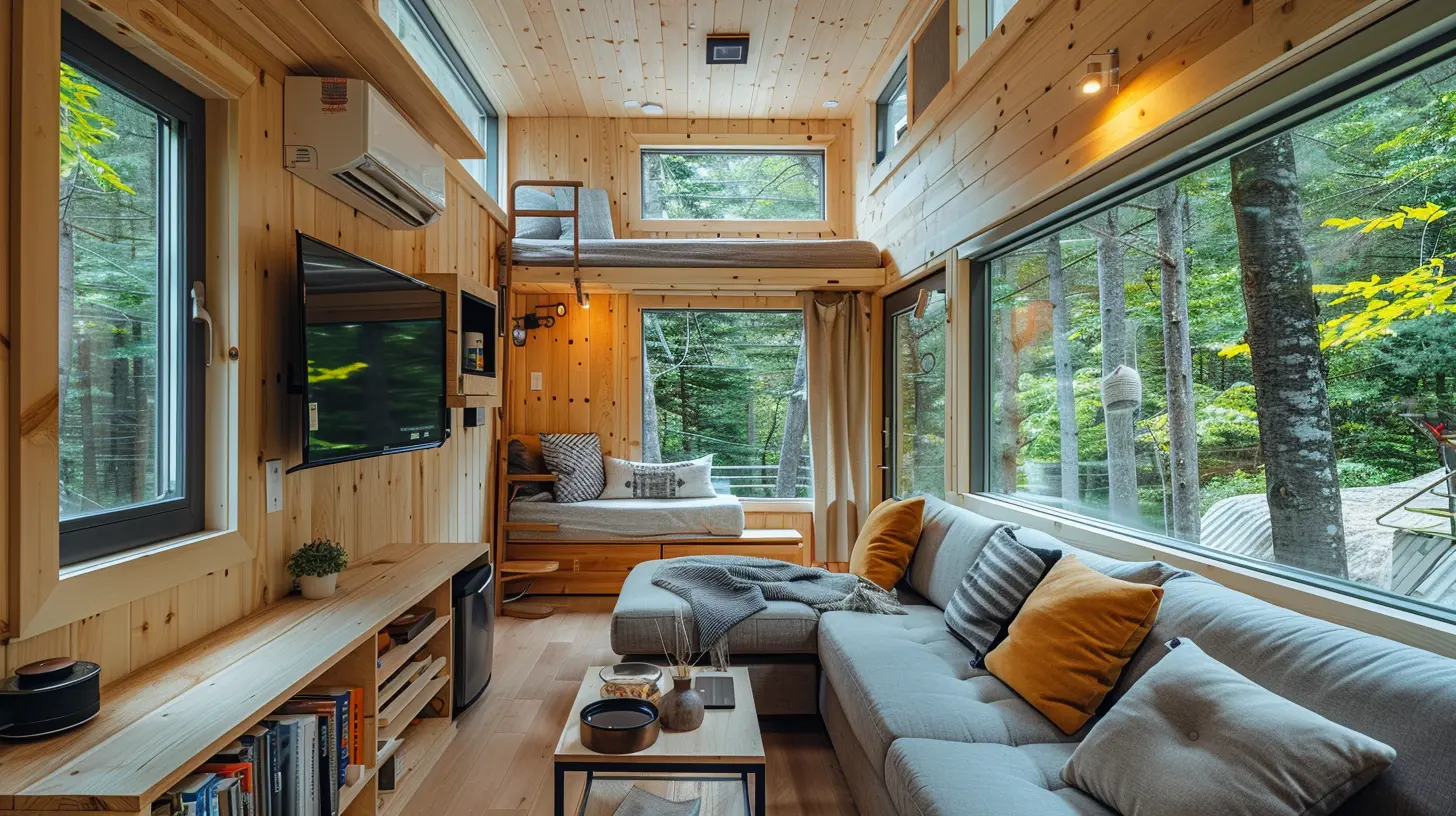
2. Go Big with Glass
Glass is your best friend in tiny home design.Skylights and Roof Windows
Skylights are like cheat codes for light. They pour sunlight into your space without sacrificing privacy or wall space. Want even more? Add operable skylights for natural ventilation, too. Double win!Glass Doors
Consider sliding glass doors or even full glass entry doors. They act like mega-windows and are perfect for blending indoor and outdoor living spaces.Interior Windows
Got a loft bedroom or bathroom that’s stealing all the light? Use internal glass panels or sliding windows to share light between rooms.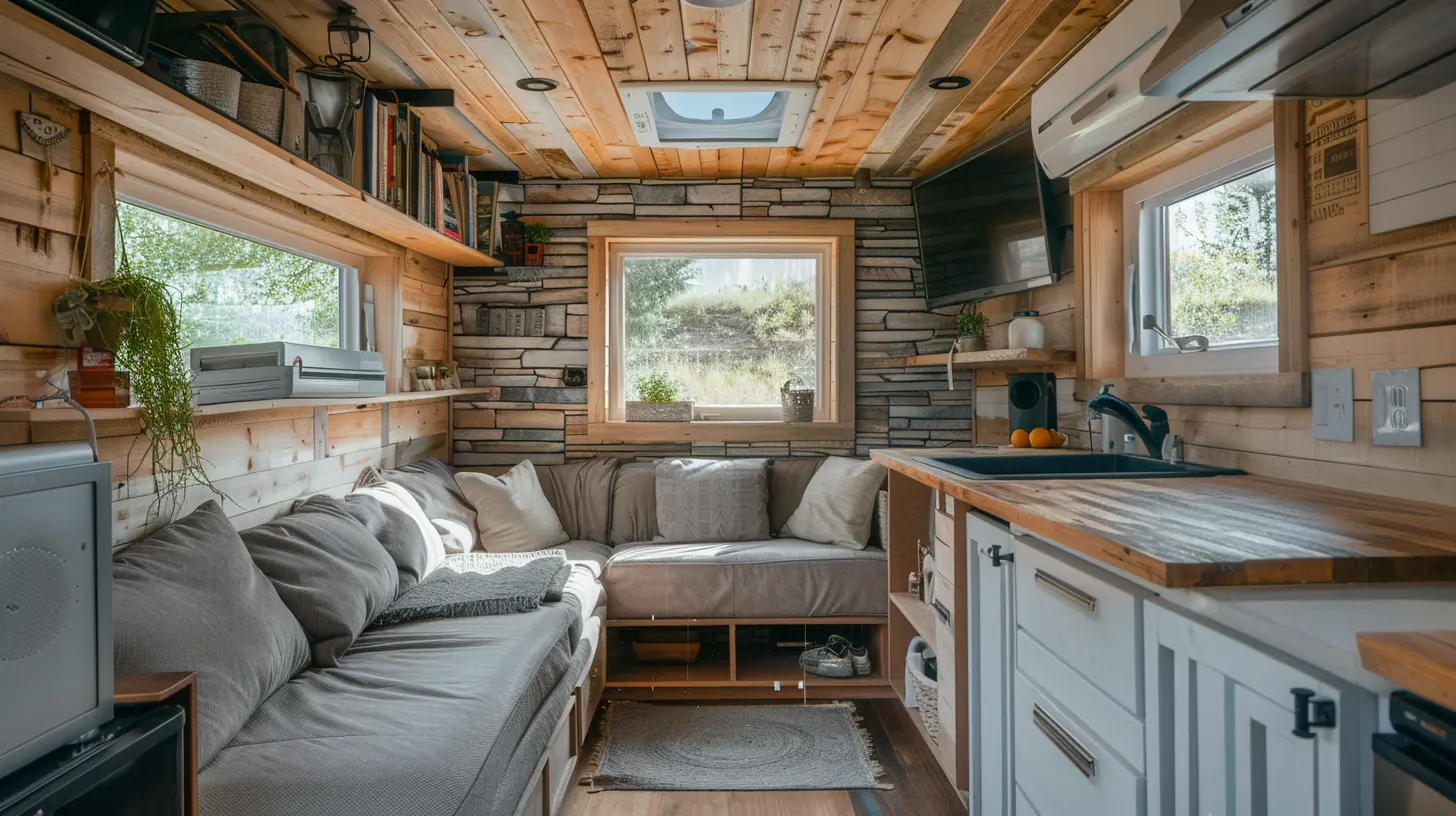
3. Use Reflective Surfaces Like a Pro
Think of light like a pinball. You want it bouncing all over your home. That’s where reflective surfaces come in.Mirrors, Mirrors Everywhere
Mirrors are the MVPs of light-bouncing. Place a large mirror opposite a window and boom—instant extra brightness. You’ve just doubled your light source, at least visually.Glossy Finishes
Opt for semi-gloss or high-gloss paints, glossy cabinetry, or even polished concrete floors. Light reflects better off shinier surfaces, giving rooms a glowing ambiance.4. Choose Color Wisely
You'd be shocked at what a paint brush and the right color palette can do.Go Light and Neutral
White or off-white walls are classic because they reflect the most light. But you don’t have to stick with just white. Soft greys, light beiges, and pastel tones also work wonders.Low-Contrast Colors
Keep your color palette tight. When you reduce contrast (say, light walls + light floors + light furniture), your eye effortlessly flows through the space. That visual continuity makes the room feel more open and bright.5. Keep Window Treatments Minimal (or Ditch ’Em)
Curtains are cozy... but they can also kill your natural light buzz.Sheers and Blinds
Think light and airy. Sheer curtains diffuse light beautifully while offering a bit of privacy. Opt for light-colored roller or Roman blinds that can be fully lifted during the day.Consider No Curtains
If privacy isn’t a huge concern—say, you're tucked away in nature—go bare. Let those windows shine (literally).6. Open Up the Layout
Tiny homes don’t usually have complicated floor plans—but even small partitions can block light.Ditch Unnecessary Walls
The more open your layout, the further light can travel. Use furniture like bookshelves or modular couches to define areas instead of solid barriers.Use Glass Partitions
Need to divide spaces but still want light? Consider interior glass walls or doors. They define spaces without sacrificing brightness.7. Use Light-Enhancing Fixtures Strategically
Okay, artificial light still matters—especially after dark. But if you use fixtures smartly, they can actually amp up the effect of natural light during the day.Layered Lighting
Combine ambient (main ceiling lights), task (desk or under-cabinet lights), and accent lighting (spotlights or LED strips). This mimics sunlight’s dimension and keeps the home feeling balanced.Reflective Sconces & Fixtures
Opt for sconces or pendant lights with metallic finishes. These not only look chic but also bounce light around like mini sunbeams.8. Bring the Outdoors In
Plants don’t directly increase light, but they definitely enhance the perception of a sunlit, fresh space.Place Plants Near Windows
Greenery near windows draws your eyes toward the light source and adds life to the room. Bonus: plants love soaking in that sunshine too!Use Natural Materials
Wood, bamboo, and stone textures reflect nature and create harmony with incoming light. They ground your space while enhancing its organic feel.9. Consider Light in Your Tiny Home Layout From Day One
If you’re still in the planning stage of your tiny home—or dreaming about your future one—light should be at the top of your wishlist.Orientation Matters
Place your tiny home so it faces the sun strategically. Rotate living areas toward the direction with the most sunlight exposure.Roof Design
Sloped roofs can allow for spectacular skylights, dormer windows, or even solar panels. The roof is prime real estate for letting in daylight.10. Don’t Forget the Floor
Yes, the floor can reflect light too. Crazy, right?Light-Colored Flooring
Choose lighter wood tones, whitewashed floors, or tiles in light neutral colors. This reflects light upward instead of absorbing it.Continuous Flooring
Use the same floor material throughout the entire home. Just like with color palettes, consistency makes the space feel bigger, airier, and better lit.Putting It All Together: How to Design a Sunny Tiny Sanctuary
So, if you're planning or remodeling your tiny home, remember: designing for natural light isn't just about windows—it's a whole mindset.Think of your home as a living, breathing space that interacts dynamically with the sun. From your floor to your ceiling—every decision should invite that golden, energizing daylight in.
Here’s a quick recap for making your tiny home light-filled and fabulous:
- Prioritize smart window placement.
- Embrace glass in all its forms.
- Use mirrors and shiny surfaces to bounce light.
- Paint with bright, low-contrast colors.
- Go minimal on window treatments.
- Keep your layout open and airy.
- Choose light fixtures that partner with natural light.
- Add greenery for freshness and visual interest.
- Think about orientation and layout from the start.
- Even your floor should play nice with the sun.
Remember, a little sunlight can go a long way—especially when every square foot counts. Happy designing!
all images in this post were generated using AI tools
Category:
Tiny HomesAuthor:

Kingston Estes
Discussion
rate this article
1 comments
Caelum James
Embracing natural light can transform a tiny home into a bright and inviting sanctuary. With clever design choices, even the smallest spaces can feel open and airy. Let the sunshine in and create a warm, uplifting atmosphere.
July 19, 2026 at 2:32 AM
Kingston Estes
Absolutely! Natural light is key to making small spaces feel larger and more welcoming. Simple design choices can really enhance that bright, uplifting vibe.